Contents
The question “how many bottles are in a case of champagne?” may seem simple. Yet it reflects a very specific reality in the world of Champagne, shaped by history, technical constraints, commercial practices, and client expectations in France and internationally. Whether you’re planning a large event or just curious, this knowledge is essential for any sparkling wine enthusiast.
Unlike other wine regions or alcoholic beverages, Champagne has maintained a clear and stable standard: the six-bottle case.
The Standard Format in Champagne
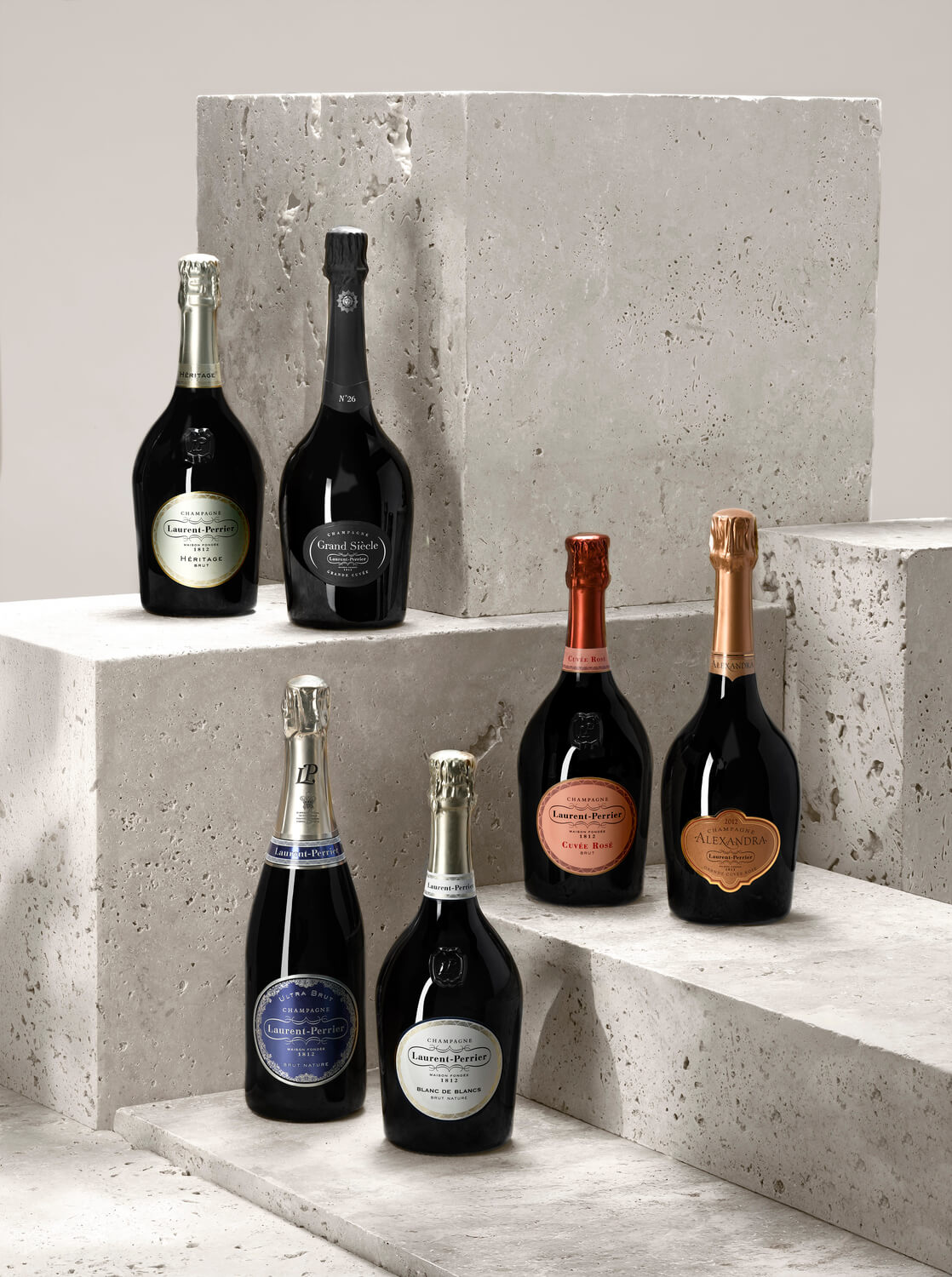
In Champagne, a standard case contains 6 bottles of champagne of 75 cl. Each individual bottle of champagne is typically 750 ml, which is the reference for the industry.
This corresponds to:
- – a quantity of 6 units,
- – a total capacity of 4.5 liters (or 4500 ml) of champagne.
Today, this packaging is the reference for champagnes offered by the Houses, whether white champagne, rosé, brut, Blanc de Blancs, or cuvées from Grand Cru.
This format applies at all levels of beverage sales, from specialized distribution to fine dining.
When you order a case of champagne online, you can expect this 6-unit offer to be the baseline.
A Practice Unique to Champagne
In other wine regions, such as Bordeaux or Burgundy, wine cartons traditionally contain 12 units. In those regions, you might find a heavy Cabernet Sauvignon or other still wines packed in larger boxes. However, in Champagne, this model was never adopted.
The six-bottle case quickly became a durable standard, in France and abroad, and remains the reference regardless of the client’s country of residence. Whether it’s a special occasion or a standard restocking, the number of bottles stays consistent year after year.
Other Case Formats in Champagne
While the six-bottle case remains the norm, other formats are available for specific uses:
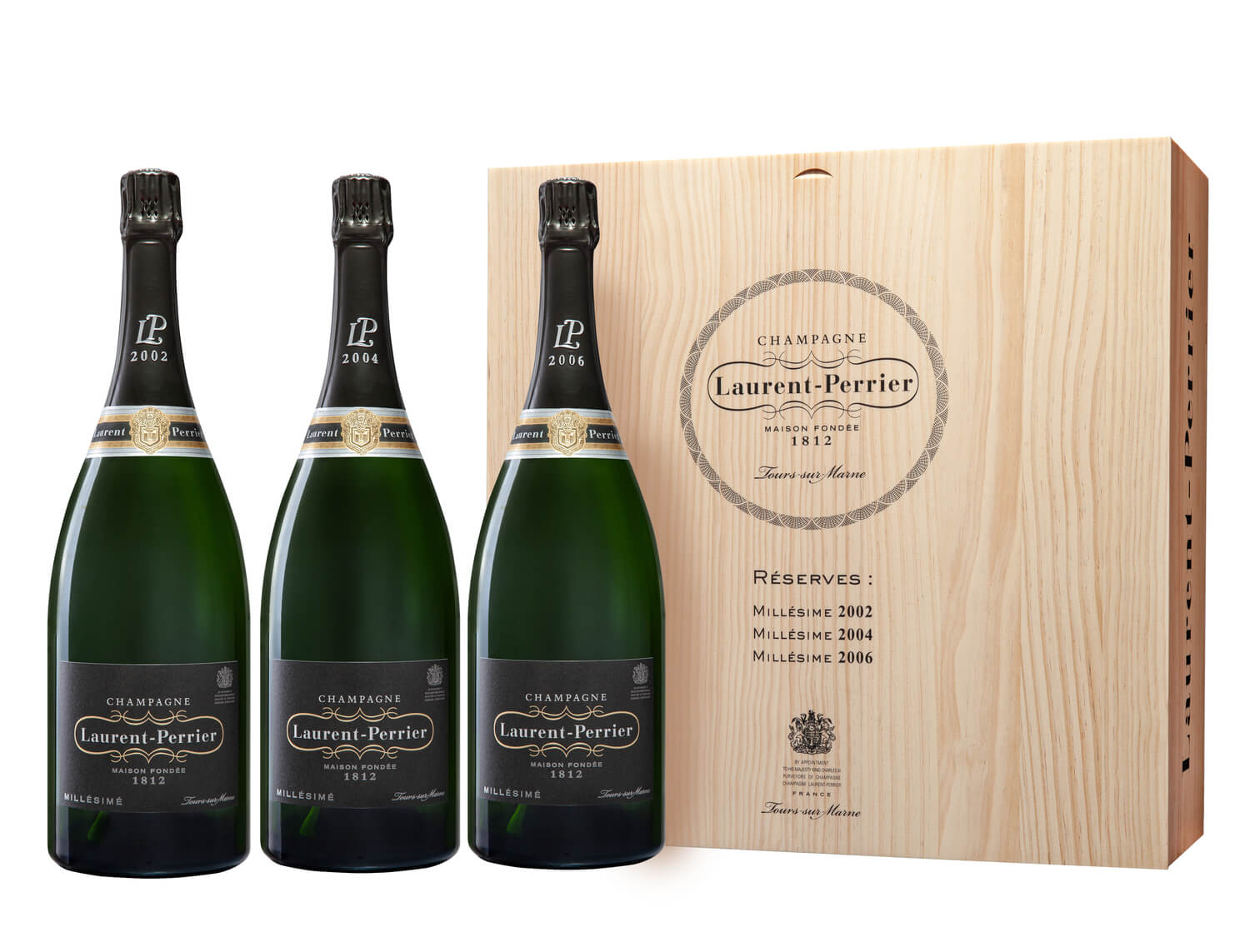
- – Case of 3: often used for gift sets, wishlists or presents.
- – Magnum cases:
- 1 magnum (1.5 L),
- 2 or 3 magnums, depending on needs.
- – Half-bottles (37.5 cl): generally packed by 12.
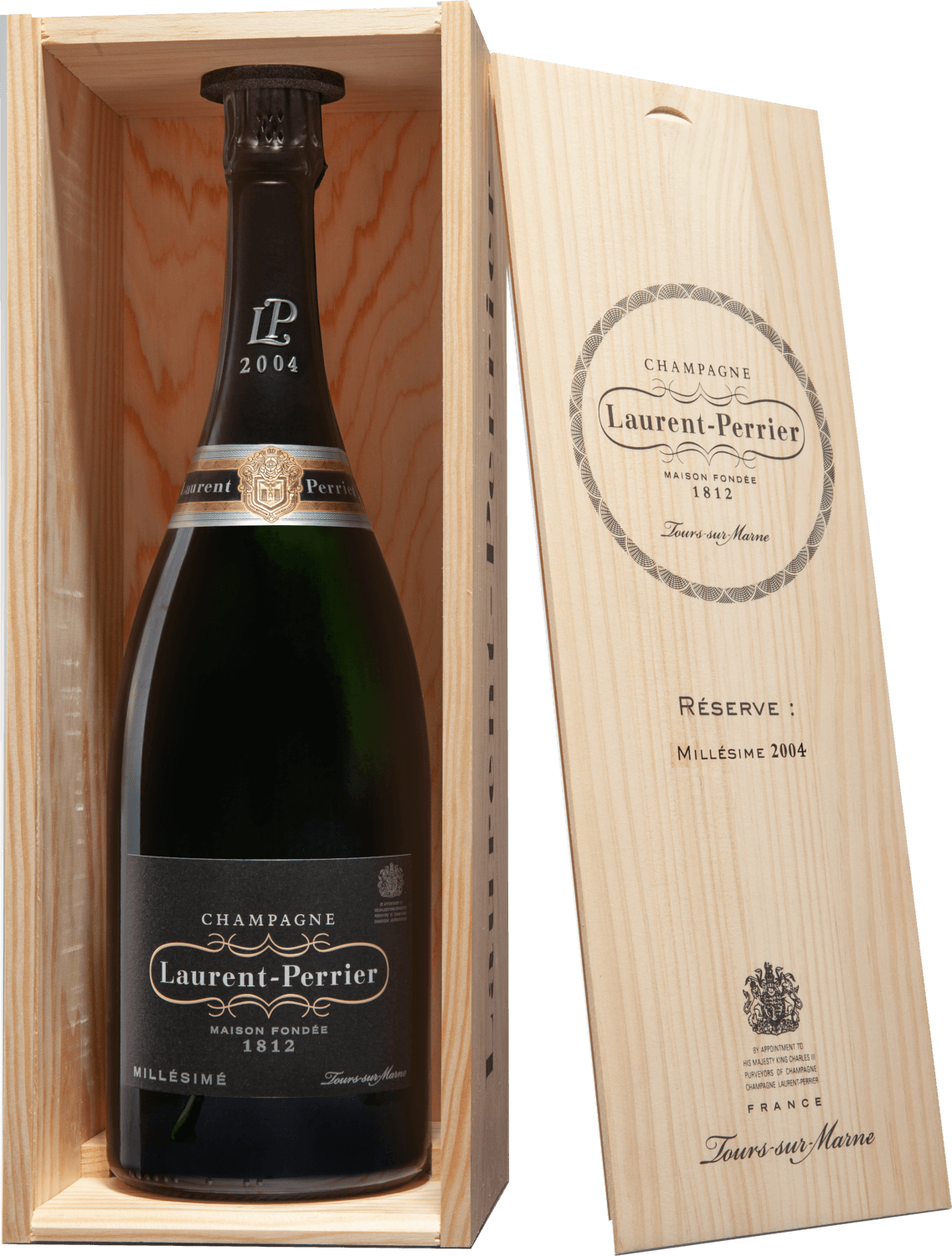
These formats cater to specific contexts: a tasting, receptions, catering, or adapting to the number of guests. For a wedding, for instance, one might order various types of cases to ensure every glass of champagne is served perfectly.
Why Has Champagne Retained the Six-Bottle Case?
Weight and Safety
A champagne bottle is heavier than a still wine bottle (like a pinot noir or other still wines) because of the thick glass and high pressure (around 6 bars). A six-bottle case already approaches 9 kg. Doubling this quantity of sparkling liquid would create handling and safety issues.
Better Wine Protection
Champagne is a wine under pressure.
Limiting the number of bottles per case allows:
- – reduced mechanical stress,
- – less breakage,
- – safer cellar storage and transport.
An Ancient Tradition
As early as the 19th century, producers established a common standard: thick bottles, six-bottle cases, and an organization designed for export. This model has remained unchanged for over 200 years. It’s a tradition that just works.
Logistics and Storage
The six-bottle case enables stable stacking and smooth handling in modern logistics chains. It also limits excessive shipping costs linked to weight, keeping the price of delivery reasonable. Even after many days in transit, the bottles arrive secure.
Usage Adapted to Champagne Consumption
Champagne is often enjoyed in a glass of champagne for aperitifs or during festive meals. A six-bottle case allows serving a group easily without unnecessary surplus, whether it is a brut champagne, rosé champagne, or a prestige cuvée
Commercial and Export Standards
International flows rely on a clear unit: 1 case = 6 bottles. Changing this standard would complicate product management and global distribution channels.
In Summary
- – A case of champagne contains 6 bottles of 75 cl
- – Totaling 4.5 liters
- – This format is unique to Champagne
- – It is explained by weight, safety, tradition, and logistics
- – Other formats exist, but the six-bottle case remains the reference
Whether for a Blanc de Blancs, a rosé champagne, or a vintage brut, the six-bottle case remains the most coherent format for serving, storing, and enjoying sparkling excellence. Many bottles are produced each year, but the quality in every bottle is what offers the true experience.