The champagne glass is inseparable from moments of exception. A symbol of celebration and refinement, this sparkling wine is savored as much for its taste as for the artistry of the gesture. In the world of Maison Laurent-Perrier, every detail matters: choosing the right bottle of champagne, the ideal temperature… and even the way you hold a glass.
Knowing how to hold your champagne glass correctly contributes to the distinction of the service and ensures the quality of the delicate aromas.
Why is the way you hold a glass important?
Holding a champagne glass correctly is not merely a matter of etiquette. It also meets technical imperatives. A mastered way to hold the glass of wine allows you to:
- – Preserve the wine’s freshness by avoiding direct contact with the palm.
- – Prevent the hand from warming the champagne through the glass.
- – Avoid leaving marks or fingerprints on the wide bowl, which would affect the aesthetics of the color.
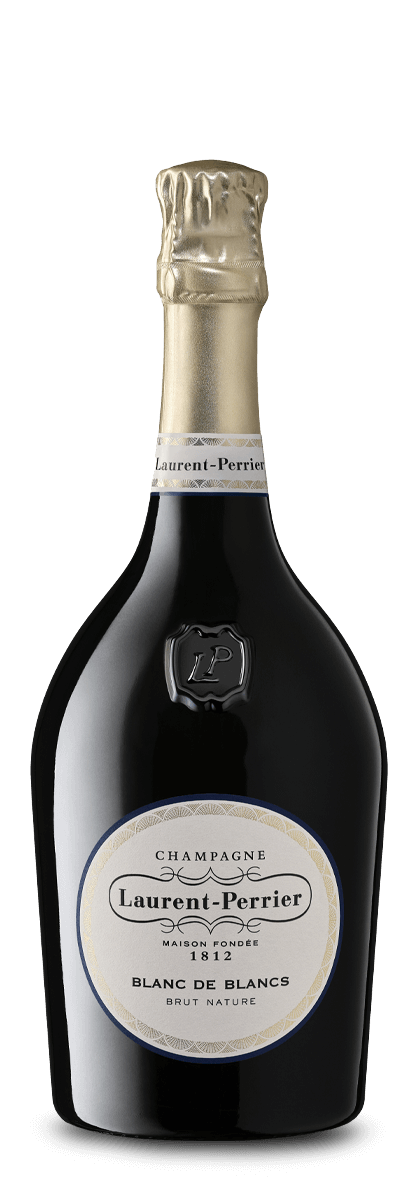
- – Highlight the finesse of the bubbles and the clarity of Blanc de Blancs.
Whether you’re at a wedding or a gala, the ideal gesture allows the champagne to breathe while staying at just the right temperature.
The ideal gesture for a refined tasting
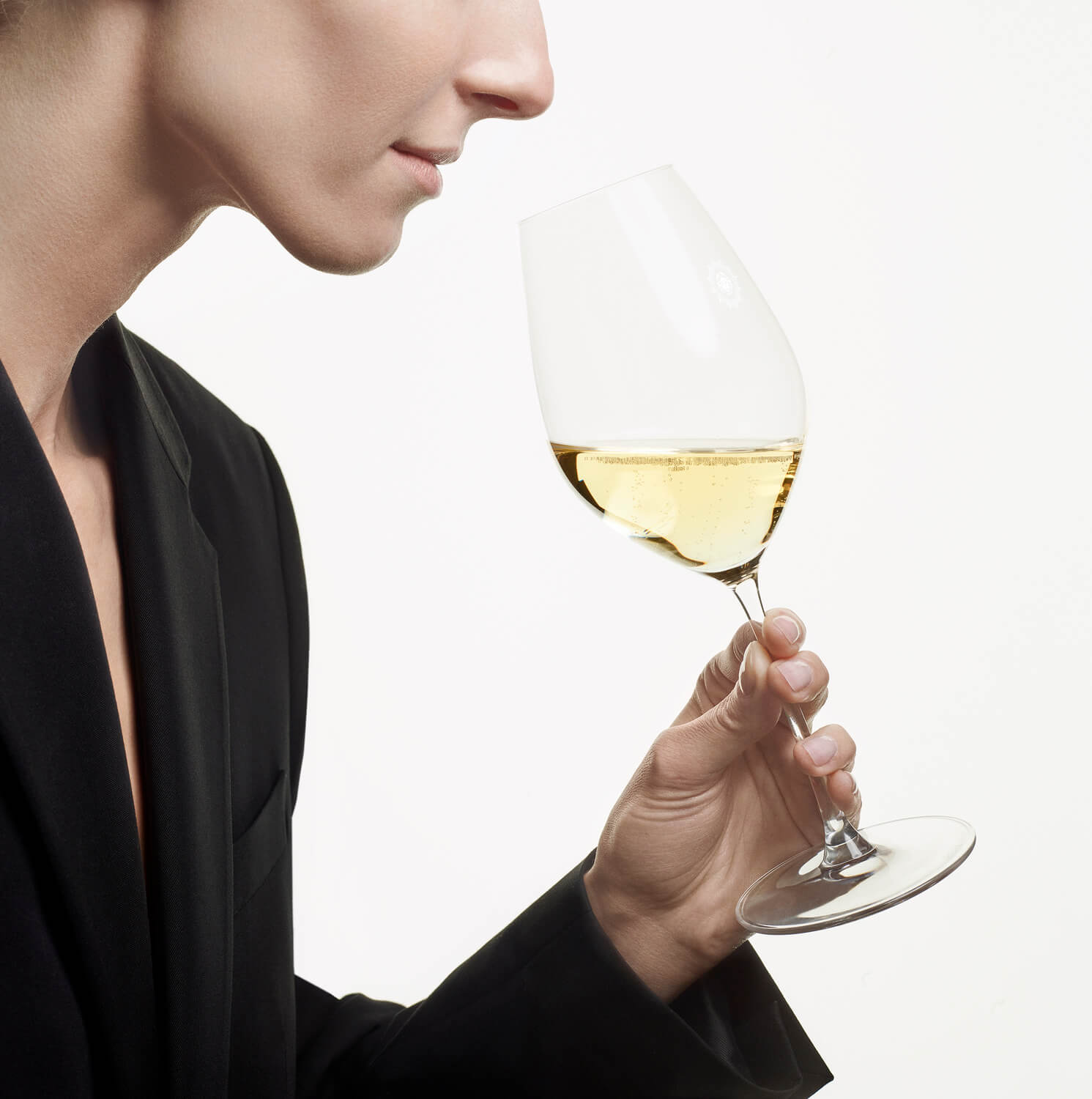
Hold the glass by the stem or base
The fundamental rule is as follows: a champagne flute or champagne coupe should always be held by the stem (the thin part) or by the base (the circular foot), never by holding the bowl.
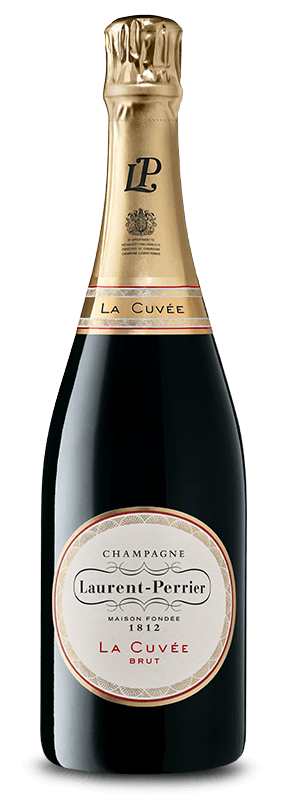
By avoiding wrapping your hand around the glass of champagne, you protect the aromatic balance, particularly precious for cuvées like Laurent-Perrier La Cuvée.
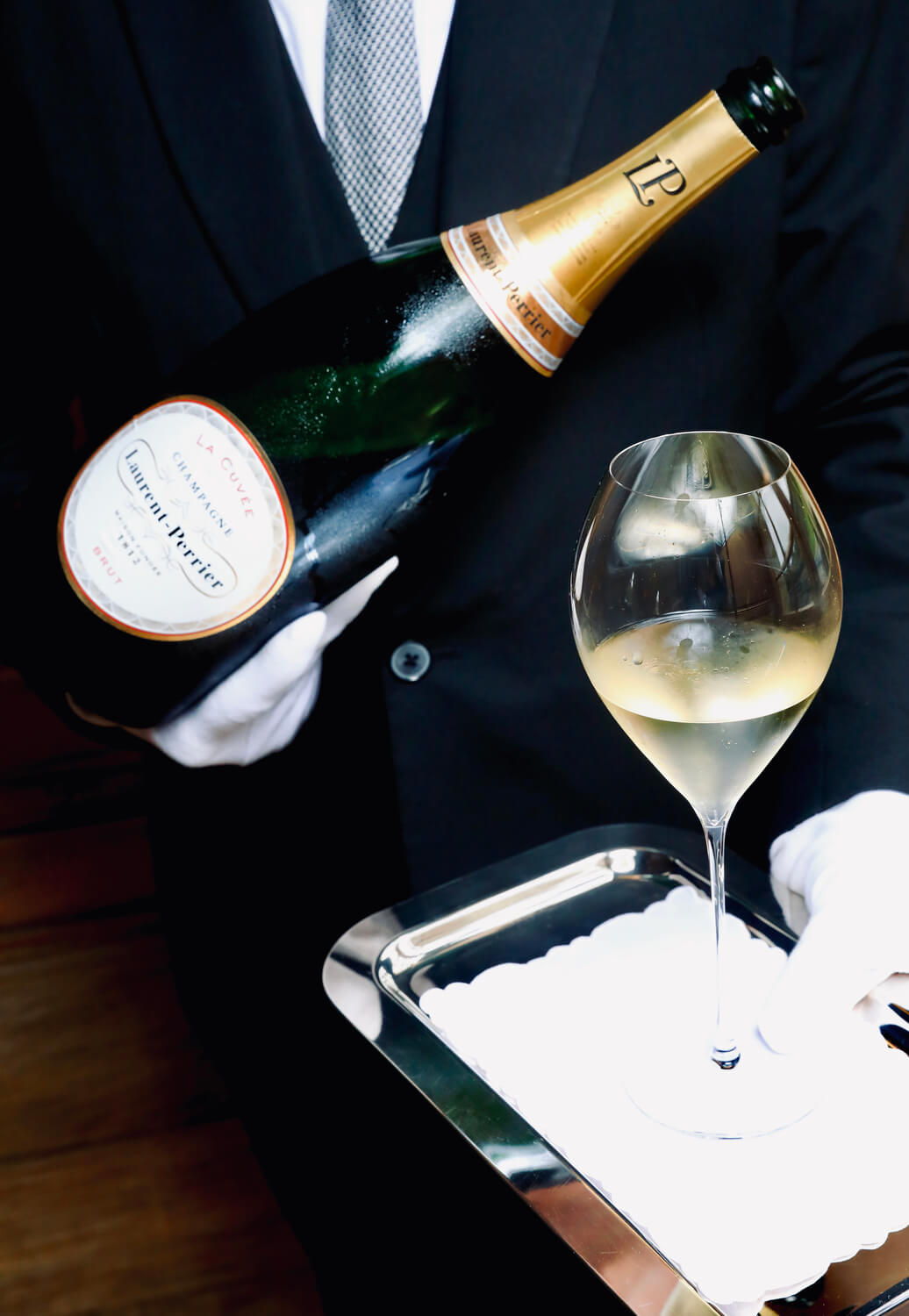
A delicate grip between two or three fingers
To keep the gesture natural, pinch the stem between your thumb and first finger (index), with the middle finger providing light support. This etiquette for holding the glass adds a touch of grace to the motion and ensures perfect stability during a cocktail or reception.
Keep the glass upright
Unlike how you might hold a wine glass for red wine, which is sometimes swirled to appreciate the aromas, champagne should remain stable. Excessive tilting or swirling can accelerate the loss of effervescence.
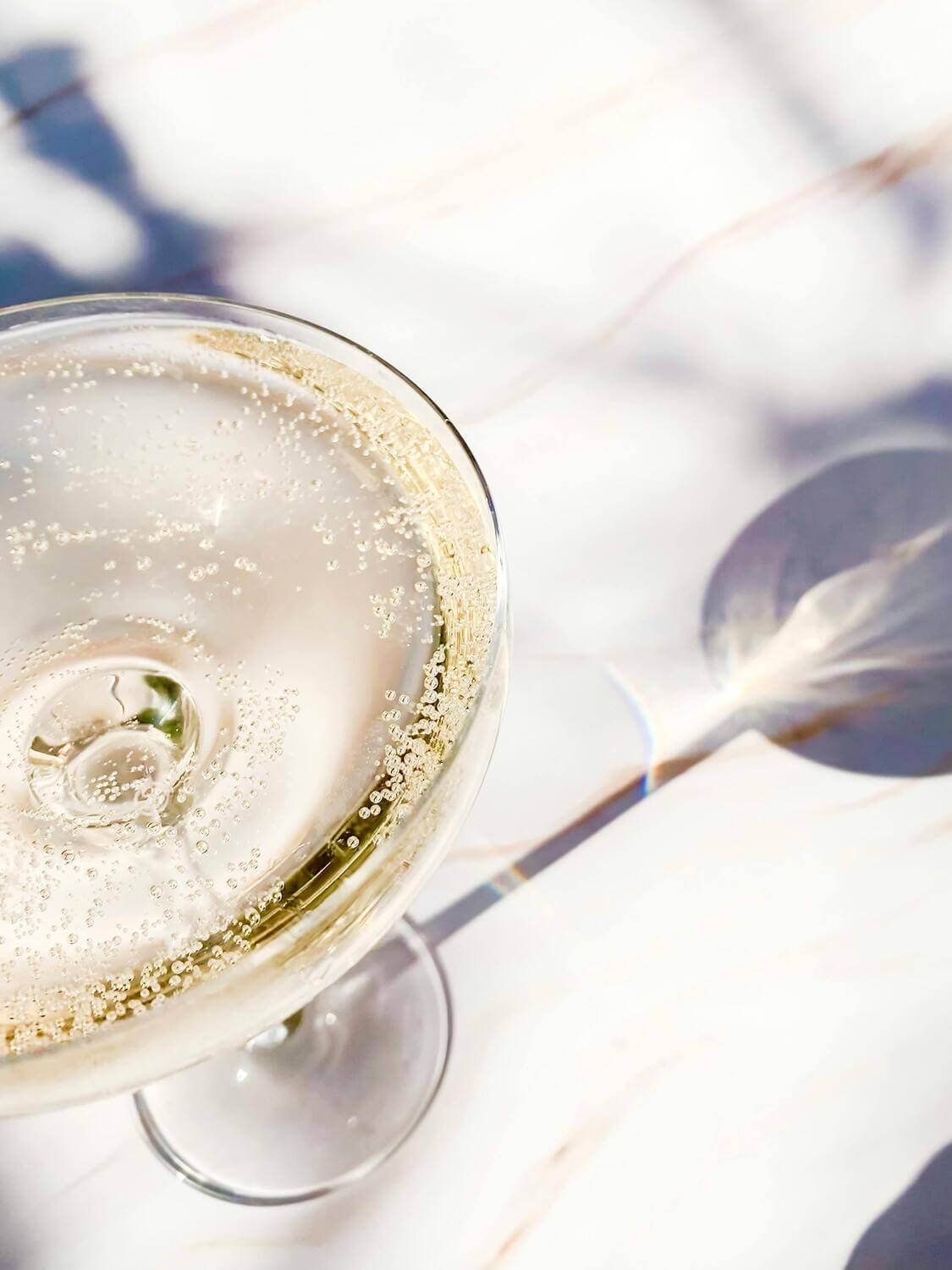
Coupe, flute, or tulip glass: the differences
- – The classic champagne coupe: Evokes the historical aesthetics of Belle Époque celebrations. Although elegant, its wide bowl disperses aromas more quickly.
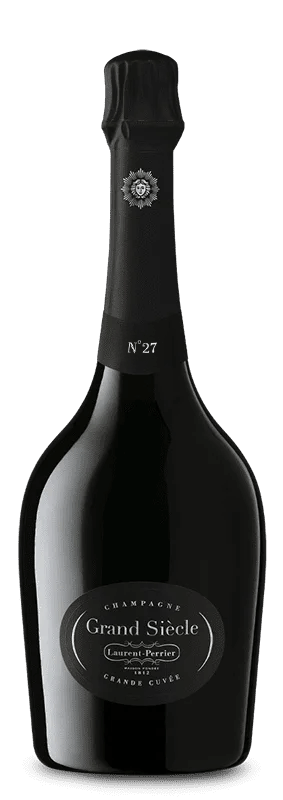
- – The tulip glass: The preferred vessel for prestige cuvées such as Grand Siècle. Its shape concentrates flavors while allowing the bubbles to rise beautifully.
Whatever the type of glass used, the rule remains immutable: manual contact is limited to the stem or foot.
Elegance during a toast
- Raising a toast is a symbolic moment. To know how to remain distinguished:
- – Raise your glass of champagne gently to eye level.
- – Avoid clinking the glasses forcefully.
- – A simple inclination toward your guests is often more refined than direct glass contact.
Mistakes to avoid for a perfect service
- To shine in society and respect the wine, avoid these errors:
- – Wrapping your hand around the bowl (which will result in warming the champagne).
- – Holding the coupe by the rim.
- – Swirling the wine as if it were a still glass of wine.
- – Filling the glasses to the brim.
Conclusion:
the art of the gesture according to Laurent-Perrier
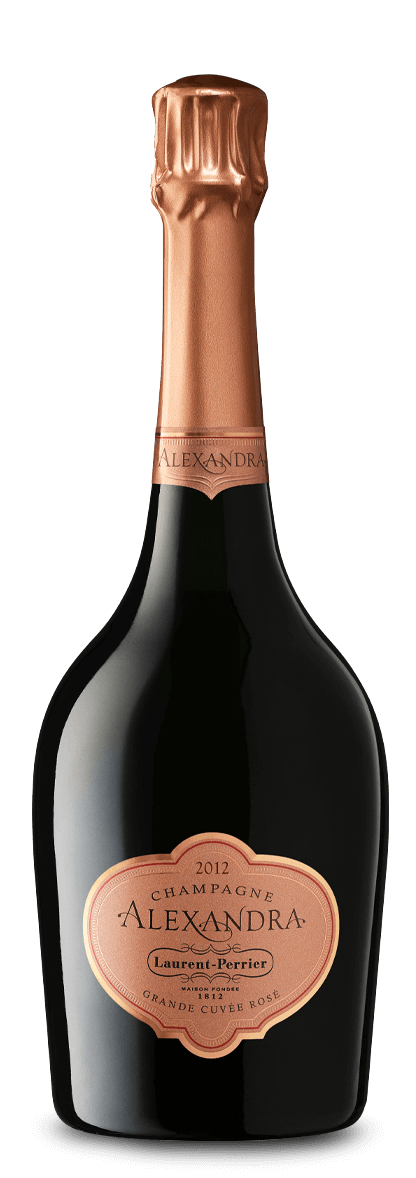
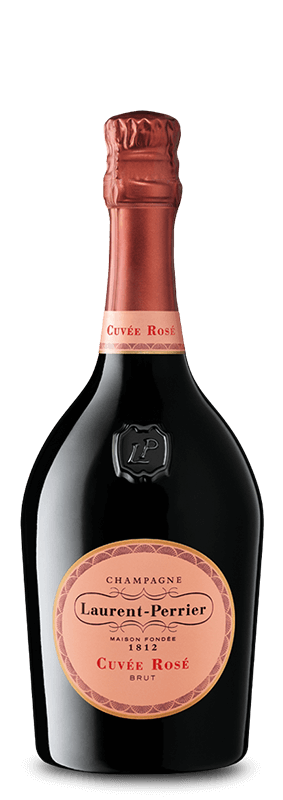
At Laurent-Perrier, every cuvée expresses a pursuit of purity. Holding a champagne glass with distinction extends this requirement to the very moment of sharing. Whether you’re enjoying the freshness of La Cuvée or the fruity icon that is the Cuvée Rosé, the right gesture elevates the experience.
FAQ
How should a champagne glass be held correctly? Always hold a champagne glass by the stem or circular base (foot) to avoid altering the wine’s temperature. This is the standard way to hold a wine of this prestige.
Why avoid holding the bowl? To prevent unsightly fingerprints and to preserve the freshness essential to the bubbles. Holding the bowl is the main cause of warming the champagne too quickly.
Which glass is best suited for tasting? The tulip glass is now preferred over the classic champagne coupe for its ability to better retain complex and delicate aromas.