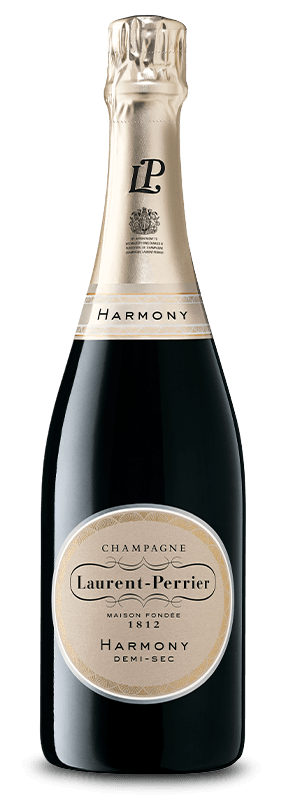
The question “How is Champagne made?” touches on one of the most demanding secrets of winemaking around the world.
Champagne is a unique sparkling wine, produced exclusively within the Champagne appellation, using specific grape varieties and a production process perfected over centuries.
A Strictly Defined Appellation
Champagne is a protected designation (AOC).
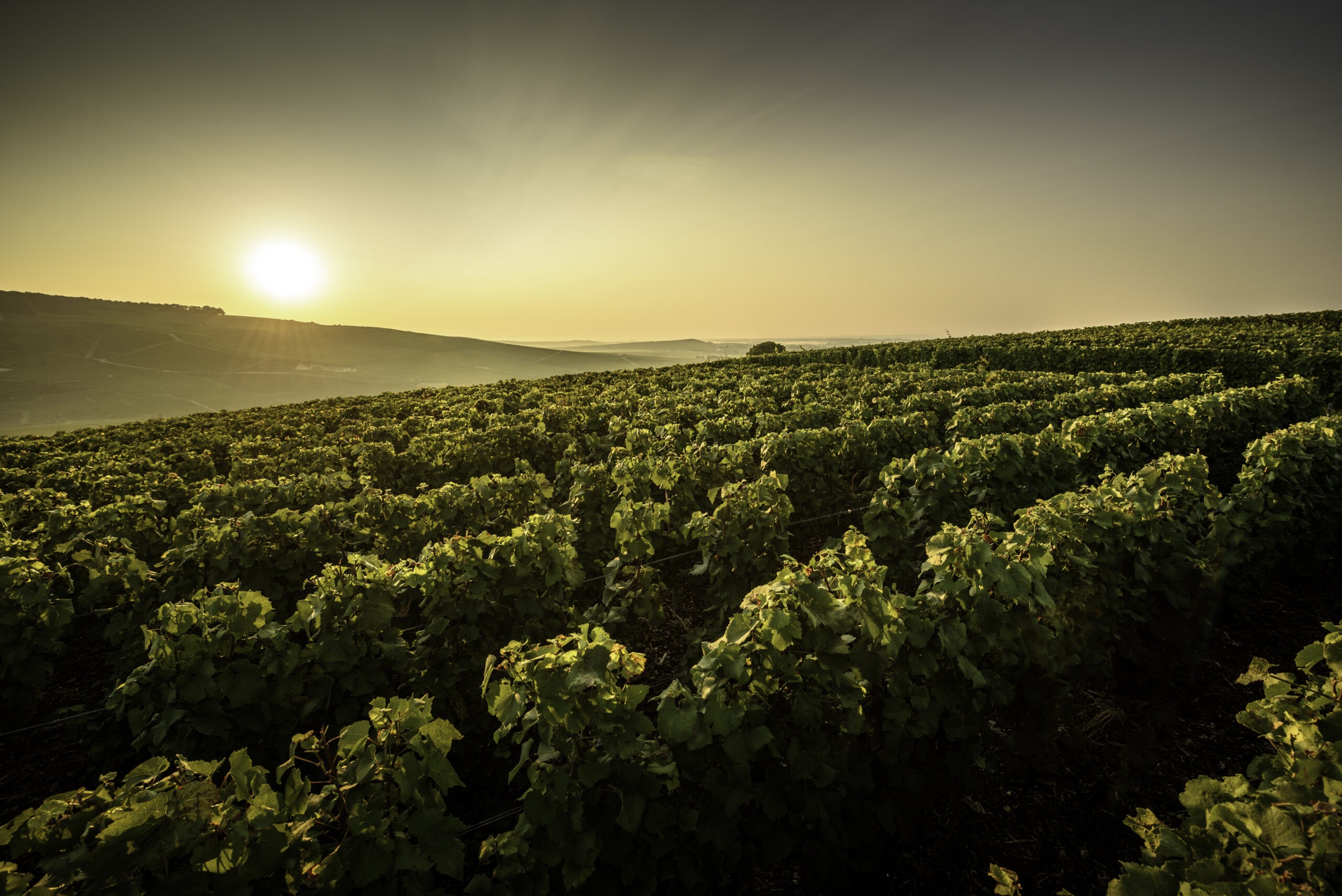
It can only be produced in northeastern France, across a region comprising 319 villages, including 17 Grands Crus and 44 Premiers Crus. This geographical rigor is what ensures the quality and prestige of the wines.
Authorized Grape Varieties
The process of making this wine relies on three main varieties:
- – Chardonnay: a white grape that brings finesse, freshness, and elegance.
- – Pinot Noir: a black grape providing structure and depth.
- – Meunier: known for its fruitiness and suppleness.
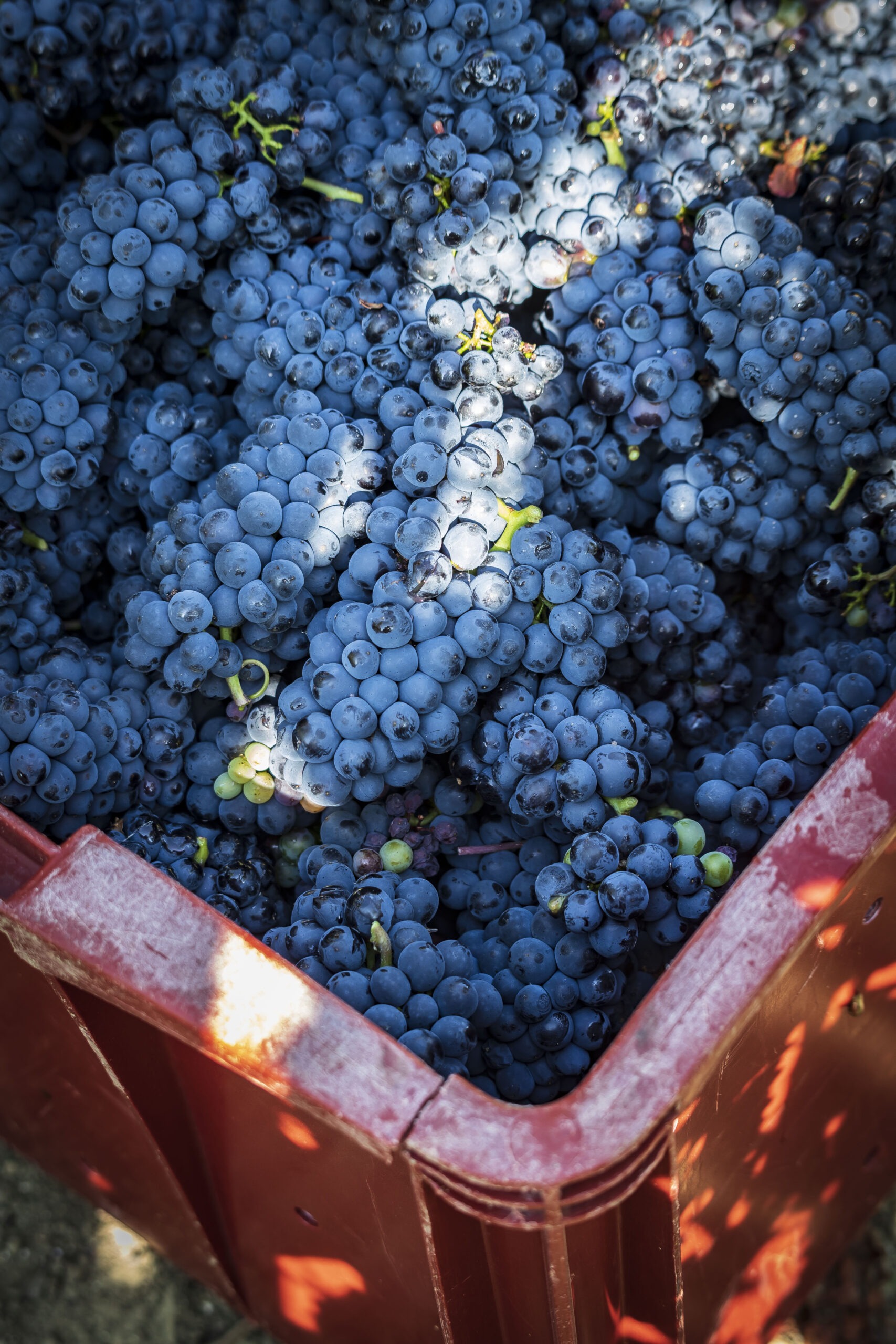
Other historic varieties (Pinot Blanc, Arbane) are used in champagne marginally. Together, they create the base wine that defines each champagne house style.
The Champagne Production Process: Step by Step
The champagne production method, also known as the méthode traditionnelle or méthode champenoise, follows a step-by-step discipline.
1. From Harvest to First Fermentation
The process begins with a manual harvest. After a gentle press to extract the juice (or must), the first fermentation takes place. This converts the fruit sugars into alcohol, resulting in a still wine.
2. The Art of the Blend
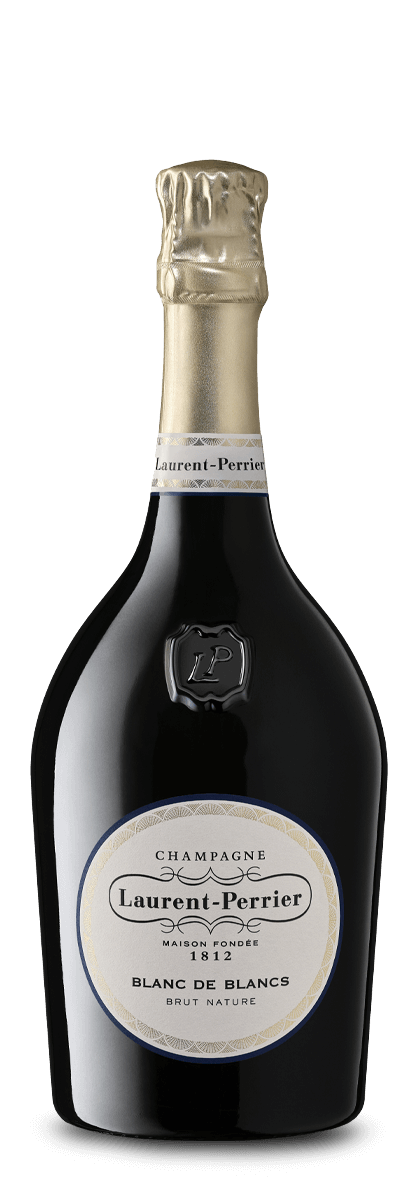
The champagne house then performs the assemblage. This is where they blend different still wines and reserve wine to maintain a consistent style from year to year. For a Blanc de Blancs, only Chardonnay is used.
3. Tirage and Second Fermentation
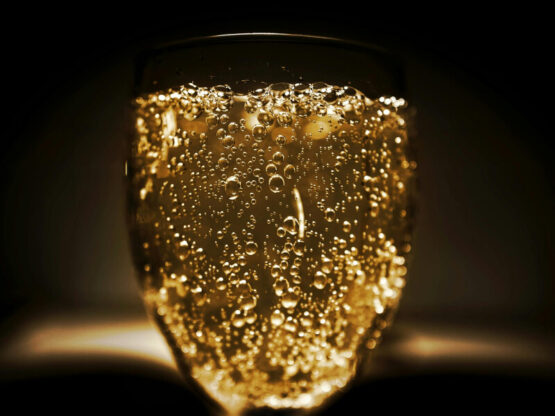
Once the blend is ready, a small amount of yeast and sugar (the liqueur de tirage) is added. The wine is bottled and sealed with a bottle cap (or crown cap). Inside the bottle, the second fermentation starts, where the yeast consumes the sugar to create alcohol and carbon dioxide. This carbon dioxide trapped inside the bottle is what creates the bubbles.
4. Aging on Lees and Autolysis
The bottles are placed in cool cellars for a minimum of 15 months for non-vintage and 3 years for vintage champagne. During this ageing, yeast cells die and form a sediment called lees. The breakdown of these dead yeast cells (autolysis) adds notes of brioche and hazelnut to the wine.
5. Riddling and Disgorgement
The bottles are placed on racks for a process known as riddling. The sediment is moved toward the neck of the champagne bottle. During disgorgement, the neck is frozen, and the dead yeast plug is removed under pressure.
6. Dosage and Final Corking
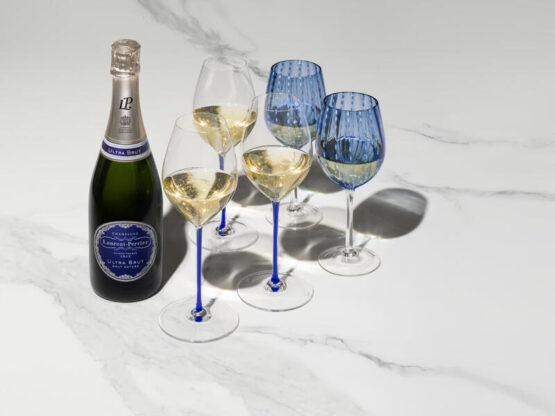
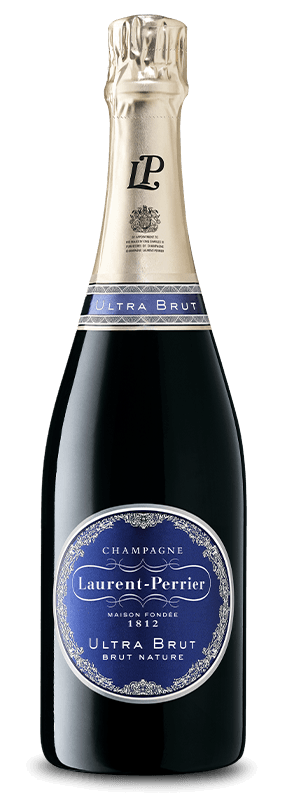
A liqueur d’expédition (a mix of wine and sugar) is added to define the sweetness level, from Brut Nature (dry) to Demi-Sec. The final cork and wire cage are then applied.
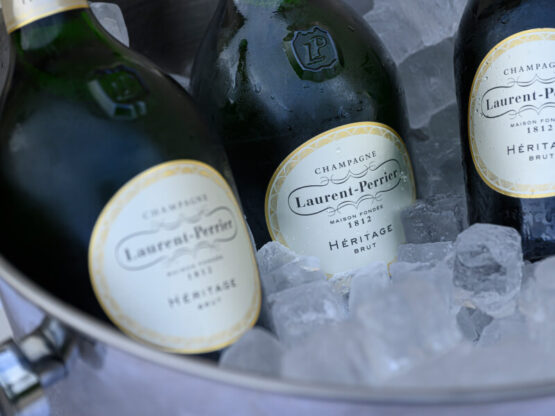
The Laurent-Perrier Style: Time as an Ally
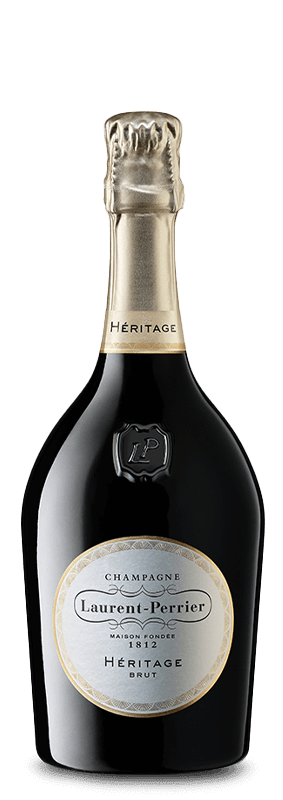
At Laurent-Perrier, the fermentation process and aging are handled with extreme patience:
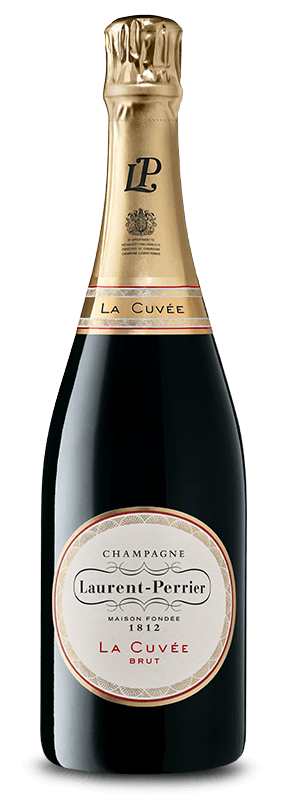
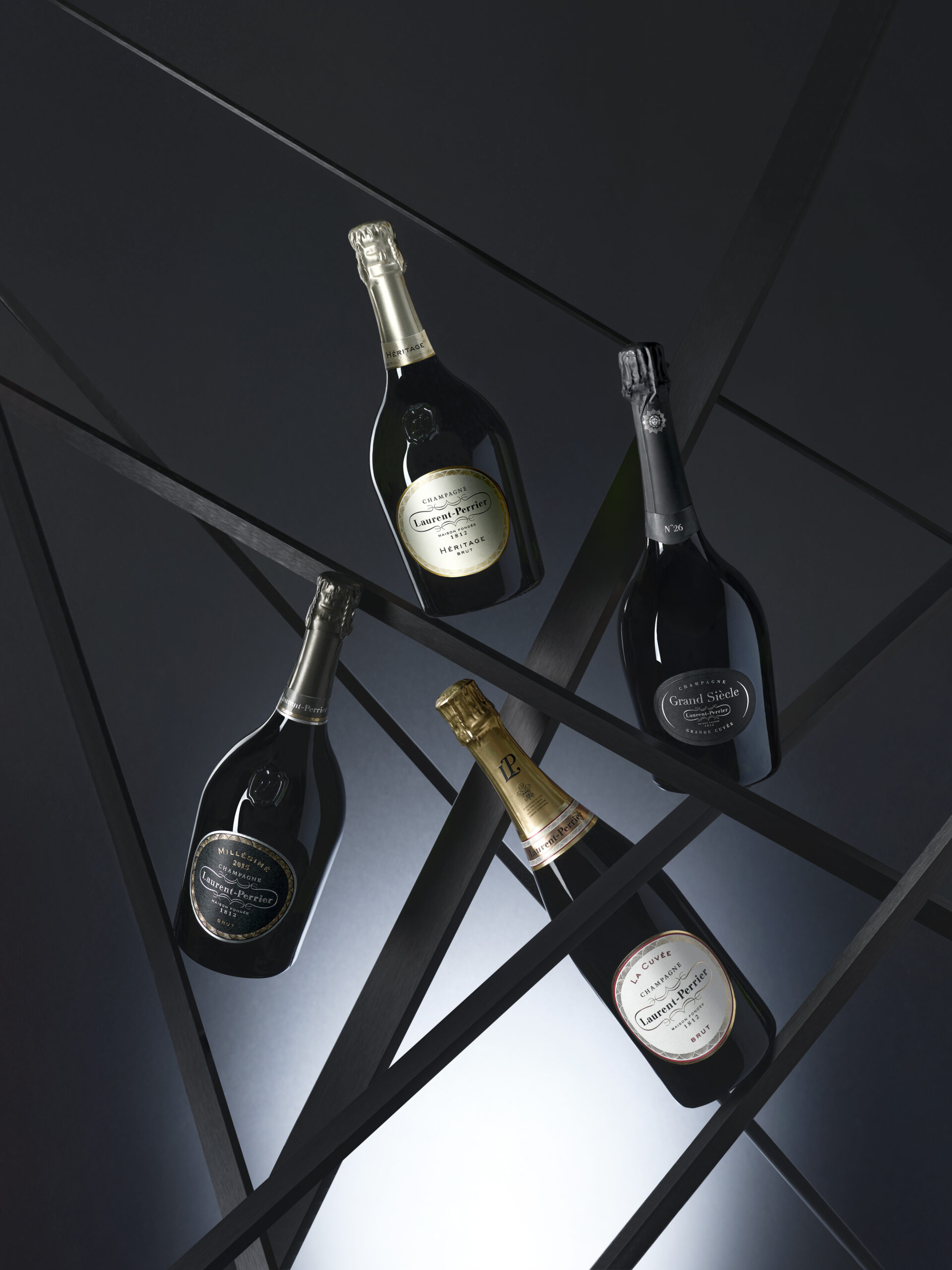
- – La Cuvée: About 4 years on lees.
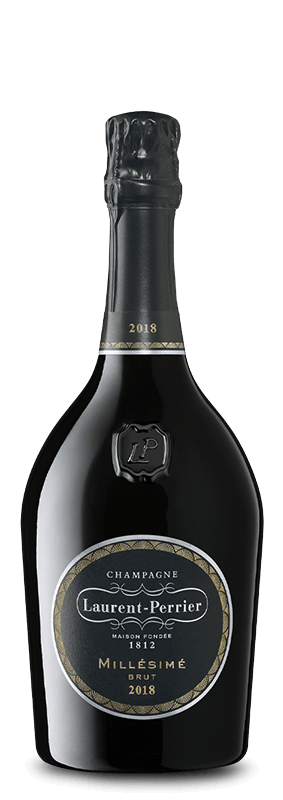
- – Vintage: At least 7 years.
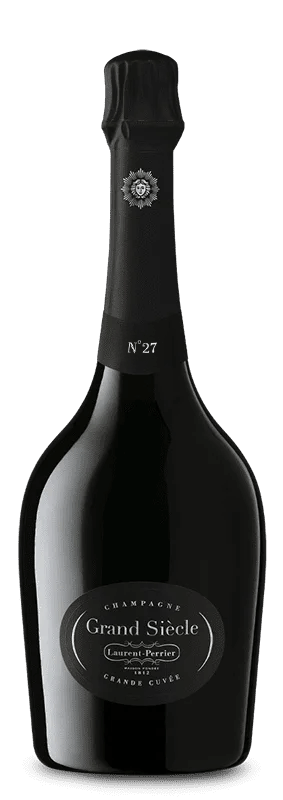
- – Grand Siècle: Up to 10 or 15 years in bottles of champagne.
This patience ensured by the champagne producers results in extreme finesse and a creamy texture that enhances the tasting experience.
In Summary
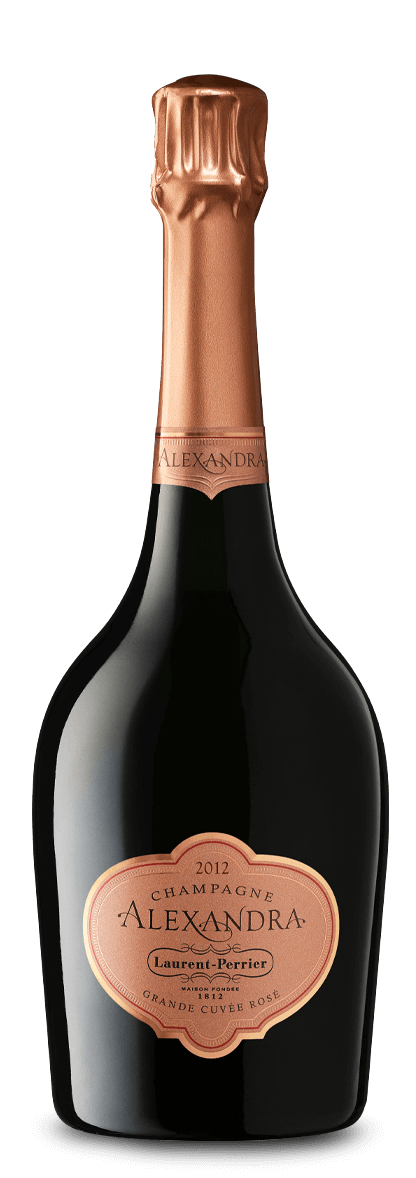
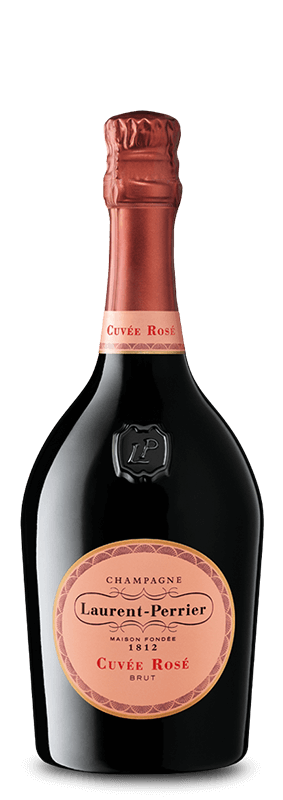
Champagne is made through a meticulous production method where every step—from the press to the disgorgement—is strictly controlled. Whether it is a Blanc de Blancs or a Rosé, the champagne will always express the excellence of its terroir through its delicate bubbles and complex aromas.