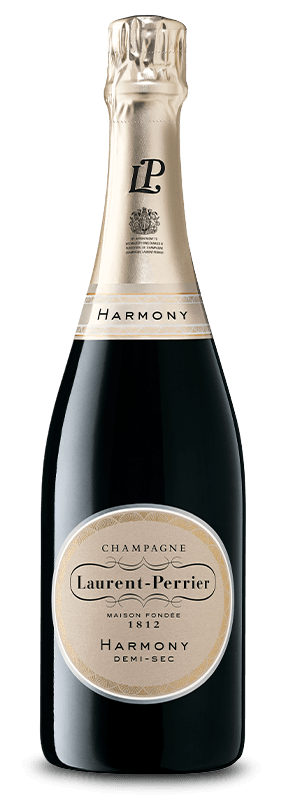
The question “how many liters are in a magnum of champagne?” is frequently asked by lovers of French wines, whether you’re choosing a bottle for a special moment, table service, or looking for perfect gift ideas. Behind this seemingly simple question lies an essential notion: champagne bottle size, and more broadly the full range of sizes of champagne used for this prestigious drink.
Champagne is a sparkling wine that stands apart through its origin and French winemaking expertise. Understanding the different sizes is the first step to a great experience.
The Volume of a Magnum of Champagne
A magnum of champagne contains 1.5 liters.
This is the equivalent of two standard champagne bottles, each with a capacity of 75 cl (or 750 ml).
Regardless of the name of the producer or the brand, a magnum refers to a strictly defined format:
- – Magnum = 1.5 liters
- – equivalent to two bottles of champagne
This volume is identical in France and in other sparkling wine–producing countries. While a single standard champagne bottle is the most popular choice, the magnum is the favorite of connoisseurs
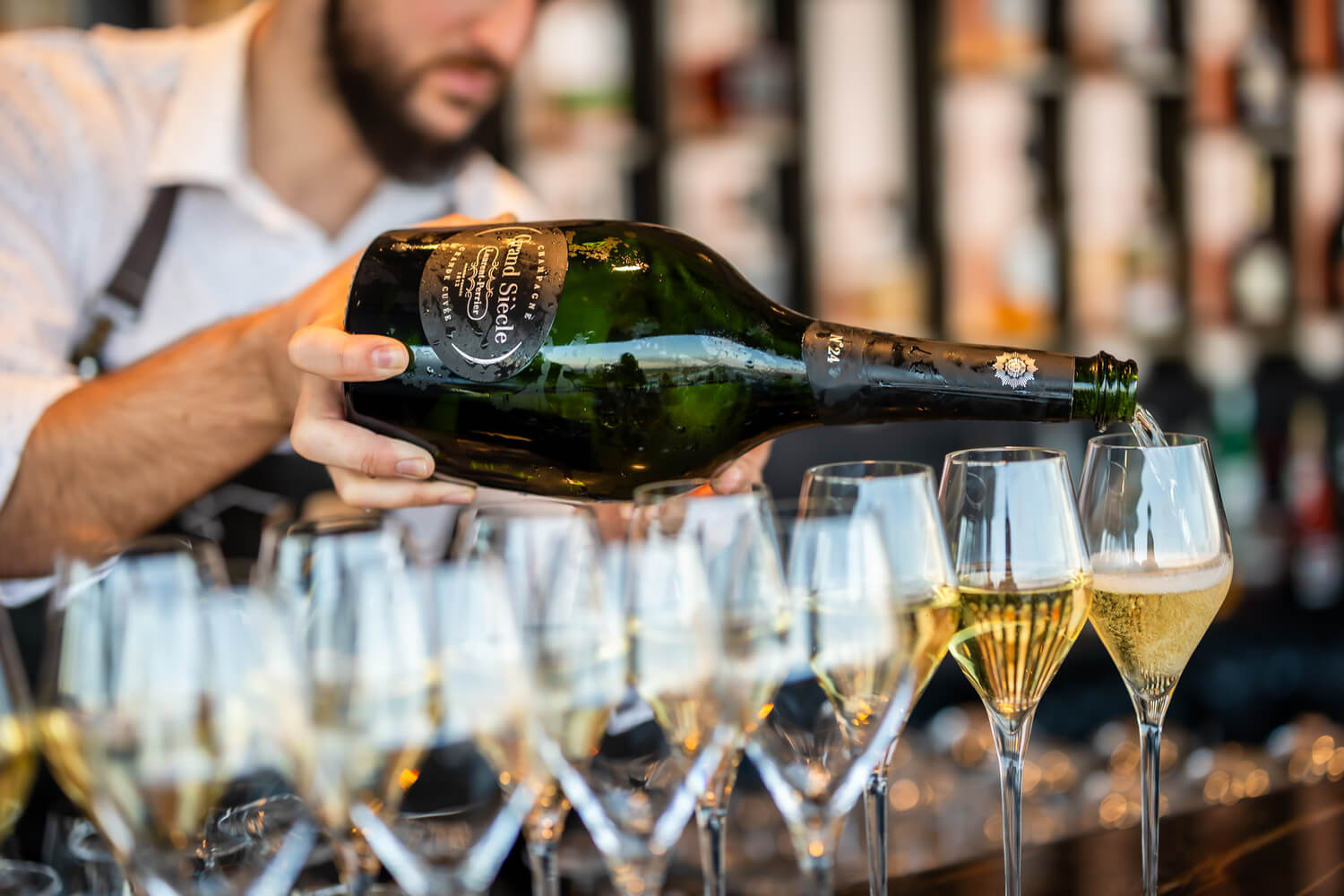
The Magnum Compared to Other Bottle Sizes
In the world of wine bottles, various sizes exist, sometimes referred to as large formats.
This guide can help you navigate the champagne bottle sizes:
- – Half Bottle: 375 ml (the small format).
- – Standard: 750 ml.
- – Magnum (1.5 L): Equivalent to two standard bottles.
- – Jeroboam (3 L): Four standard bottles.
- – Methuselah (6 L): Eight standard bottles.
- – Salmanazar (9 L): Twelve standard bottles.
- – Balthazar (12 L): Sixteen standard bottles.
- – Nebuchadnezzar (15 L): Twenty standard bottles.
- – Solomon (18 L): Equivalent to 24 standard bottles.
The largest and most rare formats, like the Sovereign or the Primat, are often reserved for weddings or a symbol of celebration. Many are named after one of the Three Wise Men or biblical kings.
Why Is the Magnum the Ideal Format for Champagne?
The magnum is considered the reference format for the aging of Champagne, well ahead of larger formats.
Slower aging and Slower Oxidation
The neck of a magnum is similar in size to that of a standard bottle, while the wine volume is greater. This results in slower oxidation because there is less oxygen per liter, providing a better aging potential for both white champagne and rosé champagne.
Oenological Benefits
The larger volume buffers temperature variations in the cellar more effectively. During the secondary fermentation, the pressure develops more evenly, leading to a finer glass of champagne. At equal age, a vintage brut aged in magnums often shows greater freshness and more precision than in standard bottles.
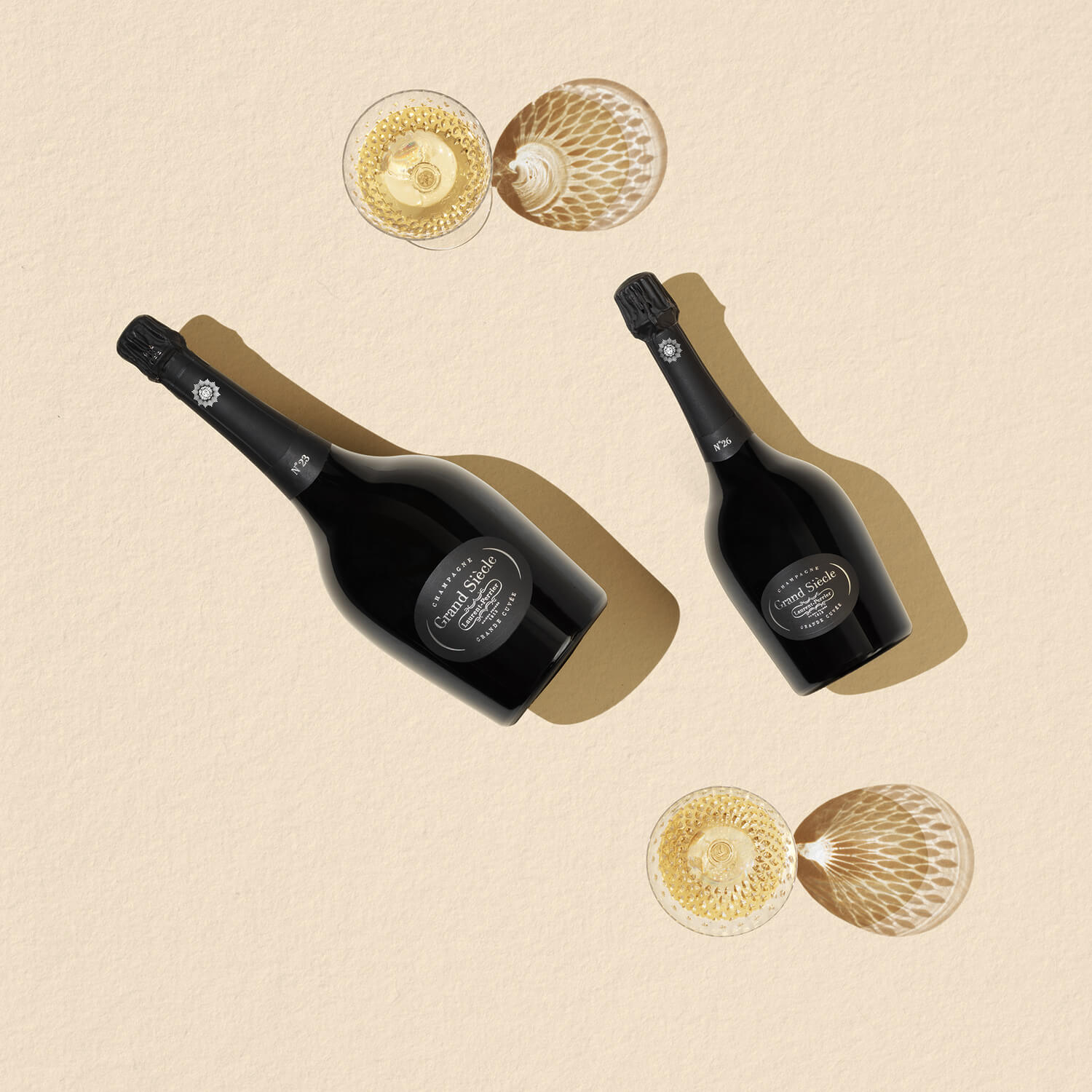
The Magnum at Laurent-Perrier
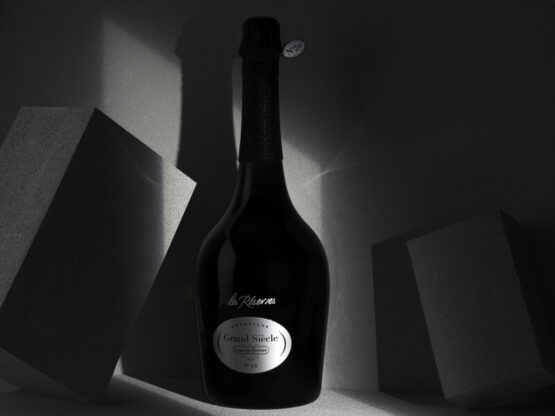
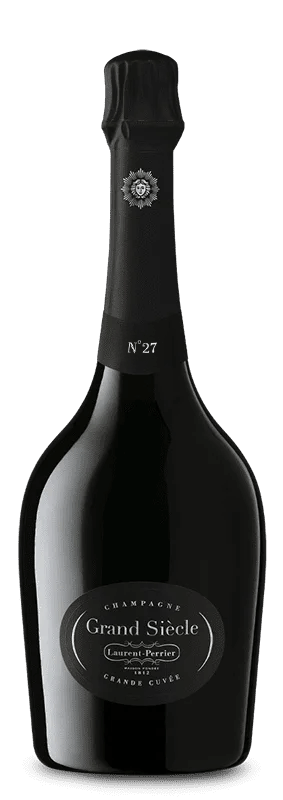
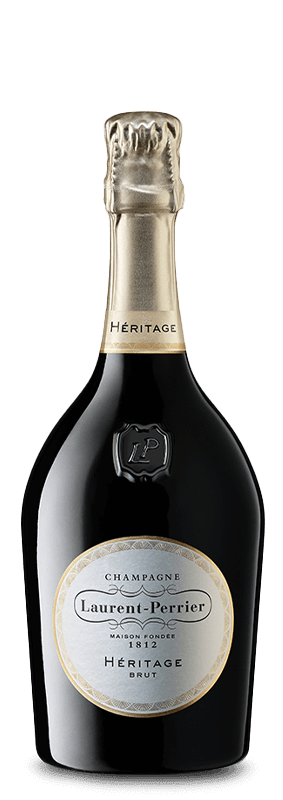
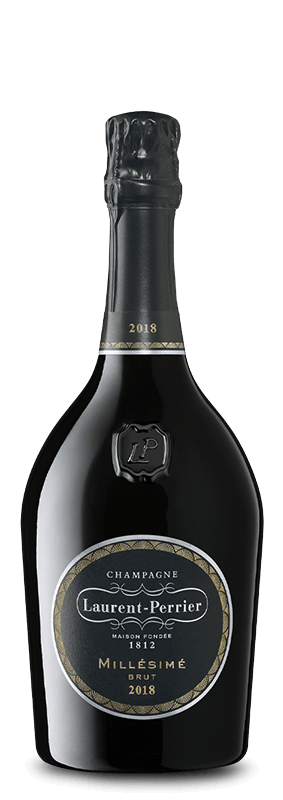
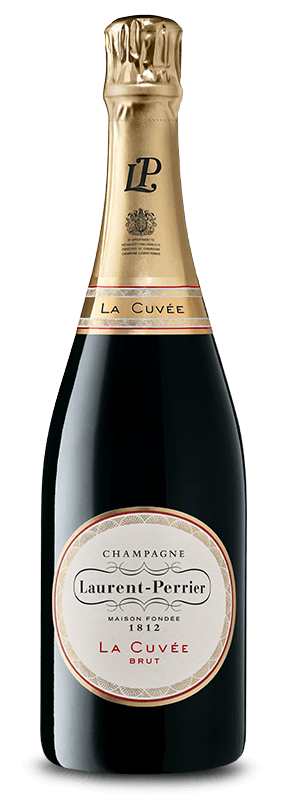
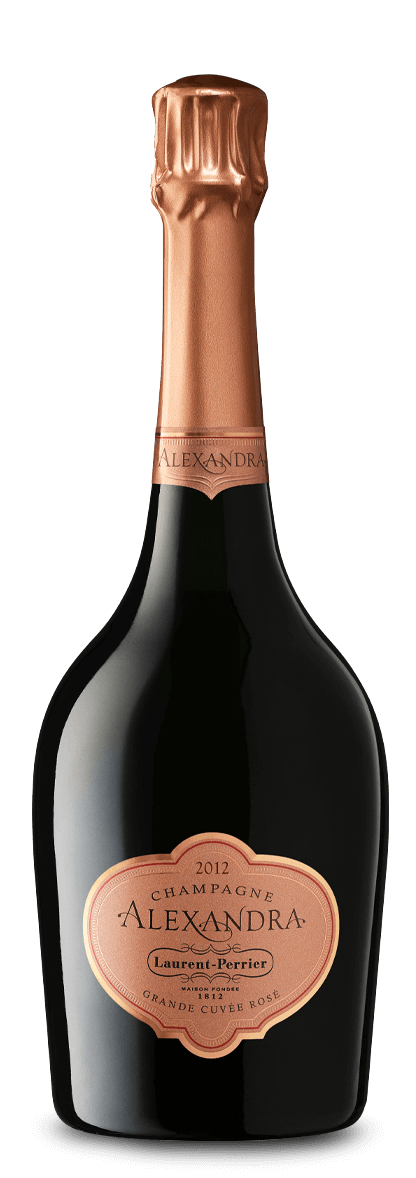
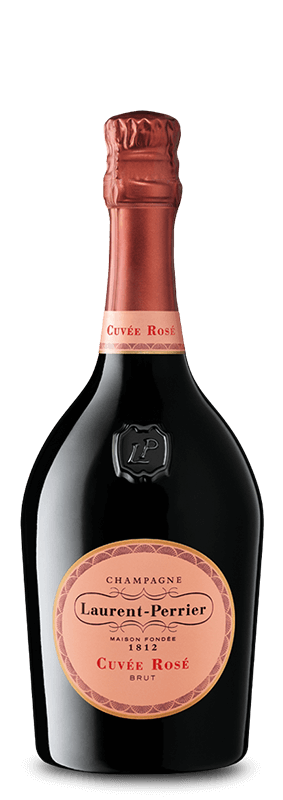
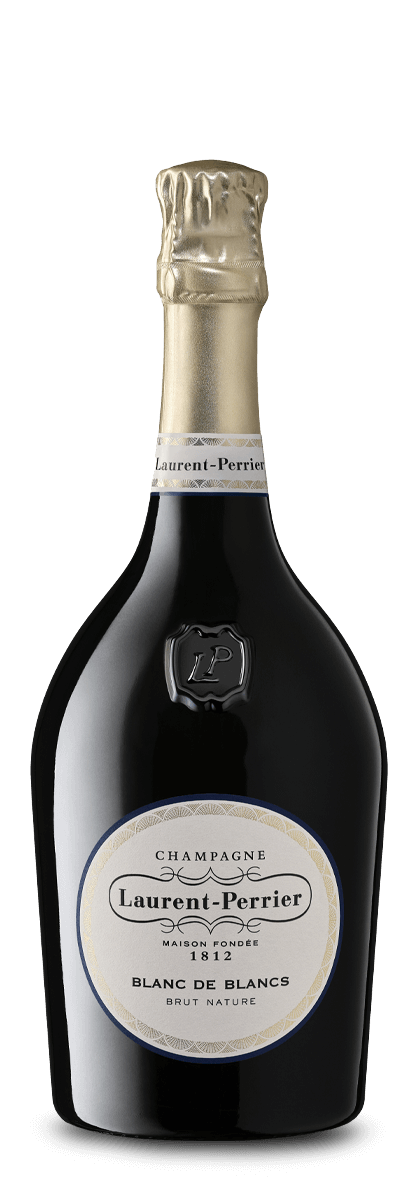
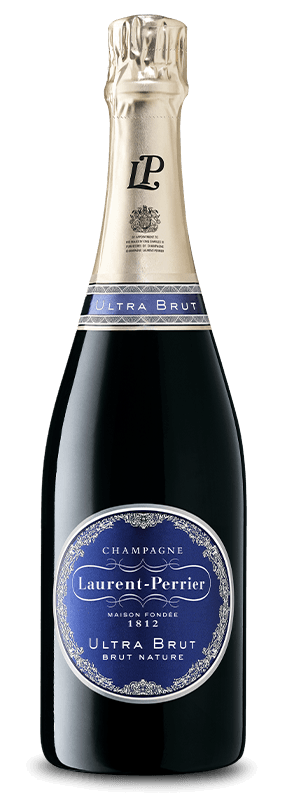
The Laurent-Perrier House offers several of its champagnes in magnum format. Whether it is a Brut Nature, a Brut Reserve, or a Cuvée from Grand Cru or Premier Cru vineyards, these larger formats benefit from extended cellar aging.
This choice reflects a qualitative approach, especially for a Blanc de Blancs, a Pinot Noir blend, or a Blanc de Noirs. It also meets the number of guests’ expectations for special events, as a magnum makes it easier to serve several glasses of champagne.
This choice reflects a qualitative approach, but also a customer expectation during large meals or events, as a magnum makes it easier to serve several guests.
Magnum and Table Service
A magnum represents:
- – an ideal capacity for 10 to 12 glasses,
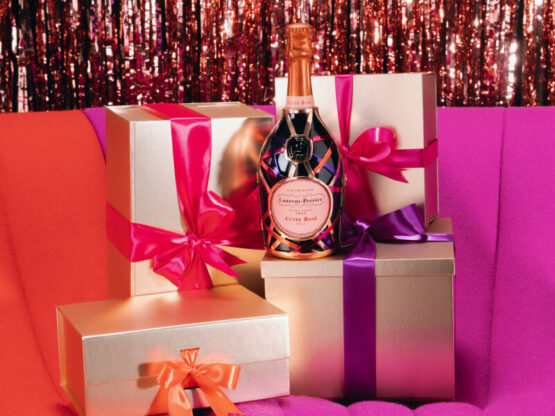
- – An elegant presentation for gift ideas.
- – A perfect format available in gift boxes for online sales.
In other wine regions like Bordeaux or Burgundy, a Jeroboam holds 5 liters, while in Champagne it is 3 liters. These distinctions apply to red wines, white wines, and rosé wines alike.
In Summary
- – A magnum contains 1.5 liters (1500 ml).
- – It is equivalent to two standard bottles.
- – It offers the best balance for preserving the champagne quality.
- – Beyond the magnum, formats like the Methuselah or the Balthazar are primarily spectacular.
Whether you are looking for the best champagne for a gift or a prestigious vintage for a dinner, the magnum remains the absolute reference for any wine lover.