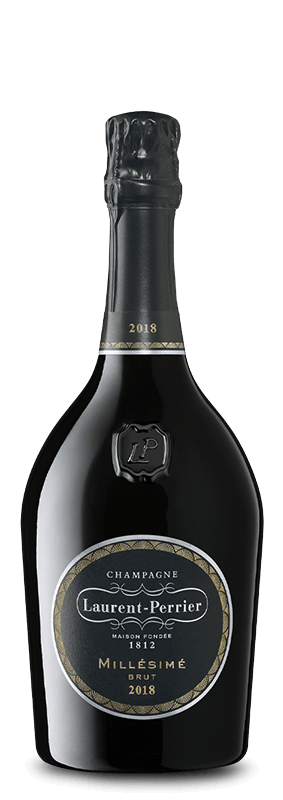
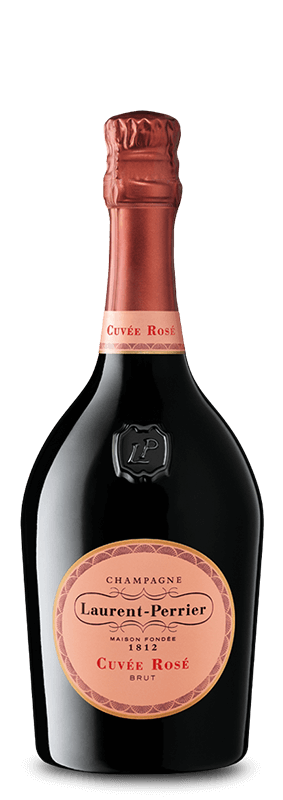
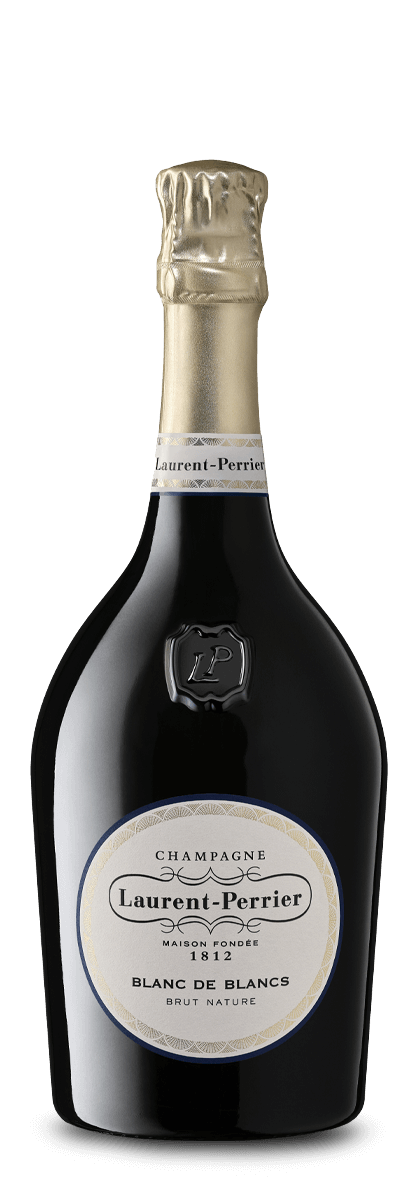
Opening a bottle of Champagne is far more than a simple gesture: it is a ritual. In the world of sparkling wine, every detail counts — temperature, precision, and the delicacy of the movement.
Contrary to popular belief, an exceptional wine should not be opened with a sudden or loud pop. The ideal way to open a bottle is silent, controlled, and elegant: it reflects respect for the product and the art of hosting. Here are the essential steps to execute this moment with accuracy, safety, and refinement.
Why Should You Open a Champagne Bottle Carefully?
Champagne is a naturally sparkling wine under pressure. Each bottle of sparkling nectar contains several bars of carbon dioxide, which explains the potential force of the cork. An improperly executed way to open it can result in:
- – Significant loss of wine and foam.
- – A risk to people nearby.
- – A compromise of the finesse of the bubbles.
When you open champagne correctly, you preserve the aromatic integrity and ensure safety for everyone.
The Classic Method: How to Open a Bottle Without Popping the Cork
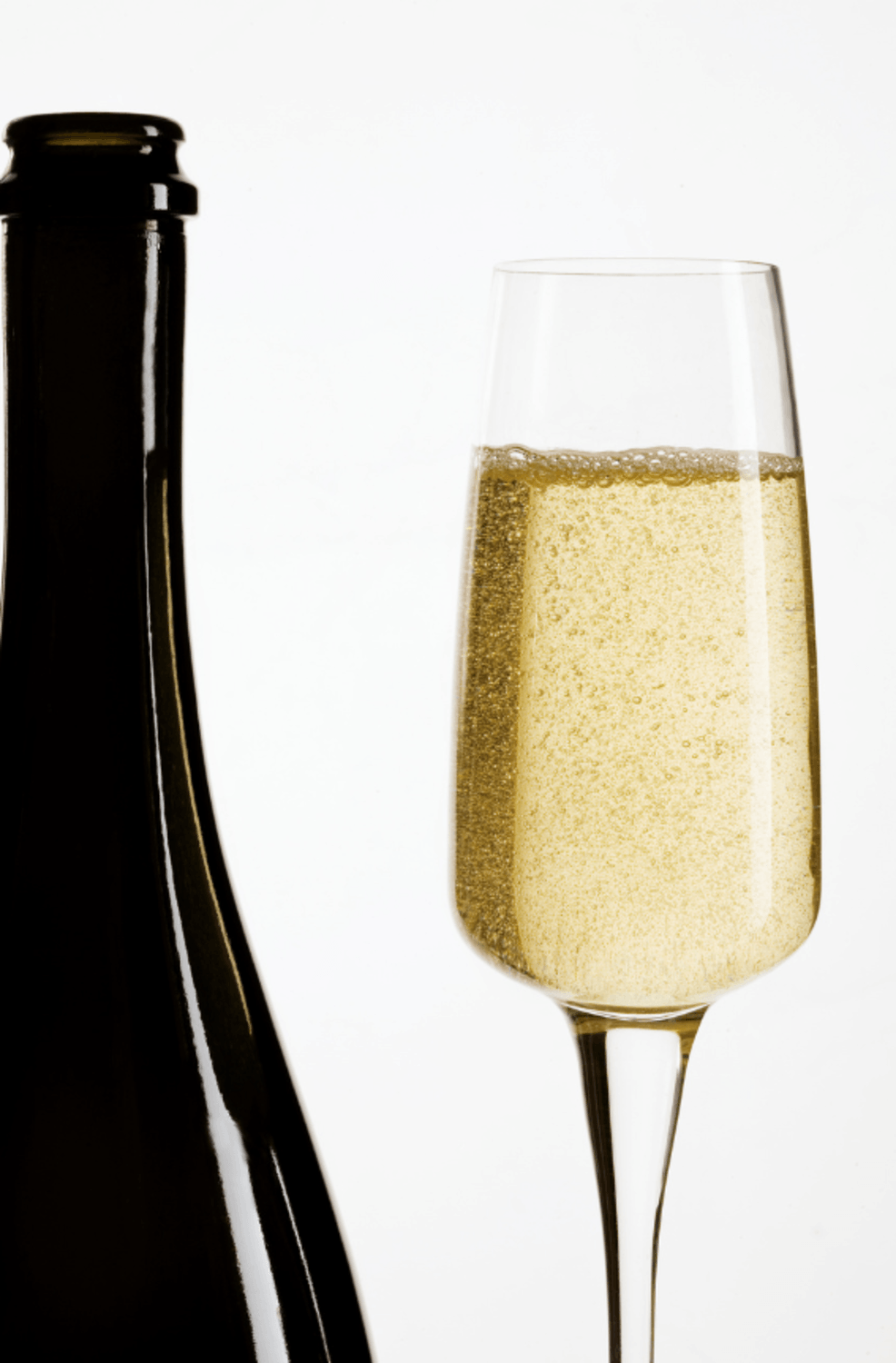
The traditional method, preferred in prestigious houses and haute cuisine, consists of letting the cork emerge slowly, with a gentle sigh. The sound sought is a discreet “pshitt,” never a loud “pop.”
1. Chill the Liquid Properly
Before you open a champagne bottle, the wine must be at the correct temperature.
Ideal temperature: 6 to 8°C.
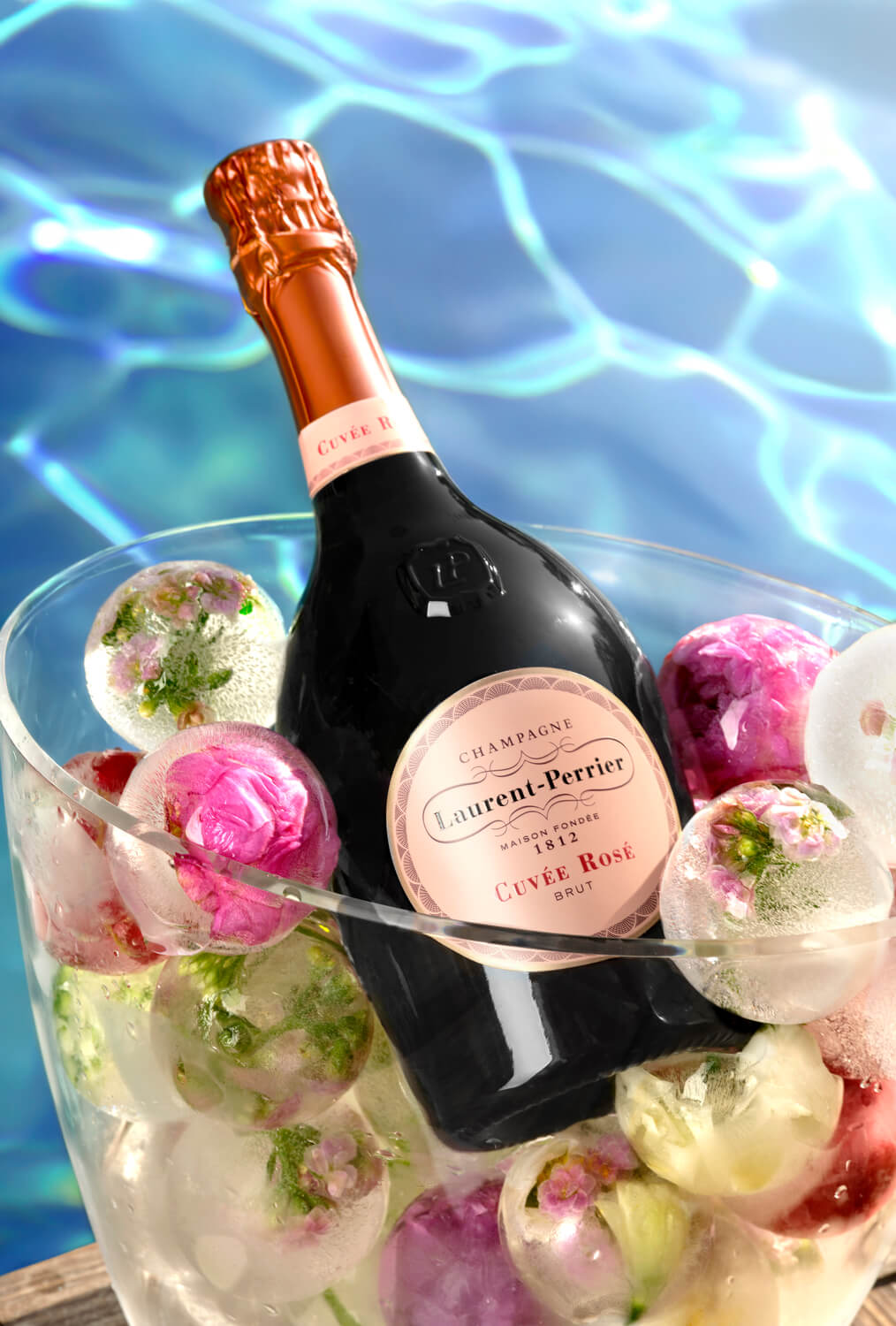
Laurent-Perrier advice: Place the bottle in the refrigerator for several hours or about 20 minutes in an ice bucket filled with ice cubes.
2. Remove the Capsule and the Wire Cage
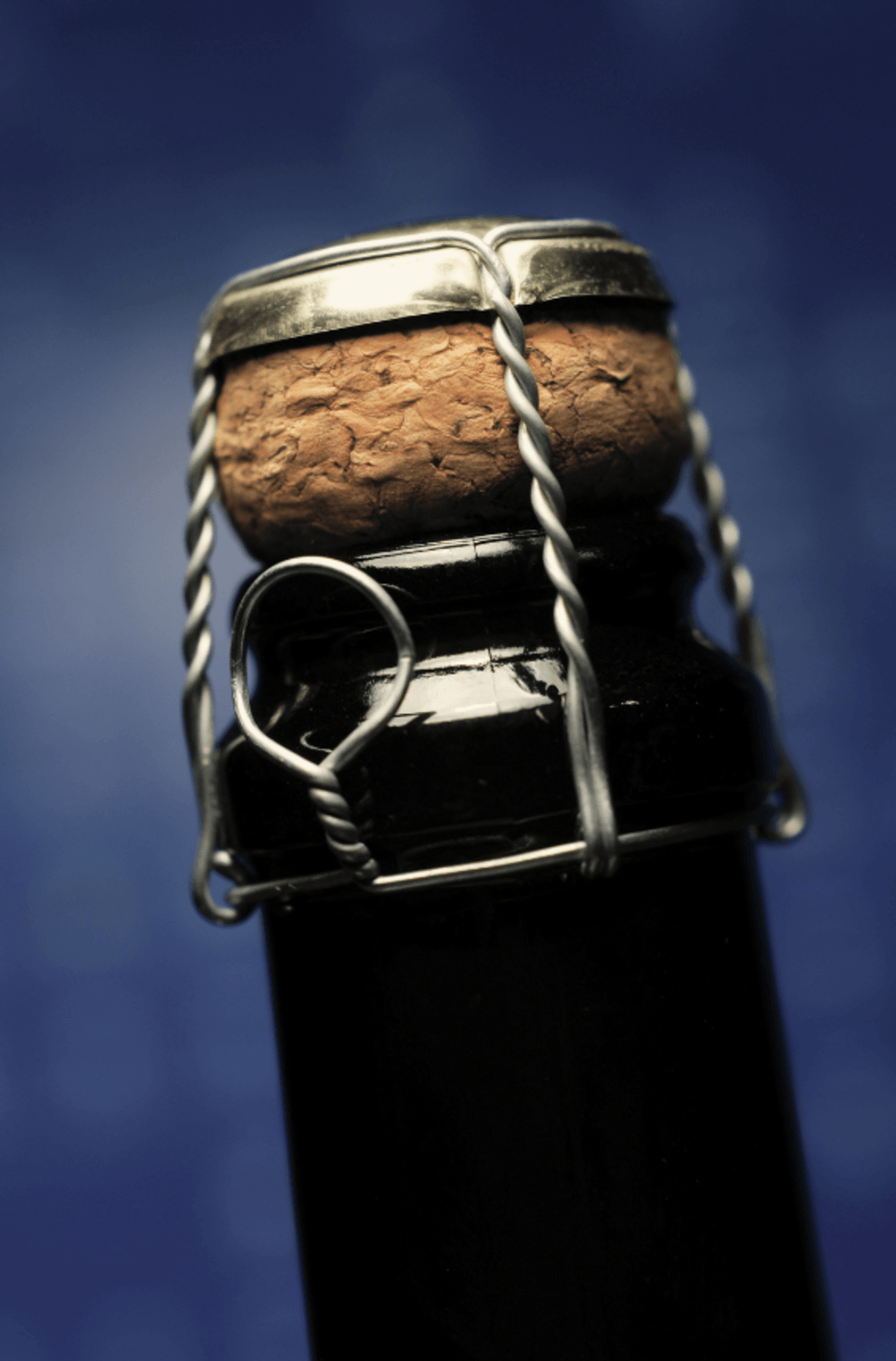
Begin by carefully removing the aluminum capsule protecting the neck.
- – Remove the paper around the cork.
- – Always keep one hand on the top to make sure you hold the bottle securely.
- – Loosen the wire cage: Turn the small loop six half-turns. Do not remove the cage completely; keep it in place for better grip.
3. Tilt and Rotate
Tilting at 45° reduces the pressure directly exerted on the cork. You will see that this angle makes the process much smoother.
- – Common mistake: Do not turn the cork, but rotate the bottle itself.
- – Maintain a firm hand on the cork throughout the process.
- – Slowly rotate the base with your other hand.
4. Guide the Cork Out
The cork should come out slowly with a gentle sigh. This is the sign of a soft, respectful opening that preserves the aromas.
Using Professional Tools: The Cork Pliers
Sometimes the cork is particularly tight — known as “chevillé.” In this case, or to enhance the ceremonial aspect, using champagne pliers is the best way to open the bottle.
The Purpose of Champagne Pliers
This traditional accessory, used in fine dining, allows you to:
- – Remove the cork without excessive effort.
- – Prevent it from flying off suddenly.
- – Add a professional touch to the service.
Steps Using This Accessory
- 1. Position: Place the pliers around the cork after loosening the wire cage.
- 2. Leverage: The pliers act as an elegant brake. While you hold the bottle at an angle, rotate it gently.
- 3. Control: Guide the cork until the final “sigh” of the wine.
Mistakes to Avoid
For a perfect tasting experience, avoid the following:
- – Shaking the bottle: This causes unnecessary foam projection.
- – Pointing the neck at someone: A cork can be dangerous.
- – Seeking a spectacular noise: Silence is the luxury of Champagne.
- – Sabering without expertise: Sabering requires a specific technique along the neck to avoid glass shards.
Conclusion: The Art of Laurent-Perrier Service
Opening your wine is a moment of celebration. For a perfect result, remember these pillars: freshness, tilt, and control. At Laurent-Perrier, each cuvée is conceived as an expression of purity: the act to open it should be its first tribute.
FAQ
How do you open champagne without an explosion?
By firmly holding the cork and rotating the bottle itself rather than the stopper. The gas should escape gradually.
What is the ideal temperature?
Between 6 and 8°C for Brut cuvées, and slightly higher (8–10°C) for vintage cuvées to release their full complexity.
Can I open the bottle by hand if there are no pliers?
Yes, pliers are an additional convenience. A towel placed over the top can also help you hold the bottle with a better grip while ensuring safety.