Putting a champagne cork on may seem simple, but it is a codified and essential operation to ensure the wine’s airtightness, safety, and resistance to pressure.
In Champagne, corking occurs after dosage and bottling, at the end of a long production process, following know-how passed down for centuries. Whether it is for wine and champagne, the sealing process is the final touch of quality.
Components of the Corking
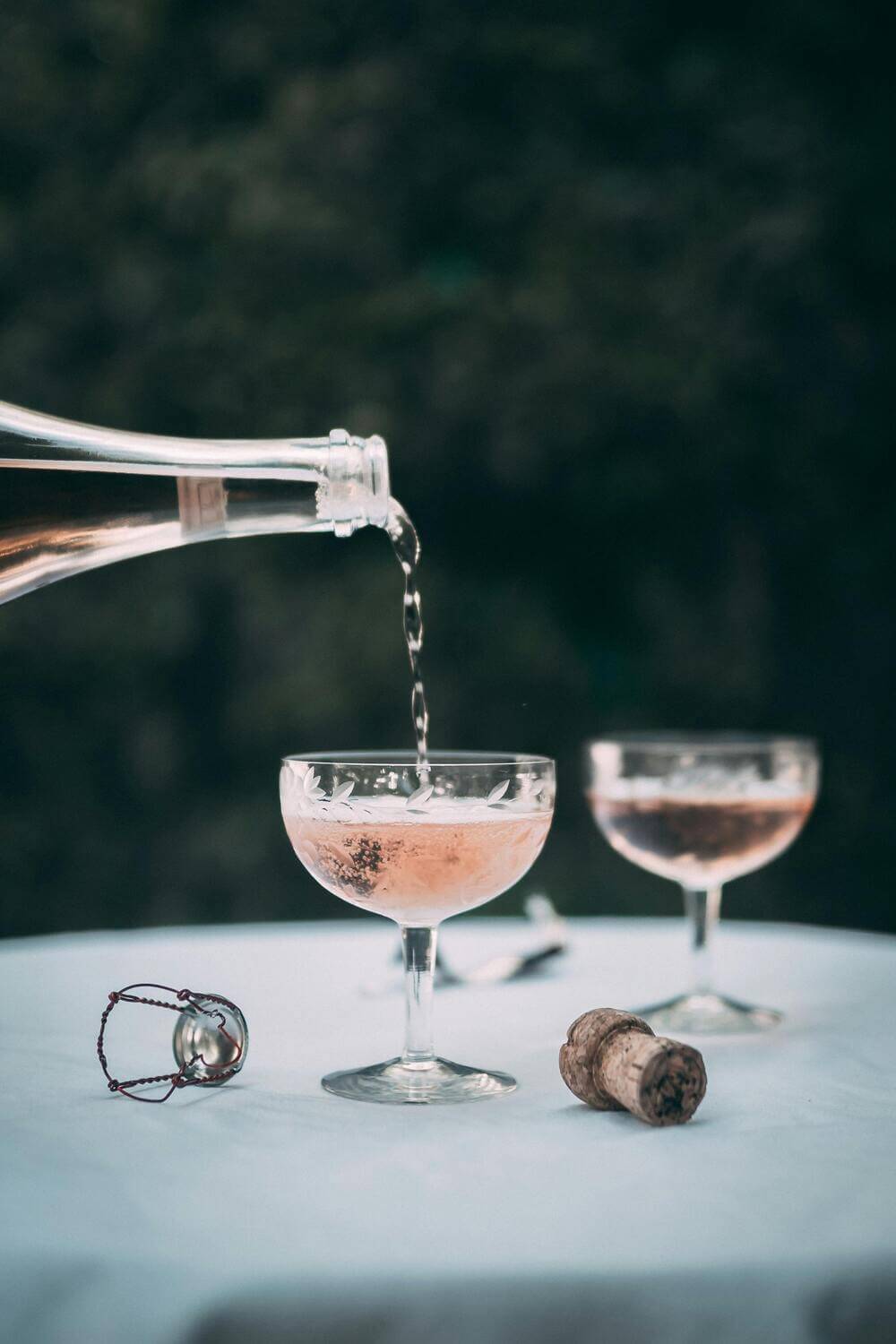
A champagne cork assembly consists of three elements that distinguish it from standard wine corks:
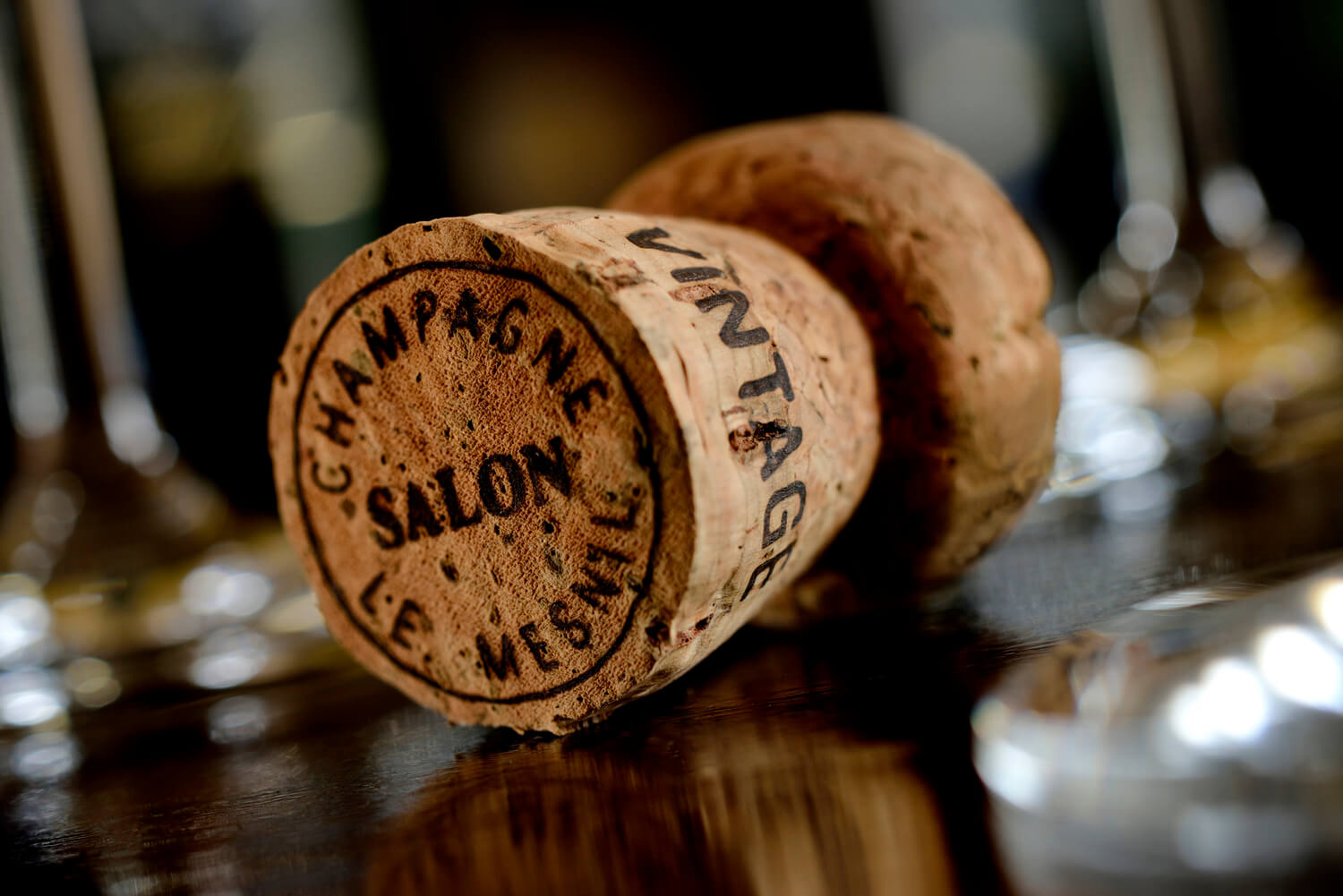
- – The cork, with a natural head and agglomerated body.
- – The wire cage (muselet), a wire that holds the cork in place.
- – The cage plate, a decorative plate between the cork and the muselet.
Together, they guarantee a hermetic closure of the champagne bottle, capable of withstanding 5–6 bars of pressure. In the world of sparkling wine, this trinity is non-negotiable for safety.
Steps of Corking
- 1. Compressing the cork
The cork is compressed by about 30% to fit into the neck without deformation. Naturally, these corks measure 31 mm in diameter, versus 18 mm for the bottle neck.
2. Insertion into the neck
Using a machine, the cork is inserted about two-thirds of the way into the neck. The upper part remains visible outside.
3. Applying the muselet
The wire cage is tightened to a precise standard, preventing the cork from being ejected by pressure.
4. Forming the “mushroom” shape
Over time, champagne corks inside the neck remain compressed while the outside expands, creating the typical shape we all recognize.
5. Rest after corking
Champagne bottles are stored for several weeks to stabilize the wine and ensure perfect airtightness.
Three essential points to remember:
- – The cork is never inserted by hand in production.
- – The muselet is indispensable for safety.
- – Without the muselet, a champagne cork can be violently ejected.
Removing a Cork Properly
To open a champagne bottle is a precise gesture aimed at preserving bubbles, aromas, and safety. If you need to get a cork out without any incident, follow these rules:
- – Ideal temperature: 8–10 °C to control pressure.
- – Tilt the bottle: 45°, away from people and fragile objects.
- – Remove the foil: Do this before loosening the muselet (six half-turns).
- – Hold the cork firmly: Slowly rotate the bottle instead of the cork.
- – Goal: A quiet pop, without spilling any of the precious wine.
Tip: Wipe the neck to prevent fibers from corks from creating nucleation points and causing overflow.
Common Mistakes to Avoid
When handling a bottle of champagne, avoid these frequent errors:
- – Popping the cork forcefully (it wastes the wine and can be dangerous).
- – Removing the muselet before holding the cork.
- – Twisting the cork instead of the bottle.
- – Opening bottles that are too warm.

In Summary
- Corking a champagne bottle is a mechanical and standardized operation. Champagne corks are designed for extreme conditions, and their application requires high precision.
- – The muselet is essential for safety.
- – The bottle of wine must be handled with care.
- – The ideal opening is silent and controlled.
- In Champagne, and at Laurent-Perrier, every gesture counts, down to the smallest detail, ensuring that every bottle you open is a perfect experience.