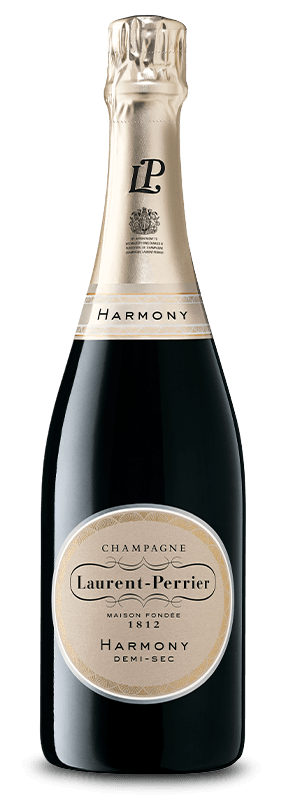
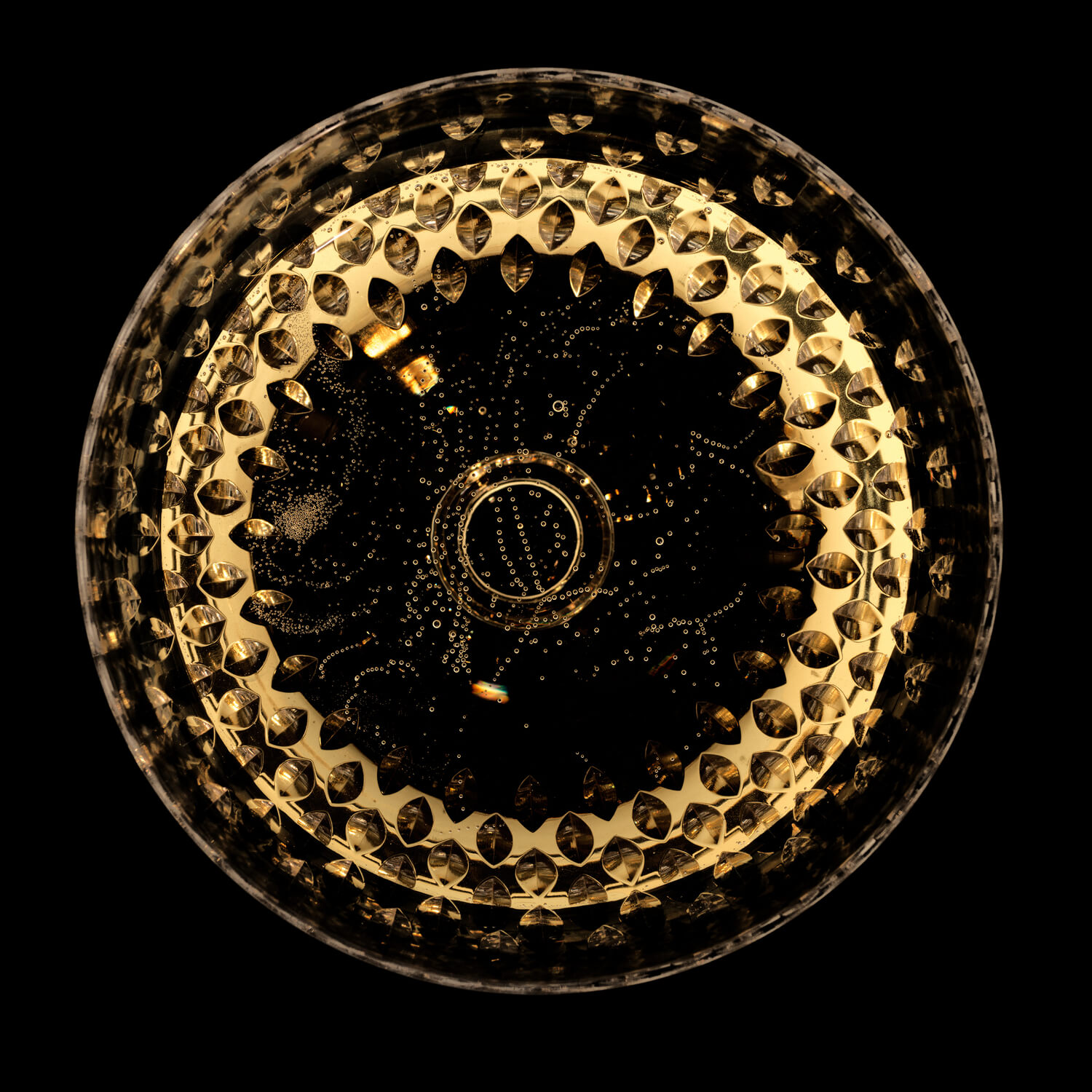
It is estimated that a standard 75 cl bottle of champagne contains around 49 million champagne bubbles.
A spectacular figure, often quoted, which fuels the fascination surrounding this sparkling wine, yet its origin deserves a precise explanation.
Behind this estimate lies a subtle physico-chemical phenomenon, inseparable from Champagne savoir-faire, the traditional method, and the art of tasting.
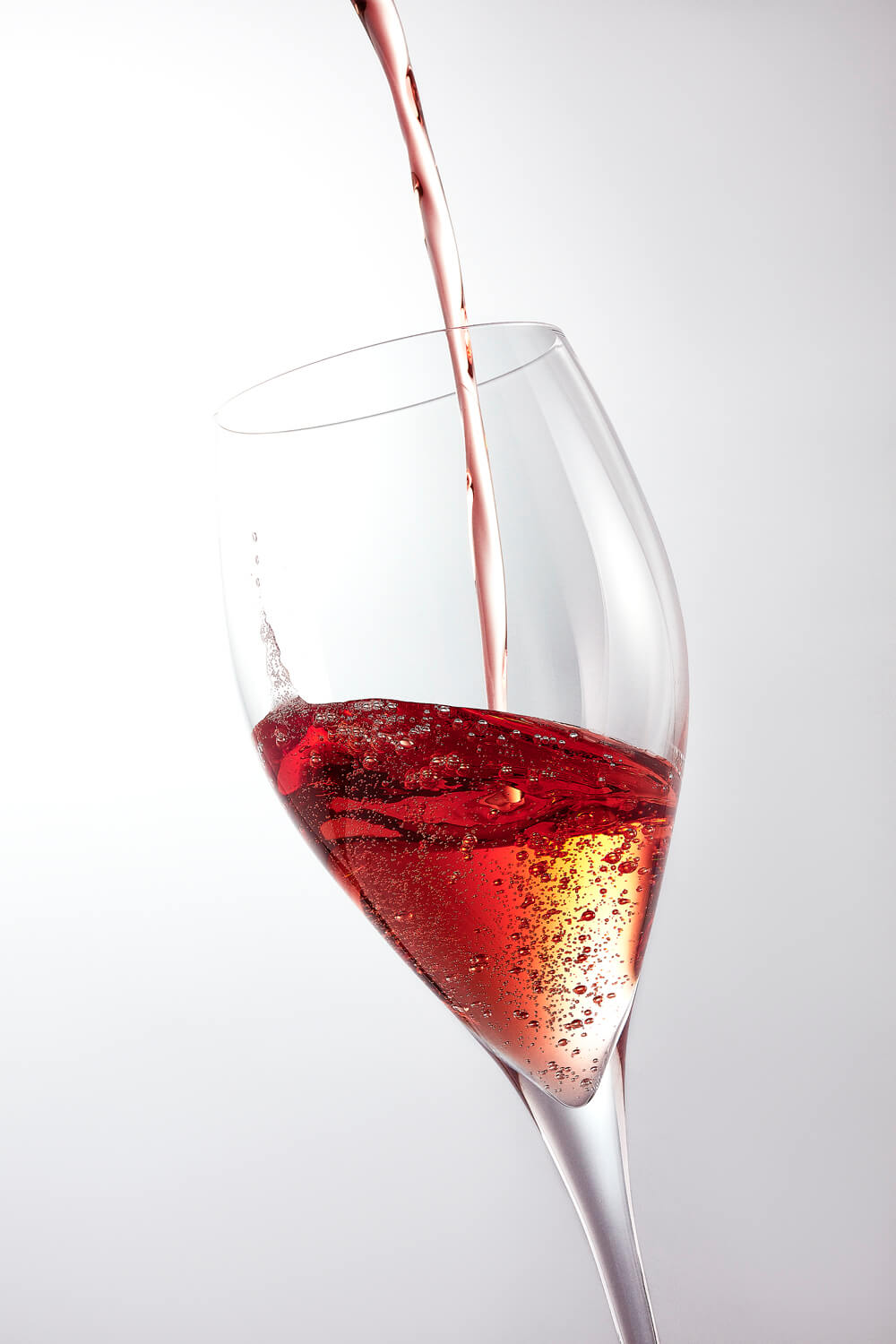
Where Does the Figure of 49 Million Bubbles Come From?
During the second fermentation in the bottle (prise de mousse), yeasts transform approximately 4 grams of sugar per liter into carbon dioxide (CO₂).
This gas remains dissolved in the wine thanks to the internal pressure, which can reach 5 to 6 bars.
At this stage, no champagne bubble is visible: the CO₂ is entirely dissolved.
Studies conducted by the University of Reims and other laboratories have shown that, when the gas is released until complete exhaustion, a bottle of sparkling wine produces on average 49 million bubbles. This figure remains theoretical and varies depending on serving conditions.
Why Can This Number Vary?
Several parameters influence the number of bubbles:
- – Serving temperature: the warmer the wine, the faster the CO₂ is released.
- – Type and surface of the glass: the shape and cleanliness of the champagne glass influence bubble dynamics.
- – Roughness of the glass surface: micro-scratches and microscopic fibers promote the formation of bubbles.
- – Pressure and age : extended aging produces a finer and more regular champagne bubble.
Surprising fact: A perfectly smooth and immaculate glass, free of any dust or micro-scratch, will produce very few bubbles.
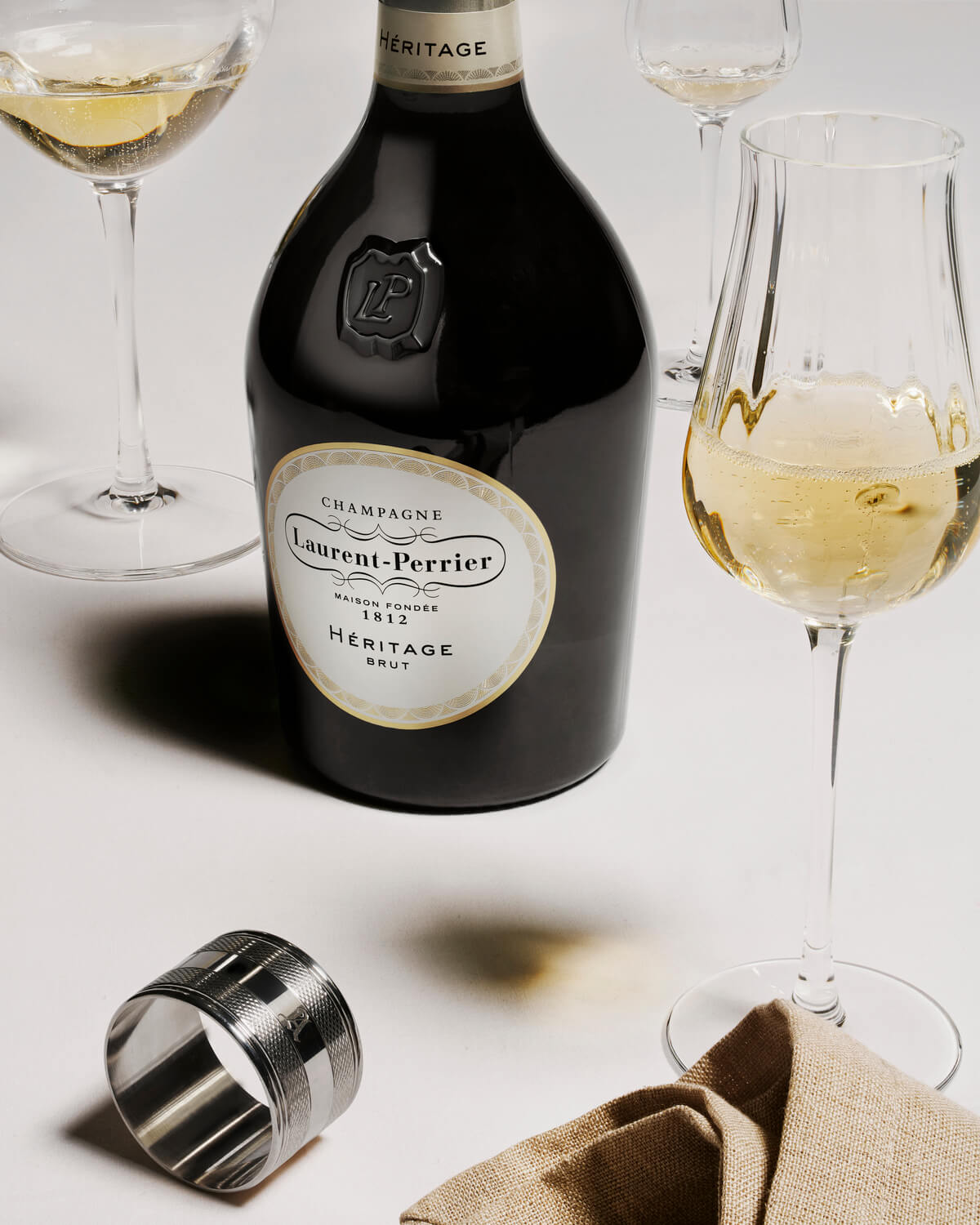
The Physics of Effervescence: Bubbles Are Not “Already There
Contrary to popular belief, bubbles form only at the moment of serving, following a precise sequence:
1. The Nucleation Process
Upon opening, the pressure drop makes the wine supersaturated with carbon dioxide. Nucleation points (invisible particles or micro-scratches) then trigger the actual formation of the bubbles.
2. Birth and Ascent
Dissolved CO₂ diffuses into a micro-pocket, and the bubble grows. It then ascends due to buoyancy, capturing more gas as it rises toward the surface.
3. The Aromatic Burst
Once it reaches the surface, the bubble bursts, releasing tiny droplets that carry complex aromas toward the taster’s nose. Thus, bubbles play a key role in aromatic expression, far beyond their visual appeal.
Not All Champagnes Have the Same Bubbles
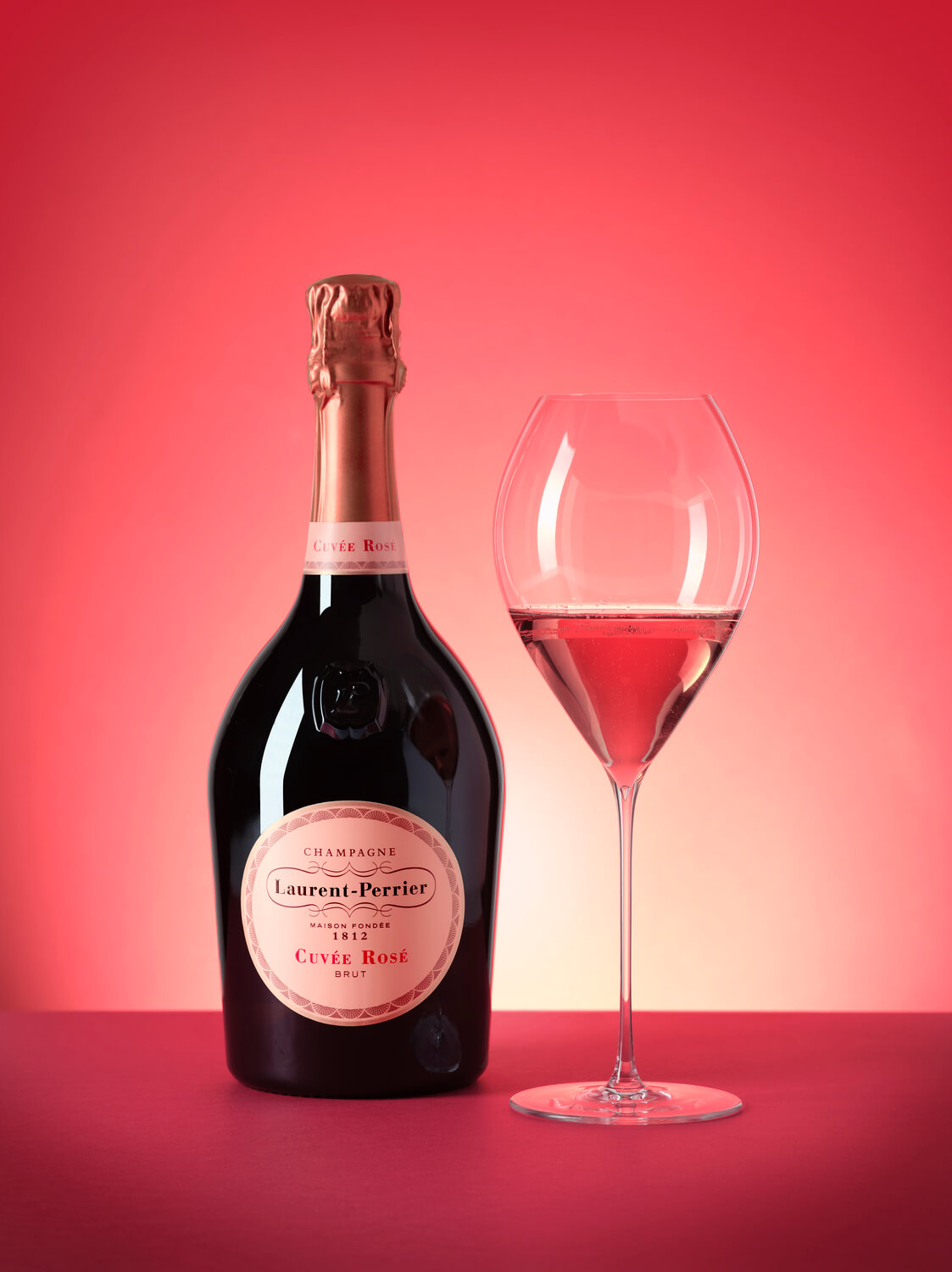
The quality of a cuvée is not measured by the sheer number of bubbles, but by their fineness, regularity, and persistence.
- – Low temperature: finer and more controlled bubbles
- – Type of glass:
- Flute: spectacular bubbles, limited aromatic expression
- Tulip: balance between effervescence and aromatic complexity
- Wide (Coupe): fully developed aromas, discreet bubbles
- – Aging on lees: promotes a delicate effervescence
In Summary
- – A 75 cl bottle of champagne contains approximately 49 million bubbles.
- – These bubbles form only after opening, according to the physics of carbon dioxide.
- – They are essential for both the aesthetics and the aromatic perception of the wine.
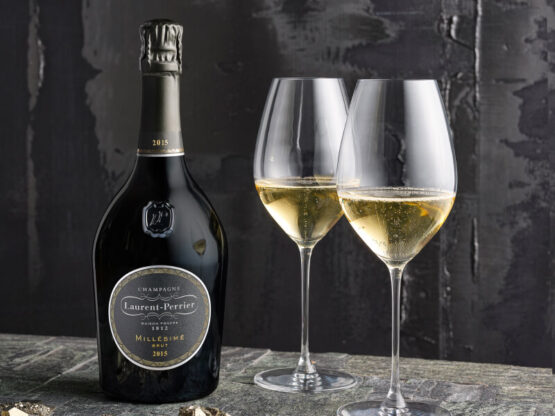
At Laurent-Perrier, and throughout the world of Champagne, the finesse and regularity of the bubbles always take precedence over quantity. Every detail reflects the savoir-faire, time, and excellence of the Champagne tradition.