Table of Contents
Champagne is far more than a sparkling wine. A symbol of celebration and excellence, it embodies the French art of living. But to fully appreciate its quality, an essential question arises: how should you drink champagne to reveal its true soul?
Drinking champagne is not simply about filling a flute. This ritual is based on precise gestures and respect for the history of the product. Maison Laurent-Perrier invites you to discover how to elevate this sensory experience.
At What Ideal Temperature Should You Drink Champagne?
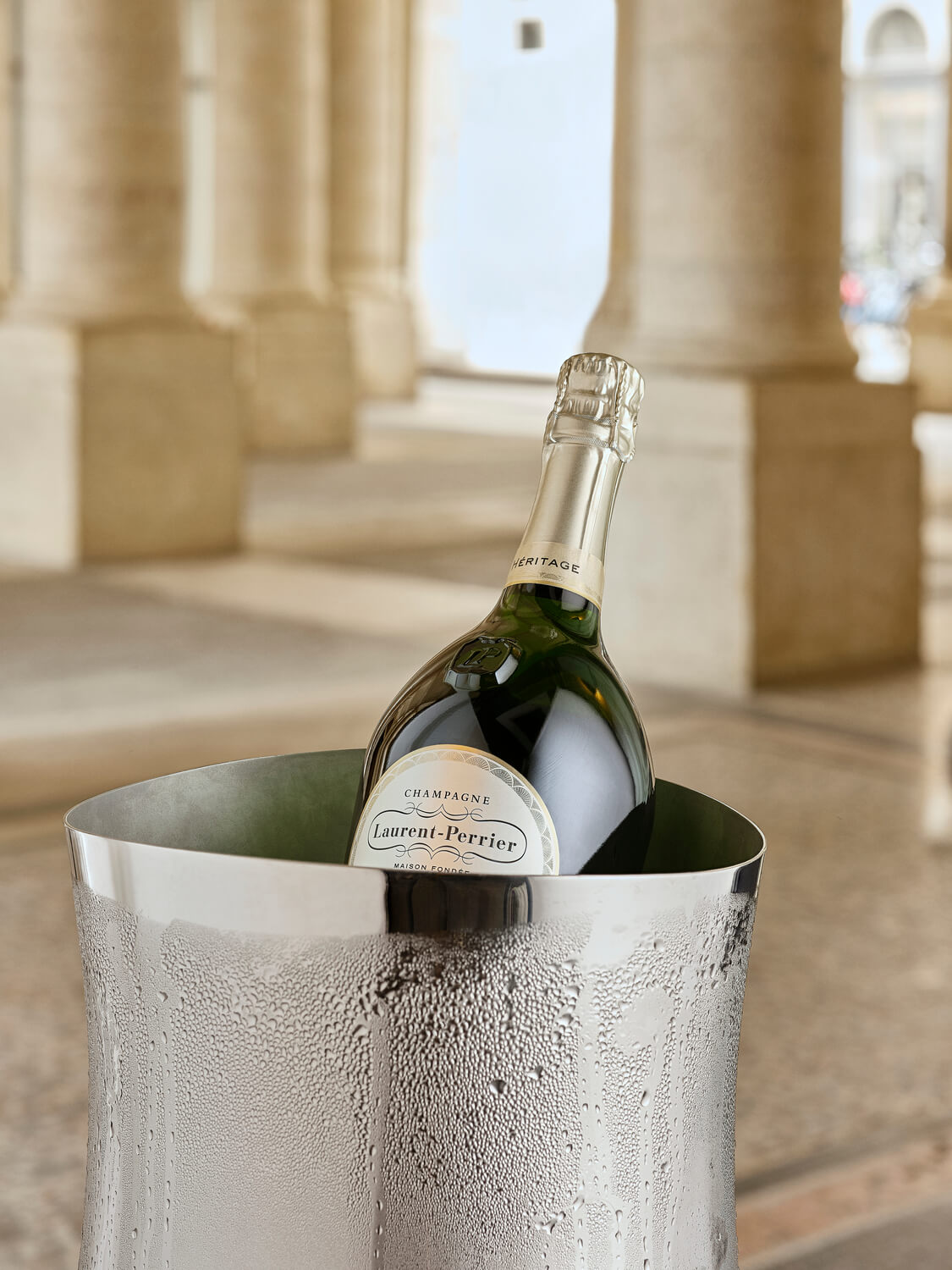
One of the first secrets to serving your champagne concerns its serving temperature. This white wine is ideally enjoyed between 8°C and 10°C. This ideal temperature allows the aromas to unfold and preserves the finesse of the bubbles.
Why avoid champagne that is too warm or too cold?
- – Too cold (below 6°C): The aromas are masked and the freshness of the wine seems aggressive.
- – Champagne too warm (above 12°C): The effervescence becomes harsh and the nectar loses its precision.
Expert advice: To reach this temperature, you may place the bottle in an ice bucket (half filled with water and ice) for around 30 minutes, or in the lower part of the refrigerator approximately 3 hours beforehand. Make sure the chilled liquid stays at this constant level throughout the tasting.
In Which Glass Should Champagne Be Enjoyed?
The choice of glassware is fundamental for champagne wines. To drink champagne properly, the shape of the container is key:
- – The tulip-shaped glass: This is the best glass as it allows optimal aromatic expression while controlling the rise of the bubbles.
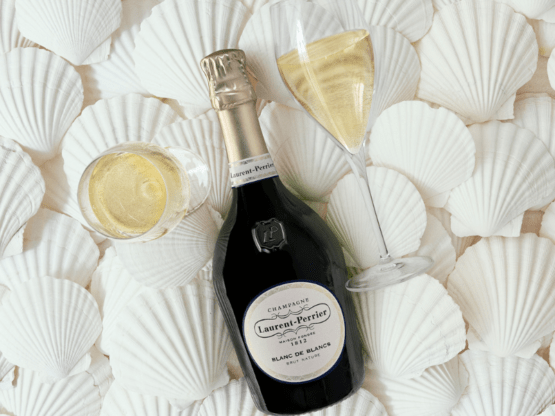
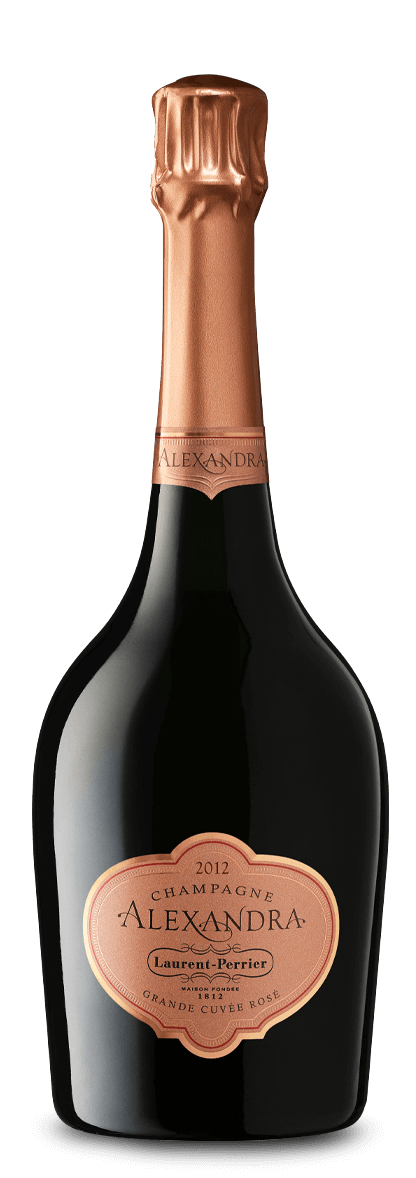
- – The wine glass: Recommended for a vintage champagne or a Blanc de Blancs, to offer a fuller perception of texture.
- – The flute: Aesthetic, it remains a great classic of champagne houses for standing receptions.
When you hold your glass, always do so by the stem to avoid warming the wine with your hands.
The Art of Service: Opening and Gesture
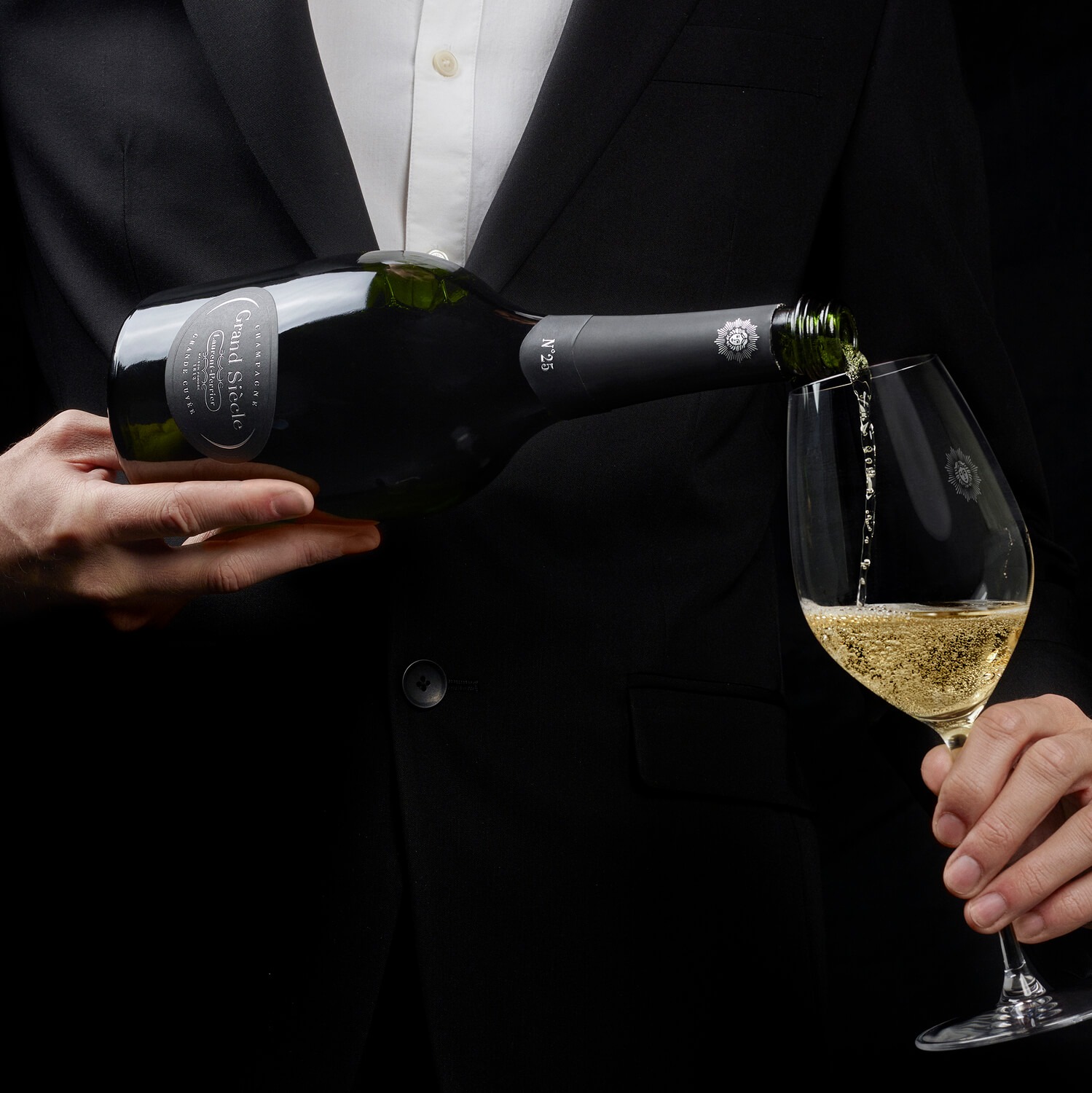
Opening a bottle of champagne is an emblematic ritual that must be carried out with delicacy. Never attempt to pop the cork loudly. Hold it firmly and rotate the base of the bottle to allow a gentle sigh to escape.
To serve champagne with elegance:
- 1. Slightly tilt the champagne glasses.
- 2. Pour in two stages to avoid overflow.
- 3. Never completely fill the glass, so that the wine may breathe. One should drink less but better by appreciating every glass of champagne.
The Three Stages of Champagne Tasting
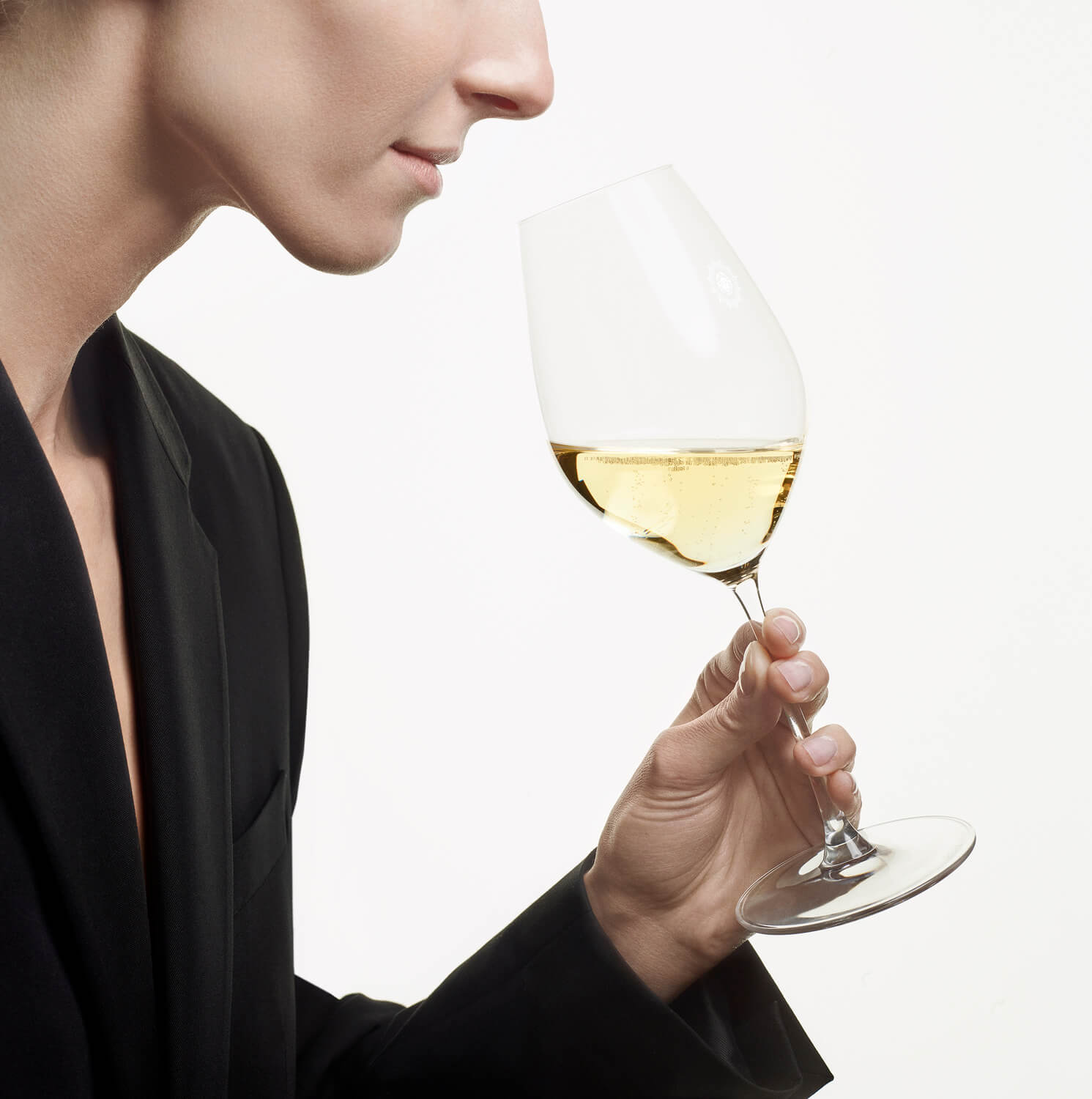
Drinking champagne is, above all, a sensory analysis:
- – Observe: Admire the colour (pale gold, golden or rosé) and clarity.
- – Smell: The nose reveals notes of citrus, white flowers or brioche.
- – Taste: Appreciate the attack, the texture and the length on the finish. Drink slowly to let the complexity reach every part of your palate.
Food and Wine Pairings: When Should It Be Drunk?
Champagne is no longer reserved solely for the year-end toast. It accompanies many gastronomic moments:
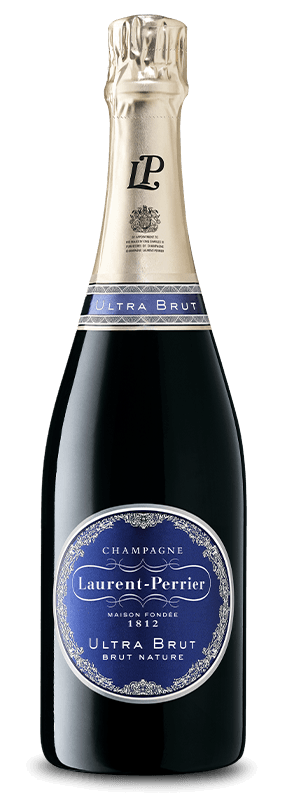
- – As an aperitif: A Brut or an Extra-Brut for its liveliness.
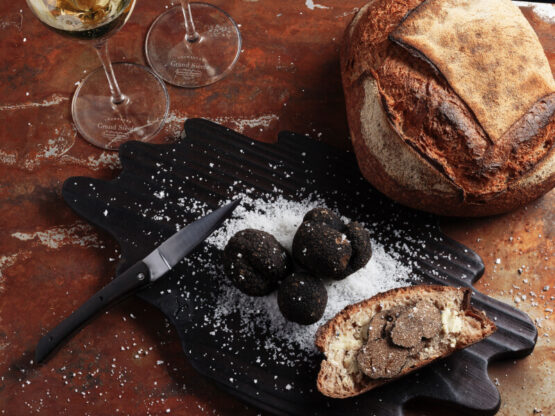
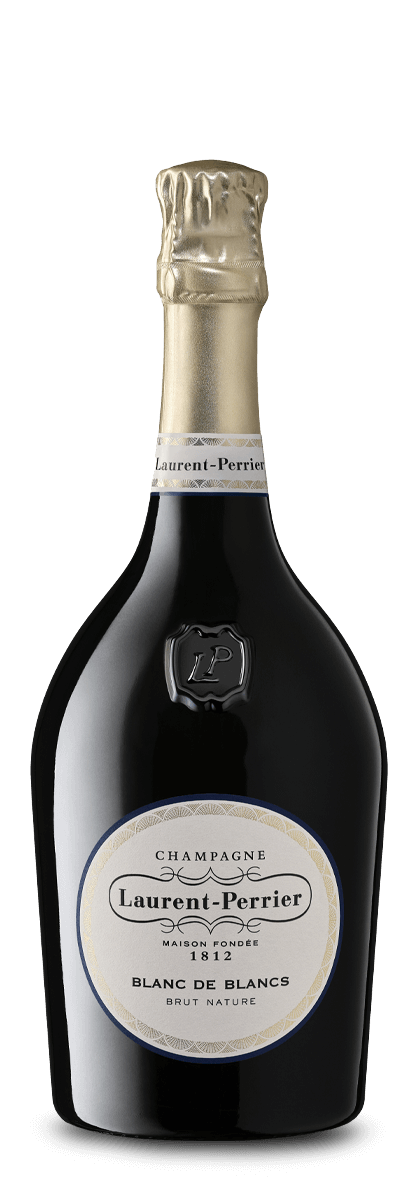
- – At the table: A Blanc de Blancs with fine fish or a vintage with truffled poultry.
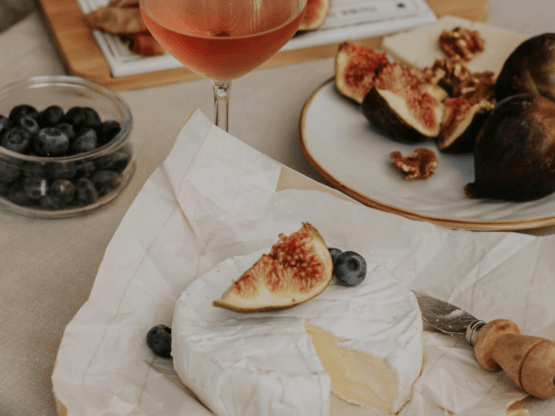
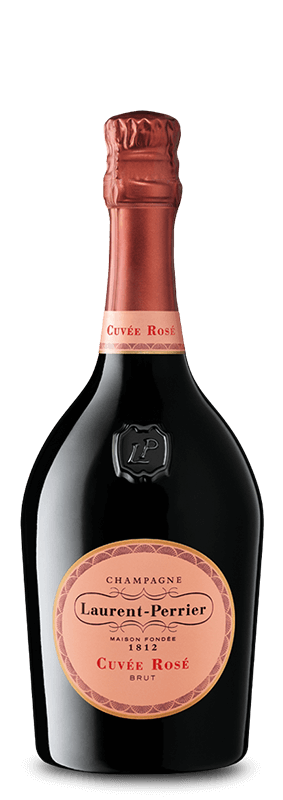
- – With dessert: A rosé cuvée to enhance red berries.
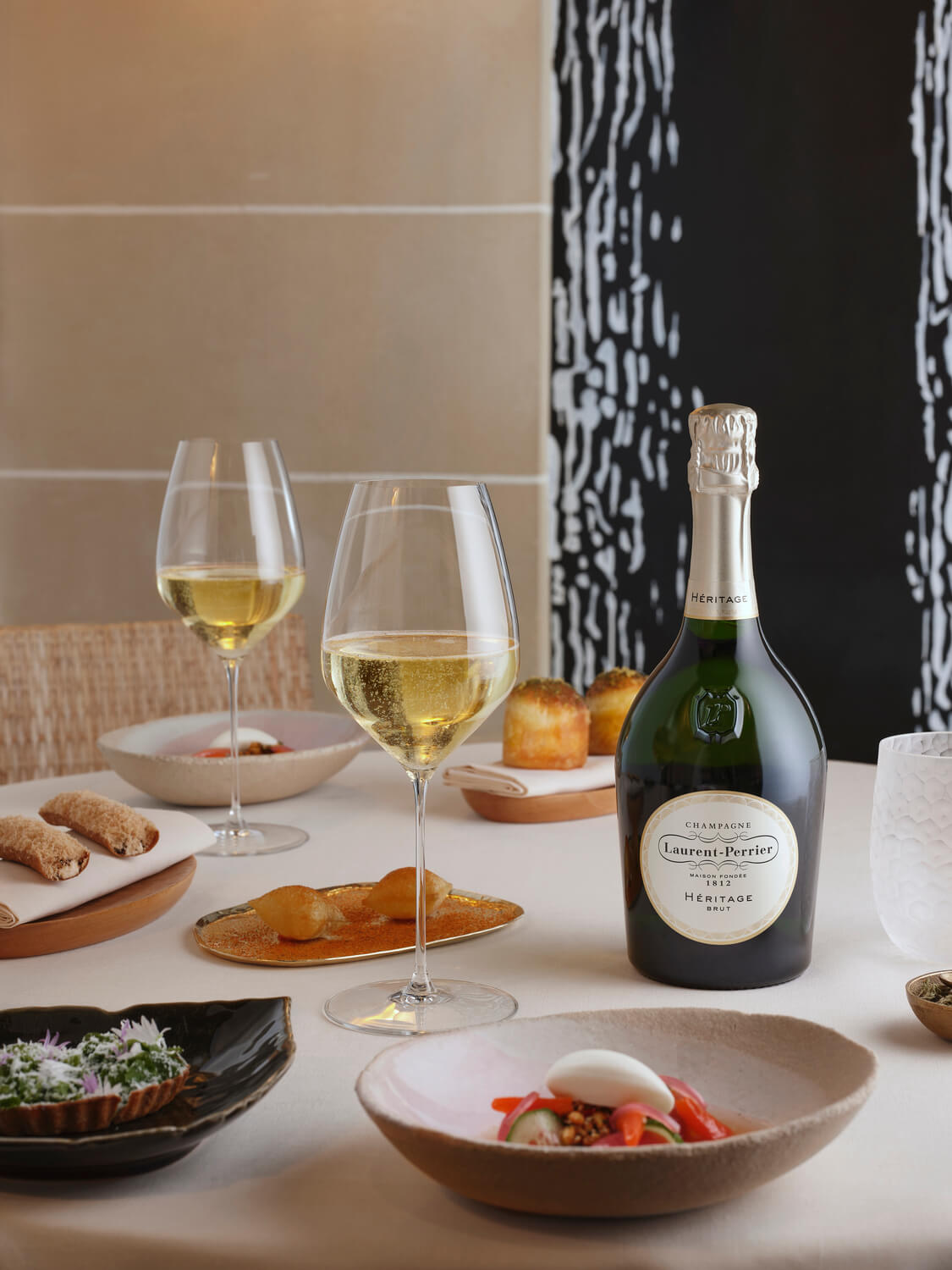
Conclusion:
Laurent-Perrier Excellence
Ultimately, champagne should be drunk with respect and patience. Whether it concerns age-worthy sparkling wines or festive cuvées, each bubble tells the story of a terroir. Maison Laurent-Perrier embodies this vision: a pursuit of purity and timeless refinement.
Frequently Asked Questions
How should champagne ideally be drunk? Chilled (8–10°C), in a tulip-shaped glass, and savoured slowly to appreciate the complexity of the wines.
Can I drink champagne throughout a full meal? Absolutely. Its diversity of styles allows perfect pairings from starter to dessert.
Why not add ice cubes? Ice cubes dilute the contents, alter the taste and break the natural effervescence. To keep it cold, use an ice bucket instead.