Table of contents
- Since When Have We Eaten Snails?
- Talleyrand, the Tsar, and the Invention of Escargots à la Bourguignonne
- France, but Not Only: Who Eats Snails Today?
- How Are Snails Prepared?
- How Are Snails Eaten?
- What to Drink with Snails? White Wines, the Natural Allies
- Table – Snails & Wines
- Wines to Avoid
- What About Champagne with Snails?
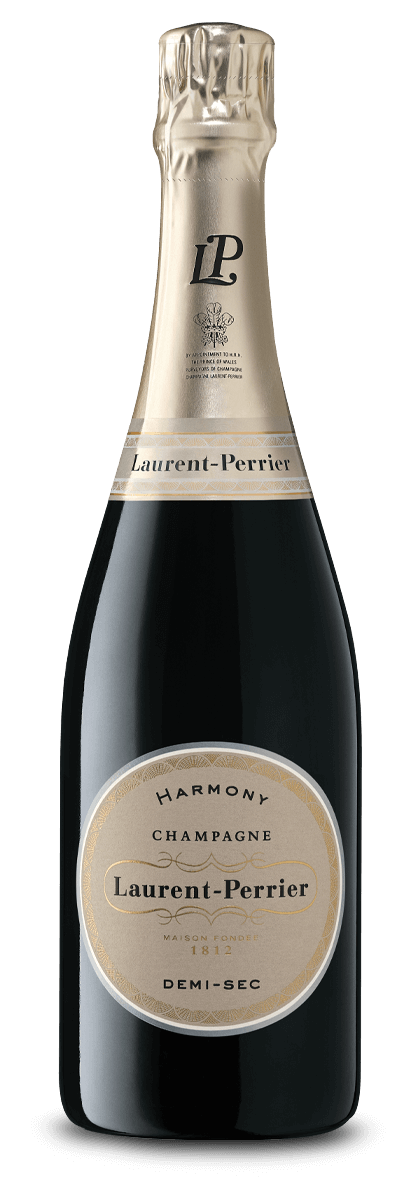
- Laurent-Perrier Champagnes to Pair with Snails
- Table – Snails & Wines
- Conclusion: What to Drink with Snails?
The question may seem surprising… yet it touches upon two pillars of the French art of living: traditional regional gastronomy and the world of fine wines, including champagne. Let us explore the best wines to accompany snails, combining tradition and finesse.
Since When Have We Eaten Snails?
Antiquity and the Roman Era
Long before becoming a symbol of the bourgeois table, the snail is… prehistoric.
Archaeological excavations show that prehistoric humans were already eating snails in the Paleolithic era, notably in the Iberian Peninsula and the Mediterranean basin: numerous piles of shells point to regular harvesting and cooking activities.
Later, the Greeks and Romans incorporated snails into their cuisine; snail farming (heliciculture) is believed to have begun in a region corresponding to modern-day Italy.
From the Renaissance to François I
By the Renaissance, snails had already made their way onto certain aristocratic French tables. They were regarded as a “lean” food, permitted on fasting days during Lent. At the time, they were boiled, fried in oil with garlic and onions, and commonly referred to as “limaçons.”
This was still far from the classic parsley-butter snails preparation known today, but the path had been set.
Talleyrand, the Tsar, and the Invention of Escargots à la Bourguignonne

The anecdote is famous: in 1814, during the Congress of Paris, Charles-Maurice de Talleyrand hosted Tsar Alexander I. Eager to impress his guest, he asked Carême to prepare something exceptional.
Carême turned to a regional product: the snail. Escargots de Bourgogne à la bourguignonne:
- – returned to their shells,
- – with generous butter,
- – garlic, parsley, sometimes shallot,
- – baked until the butter is bubbling.
The Tsar was captivated. This episode helped establish Burgundy snails as an iconic specialty.
France, but Not Only: Who Eats Snails Today?
While France has made Burgundy snails a national symbol, they are consumed in many other regions:
- ● Spain: grilled or stewed snails, especially in Catalonia, Andalusia, and Valencia.
- ● Italy: snails cooked in tomato sauce or ragù.
- ● Greece, Portugal, Morocco: snails prepared in aromatic or spiced broths.
- ● Vietnam and Southeast Asia: land and freshwater snails grilled with lemongrass, chili, or local herbs.
France stands out for its codified service (shells, snail tongs, slender fork) and the dish’s prominent place in festive menus.
How Are Snails Prepared?
Wild or Farmed?
- ● Foraged: collecting wild snails, highly regulated.
- ● Heliciculture: controlled farming for consistency and quality.
Common species include Helix pomatia (Burgundy snail), Helix aspersa (petit gris), and other regional varieties.
Purging, Cleaning, Preparation
- ● Purged: fed greens or fasted.
- ● Cleaned: washed and brushed.
- ● Blanched: boiled in salted, aromatic water.
- ● Rinsed and trimmed: the intestinal part removed, keeping only the edible foot.
Classic Snail Recipes
- ● Burgundy snails: in their shells, butter, garlic, parsley, shallot.
- ● Bordeaux-style: tomato sauce, red wine, lardons.
- ● Catalan: grilled or baked with tomato, chili, olive oil.
- ● Cromesquis: snails wrapped in stuffing or mousseline, breaded and fried.
- ● Puff pastries, brioches, herb fricassées.
How Are Snails Eaten?
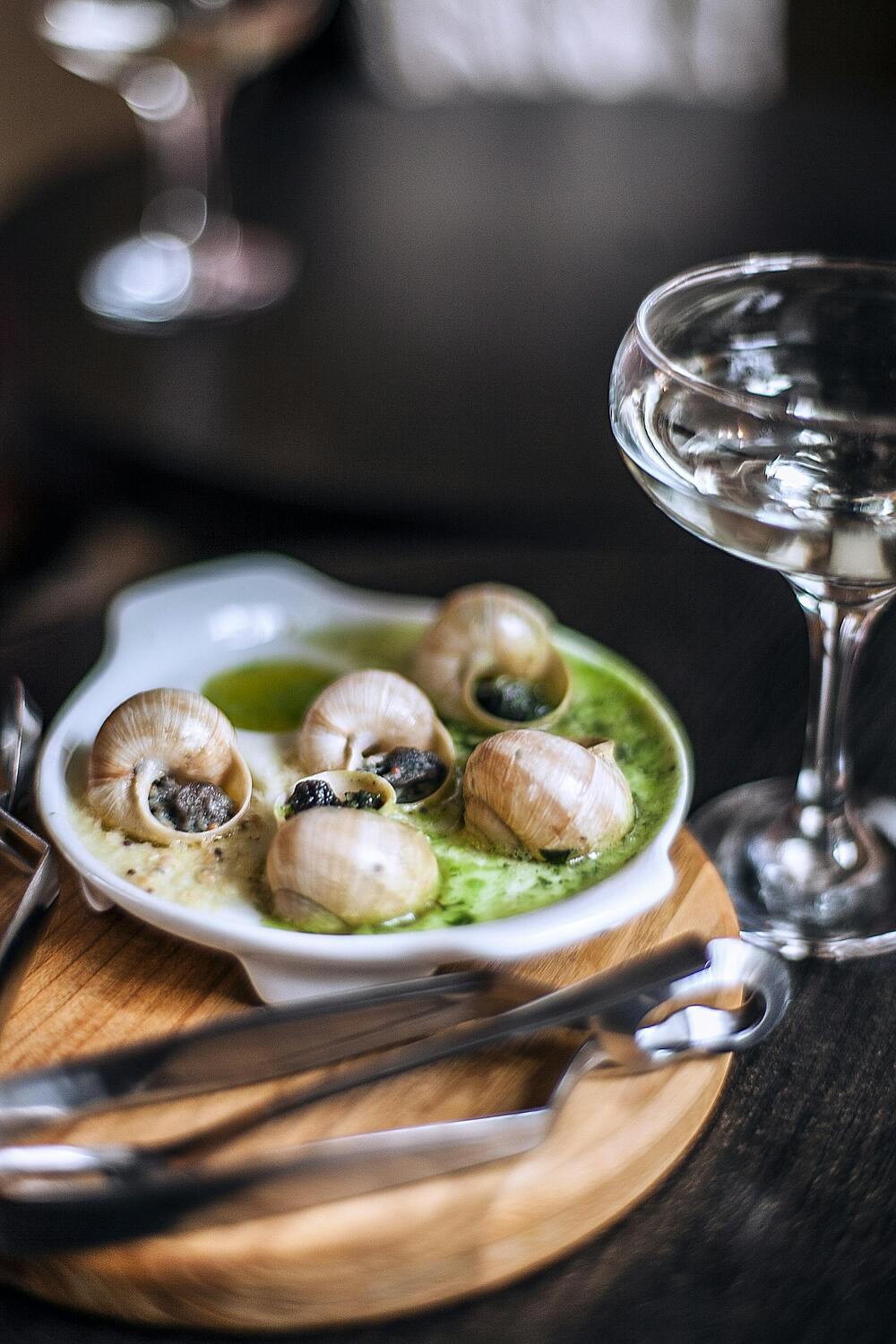
The art of eating snails follows a true ritual:
- ● Snail plate: with 6 or 12 shallow wells to hold the shells.
- ● Snail tongs: to grip the shell securely.
- ● Snail fork: thin, elongated, designed to extract the snail.
Snails are typically served hot, as a starter, with bread (to soak up the parsley butter) and, ideally… a carefully chosen glass of wine.
What to Drink with Snails? White Wines, the Natural Allies
Traditionally, white wines are the preferred companions for snails, particularly Burgundy snails with garlic-parsley butter.
Why?
- ● The richness of butter calls for freshness.
- ● Garlic and parsley require bright aromatic tension.
- ● The delicate yet defined texture of the snail pairs best with a dry, structured—but not overly powerful—wine.
Burgundy
- Chablis (village or Premier Cru): mineral, fresh, saline—superb with Burgundy snails.
- Bourgogne Aligoté: crisp, lemony, perfect for balancing parsley butter.
Loire
- Sancerre, Pouilly-Fumé: vibrant, herbal Sauvignon Blanc that complements parsley, garlic, and persistent sauces.
Jura
- Savagnin (topped-up) or local Chardonnay: tension, notes of fresh nuts and citrus; excellent with more gastronomic recipes.
Bordeaux & Southwest
- Dry whites of Graves or Pessac-Léognan: lightly oaked, structured and rounded—ideal for puff-pastry snails or light cream sauces.
Table – Snails & Wines
| Snail Recipe | Preferred Wine Style | Regional Examples | Comment |
|---|---|---|---|
| Burgundy snails (parsley butter) | Lively, mineral dry white | Chablis, Bourgogne Aligoté, Sancerre | Freshness and tension to balance butter and garlic |
| Snails in puff pastry / mini casserole | Fuller white wine (lightly oaked) | Meursault, Graves white, Pessac-Léognan | Wine’s body supports the sauce |
| Bordeaux-style snails | Young, fruity, supple red | Light Bordeaux, Côtes-du-Rhône, Beaujolais | Complements tomato without boosting acidity |
| Catalan-style snails | Fresh, low-tannin red | Grenache, Rioja joven, Navarra reds | Fruit and vivacity |
| Herb cromesquis | Dry, aromatic sparkling wine | Crémant de Loire, Franciacorta, Prosecco brut | Bubbles lighten frying |
| Gourmet snails (truffle, reduced jus) | Gastronomic white or structured champagne | Chablis Premier/Grand Cru, Châteauneuf-du-Pape white | Deep, refined pairing |
Wines to Avoid
- ● Very tannic reds (Cabernet Sauvignon, Médoc, extracted Syrah): bitter, heavy.
- ● Wines that are overly oaked or jammy: overpower finesse.
- ● Exception: tomato-based dishes → young, supple red.
What About Champagne with Snails?
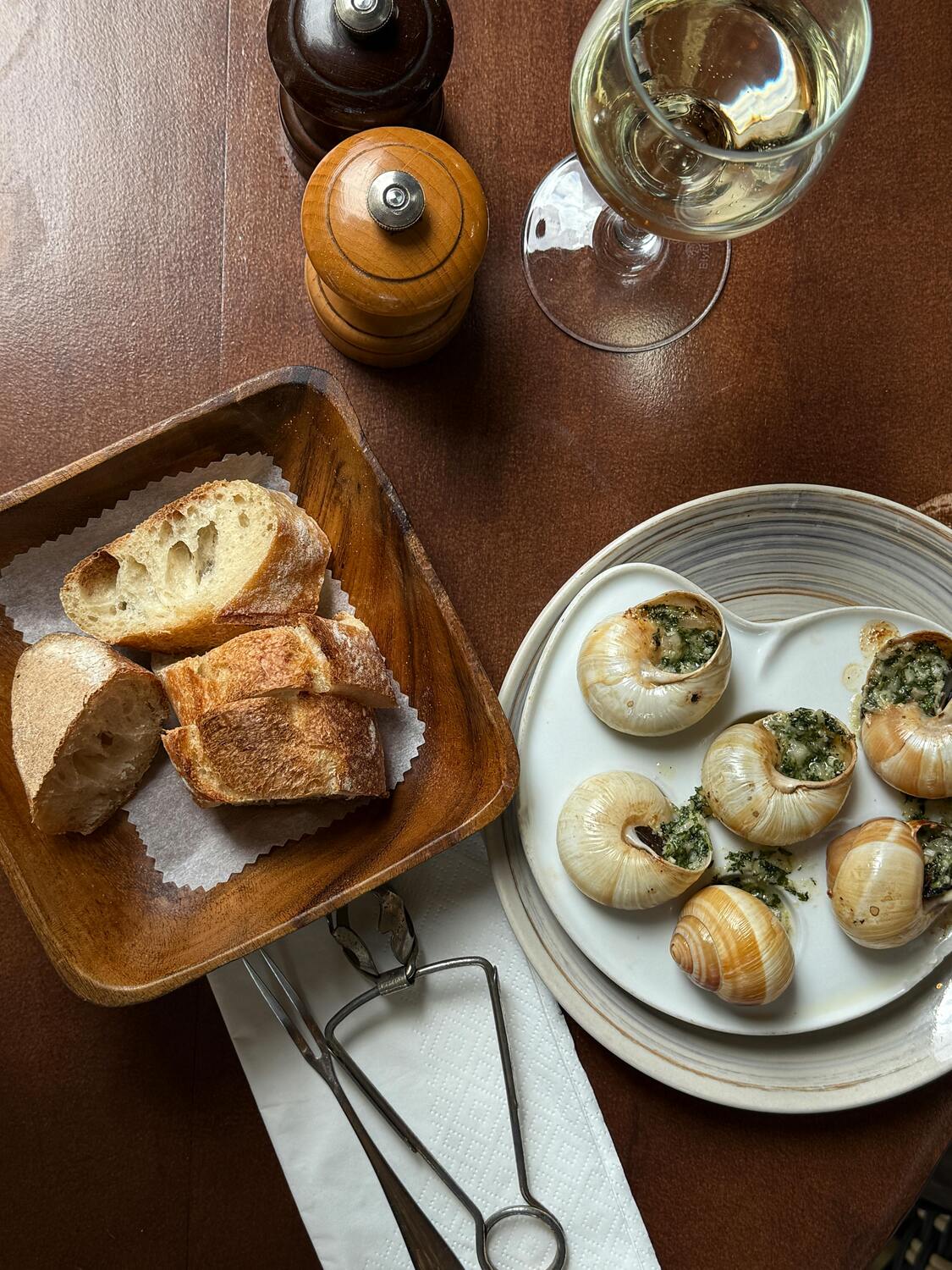
Champagne ticks every box for pairing with snails:
- ● fundamentally a great white wine (or white-dominant blend),
- ● acid-driven and mineral,
- ● with effervescence that adds vibrancy, lift, and tactile finesse.
Effervescence:
- ● lightens buttery richness,
- ● refreshes the palate after garlic and parsley,
- ● enhances the texture of the snail.
However, champagne is not monolithic—there are multiple styles depending on:
- ● grape varieties (Chardonnay, Pinot Noir, Meunier),
- ● ageing on lees,
- ● dosage (Brut Nature, Extra Brut, Brut, etc.).
The Main Champagne Styles for Snails
- – Brut Nature / Extra Brut :
Sharp freshness, precision, purity—ideal for classic Burgundy snails when seeking a lively pairing. - – Non-Vintage Brut (NV) :
Balanced, versatile, excellent in gastronomy—works with most preparations. - – Vintage Champagne :
More vinous, complex, ample—best with elaborate snail dishes (puff pastry, truffle, reduced jus). - – Blanc de Noirs :
From black grapes only; more structured and earthy—excellent with parsley butter and richer textures. - – Rosé Champagne :
Its fruity vinosity pairs beautifully with lightly spiced, exotic, or herb-accented recipes.
Laurent-Perrier Champagnes to Pair with Snails
Laurent-Perrier offers a range of champagnes whose styles lend themselves particularly well to pairings with snails.
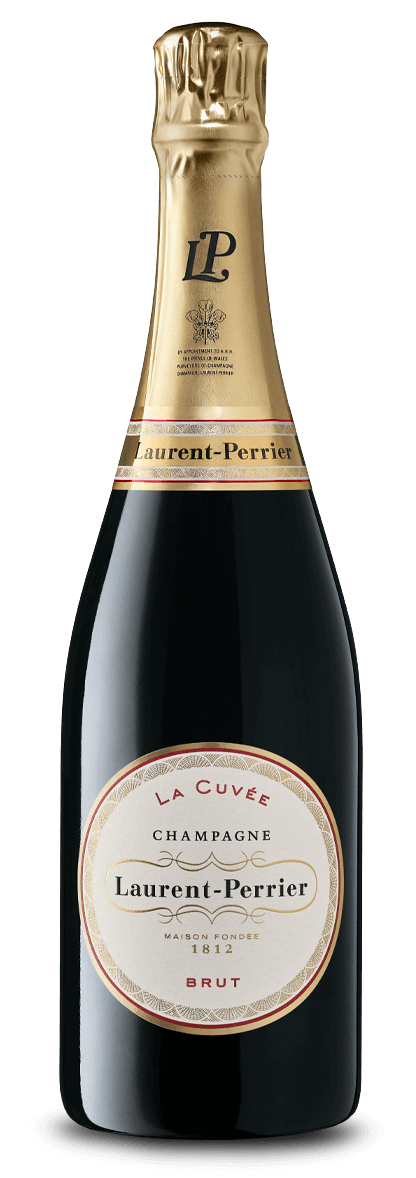
Laurent-Perrier “La Cuvée”: The Signature Balance
Style: Non-vintage Brut, perfectly balanced.
Blend: Majority Chardonnay (50%+), Pinot Noir (30%+), 10–20% Meunier, with 20–30% reserve wines.
With which snails?
- ● Classic Burgundy snails (parsley butter)
- ● Light casseroles
- ● Puff-pastry starters
Why?
Freshness, finesse, and length make it a natural gastronomic partner—enhancing the dish while preserving its delicacy.
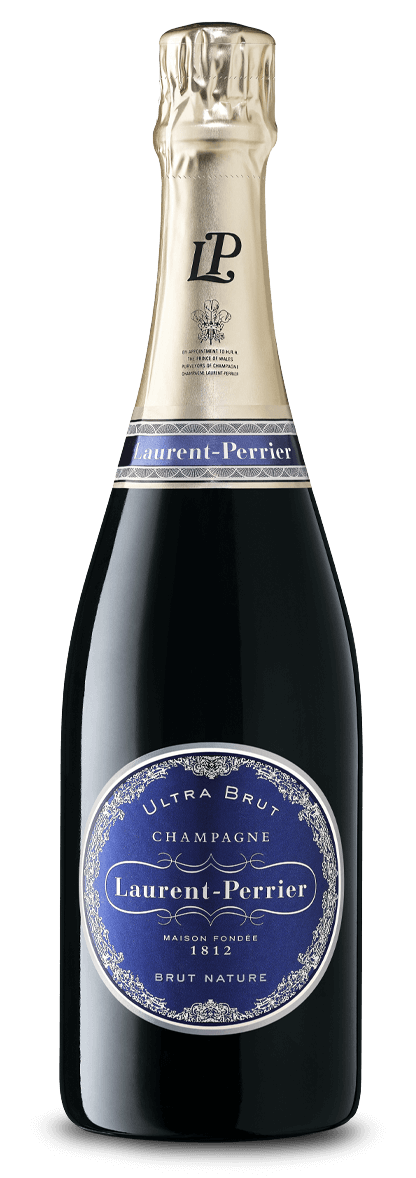
Laurent-Perrier Ultra Brut: Purity in Its Most Crystalline Form
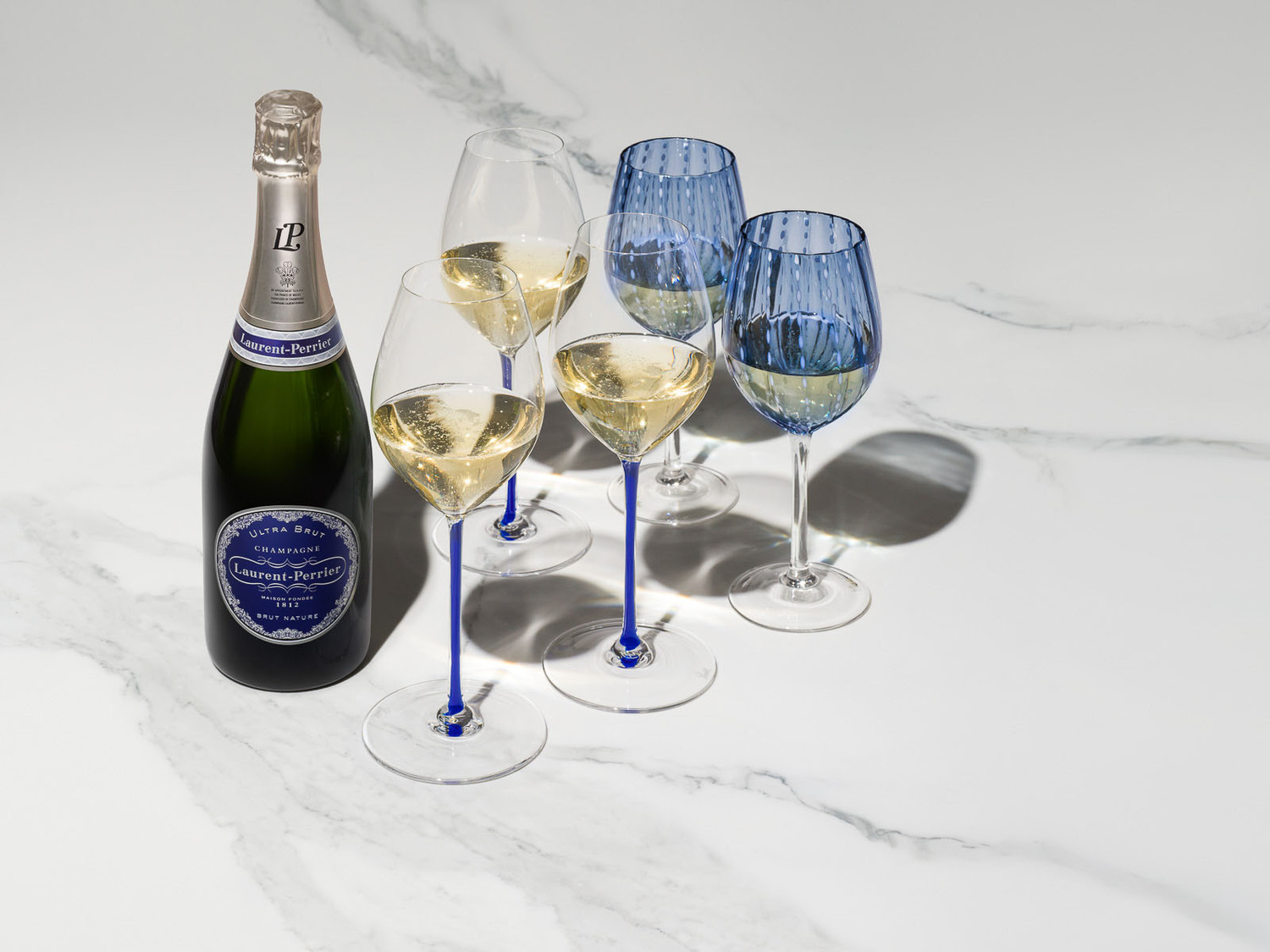
Style: Brut Nature, zero dosage, pure expression.
Blend: ~55% Chardonnay, 45% Pinot Noir from selected low-acidity, mature crus.
With which snails?
- ● Traditional Burgundy snails
- ● Very aromatic garlic-parsley preparations
- ● Cromesquis
Why?
Its energy, mineral precision, and absence of sugar create a tonic, razor-sharp pairing.
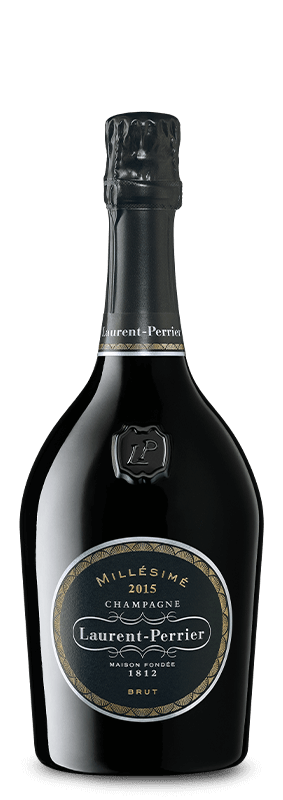
Laurent-Perrier Brut Millésimé 2015 or 2018: The Gastronomic Dimension
Style: Vintage champagne—more structured and vinous.
Recent vintages show aromatic richness, texture, and long finish.
With which snails?
- ● Puff pastry or brioche snails
- ● Snails with cream or mushrooms
- ● Gourmet warm starters (reduced jus, black truffle, woodland mushrooms)
Why?
Vintage champagne brings the depth required for richer sauces and complex textures.
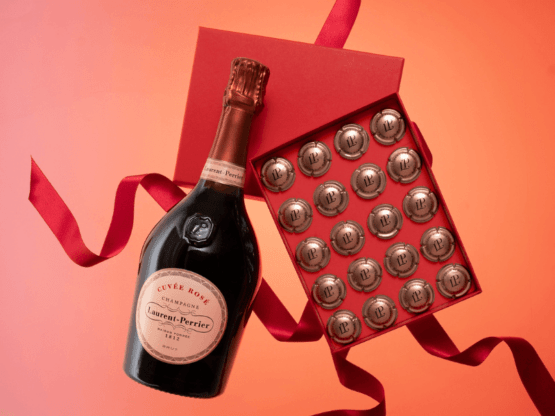
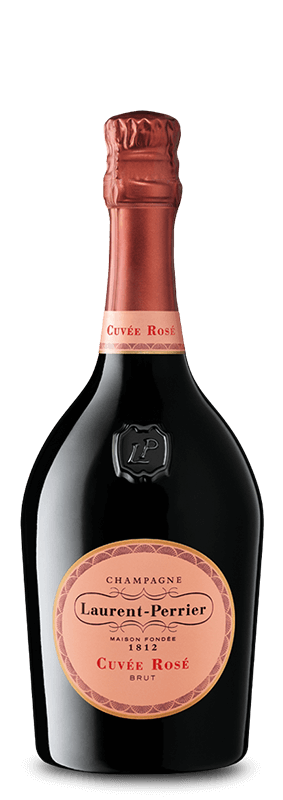
Laurent-Perrier Cuvée Rosé: Refined Boldness
Style: Gastronomic rosé—vinous yet fresh, with vibrant red-fruit notes.
With which snails?
- ● Coriander-spiced cromesquis
- ● Snails with mild exotic or spicy notes
- ● Tomato- or mildly spiced preparations
Why?
Its fruity vinosity and freshness complement herbal and spiced aromas while creating a refined contrast with the snail’s texture.
Table – Snails & Wines
| Snail Preparation | Desired Pairing Style | Recommended LP Champagne | Reason |
|---|---|---|---|
| Burgundy snails (parsley butter) | Freshness, balance, indulgence | La Cuvée | Finesse, freshness, length; ideal with gastronomy |
| Very garlicky/parsley-driven Burgundy snails | Lively, ultra-dry accord | Ultra Brut | Tension and purity balance garlic and butter |
| Puff pastry / light cream casserole | Fuller, more vinous pairing | Brut Millésimé 2015/2018 | Structure and aromatic richness |
| Snails with mushrooms, reduced jus, truffle | Complex, characterful pairing | Brut Millésimé (or more mature cuvée) | Gastronomic depth |
| Coriander cromesquis | Bold, fruity, spiced pairing | Cuvée Rosé | Red-fruit vinosity and freshness |
| Festive starter | Versatile, signature pairing | La Cuvée or Ultra Brut | Two expressions: balance or purity |
Conclusion: What to Drink with Snails?
To answer the question “What should one drink with snails?”, remember:
- ● Fresh, dry white wines remain the natural partners of snails, especially from Burgundy and the Loire.
- ● Very tannic reds should be avoided, except for tomato-based recipes paired with young, supple reds.
- ● Champagne offers a rare level of elegance: freshness, effervescence, aromatic complexity, and a unique capacity to lighten butter, garlic, and sauces.
Within this family, Laurent-Perrier’s La Cuvée, Ultra Brut, Brut Millésimé 2015 or 2018, and Cuvée Rosé provide a full palette of pairings—from the most classic to the most daring.
A range of interpretations that transforms a traditional dish into a gastronomic experience, where the memory of terroirs meets the luminous signature of Champagne.