Table of contents
- What is a Vintage Champagne?
- How to Choose the Best Vintage Champagne?
- Deconstructing the Myth: Vintage ≠ Always Exceptional
- Key Benchmark Vintages Since 1959
- Comparative Table: Greatest Champagne Vintages
- Food Pairing: Unlocking the Potential of Vintage Champagne
- Are Prestige Cuvées Always Vintage?
- Laurent-Perrier Vintage Selection
- Why Invest in a Vintage Champagne?
- FAQ – Everything You Need to Know
What is a Vintage Champagne?
A vintage Champagne is produced exclusively from grapes harvested in a single year, and only when the harvest meets the House’s exacting standards. Unlike non-vintage creations, which blend multiple years to achieve consistency, a vintage reflects the unique identity of one harvest.
The quality of a vintage depends heavily on weather conditions. A mild spring favors healthy flowering, a temperate summer allows gradual ripening, and a dry autumn ensures balanced and ripe grapes. Frost, excessive heat, or heavy rains can compromise the harvest and limit its potential.
Yet, it is important to note: not every vintage is automatically “better”. Some non-vintage champagnes can surpass certain vintages in balance, elegance, or style, depending on the House’s vision and the blend. Vintage is a marker of rarity and expression of a specific year, not a guarantee of superiority.
Vintage champagnes are typically intended for ageing, often showing more structure, complexity, and depth, appealing to enthusiasts seeking rare creations.
How to Choose the Best Vintage Champagne?
Key considerations include:
- – Year quality: Some years are widely celebrated, others more challenging.
- – House style: Every Champagne House has a signature expression that may shine more in non-vintage blends or specific vintages.
- – Ageing potential: While many vintages develop beautifully over decades, some are best enjoyed young.
– Food pairings: The structure of the vintage should guide your choice of cuisine.
Deconstructing the Myth: Vintage ≠ Always Exceptional
It’s easy to assume that “vintage” automatically equals excellence, but reality is more nuanced:
- – Some years, though declared vintage-worthy, may produce wines that are too austere, overly acidic, or lacking aromatic depth.
- – Conversely, non-vintage blends can be crafted to highlight freshness, balance, and the House style, sometimes offering a more immediate pleasure.
– The decision to declare a vintage depends on the House’s philosophy, style, and interpretation of the harvest.
Laurent-Perrier, for example, only produces vintages in truly exceptional years. From 1950 to 2015, the House produced just 31 vintages, compared to 53 for Champagne as a whole, reflecting a strict approach to quality over quantity.
Key Benchmark Vintages Since 1959
- Experts, sommeliers, and collectors highlight the following years as iconic:
- – 1959 – Sunny, rich, generous
- – 1961 – Elegant, powerful
- – 1966 – Balanced, still remarkable after ageing
- – 1971 – Harmonious, charming
- – 1975 – Structured, classic
- – 1976 – Generous, due to exceptional heat
- – 1982 – Opulent, complex
- – 1985 – Fresh with ageing potential
- – 1988 – Balanced, elegant, powerful
- – 1989 – Warm, rich
- – 1990 – Legendary, ripe and ample
- – 1995 – Elegant, structured
- – 1996 – High acidity, intense
- – 2002 – Harmonious, pure, refined
- – 2008 – Fresh, taut, balanced
– 2012 – Powerful, precise, long-lasting
Comparative Table: Greatest Champagne Vintages
| Year | Vintage style | Ageing potential | Aromatic profile |
|---|---|---|---|
| 1959 | Rich, sunny | High | Ripe fruit, opulence |
| 1976 | Powerful, generous | Medium–High | Honey, candied fruit |
| 1988 | Balanced, refined | Very High | Citrus, floral, mineral |
| 1990 | Ample, gourmet | Very High | Ripe fruit, spices, roundness |
| 1996 | Acidic, structured | Very High | Freshness, intensity, citrus |
| 2002 | Harmonious, pure | Very High | White fruit, finesse, elegance |
| 2008 | Fresh, taut | Very High | Floral, citrus, minerality |
| 2012 | Powerful, precise | Very High | Red fruit, citrus, complexity |
Food Pairing: Unlocking the Potential of Vintage Champagne
Vintage champagnes are gastronomic wines. Their structure and intensity demand careful food pairings:
- 1. Fish and seafood
- – Noble fish: turbot, cod, sole, or sea bass.
- – Shellfish: oysters, scallops, langoustines.
- – Pairing tip: Vintage wines with high acidity cleanse the palate between bites.
- 2. White meat and poultry
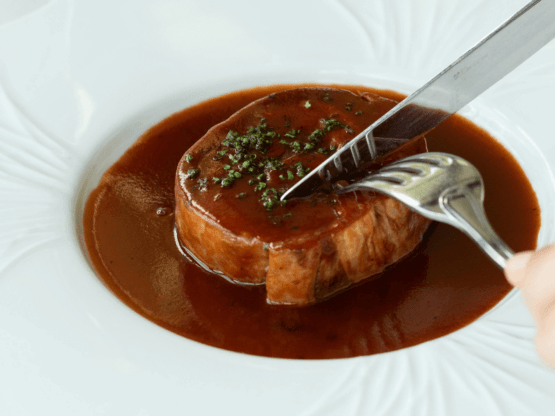
- – Roasted chicken, veal, or quail benefit from medium-bodied vintages.
- – Butter and cream sauces harmonize with richer styles.
- 3. Rich and structured cuisine
- – Game (venison, pheasant) pairs well with mature vintages like 1990 or 1996.
- – Truffles, foie gras, and mushroom sauces highlight complex aged cuvées.
- 4. Cheese pairings
- – Soft cheeses: Brie de Meaux, Camembert.
- – Hard cheeses: aged Comté, Parmesan, or Gruyère.
- – Vintage wines with extended ageing can match the intensity of these cheeses without overpowering.
- 5. Dessert and fruit-based dishes
- – Avoid excessively sweet desserts with very dry, structured vintages to maintain balance
– Fruit tarts, red berries, or citrus desserts complement the freshness and aromatic purity of younger vintages.
Are Prestige Cuvées Always Vintage?
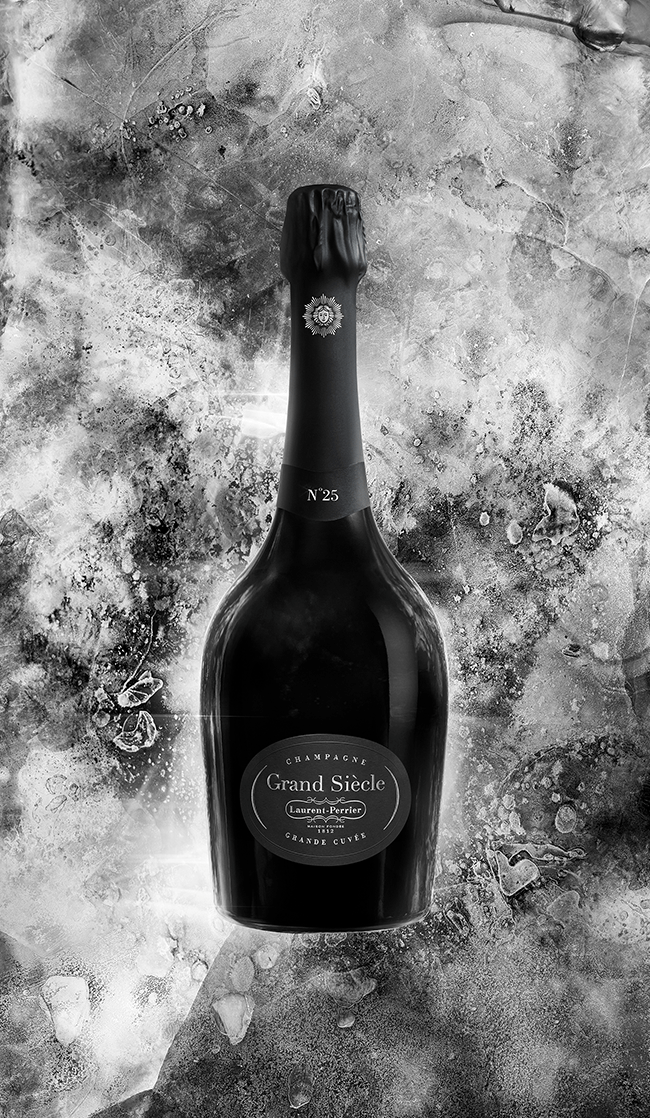
Generally, Prestige Cuvées are vintage wines. Exceptional years are highlighted to reflect the House’s pinnacle expression.
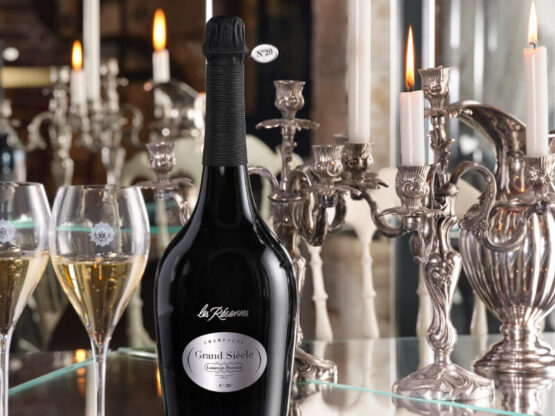
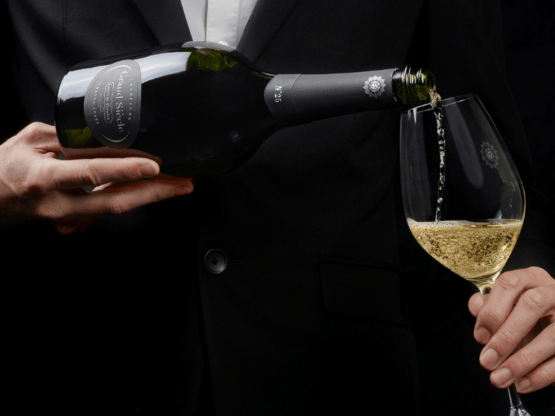
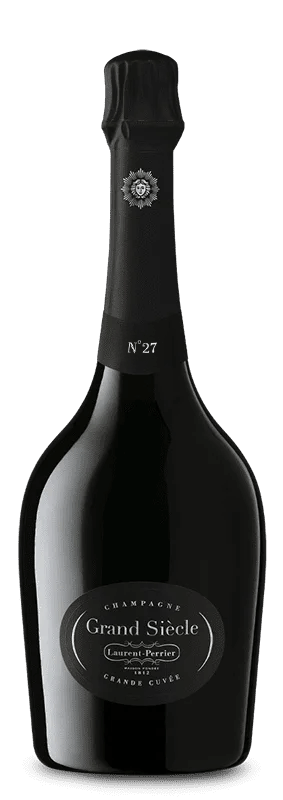
Grand Siècle, Laurent-Perrier’s signature Prestige Cuvée, is an exception: it blends three complementary years to craft a “perfect vintage,” showcasing finesse, complexity, and the House’s signature style, independent of a single year.
Laurent-Perrier Vintage Selection
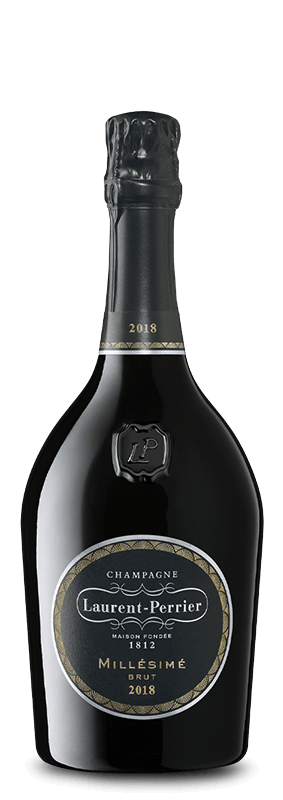
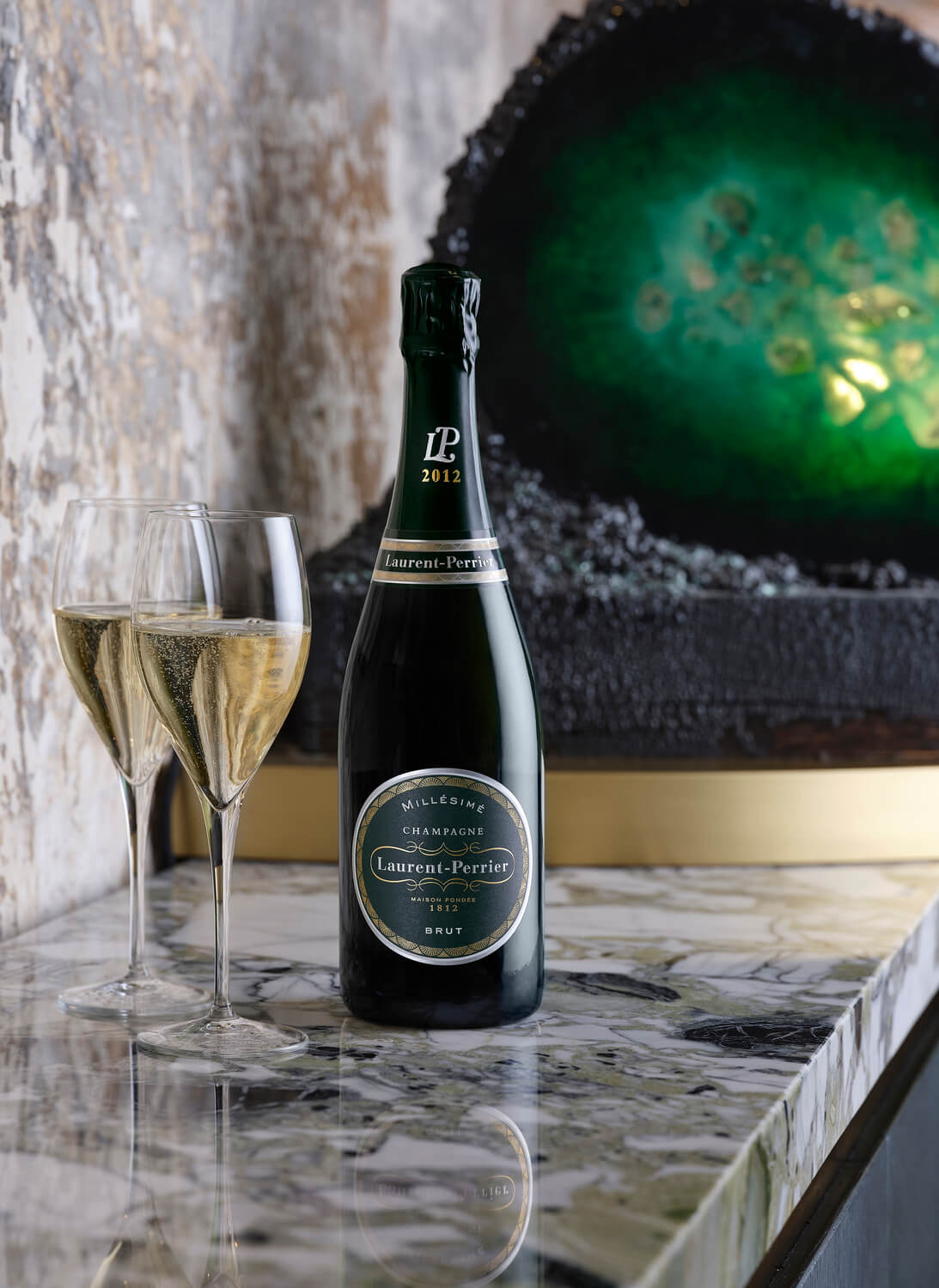
- – Brut Millésimé: – 50% Chardonnay, 50% Pinot Noir. Recent releases: 2015, 2012, 2008.
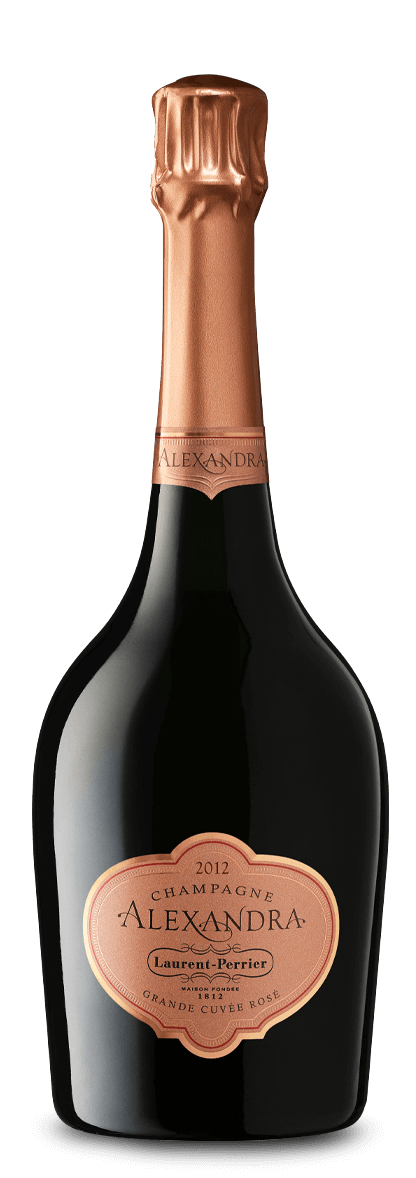
- – Alexandra Rosé Millésimé: – Prestige Rosé produced only when Chardonnay and Pinot Noir reach ideal maturity. Recent releases: 2012, 2004.
This selective approach ensures each vintage expresses purity, elegance, and authenticity.
Why Invest in a Vintage Champagne?
- – Heritage value: Exceptional vintages can appreciate over time.
- – Unique sensory experience: Every vintage tells the story of its year.
- – Perfect gastronomic companion: Ideal for pairing with refined cuisine or for celebratory moments.
FAQ – Everything You Need to Know
What is the best vintage champagne?
Iconic years such as 1990, 1996, 2002, 2008, and 2012 are widely celebrated. Laurent-Perrier Brut Millésimé is a benchmark reference.
Which vintage should I choose?
Recent vintages like 2008 and 2012 offer excellent balance for immediate enjoyment or ageing.
How long can vintage champagne be kept?
Exceptional vintages and Prestige Cuvées can age for decades, often developing complexity and depth over time.
What foods pair best with vintage Champagne?
Vintage champagnes are culinary companions: noble fish, white meats, game, truffles, fine cheeses, and fruit-based desserts all highlight the wine’s structure and freshness.