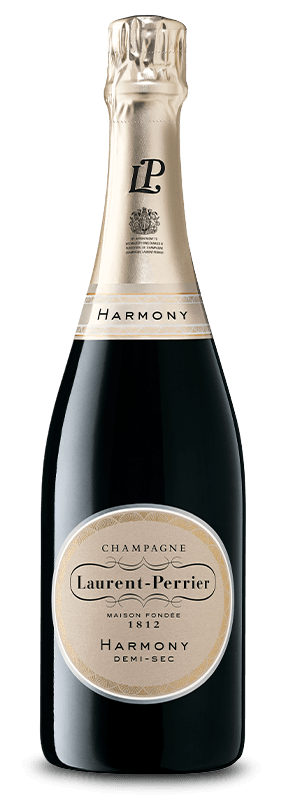
Champagne has fascinated the world for centuries. A symbol of refinement and the French art of living, it inevitably raises an essential question: what is the best Champagne?
The answer cannot be reduced to a single brand or price; it depends on precise oenological criteria, the context of tasting, food pairings, personal preferences, and the chosen moment to enjoy the bottle.
Identifying Origin and Grape Varieties
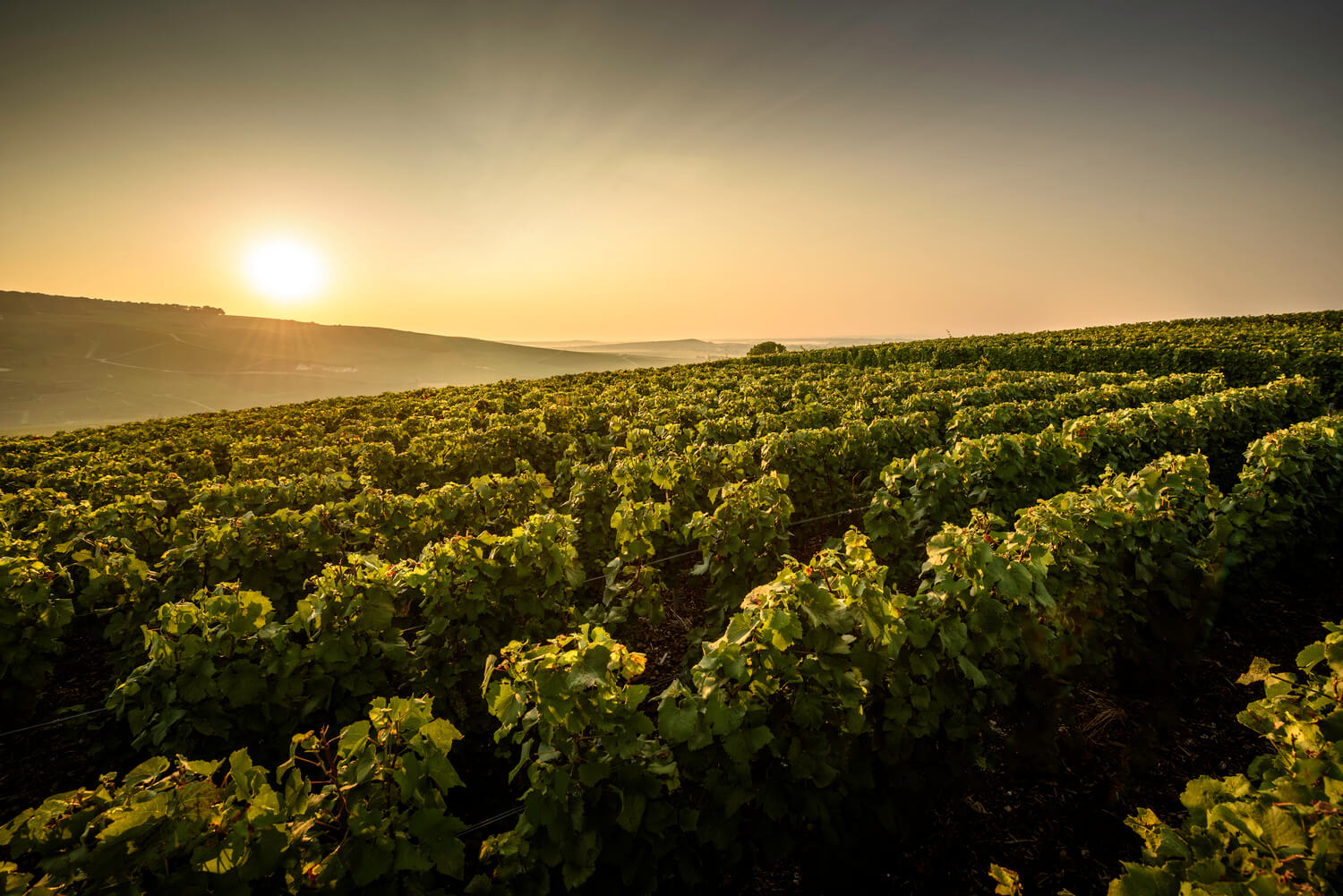
The Expression of Terroir
A quality Champagne expresses the uniqueness of its cru:
- • Soils: chalk, clay, limestone
- • Exposure: orientation to the sun and microclimate
- • Grape Varieties: Chardonnay, Pinot Noir, Meunier
Grands Crus and Premiers Crus are often used for Prestige Cuvées, bringing finesse, depth, and a unique, recognisable style.
Practical exercise: Compare a Blanc de Blancs from the Côte des Blancs with one from the Montagne de Reims. Observe how terroir and blending influence the nose, palate, and aromatic persistence.
The Art of Blending
Blending is the signature of each Champagne house or grower. It combines:
- • Different grape varieties
- • Different crus
- • Base year and reserve wines
The Ageing Potential
The best Champagne is not only enjoyable when released. Prestige Cuvées can age for many years, developing:
- • Evolved and complex aromas
- • A silkier texture
- • Greater length on the palate
Evaluating this potential is essential for enthusiasts and wine merchants.
Practical tip: Store your bottles at a constant temperature and away from light.
Tasting Champagne
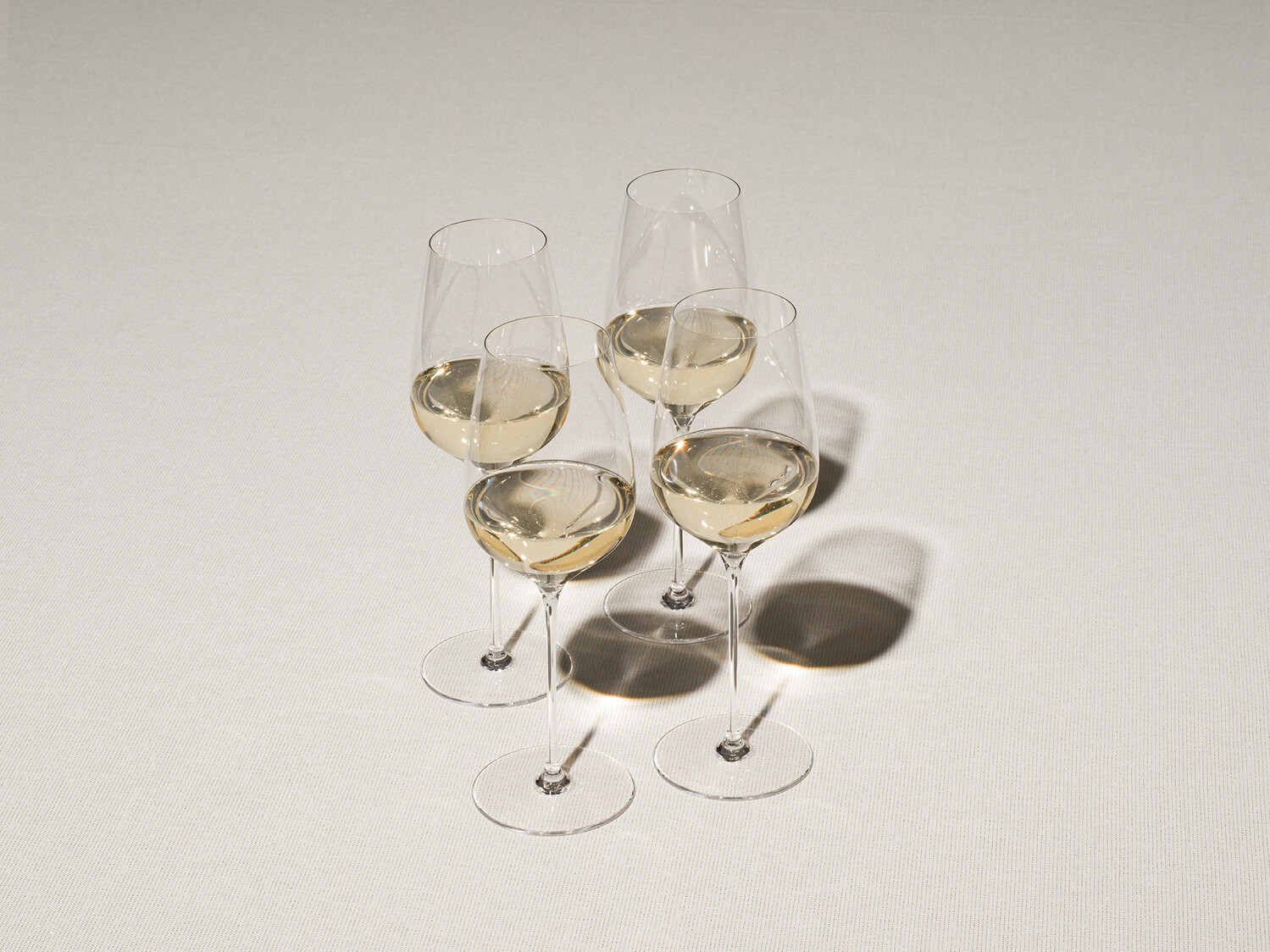
Evaluating an exceptional Champagne is based on precise technical and sensory criteria. Oenologists review every detail to identify the finest wines crafted by winemakers and Champagne houses.
The Eye: Fineness and Persistence of the Bubbles
The bubbles provide the first impression of a Champagne and reveal the wine’s quality. They result from meticulous fermentation and extended ageing on lees.
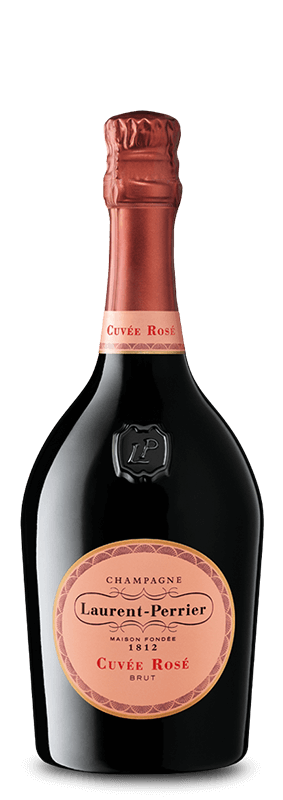
- • Colour and brilliance: a well-crafted Blanc de Blancs displays a luminous pale yellow, while a Rosé Champagne shows vibrant, sustained tones—signs of concentration and masterful extraction.
- • Effervescence: fine, consistent bubbles indicate quality lees ageing. They should rise slowly and harmoniously, forming a persistent mousse.
- • Overall clarity: a clear, brilliant wine reflects careful vinification, whereas a cloudy appearance may signal a flaw or faulty maturation.
Practical exercise: To better appreciate effervescence, tilt your glass slightly and observe the bubbles rising from the base. Consistency and fineness often reveal superior quality.
The Palate: Balance Between Freshness, Tension, and Roundness
A quality Champagne must combine:
- • Freshness: natural acidity that enlivens the wine
- • Tension: minerality and energy that provide relief on the palate
- • Roundness: silky texture and length ensuring perfect harmony
Prestige Cuvées achieve this alchemy with brilliance.
Choosing the Best Champagne
Selecting Champagne According to the Occasion
Even a great Champagne reveals itself differently depending on the moment, setting, and purpose. To make the most of every bottle, it is essential to choose a wine adapted to the context. Here are recommendations for each situation.
- • For a celebration: immediate impact and conviviality matter as much as finesse.
- • For a connoisseur tasting: complexity and analytical depth take precedence.
- • For food pairings: the Champagne’s ability to elevate the dish is key.
| Context | Recommendations | Suggested Champagne Styles |
|---|---|---|
| Celebrations (weddings, birthdays, christenings, etc.) | Create a “wow” effect and please a broad audience | – Prestige Cuvées or Rosé Champagnes – Formats: magnum or jeroboam |
| Tasting among connoisseurs | Compare and analyse Champagnes to refine a critical palate | – Brand comparisons: Grand Maison vs grower Champagne – Vintage comparisons: warm vs cool years – Grape comparisons: Chardonnay vs Pinot Noir |
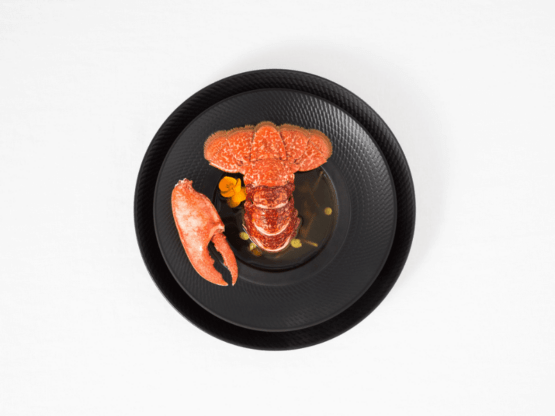
| Food pairings | Select a Champagne adapted to the dish and its aromatic intensity | – Seafood: Brut Nature or Chardonnay-dominant (iodic, crystalline, fresh) – White meats/poultry: Brut Champagnes (balance, complexity/freshness) – Red meats/game: Rosé de macération (intense, aromatic) – Desserts: Demi-Sec (indulgent), Rosés with red fruits |
The Ritual of Service
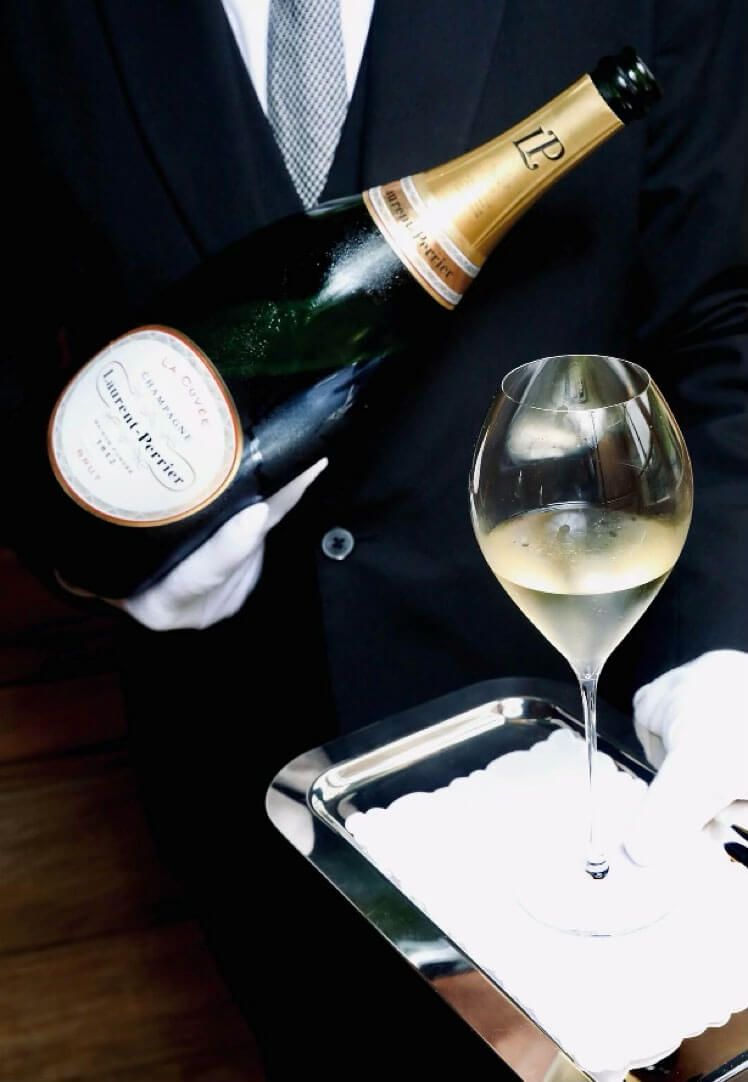
Service plays a decisive role in the Champagne experience. Even the finest cuvée can lose its brilliance if not served under optimal conditions.
- – Temperature: too cold masks aromas; too warm emphasises alcohol. Ideally, Champagne is enjoyed at 8–10°C, with slight variations depending on the cuvée style.
- – Glassware: a flute that is too narrow limits aromatic expression, while a tulip or white wine glass enhances bubble finesse, bouquet richness, and palate complexity.
Properly served, Champagne reveals its full subtlety and elevates every shared moment.
Laurent-Perrier: When Oenological Excellence Meets Emotion
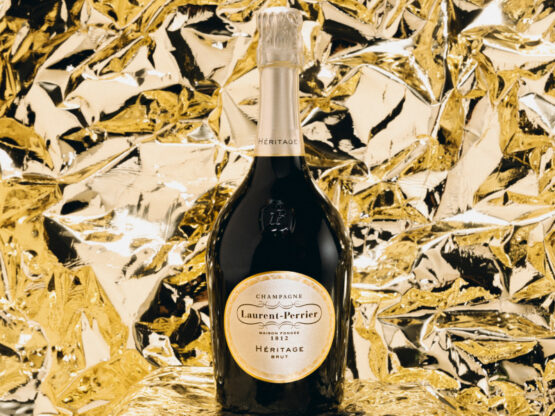
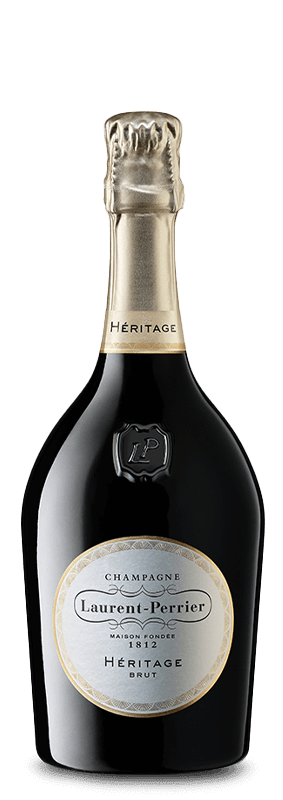
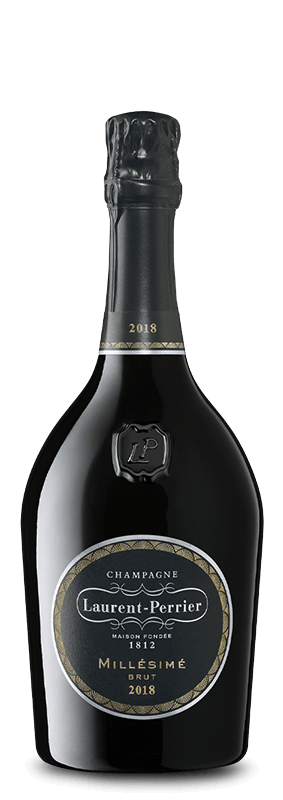
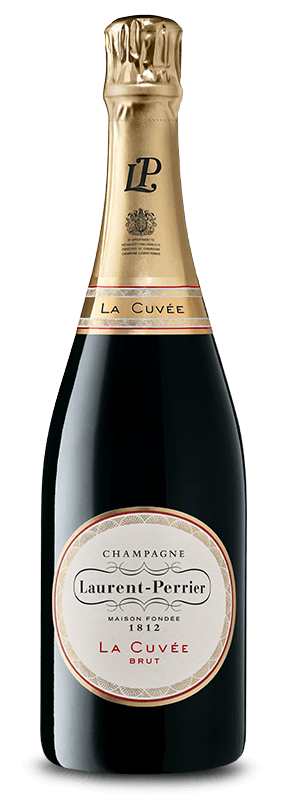
After defining the criteria that identify a great Champagne, certain cuvées naturally emerge as benchmarks. Founded in 1812, Maison Laurent-Perrier embodies this pursuit of excellence through three emblematic expressions.
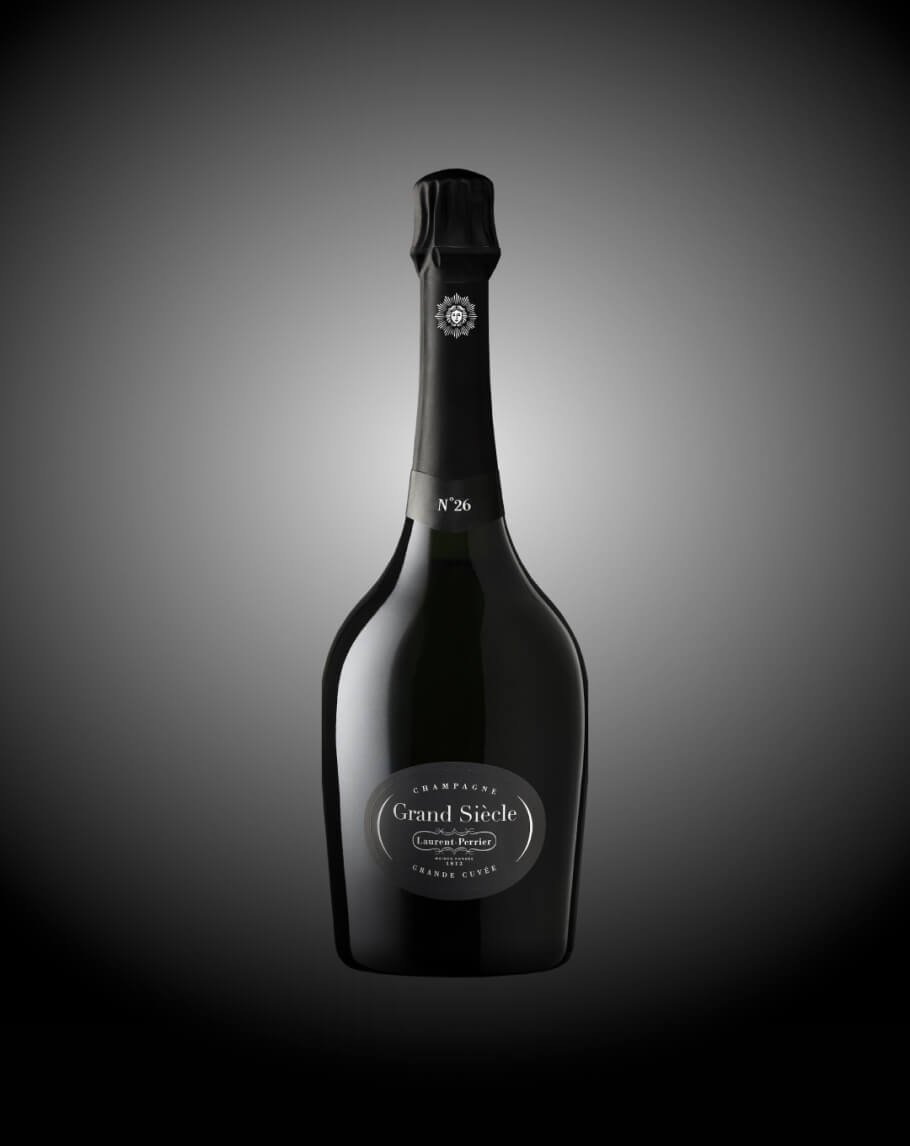
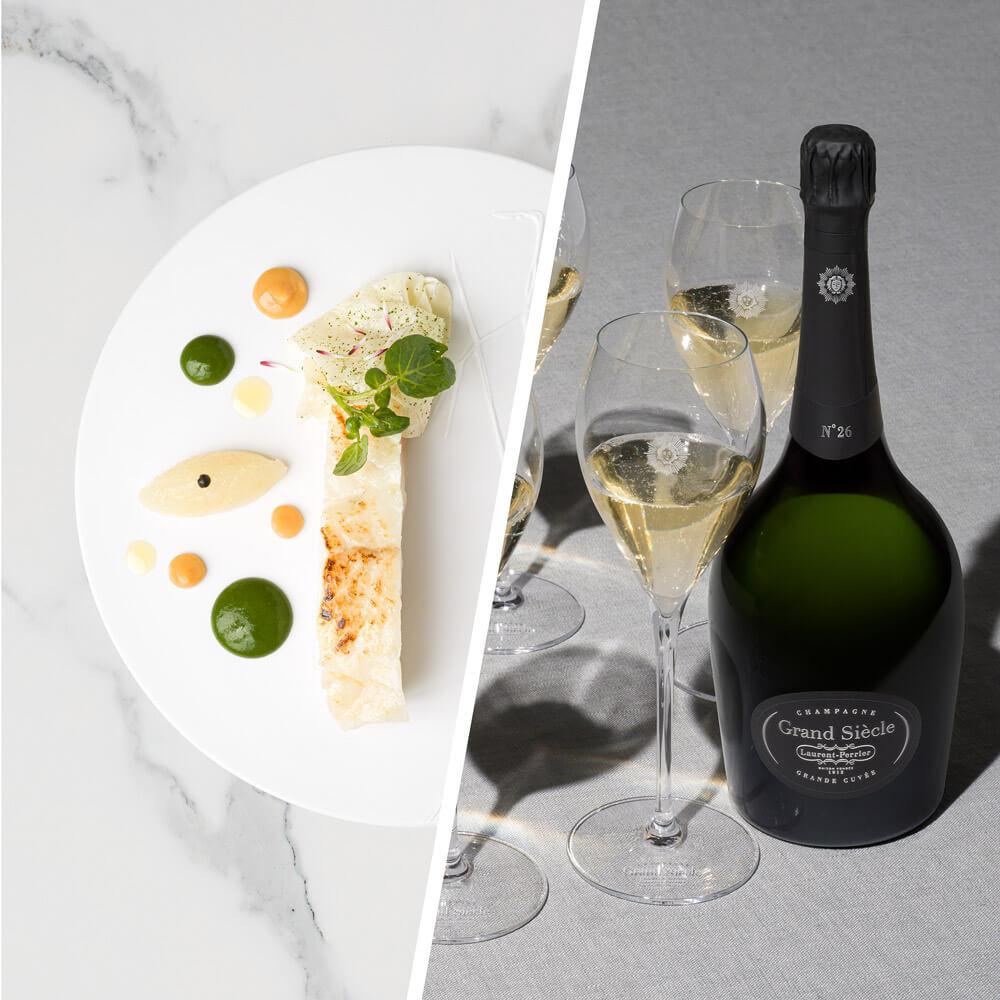
Grand Siècle – The Art of Blending to Recreate the Perfect Year
At Laurent-Perrier, the best Champagne is one that transcends nature itself. Grand Siècle illustrates this vision: recreating the perfect year. The true genius of Champagne lies in the art of blending.
With Grand Siècle, Laurent-Perrier reinvents tradition by creating what nature alone cannot: the perfect year, through the assemblage of three exceptional complementary vintages. A true Prestige Cuvée, it elevates the art of blending reserve wines—heritage and hallmark of the Maison.
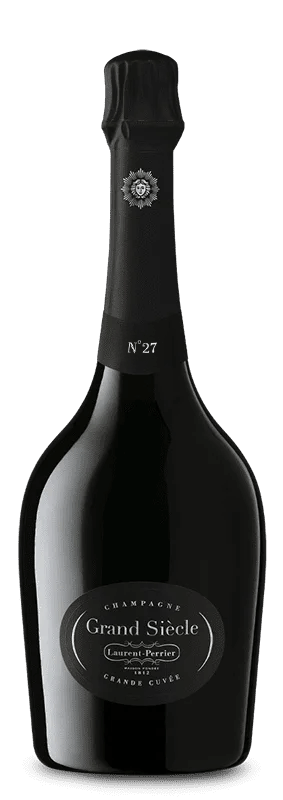
- • Grand Siècle Iteration No. 27 (bottle): the result of the art of blending and the selection of three exceptional years to “recreate the perfect year.” Composed predominantly of Chardonnay complemented by Pinot Noir from Grands Crus, this cuvée is aged for a long time on the lees to deliver exceptional aromatic intensity, combining freshness, complexity, and remarkable ageing potential.
- • Grand Siècle Iteration No. 26 (bottle): a rare alliance of three exceptional vintages, combining depth, elegance, and great aromatic complexity. This exceptional wine was named Best Wine in the World in 2024 with a score of 100 points by James Suckling. It also received 100 points from Michel Bettane in the Guide Bettane & Desseauve published in September 2025.
- • Grand Siècle Iteration No. 24 (magnum): in this format, the wine fully reveals its power and ageing capacity, offering an extended sensory experience. It received a score of 100/100 from the renowned German magazine Falstaff.
- • Grand Siècle Les Réserves Iteration No. 20 (magnum): a rare treasure from exceptional vintages, intended for discerning enthusiasts in search of the ultimate expression of time. It has been awarded 100/100 by a leading critic.
Grand Siècle is not merely a Champagne: it is the demonstration of masterful savoir-faire, recreating the perfect year where precision and the art of time reach their pinnacle.
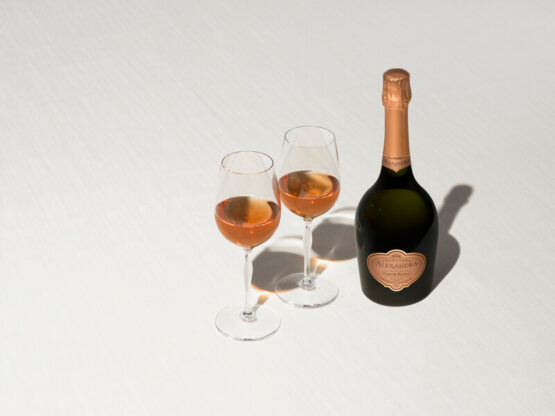
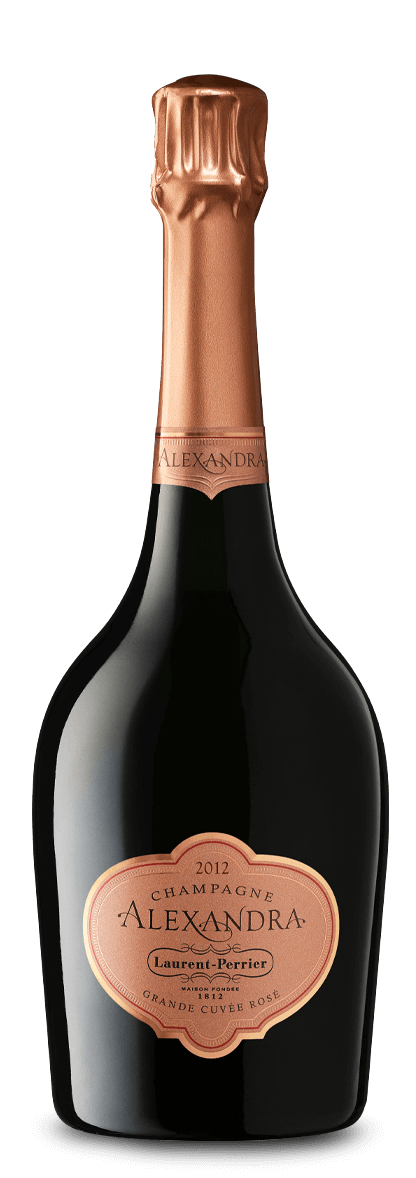
Alexandra Rosé Millésimé – The Perfection of Maceration
Created as a tribute to a great love story, Alexandra Rosé Millésimé is a rare, refined Champagne. Produced using the demanding maceration technique, this intensely expressive rosé reveals the richness of Pinot Noir and Chardonnay Grands Crus.
Its deep pink hue, subtle red fruit aromas, and silky texture make it a wine of exception, ideal for haute gastronomie. The 2012 vintage is among the finest in Champagne. Alexandra Rosé illustrates Laurent-Perrier’s unique savoir-faire in the delicate art of maceration.


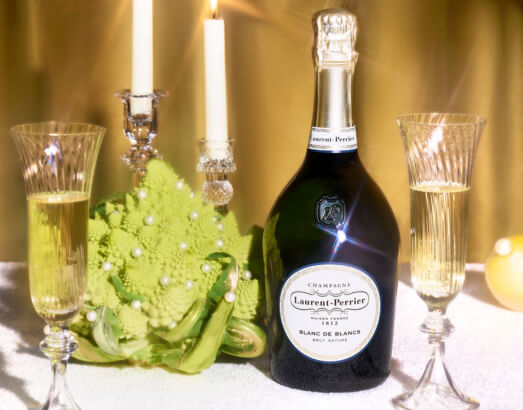
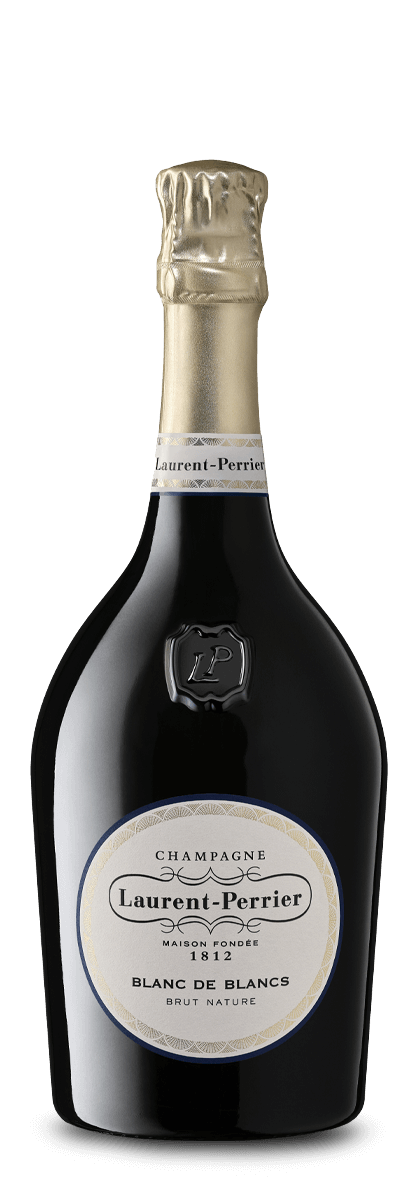
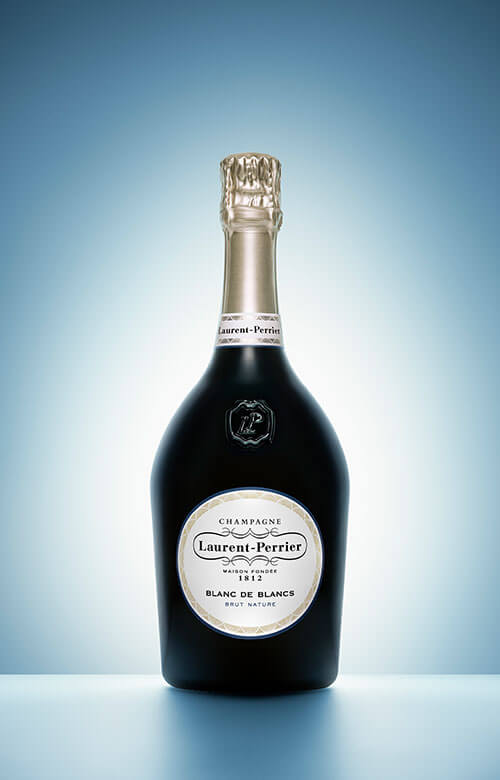
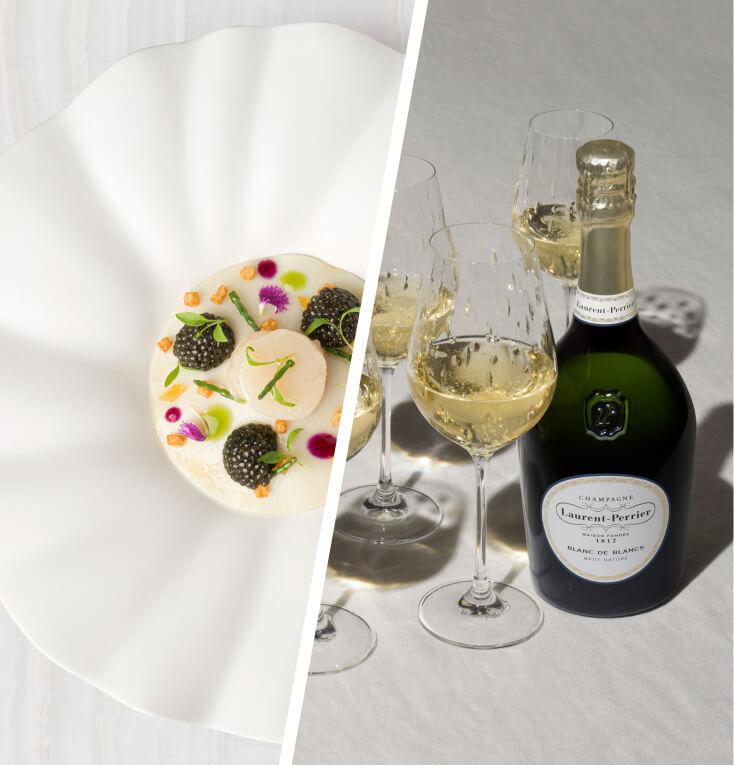
Blanc de Blancs Brut Nature – The Purity of Non-Dosage
A symbol of contemporary precision, Blanc de Blancs Brut Nature showcases the incomparable freshness and minerality of Chardonnay. With no added dosage, it reveals an authentic, sincere expression of terroir.
Sleek, vibrant, and highly precise, it epitomises Laurent-Perrier’s mastery in the art of non-dosage. A Champagne that is both pure and timeless, Blanc de Blancs Brut Nature embodies a modern vision of perfection.
Conclusion
The Connoisseur’s Checklist: How to Recognise an Exceptional Champagne
- 1. Impeccable colour and effervescence
- 2. Rich, evolving aromas
- 3. Perfect palate balance: freshness, tension, roundness
- 4. Harmony between grape varieties and vintages
- 5. High ageing potential
- 6. Capacity to elevate a moment or dish
If most of these criteria are present, you are facing one of the world’s finest Champagnes.
So, what is the best Champagne?
The best Champagne is the one that moves you and magnifies a unique moment.
For Laurent-Perrier, this excellence is expressed through three emblematic cuvées: Grand Siècle, Alexandra Rosé Millésimé, and Blanc de Blancs Brut Nature. Each illustrates a facet of the Maison’s savoir-faire and offers a singular experience, always guided by an uncompromising pursuit of excellence and timeless elegance.
Because the best Champagne is not just a wine—it is an encounter with excellence, precision, and the art of time.
FAQ – How to Choose the Best Champagne?
Which guides can help in selecting a Champagne?
Several specialised guides highlight the finest cuvées. In France, key references include the Guide Bettane+Desseauve, La Revue du Vin de France, and the Guide Hachette des Vins. Internationally, one can rely on Wine Spectator, Robert Parker’s The Wine Advocate, or Decanter magazine.
Where should you buy the best Champagne?
The best place to buy Champagne depends on your needs. Specialised wine merchants offer a curated selection and expert advice, while Champagne Maisons’ official websites allow you to purchase directly from the producers.
Which Champagne should you choose in a restaurant?
In a fine dining establishment, the sommelier is your best ally. He or she will recommend a cuvée suited to the menu, the season, and your personal taste — whether for an aperitif, a fish dish, meat, or dessert.
How can you be sure you are choosing a good Champagne?
To be certain of making the right choice, rely on recognised wine guides, seek advice from a trusted wine merchant, or follow the recommendations of a sommelier in a gastronomic restaurant.