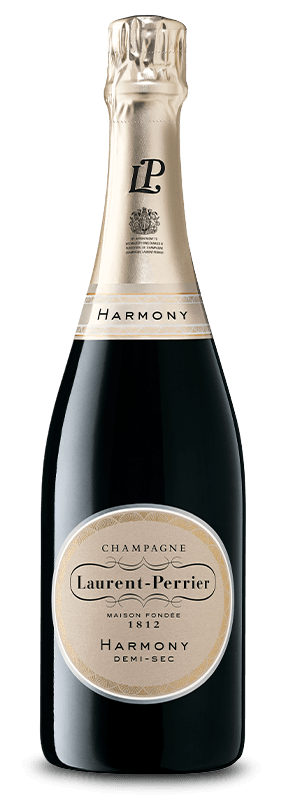
Champagne is an exceptional wine, a symbol of elegance and the art of living in France. But faced with the diversity of sparkling wines, one question often arises: how can you know how to pick the best champagne?
A great champagne is distinguished by much more than its effervescence: it reflects a unique terroir protected by the Appellation d’Origine Contrôlée in the Champagne region, the winemaker‘s expertise, and a pursuit of balance. The House of Laurent-Perrier invites you to this guide to champagne to discover the essential criteria for identifying a perfect bottle.
What Characterizes an Exceptional Bubbly?
Recognizing a prestigious cuvée means understanding that it is not just a standard sparkling wine, but a great wine in its own right. Unlike other sparkling wines like Prosecco, the way champagne is made involves a long and complex process. A quality selection is distinguished by:
- – The finesse of its bubbles.
- – The purity of its aromas and flavors (flowers, dried fruits, citrus).
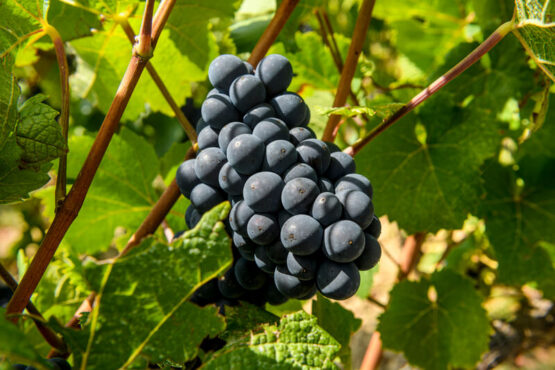
- – The balance between the main white grapes and red and white varieties used to make the blend: Chardonnay, Pinot Noir, and Meunier.
It is this level of excellence that makes big champagne houses such as Laurent-Perrier famous around the world.
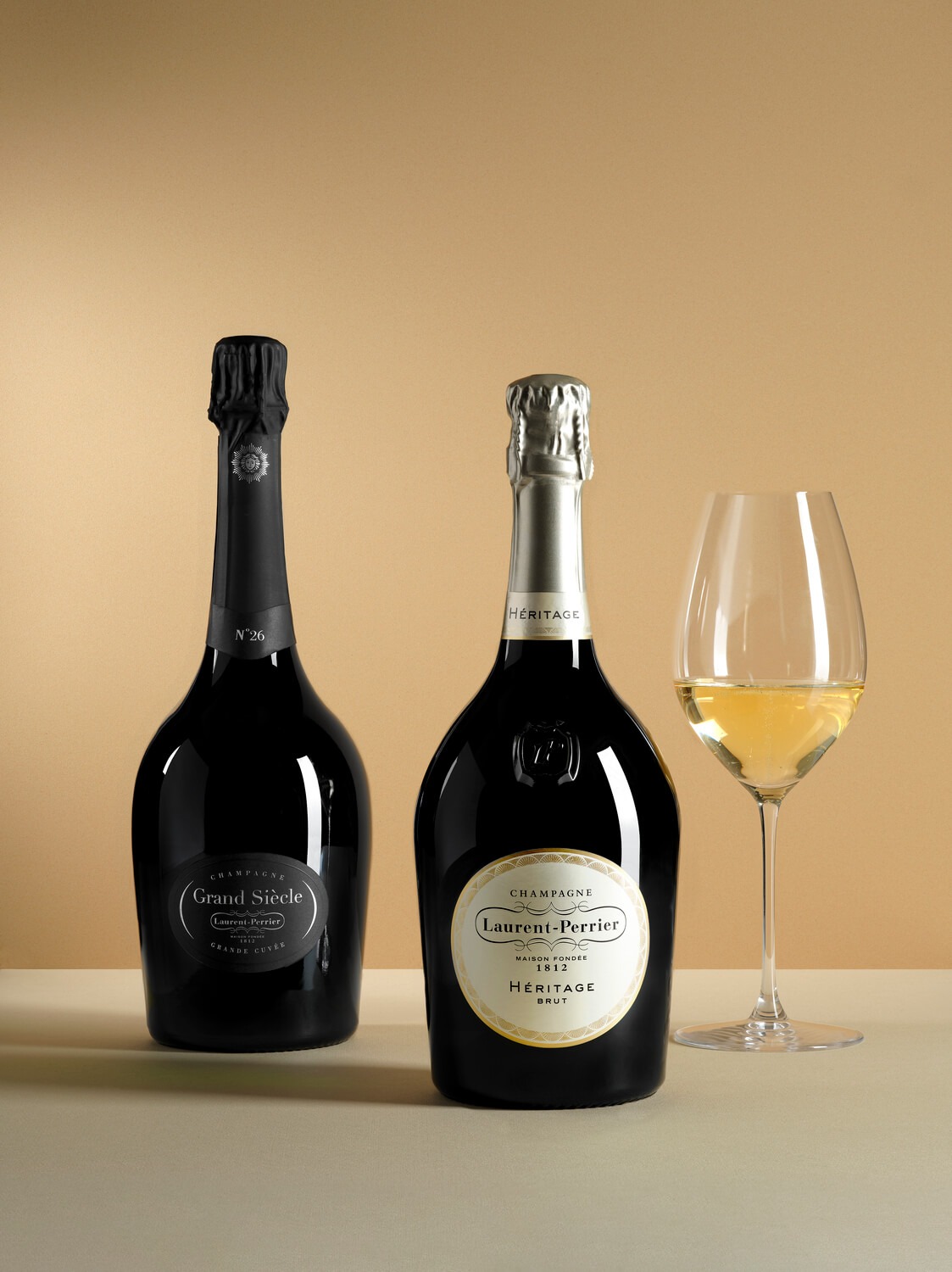
How to Recognize a Good Champagne: Essential Criteria
Fine and Regular Bubbles
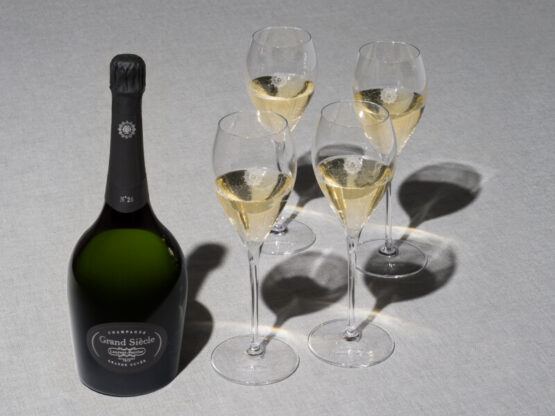
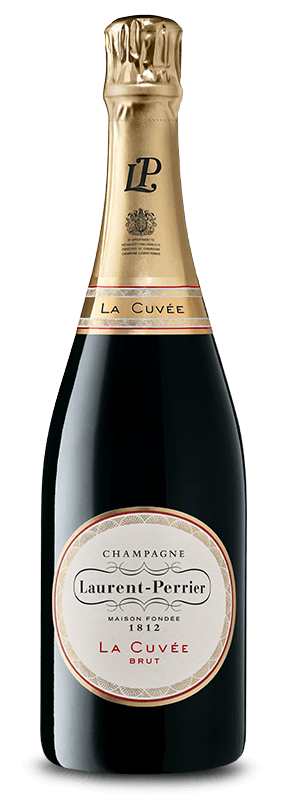
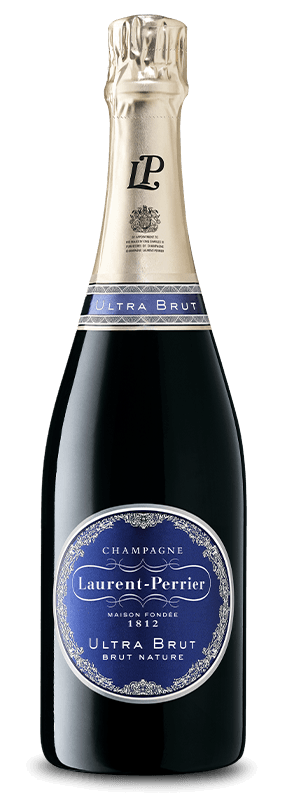
The first visual sign is the effervescence. Quality champagnes have fine bubbles and a light mousse. Small, delicate bubbles are usually a sign of long aging. At Laurent-Perrier, the pursuit of finesse is constant, as you can see in La Cuvée.
Clarity of the Wine and Its Color
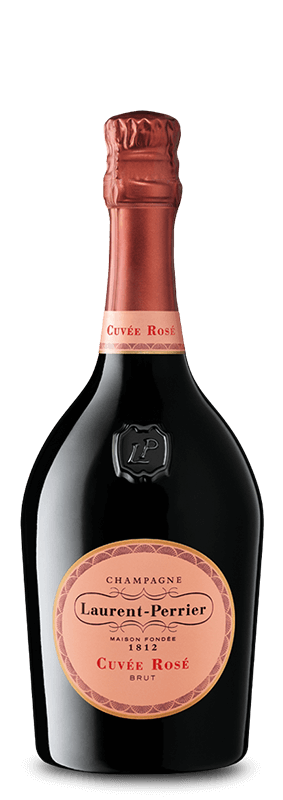
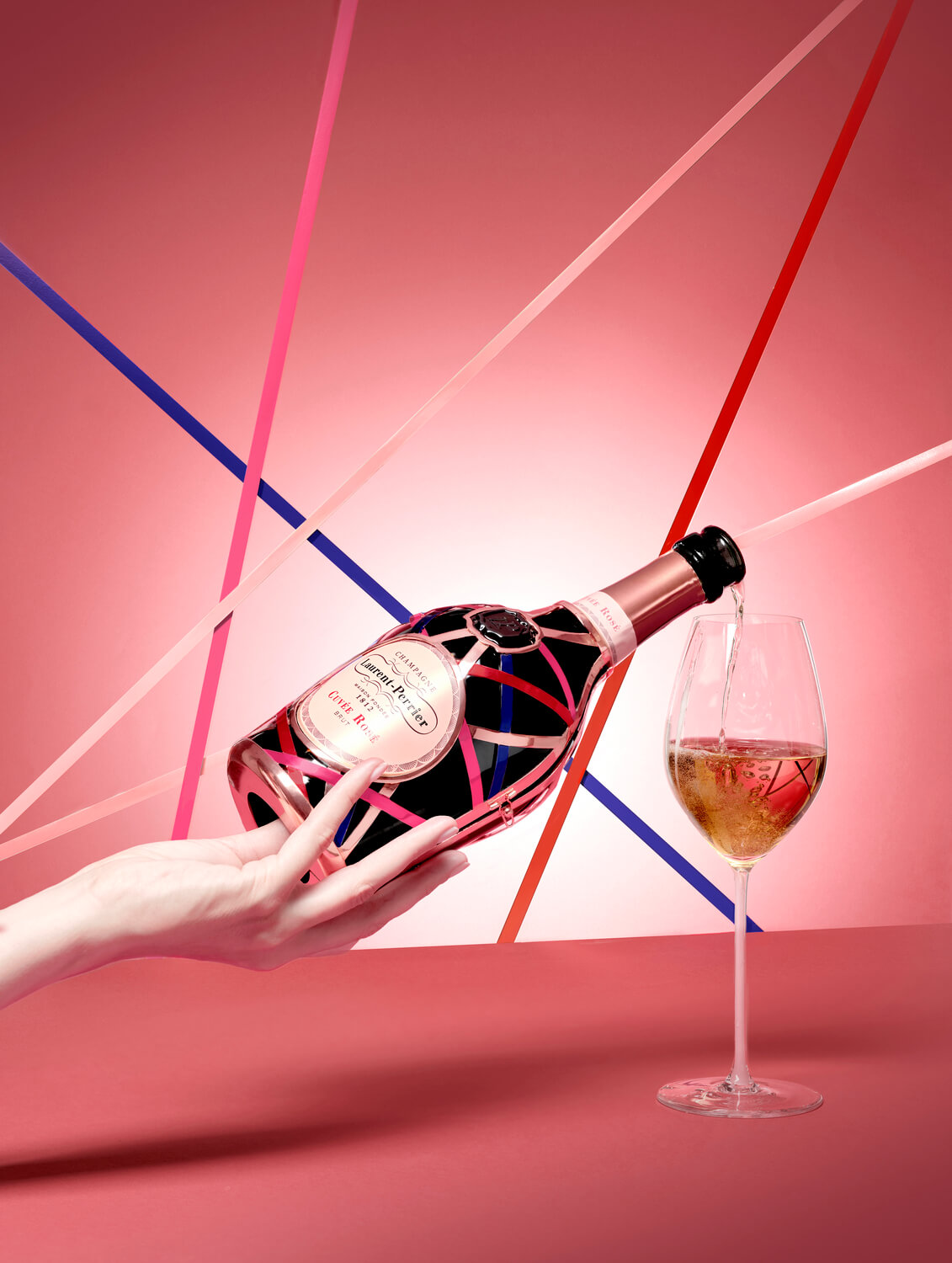
The wine must be clear and bright. Depending on the different champagnes, the color ranges from pale gold for a classic white wine to salmon for a brut rosé. Chardonnay provides this crystalline brilliance, while red and noirs grapes structure the color.
Aromatic Expression and Varieties
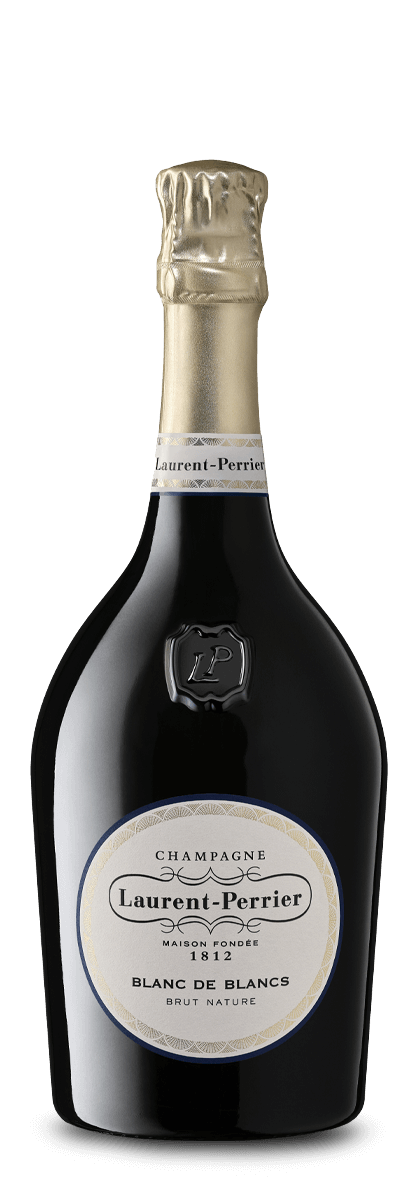
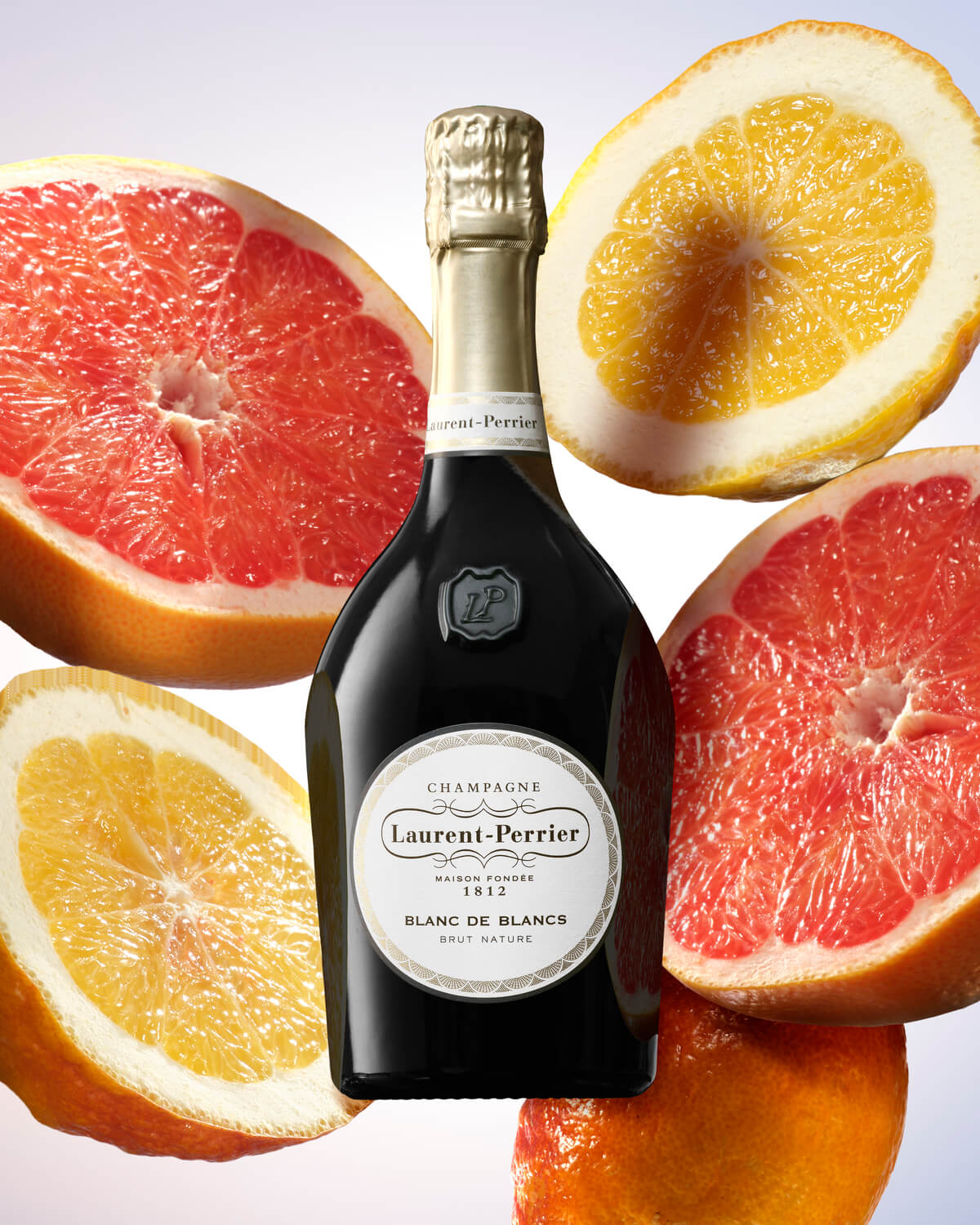
A good champagne is recognized by its nose. It should reveal a refined palette of fruit and brioche notes. A Blanc de Blancs champagne (100% white grapes) will be floral, while a Blanc de Noirs (made from Pinot Noir or Meunier) will offer more power.
Balance on the Palate and Dosage
Tasting is the ultimate criterion to enjoy the experience. A great wine should be dry without being too acidic. The amount of sugar added is crucial:
- – Brut Champagne: The classic dry style.
- – Extra Brut or Brut Nature: No sugar added, revealing the wine in its absolute purity.
Analyzing the Label: Key Information
To choose a bottle of champagne well, learn to read the label. It contains information about where the wine comes from:
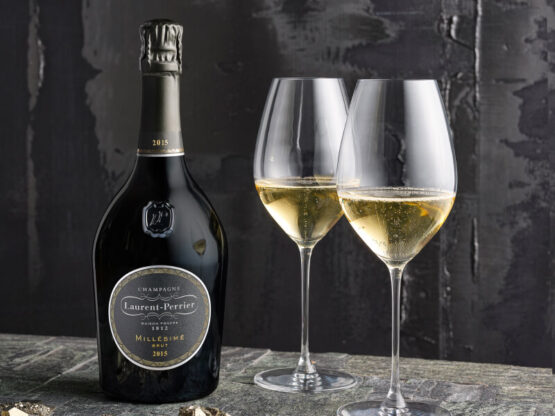
- – NM (Négociant Manipulant): Like Laurent-Perrier, which purchases grapes and produces its own wines.
- – RM (Récoltant Manipulant): A grower champagne where the grower cultivates and sells their own production.
- – CM (Coopérative de Manipulation): Growers grouped together to market their wines.
Terroir and Vintage Champagnes
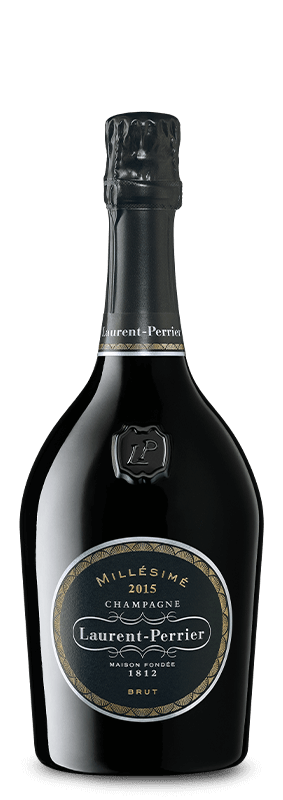
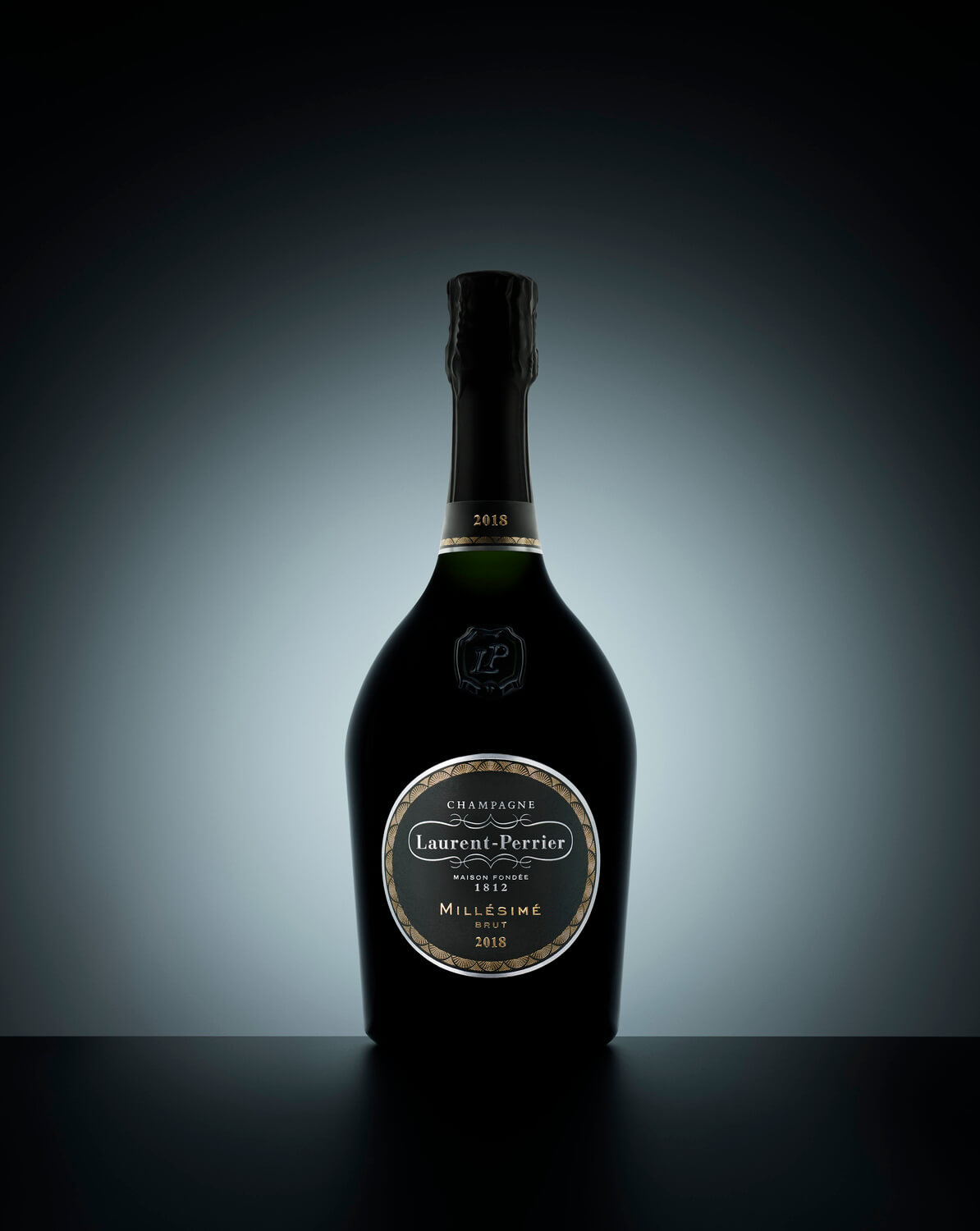
The mention of the champagne region of France is mandatory. A vintage champagne (from a special occasion year) or a Grand Cru mention are guarantees of superior quality. These wines require much longer cellar aging, sometimes many years, to create unique flavors. You might even see a date of disgorgement on some special bottles.
Signs to Avoid When Purchasing
- – Bubbles that are too coarse or “big.”
- – A champagne that tastes too sweet, masking defects.
- – Any bottle exposed to light for a long time.
Conclusion: Choosing Your Champagne with Accuracy
- Recognizing a good champagne means seeking harmony for a special occasion. Whether you want to share a bottle with your favorite people or find a gift at a specific price point, rely on the brand consistency. A great wine will not find its equal in common sparkling wines.
- At Laurent-Perrier, this quest for elegance makes the bubbles a source of joy, offering a taste that can be found from year to year.
FAQ
How can I tell if a champagne is of good quality?
Check the finesse of the bubbles and the length on the palate during the tasting. Many people look for a specific brand recognized for its quality.
Is champagne always a white wine?
Usually, yes, but champagne can also be a brut rosé. It depends on the grapes used to make the wine.
What is the average price for a good bottle?
The price point can vary, but quality comes from the terroir and the time spent in the cellar. You will find that an authentic wine from the region of France is impossible to get at a very small price.
Where can I find my favorite cuvée?
You can look for a local wine store or check our online selection. (For your privacy choices, please refer to our dedicated page).