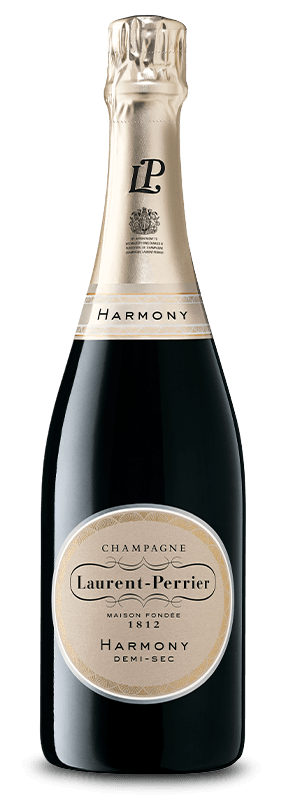
Champagne is above all a wine of balance, recognized for its freshness, finesse, and lightness on the palate. But behind its elegant bubbles lies a precise detail many drinkers need to know: the champagne alcohol content. When you drink this alcoholic beverage, you are enjoying a legacy from a specific region of France.
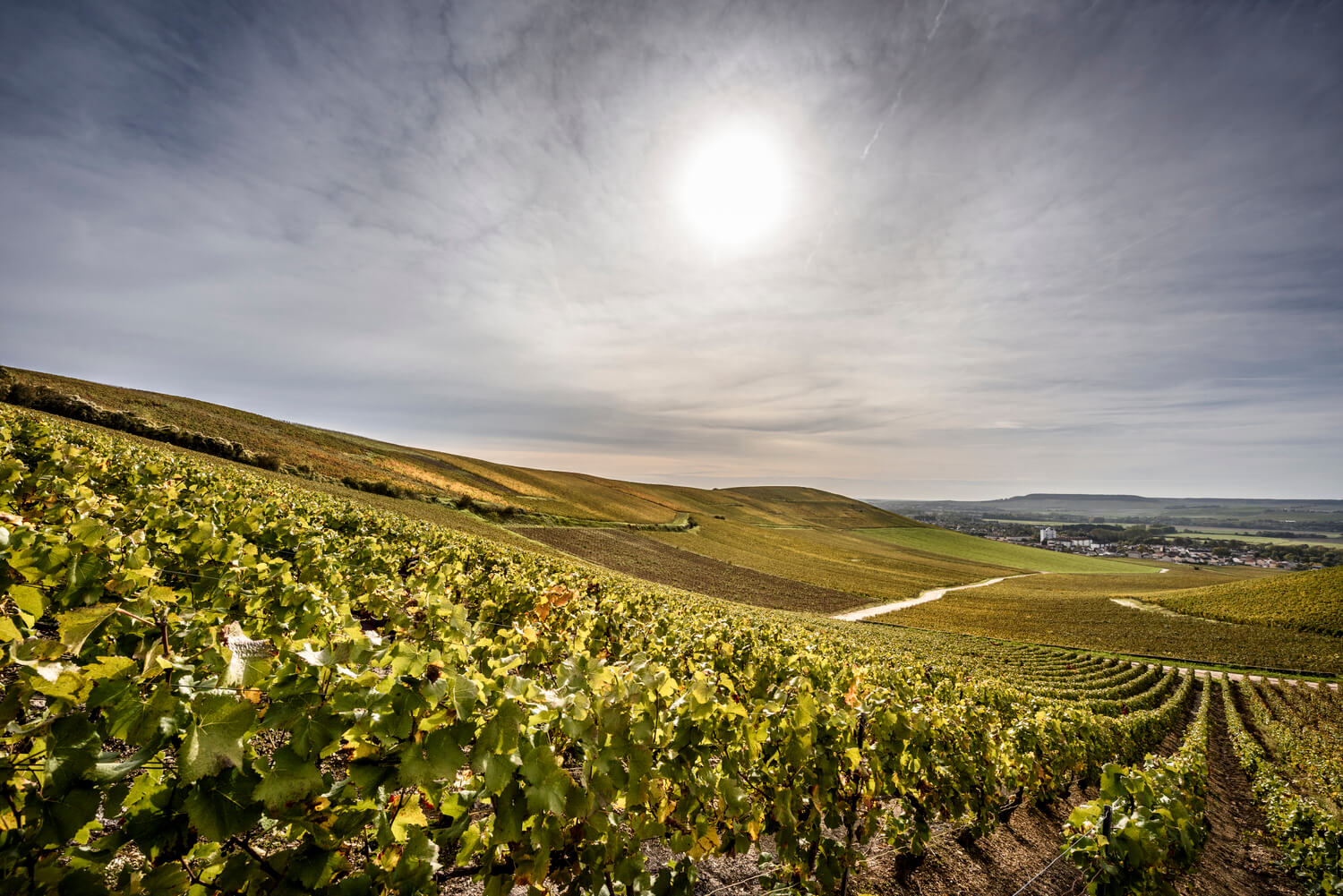
In general, a standard 75 cl bottle of champagne contains an alcohol percentage between 12% and 12.5% alcohol by volume. This percentage places it in the same range as great still European wines, whether from Burgundy, Bordeaux, or Alsace. Variations remain low, reflecting the Champagne climate and terroir, and demonstrating the consistency of the Champagne vineyard. While some alcoholic drinks vary wildly, champagne alcohol is usually around this stable number.
Alcohol levels and actual quantity
The alcohol levels depend on several factors: the vintage, the style of cuvée, and the grape varieties used. For a standard bottle of wine from this region, the amount of alcohol follows these standards:
- – 12% vol.: the most common alcohol content of champagne
- – 12.5% vol.: for certain vintages or specific cuvées with a slightly high alcohol content
- – Rarely 11.5% or 13% vol., depending on climatic conditions and winemaking choices
The amount of pure alcohol in champagne can be easily calculated: 0.75 L × 12% = 0.09 L, or about 71 g per bottle. This represents the active substance that contributes to the champagne alcohol percentage, while preserving its freshness and elegance. You don’t need to know complex math to feel the difference, but you should keep in mind that much of the blood alcohol content comes from the speed of the bubbles.
Where does the alcohol in champagne come from?
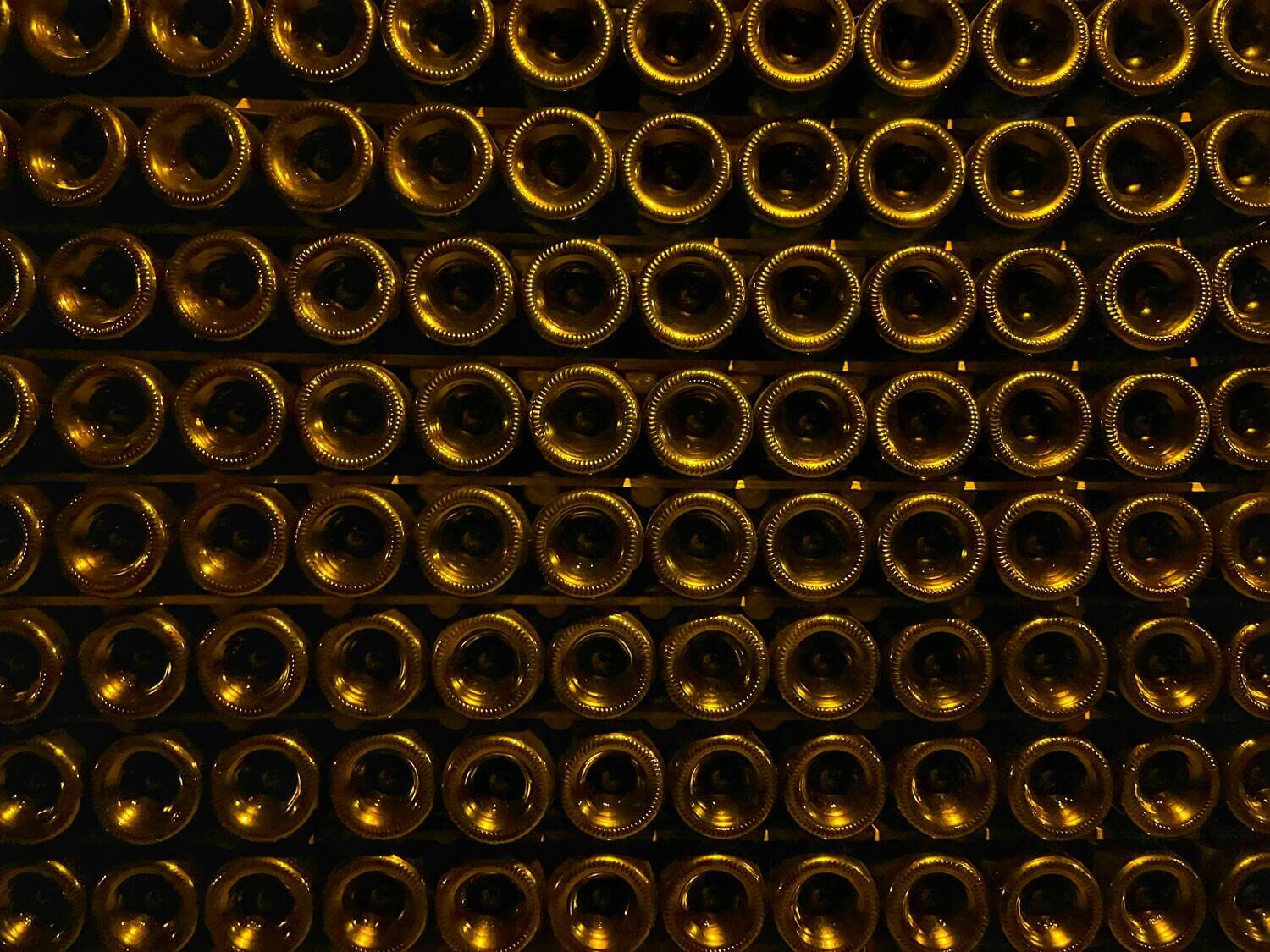
Most of the alcohol is produced during the first alcoholic fermentation, when yeast transforms the natural sugars of the grapes (chardonnay, pinot noir, meunier) into alcohol and carbon dioxide. This creates the base white wine.
The second fermentation, called “prise de mousse,” occurs in the bottle according to the Champagne method. It adds only 1 to 1.3% vol. more and transforms the wine into a true sparkling wine, thanks to the action of the sugar and the “tirage liqueur.” This makes champagne stronger than its initial still version.
The final dosage, via the “liqueur d’expédition” (sometimes called the dosage liquor), is very moderate: it adjusts the taste balance without increasing the alcohol level, ensuring a perfectly harmonious Brut or Blanc de Blancs. Many people know that this liquor defines the style, from lower alcohol content profiles to sweeter ones.
Practical guidelines for drinking
To better gauge consumption and help you take it easy, remember that how much alcohol you drink matters. Drinking responsibly is key:
- – A glass (10 cl) of champagne at 12% corresponds to about 1 unit of alcohol.
- – A standard bottle (75 cl) represents 7 to 7.5 units.
How many glasses of champagne does it take to feel the effects? Comparing wine and champagne is useful. Some wonder if champagne gets you drunk faster; it is not stronger than wine in terms of volume, but the carbonation can get you drunk more quickly than a flat red wine. Compared to other sparkling wines and alcoholic beverages:
- – Very low: Moscato d’Asti 5–6%, Brachetto d’Acqui 5–7%
- – Classic lower alcohol: Riesling Kabinett 8–9%, Clairette de Die 7.5–9%
- – Standard: Burgundy, Bordeaux, dry rosés, Champagne 12–12.5%
- – Strong: Châteauneuf-du-Pape, Amarone 14–15.5%.
– Stronger: a shot of liquor is usually 40%
Thanks to its structure and meticulous production, champagne falls within the classic wine range—neither too low nor too strong. To avoid getting too drunk, always enjoy a glass of bubbly with food.
Key takeaways
- – A bottle of champagne contains around 12–12.5% alcohol by volume.
- – Alcohol comes mainly from the first fermentation, supplemented by the prise de mousse, and adjusted with the liqueur d’expédition.
- – Grape varieties, terroir, and the Champagne method ensure consistency and finesse, whether for a rosé, a brut, a Blanc de Blancs, or a classic white wine.
- – Many people know about champagne, but at Laurent-Perrier, balance, precision, and mastery of the process always take precedence over sheer strength.
– Take it easy when you drink; even a lower alcohol drink can affect blood alcohol if you drink too much too fast.
– Whether you have one glass of wine or two drinks, always drink water between alcoholic servings.