Table of Contents
- The Most Commonly Consumed Fish
- Where Different Fish Are Caught
- Which Fish to Buy and When
- Wild, Farmed, and Line-Caught Fish
- Signature Recipes and Recommended Wine Pairings
- White Wine: Classic Pairings
- Red Wine with Fish: When It Works
- Champagne with Fish
- Conditions for a Successful Fish and Red Wine Pairing
- Wine, Red Wine, White Wine… and Champagne?
- Main champagne profiles
- Laurent-Perrier champagnes and fish
- Conclusion: What to Drink with Fish
The Most Commonly Consumed Fish
In Europe, certain categories dominate:
- – White fish with delicate flesh: sole, sea bass, turbot, cod, whiting, pollock, coley.
- – Firm or noble fish: monkfish, John Dory, red mullet, tuna, swordfish.
- – Oily fish: salmon, trout, mackerel, sardine, herring.
Each type has its own texture, aromatic intensity, and culinary affinity. These are precisely the factors that guide the choice of wine and Champagne.
Where Different Fish Are Caught
Fishing regions strongly influence taste and texture:
- – Northeast Atlantic: cod, hake, pollock, mackerel, sardine, sole, line-caught sea bass.
- – English Channel / North Sea: herring, mackerel, whiting, sole, turbot.
- – Mediterranean: gilt-head bream, red mullet, sea bass, mackerel, octopus, rock fish.
- – Nordic/Subarctic waters: wild salmon, cod, haddock.
- – Aquaculture: farmed salmon, trout, sea bass, bream, turbot, and select exotic species.
This geography affects flesh quality, fat content, and sometimes mineral notes, all essential when considering wine or sparkling wine pairings.
Which Fish to Buy and When
Respecting seasonality ensures both quality and sustainability:
| Fish | Flesh Type | Preferred Season |
|---|---|---|
| Sole | Fine, delicate | Autumn-early spring |
| Sea bass | Fine, slightly firm | Autumn-winter |
| Gilt-head bream | Aromatic | Spring-summer |
| Turbot | Noble, firm | Winter-spring |
| Cod | White, flaky | Winter-early spring |
| Monkfish | Firm | Year-round (excluding spawning) |
| Salmon | Oily | Year-round, check origin |
| Trout | Fine/oily | Spring-summer |
| Mackerel | Very oily | Spring-early summer |
| Sardine | Flavoursome | Summer-early autumn |
| Red mullet | Noble, aromatic | Summer-autumn |
Always prioritize freshness, responsible sourcing, and short supply chains for the best gastronomic experience.
Wild, Farmed, and Line-Caught Fish
Line-caught fish often has firmer, less stressed flesh — ideal for delicate preparations like sea bass or bream.
Farmed fish today benefits from traceability and high quality; a well-managed salmon or turbot is excellent for seafood dishes when origin is carefully selected.
Guiding principle: freshness, quality, and responsibility first, then choose the ideal wine, red wine, white wine, or sparkling wine.
Signature Recipes and Recommended Wine Pairings
| Fish | Recipe | Cooking | Wine Style | Appellation Examples |
|---|---|---|---|---|
| Sole | Sole meunière, hazelnut butter, lemon | Pan-fried | Fine, mineral white | Chablis Premier Cru, Sancerre |
| Sea bass | Roasted line-caught sea bass, olive oil, herbs | Oven | Structured dry white | Pessac-Léognan Blanc, Coteaux d’Aix |
| Turbot | Oven-roasted, Champagne sauce | Oven | Opulent white | Meursault, Hermitage Blanc |
| Cod | Steamed cod, crunchy vegetables | Steam | Lively saline white | Chablis, Muscadet |
| Monkfish | Roasted with pancetta, rosemary | Oven | Broad aromatic white | Saint-Joseph Blanc, Crozes-Hermitage Blanc |
| Salmon | Grilled, lemon butter | Grill | Rich yet fresh white | Pouilly-Fumé, Graves Blanc |
| Trout | Meunière with almonds | Pan-fried | Dry floral white | Alsace Pinot Blanc, Vouvray Sec |
| Mackerel | Grilled, mustard herb marinade | Grill | Lively aromatic white | Picpoul de Pinet, Côtes de Gascogne |
| Sardine | Grilled, olive oil, lemon | Grill | Light, fresh white | Corsican Vermentino, Provence White |
| Gilt-head bream | Roasted with fennel, citrus | Oven | Structured Mediterranean white | Cassis Blanc, Bandol Blanc |
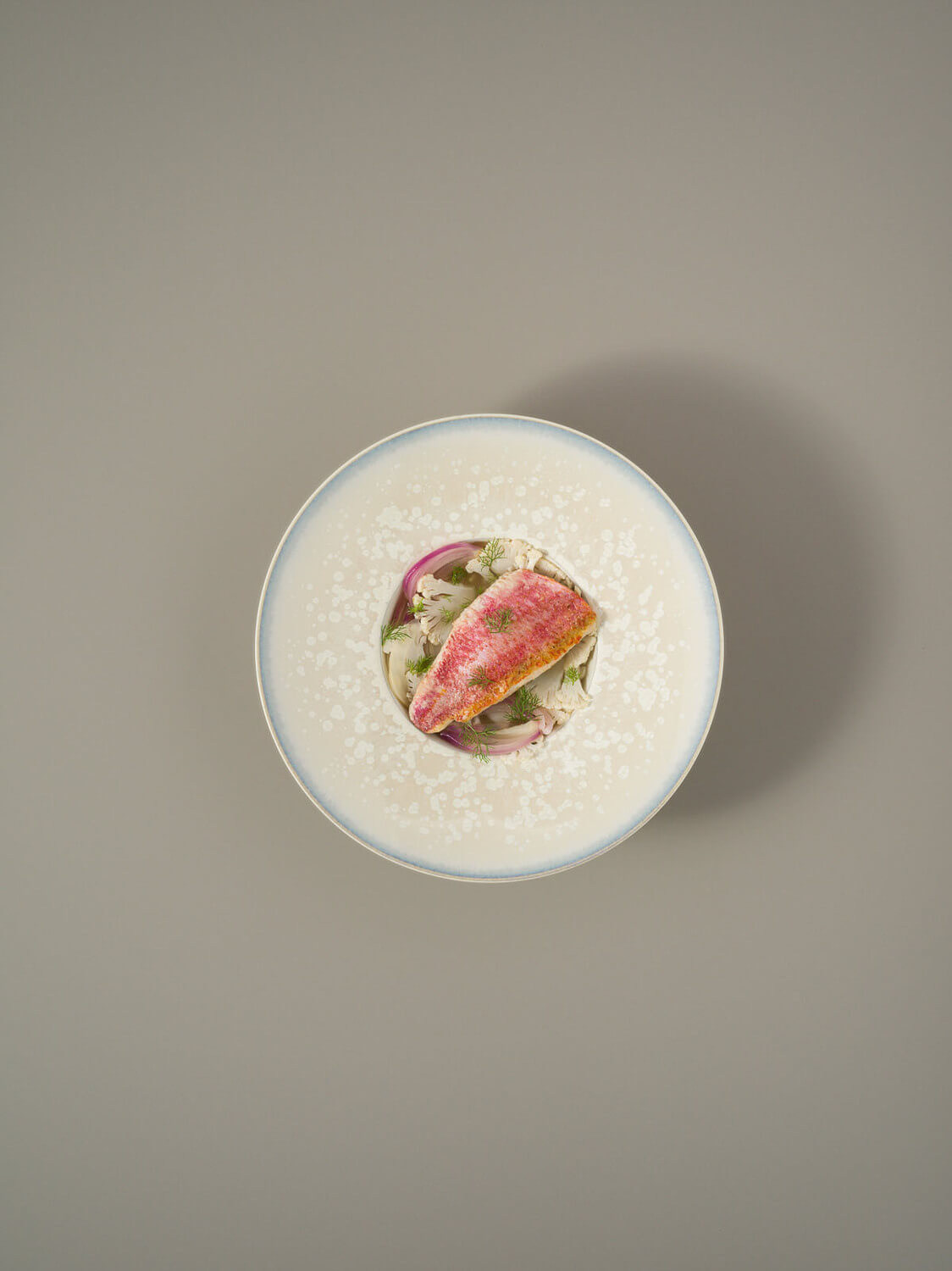
| Red mullet | Pan-seared, shellfish jus | Pan-fried | Full-bodied, gastronomic white | Condrieu, Provence white aged on lees |
White Wine: Classic Pairings
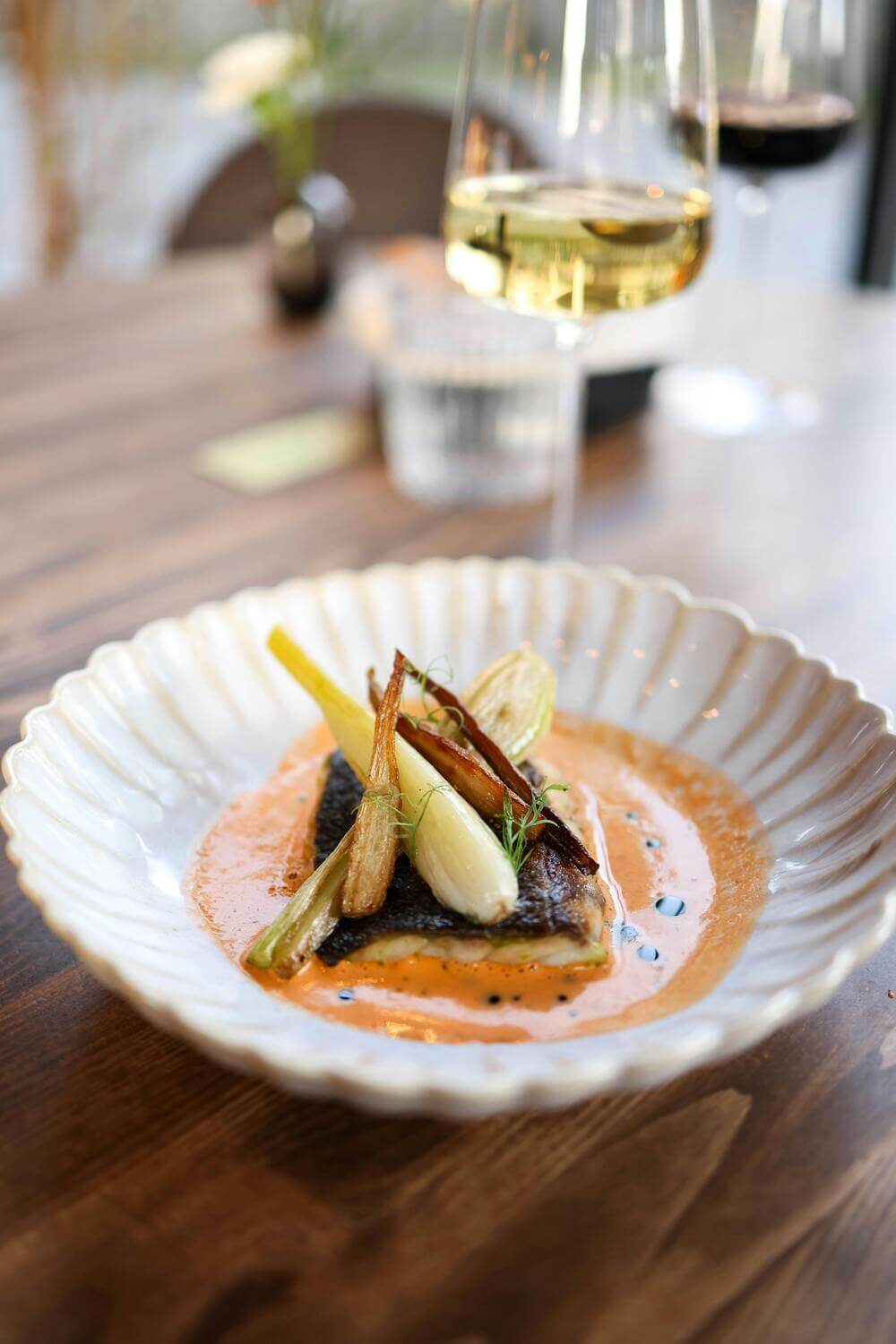
- – Simply prepared fish: steamed, grilled, plancha-cooked, with lemon or citrus sauces. Dry, mineral white wine highlights freshness. Examples: Chablis Premier Cru, Graves, Pessac-Léognan.
- – Rich fish sauces: beurre blanc, lemon cream, or reductions. Opulent whites from Burgundy, Beaujolais Blanc, Saint-Joseph Blanc, Hermitage Blanc, or Provence and Corsica offer floral, honeyed, and sunny notes.
Red Wine with Fish: When It Works
Delicate red wines can succeed with:
- – Firm or noble fish: trout, salmon, bluefin tuna, cod in sauce, red mullet.
- – Cooking methods that create depth: grilling, pan-searing, roasting.
- – Complementary garnishes: tomato-based sauces, mushrooms, Mediterranean herbs.
Red wine examples:
- – Salmon: Burgundy or Alsace Pinot Noir
– Bluefin tuna: Beaujolais Gamay, Loire Gamay
– Cod: Northern Rhône Syrah
– Trout: Jura Pinot Noir
– Swordfish: Light Côtes-du-Rhône or Provence reds - – Red mullet: Pomerol, Château La Conseillante
Champagne with Fish
Chardonnay-dominant: fine, linear, mineral — ideal for delicate fish, carpaccios, citrus.
Pinot Noir-dominant: structured and vinous — suited to creamy sauces, roasted or grilled fish.
Dosage:
- – Brut Nature / Zero: pure, crisp, ideal for raw, steamed fish
- – Extra Brut: slightly rounder yet fresh
- – Brut: generous, suited to sauced fish or gastronomic dishes
Laurent-Perrier Pairings:
- Ultra Brut: zero dosage, pure, ideal for steamed fish, delicate carpaccios, or lemony preparations
- Blanc de Blancs Brut Nature: 100% Chardonnay, perfect with sea bass, bream carpaccio, sashimi, ceviche
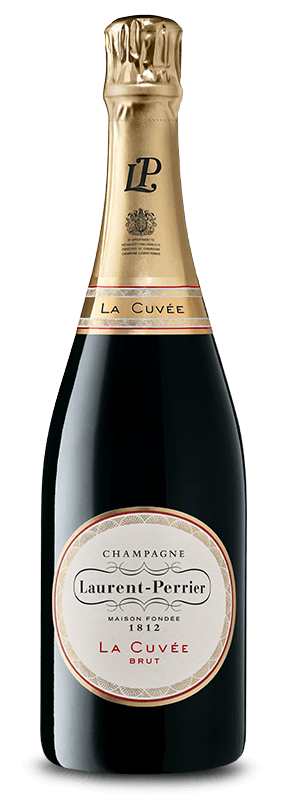
- La Cuvée: versatile, fine with grilled, oven-baked, or plancha fish
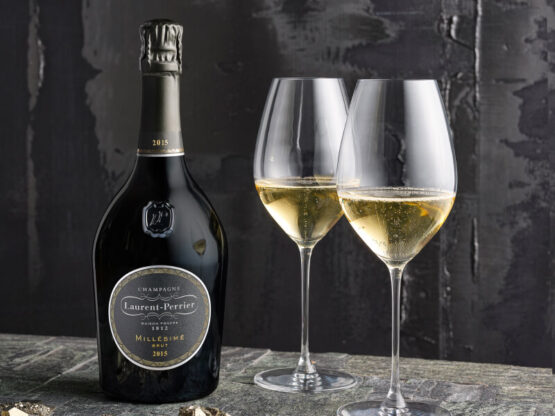
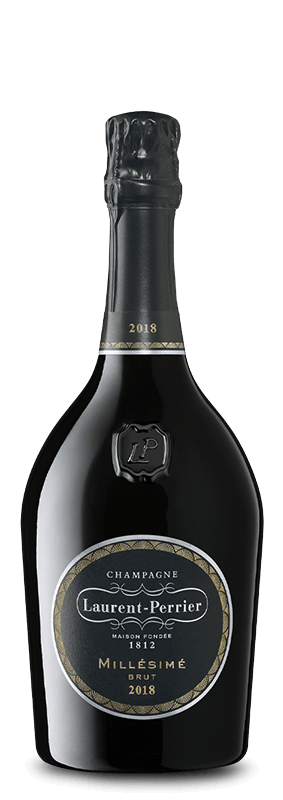
- Brut Millésimé 2015/2018: opulent, for creamy sauces, roasted monkfish, turbot, salmon
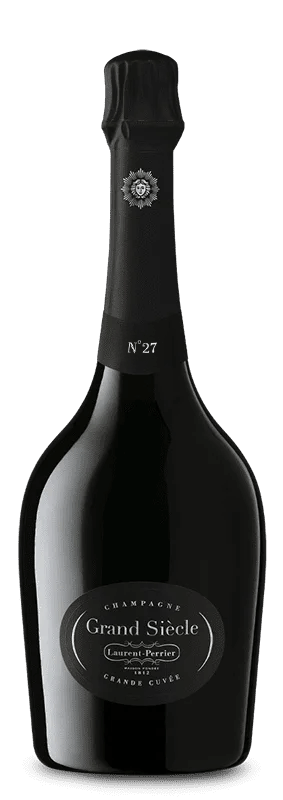
- Grand Siècle Iterations 26 & 27: haute cuisine, sole, turbot, John Dory with caviar or truffle
Conditions for a Successful Fish and Red Wine Pairing
- 1. Type of fish
Preference is given to fish with firmer flesh or more pronounced flavour:
trout, cod in sauce, swordfish, salmon, bluefin tuna, and red mullet. - 2. Cooking method
Methods that create caramelisation, depth, and aromatic intensity favour red wine:
plancha, grilling, pan-searing, barbecue.
Steamed or poached preparations are generally too delicate. - 3. Sauces and garnishes
Tomato-based sauces, mushrooms, herbs, or Mediterranean garnishes provide a natural bridge to light red wines.
Fish served simply with beurre blanc rarely pairs well with red wine.
Fish, Recipes and Recommended Red Wines
| Fish | Recipe and cooking | Red wine style | Appellation or cuvée examples |
|---|---|---|---|
| Salmon | Grilled salmon, lightly smoked | Light, low-tannin, fresh red | Burgundy Pinot Noir, Alsace Pinot Noir, Sancerre Rouge |
| Bluefin tuna | Seared tuna with sesame, soy and ginger | Fruity, lively red with fine tannins | Beaujolais Gamay, Loire Gamay-based wines |
| Cod | Cod with spicy tomato and pepper sauce | Spicy, structured yet digestible red | Northern Rhône Syrah |
| Trout | Oven-roasted trout with mushrooms | Fine, floral, light red | Jura Pinot Noir, Alsace Pinot Noir |
| Swordfish | Grilled swordfish with sun-ripened vegetables | Supple Mediterranean red | Light Côtes-du-Rhône, moderate Provence reds |
| Red mullet | Pan-seared red mullet fillets | Red with very fine tannins and elegance | Pomerol, Château La Conseillante |
In this final case, the finesse of the tannins and aromatic depth create a distinctive dialogue with the richness of pan-seared red mullet, provided the cooking is perfectly controlled.
Wine, Red Wine, White Wine… and Champagne?
Delicate red wines can succeed with:
- – Firm or noble fish: trout, salmon, bluefin tuna, cod in sauce, red mullet.
- – Cooking methods that create depth: grilling, pan-searing, roasting.
- – Complementary garnishes: tomato-based sauces, mushrooms, Mediterranean herbs.
Red wine examples:
- – Red mullet: Pomerol, Château La Conseillante
- – Salmon: Burgundy or Alsace Pinot Noir
- – Bluefin tuna: Beaujolais Gamay, Loire Gamay
- – Cod: Northern Rhône Syrah
- – Trout: Jura Pinot Noir
- – Swordfish: Light Côtes-du-Rhône or Provence reds
Main champagne profiles
Chardonnay-dominant champagnes are fine, linear and mineral, ideal for delicate fish, steaming, carpaccios, citrus and lemon-based seasonings.
Pinot Noir-dominant champagnes are more vinous and structured, well suited to richer fish, creamy sauces, roasted preparations and indulgent accompaniments.
The role of dosage
Brut Nature or zero dosage offers purity and tension for raw or simply prepared fish.
Extra Brut provides a slightly more rounded expression while retaining freshness.
Brut is broader and more generous, suited to sauced fish and gastronomic dishes.
Laurent-Perrier champagnes and fish
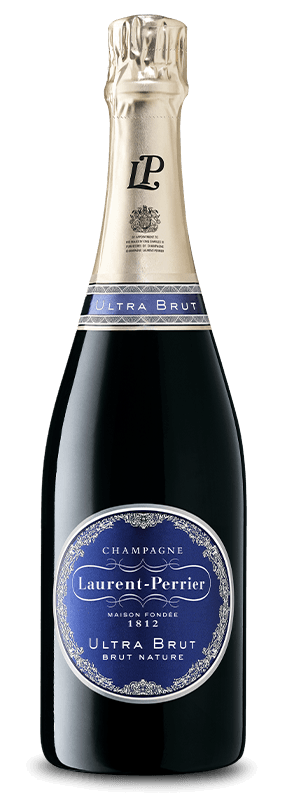
Laurent-Perrier Ultra Brut
A zero-dosage champagne of great purity, ideal with steamed fish, delicate carpaccios and tartares, or preparations with lemon.
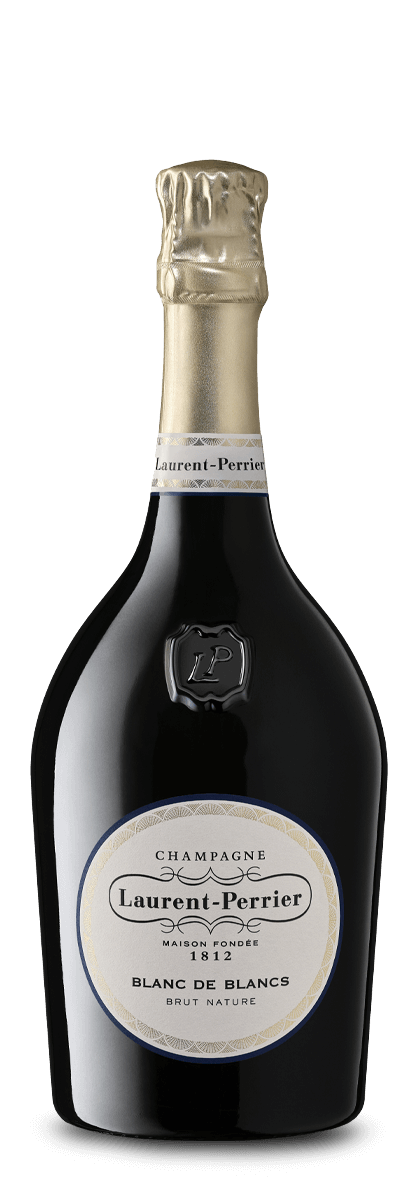
Laurent-Perrier Blanc de Blancs Brut Nature
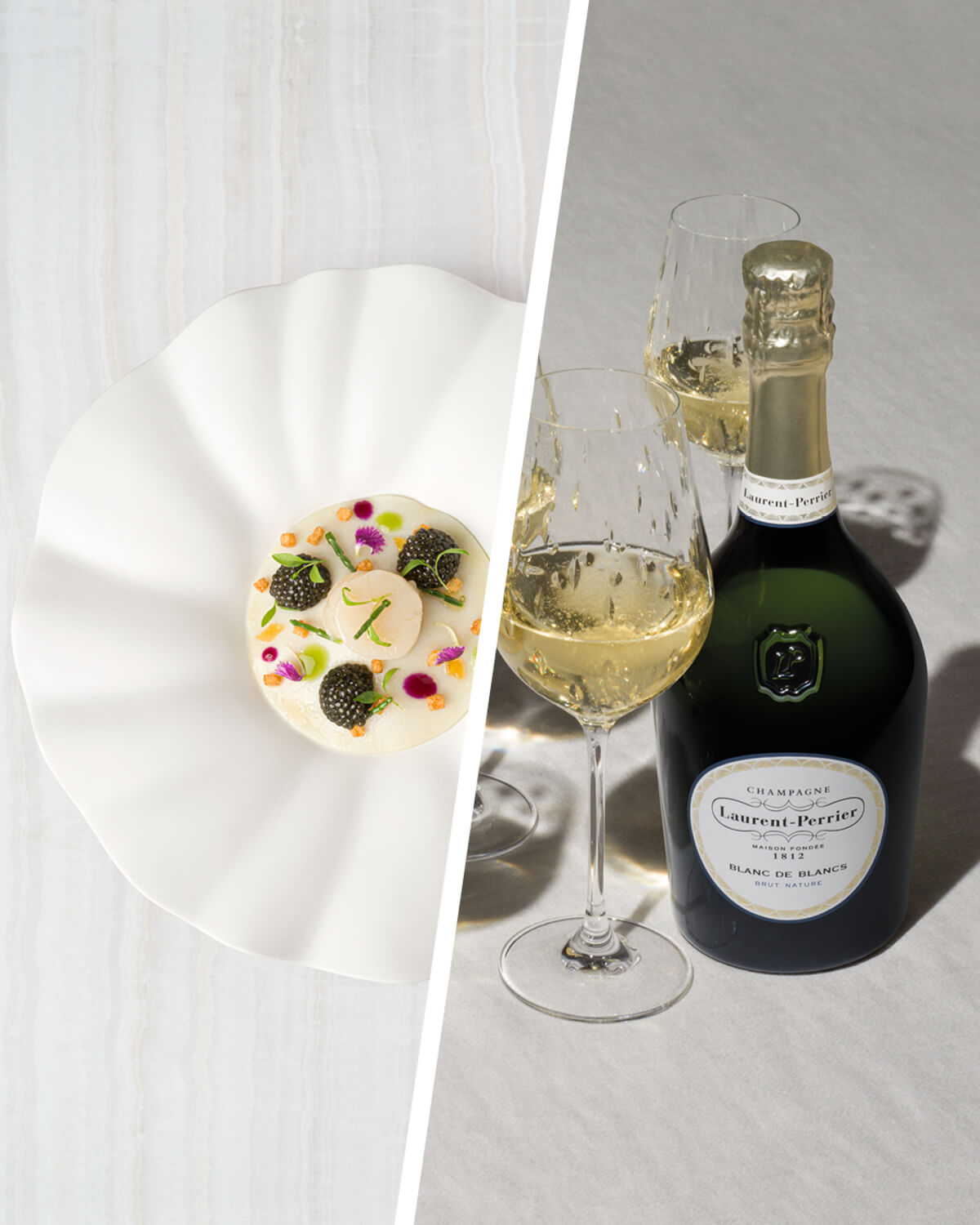
A 100 percent Chardonnay champagne without dosage, perfect with sea bass or bream carpaccio, noble white fish cooked gently, sashimi and ceviche.
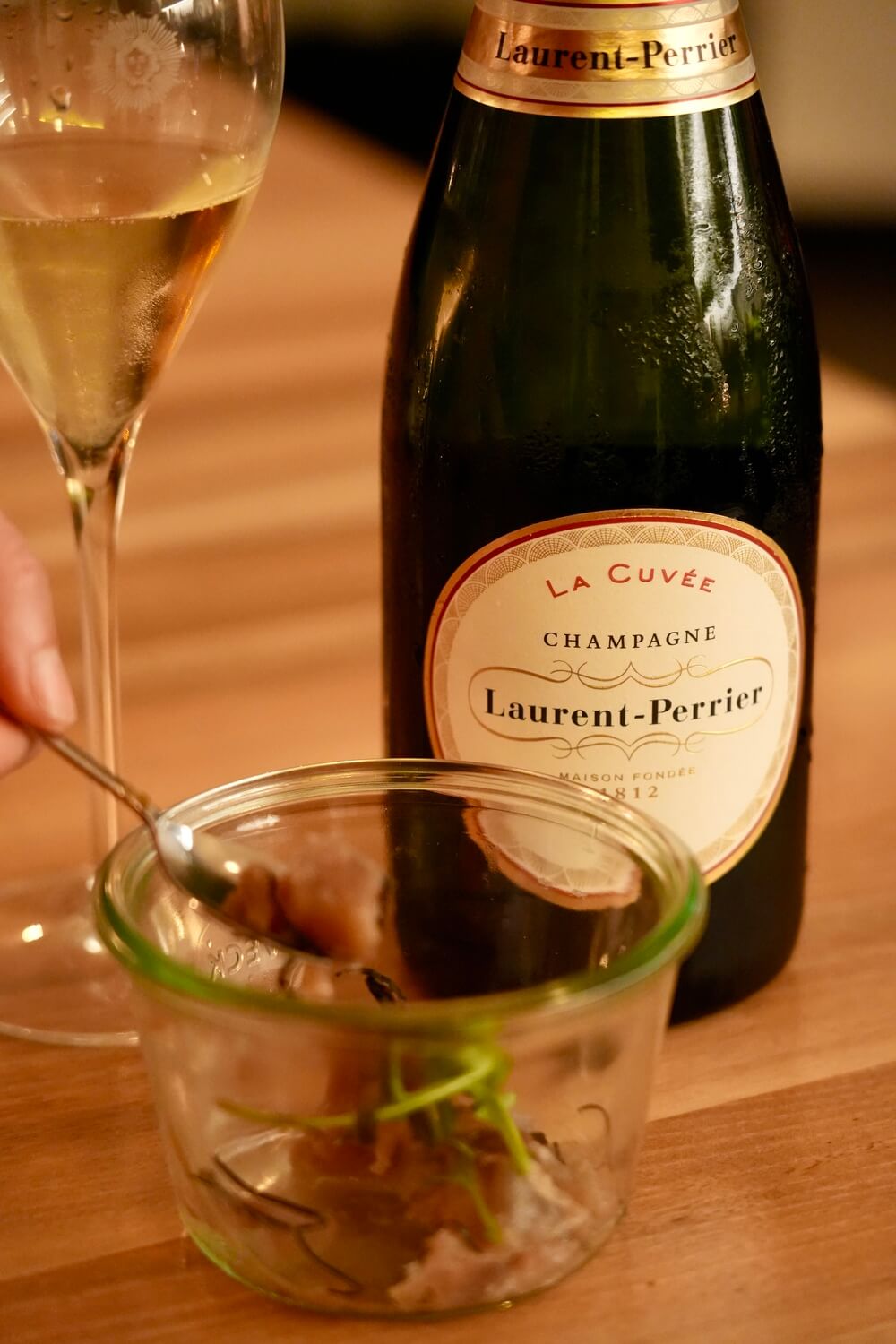
Laurent-Perrier La Cuvée
A champagne of balance and finesse, accompanying a wide range of grilled, oven-baked or plancha-cooked fish with simple seasonings.
Laurent-Perrier Brut Millésimé 2015 or 2018
Ideal for fish with creamy sauces, roasted monkfish, oven-baked turbot or salmon served with herb emulsions or mushrooms.
Grand Siècle Iteration No. 26 and No. 27
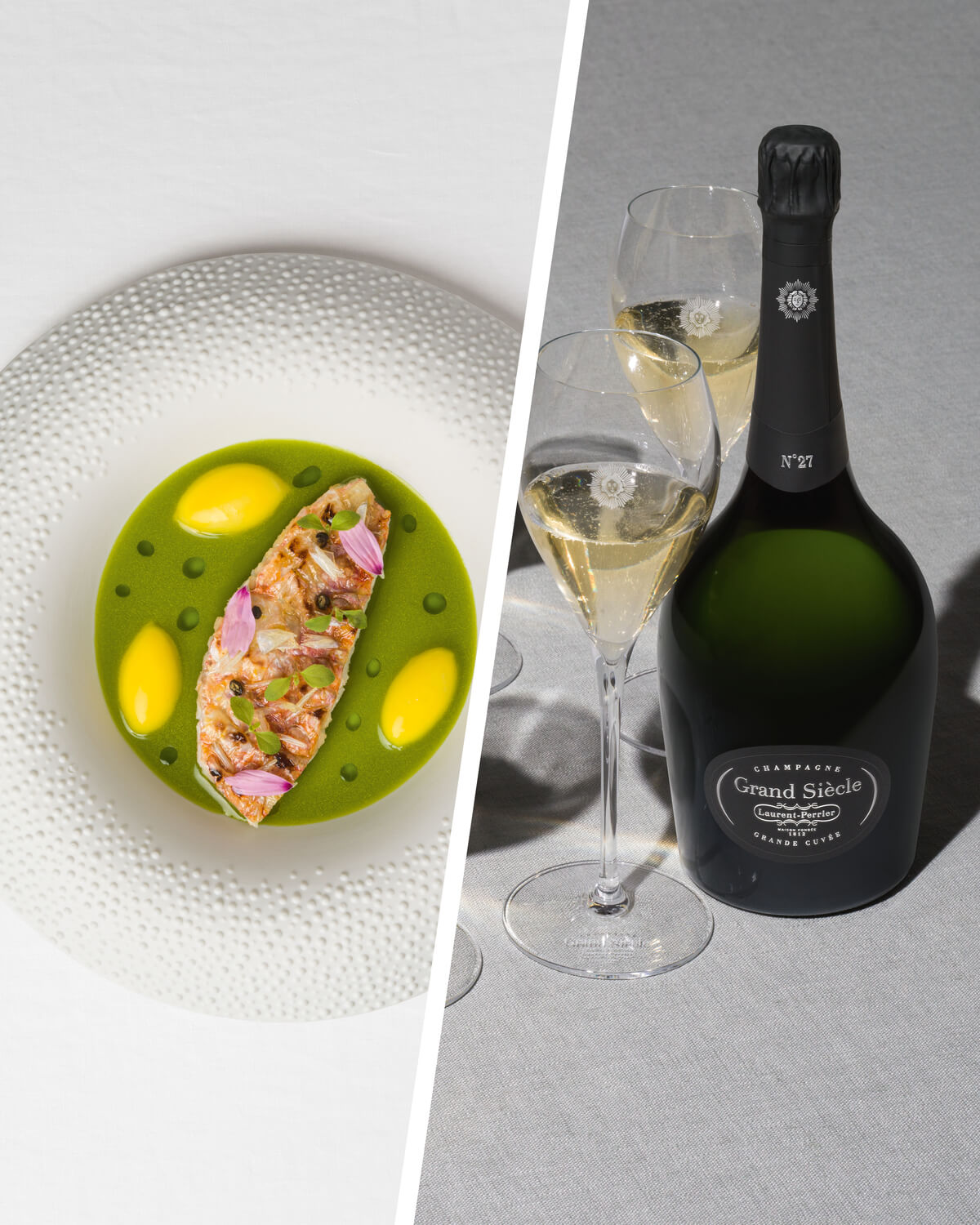
For exceptional pairings when fish becomes haute cuisine, featuring noble species such as sole, turbot or John Dory, enhanced by champagne sauce, caviar or truffle.
Grand Siècle goes beyond the concept of vintage by blending several outstanding years to combine the freshness of a young champagne with the complexity of a great wine of age.
Conclusion: What to Drink with Fish
White wines remain the foundation for delicate fish.
Low-tannin red wines suit firm-fleshed, expressive preparations.
Champagne, especially Laurent-Perrier cuvées, elevates fish from a simple dish to haute gastronomy — from grilled sea bass to turbot with Champagne sauce.
- – Ultra Brut: freshness and purity
- – Blanc de Blancs Brut Nature: mineral tension
- – La Cuvée: balance and finesse
- – Millésimés: depth and richness
- – Grand Siècle: supreme elegance
The art of wine, red wine, white wine, and sparkling wine pairings brings out the best in every seafood dish.