The Importance of Glassware in Wine Tasting
Wine is a living, subtle, and complex product. Its aromatic and gustatory expression depends not only on its terroir, grape variety, and vintage, but also on the vessel in which it is served. The glass is not a mere accessory—it acts as a revealer, amplifying freshness, precision, and aromatic nuances.
- For red wines:
- • Young, fruity reds (Beaujolais, Burgundy Pinot Noir) are best in medium-sized bowls, enhancing freshness and red-fruit notes.
- • Great wines for ageing (Bordeaux, Rhône Syrah) require large balloon-shaped glasses for optimal aeration and tannin development.
- For white wines:
- • Lively, aromatic whites (Loire Sauvignon, Alsace Riesling) shine in narrow glasses that preserve tension.
- • Full-bodied whites for ageing (Burgundy Chardonnay, Meursault, Corton‑Charlemagne) benefit from broader glasses, revealing richness and oak nuances.
- Age also matters:
- • Young wines call for narrower glasses to concentrate primary aromas.
- • Mature wines prefer a wider opening to release tertiary complexity.
This logic applies fully to Champagne, a wine of finesse and complexity, where bubbles, aromas, and texture are all influenced by the glass.
Which Glasses to Choose for Champagne ?
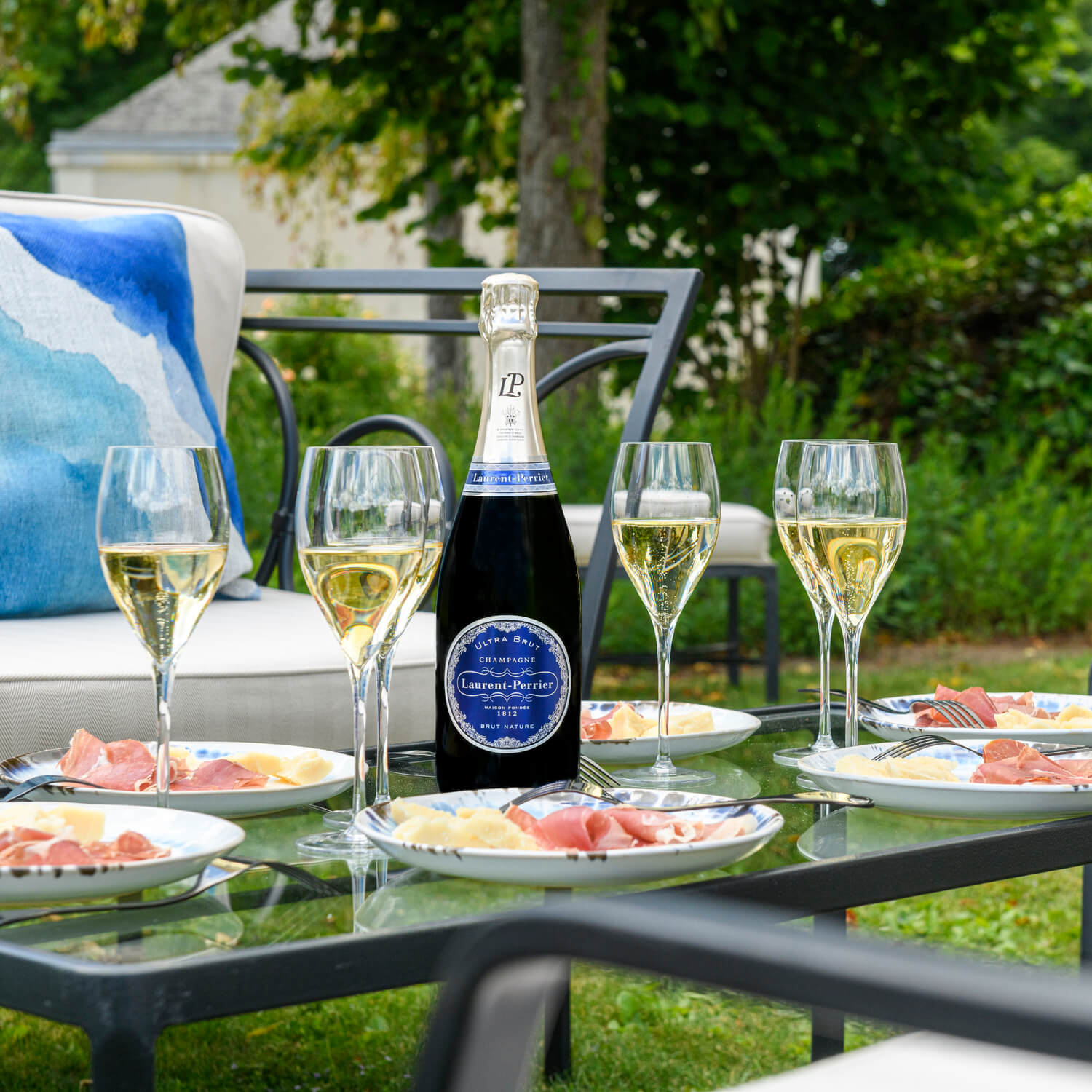
Historically, Champagne was served in flutes or coupes, but modern tastings favor tulip-shaped or fine white wine glasses for optimal aromatic and effervescence expression.
Comparison of common glasses:
- – Flute: Tall and narrow. Elegant but traps aromas, limiting aromatic complexity.
– Coupe: Wide and festive. Bubbles dissipate quickly, aromas escape, reducing aromatic intensity. - – Tulip glass: Slightly tightened at the rim, preserving bubbles while allowing aromatic development. Ideal for most non-vintage Champagnes.
White wine glass (Burgundy style): Broad bowl and large opening. Best for vintage or complex cuvées, revealing tertiary aromas and depth.
How Glass Shape Impacts Bubbles and Aromas
The geometry of the glass affects:
- – Bubble persistence: Narrow stems concentrate CO₂, enhancing effervescence. Wide bowls allow bubbles to expand and aromas to diffuse.
- – Aromatic delivery: A narrowed rim directs aromas toward the nose, while a broader opening releases more complex scents.
- – Texture perception: A broader bowl can soften the perceived acidity, while a tulip preserves tension and mineral clarity.
- Selecting the right glass is essential to reveal the style of each Champagne, whether a crisp Brut Nature or a rounded Rosé.
Leading Glassware Brands for Champagne
Several top glassmakers offer specialized Champagne models:
| Brand | Recommended Model | Advantages |
|---|---|---|
| Riedel | Veritas Champagne | Fine walls, elegant tulip shape, precise aromatic focus |
| Zalto | Denk’Art Champagne | Ultra-light, perfect balance, widely used by sommeliers |
| Lehmann | Jamesse Prestige Collection | Generous bowl, enhances effervescence |
| Spiegelau | Definition Universal | Excellent elegance‑to‑price ratio, versatile |
| Chef&Sommelier | Open Up Effervescence | Technical design, strong aromatic concentration |
Serving Champagne: Beyond the Glass
- Optimal Champagne service enhances tasting experience:
- – Temperature: 8–10°C for fresh cuvées, 10–12°C for vintage.
- – Opening: Release the cork gently to preserve bubbles.
- – Pouring: Slightly inclined bottle, avoid overfilling the glass.
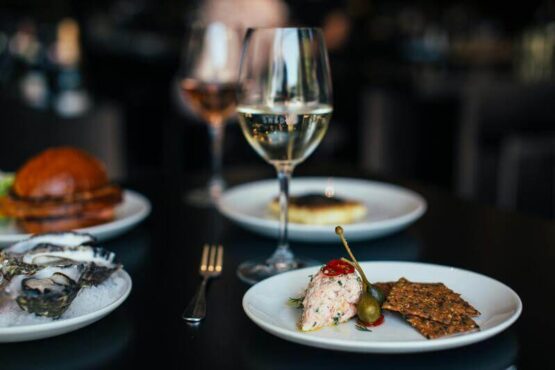
– Presentation: Serve with elegance; visual experience matters as much as taste. - Tip: Tulip glasses pair beautifully with raw oysters or sushi, while Burgundy-style glasses complement vintage Champagnes with rich, nutty notes.
Care and Storage of Glasses
- – Washing: Rinse with hot water; avoid detergent or scented products.
- – Drying: Use a lint-free microfiber cloth, holding the stem and bowl separately.
- – Storage: Keep upright, protected from dust and odors. Proper storage preserves crystal brilliance and aromatic neutrality
Which Glasses for the Laurent‑Perrier Range?
| Laurent‑Perrier Expertise | Signature Cuvées | Recommended Glass | Why |
|---|---|---|---|
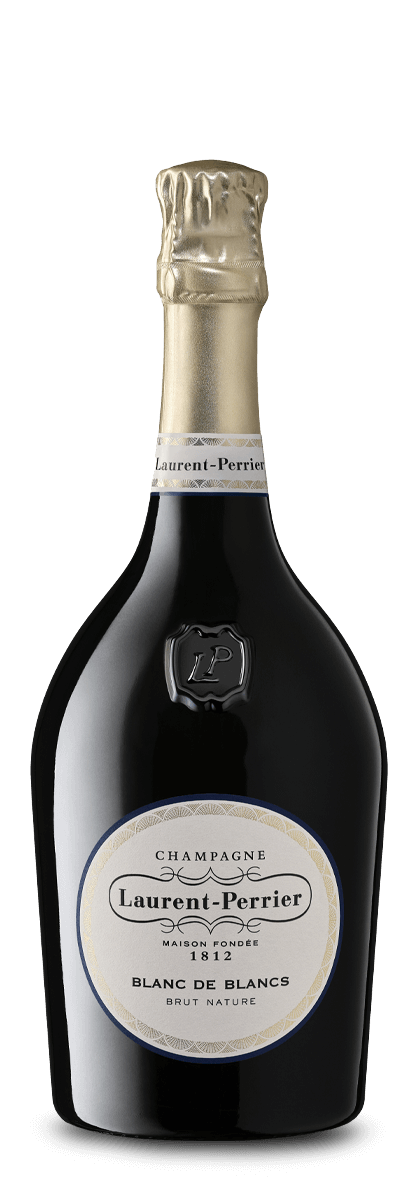
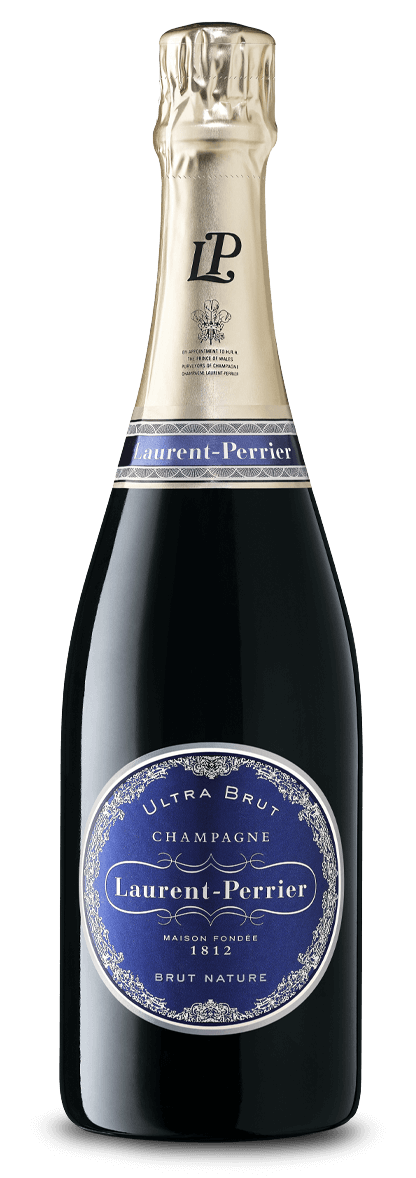
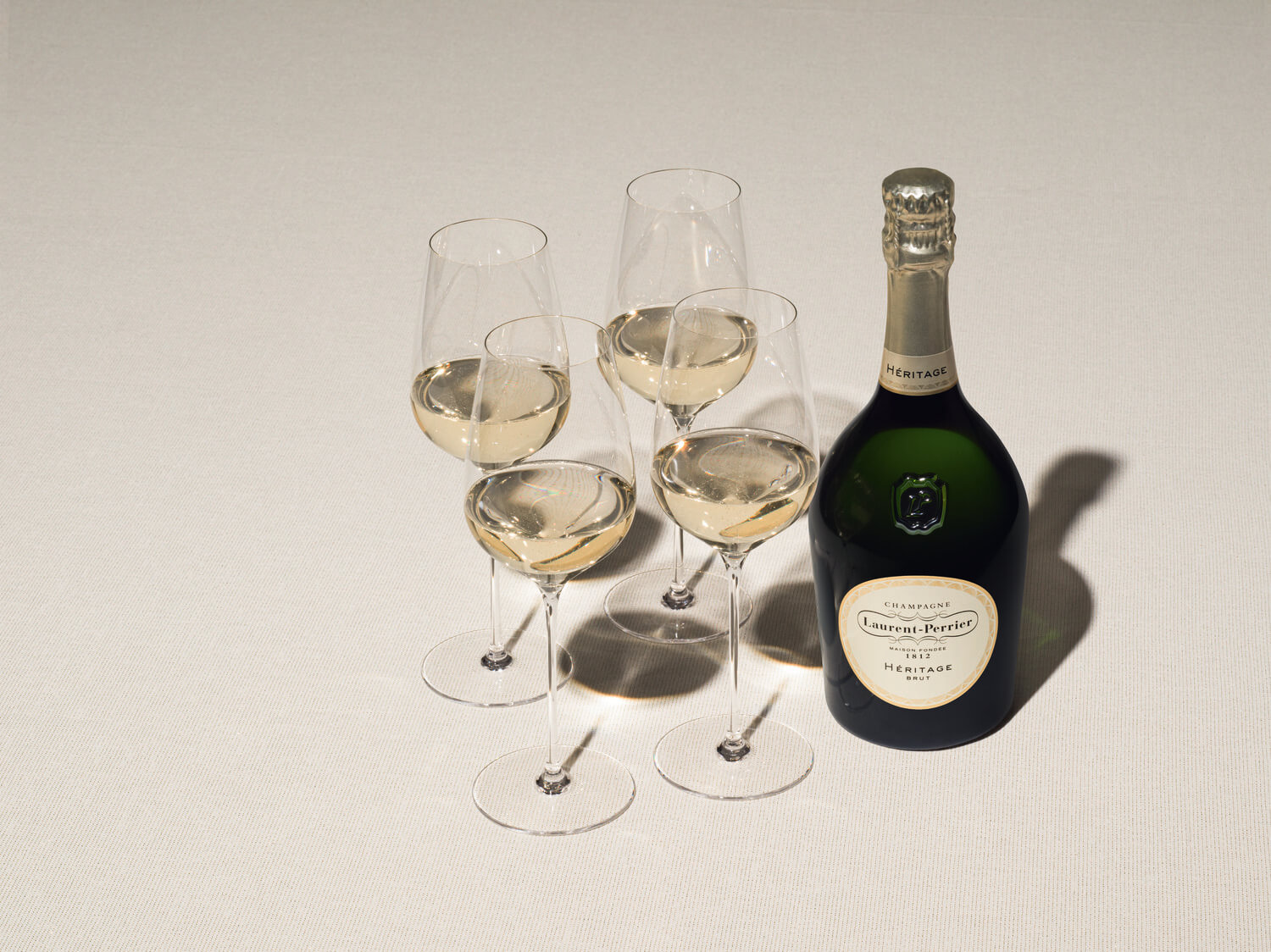
| savoir-faire of non-dosage | Blanc de Blancs Brut Nature, Ultra Brut | Narrow tulip glass | Preserves tension, minerality, and purity of the non‑dosage style |
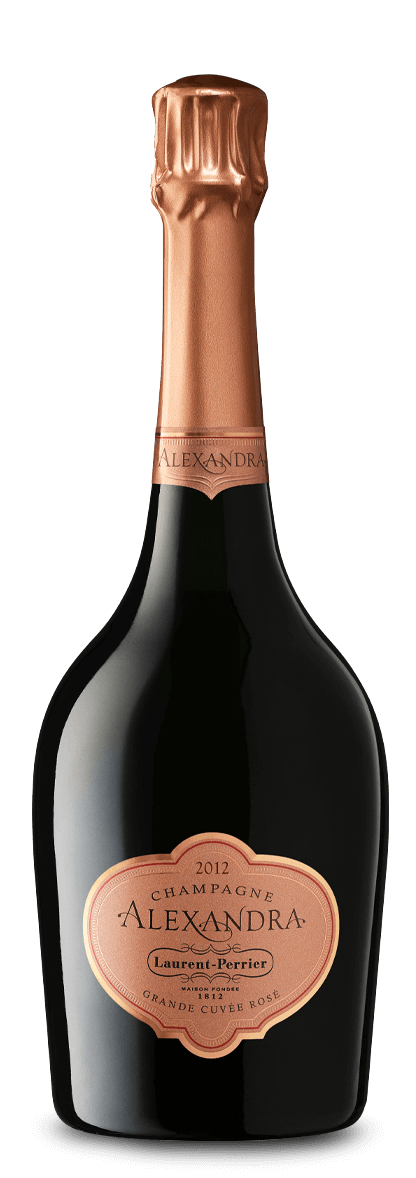
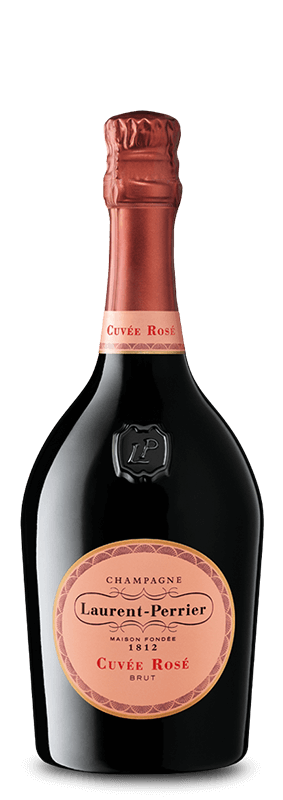
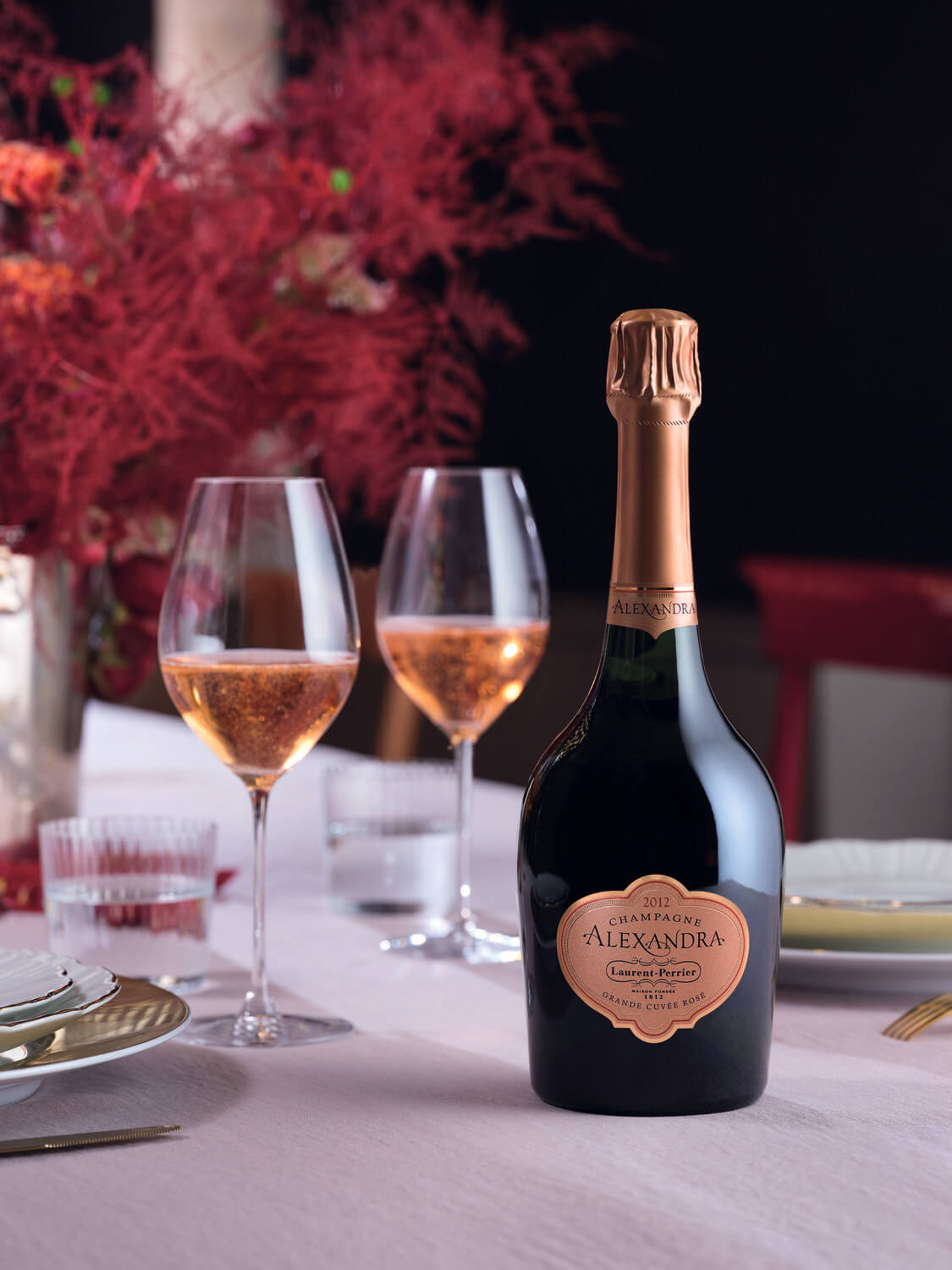
| savoir-faire of maceration | Cuvée Rosé, Alexandra Rosé Millésimé 2012 | Rounded white wine glass | Unfolds red‑fruit aromas, complexity and elegance of rosés |
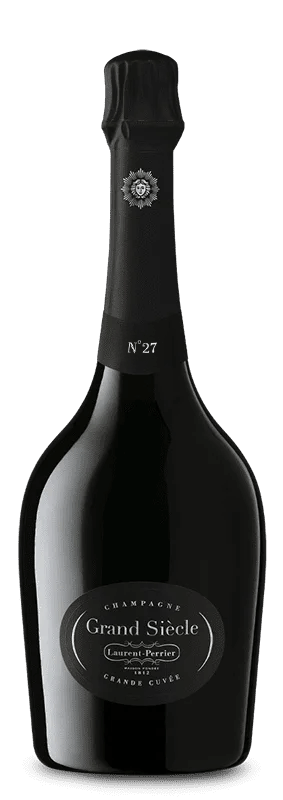
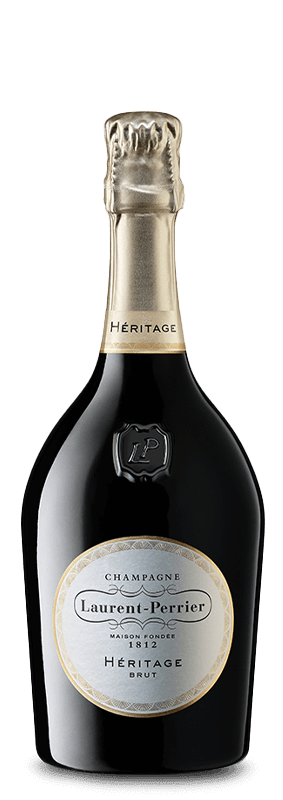
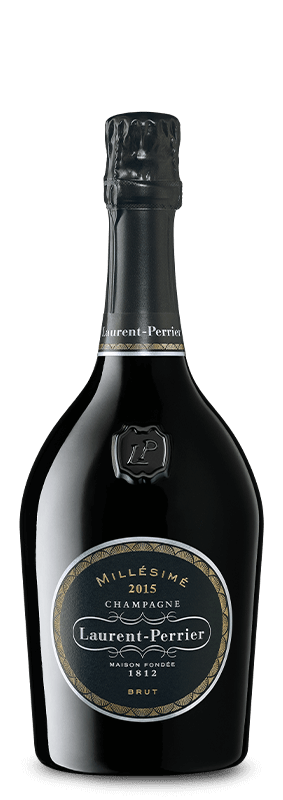
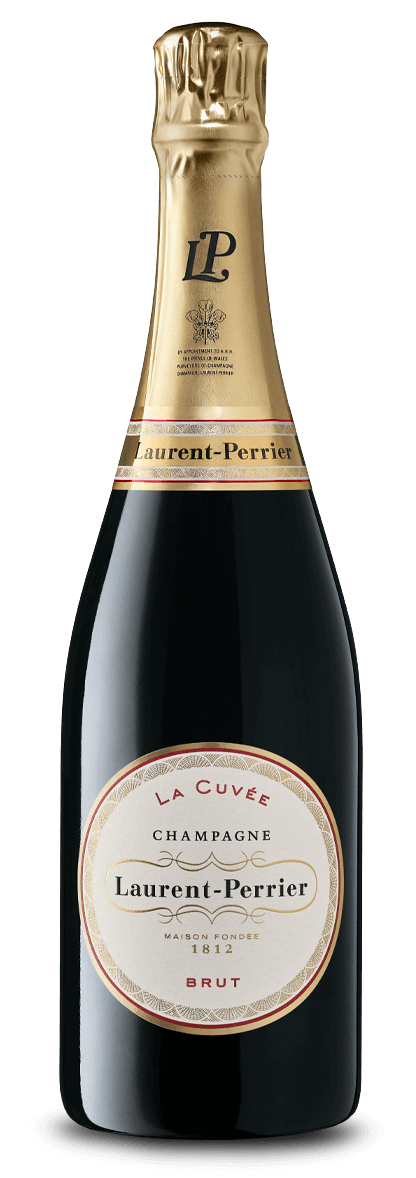
| savoir-faire of blending | La Cuvée, Brut Millésimé 2015, Héritage, Grand Siècle Iteration N°26 | Burgundy‑style white wine glass | Highlights depth, aromatic complexity and richness of great blends |
Food pairing advice by glass style:
- – Tulip glasses: Ideal for lighter dishes, seafood, shellfish, and sushi.
– White wine glasses: Best with richer, aged Champagnes, paired with white meats, truffle dishes, and cheeses.
– Coupe glasses: Perfect for festive settings where visual impact outweighs aromatic focus.
Conclusion
Which glass to choose for Champagne? The answer is both art and science.
- – The glass affects bubbles, aromas, and taste balance.
- – Combined with precise service, the right glass elevates every tasting into a memorable experience.
- – At Laurent-Perrier, glassware selection mirrors the cuvée’s style: purity for non-dosage, intensity for rosés, complexity for blended prestige wines.
In Champagne, the glass is more than a vessel—it is a partner in emotion.