Table of contents
- Italian Gastronomy: Identity, Diversity and Mediterranean Heritage
- Overview of Italy’s Major Regional Cuisines
- Risotto: Origin, History, and Character
- Risotti Through the Seasons
- What to Drink with a Risotto?
- Which Champagnes Pair Best with Which Risotto?
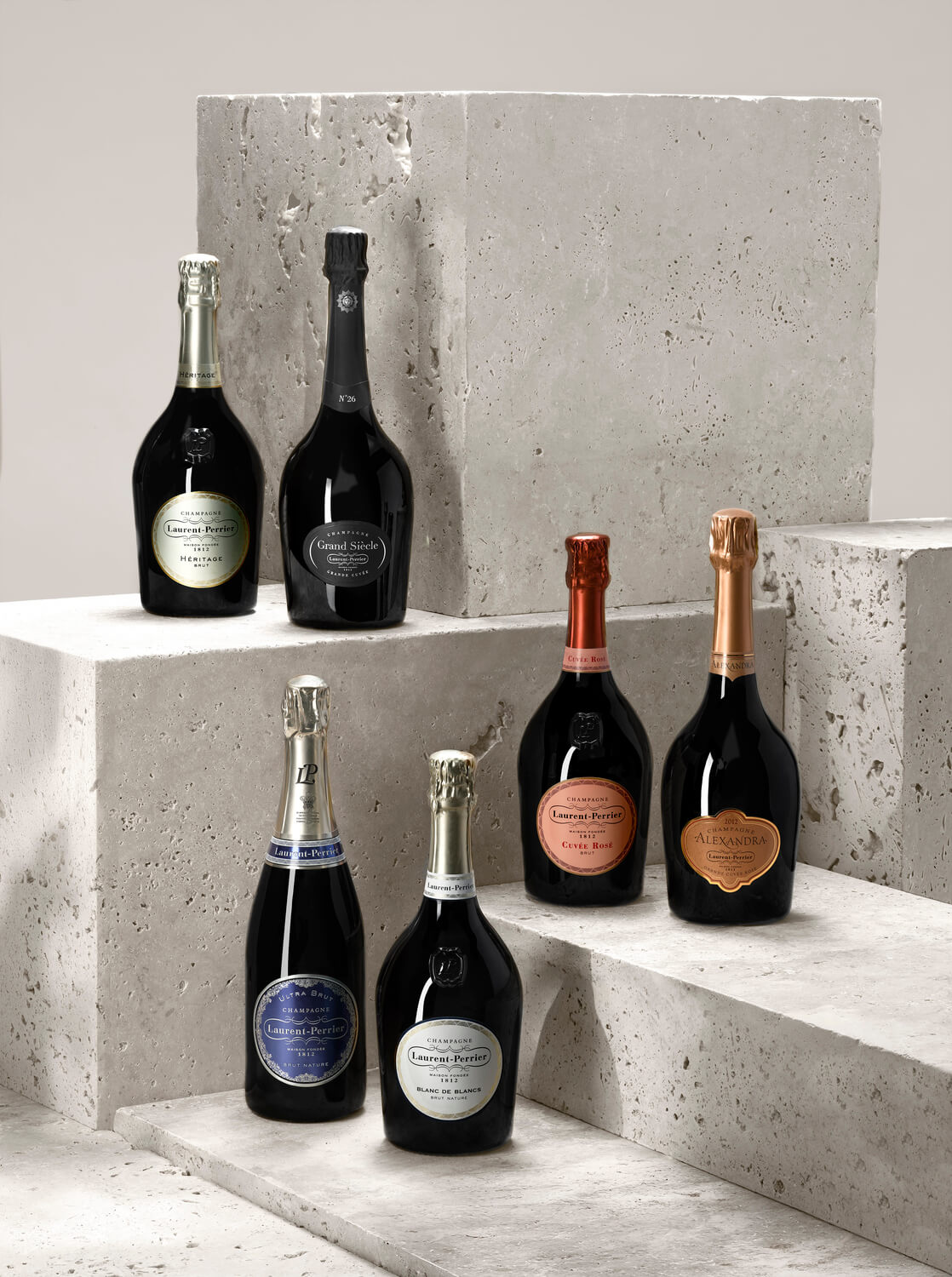
- Laurent-Perrier Champagnes for Pairing
- Risotto & Laurent-Perrier Champagne Pairing Table
- Conclusion: What to Drink with a Risotto?
An emblematic dish of Italian gastronomy, risotto is creamy, delicate, and infinitely adaptable depending on region and season. The question arises: what should you drink with a risotto? White wine, red wine, rosé, Italian sparkling wine, Champagne, Burgundy, Bordeaux, Rhône Valley wines, Alsace… the possibilities are vast and fascinating.
Before selecting the ideal bottle, it is essential to understand what makes Italian cuisine so unique.
Italian Gastronomy: Identity, Diversity and Mediterranean Heritage
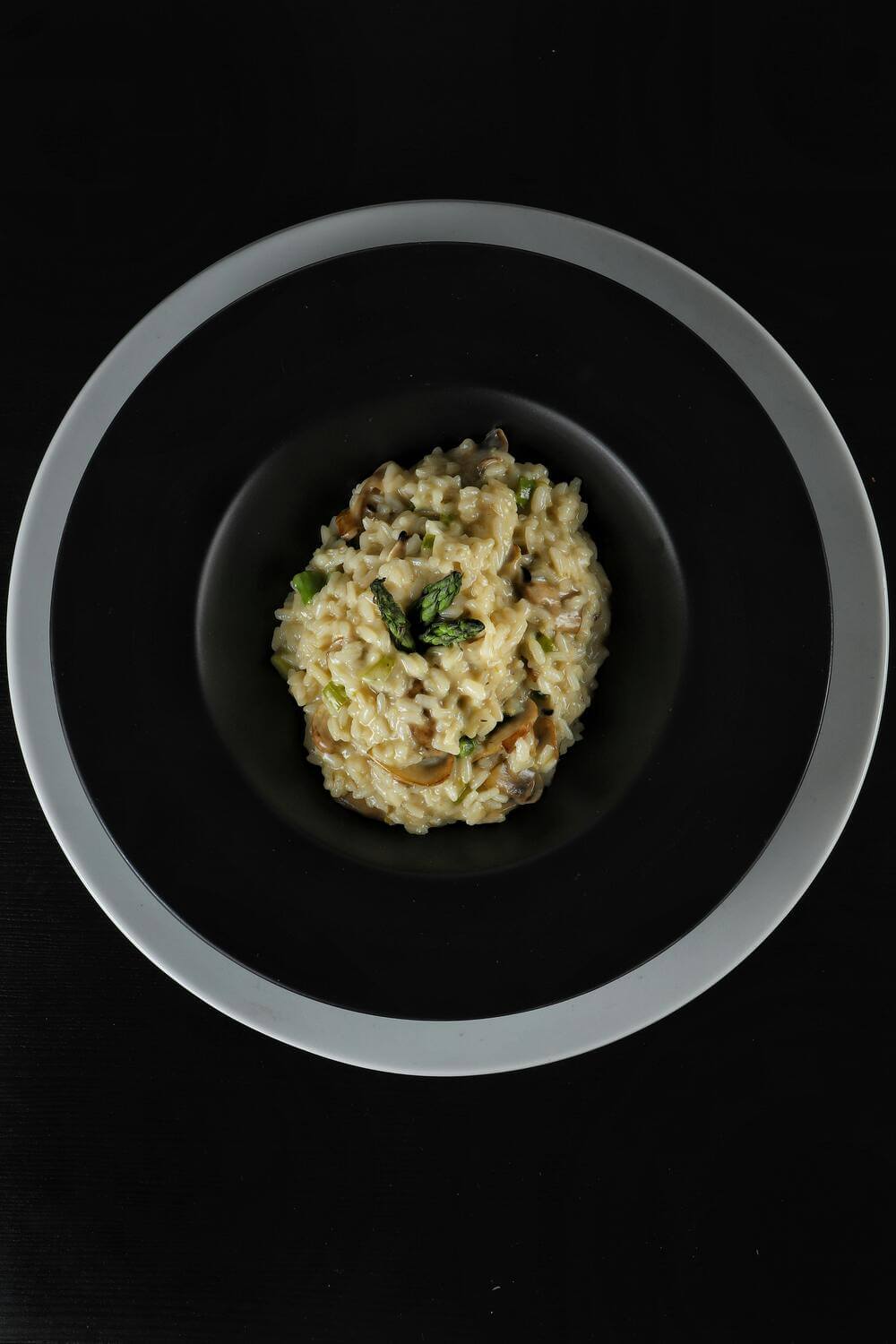
The Soul of Mediterranean Cuisine
Italian cuisine is deeply rooted in Mediterranean tradition:
- – Extensive use of vegetables, aromatic herbs, tomatoes, eggplants, zucchini, peppers
- – Predominant use of olive oil, rich in monounsaturated fats and polyphenols
- – Moderate meat consumption, often poultry or small-scale farming
- – Central role for cereals, especially pasta, wheat and rice
- – Significant presence of seafood, particularly in coastal regions
Italy’s cuisine enhances dishes subtly, letting ingredients like olive oil structure the flavour of meals.
Italy: One Country, Many Cuisines
Italian cuisine is profoundly regional. North, Centre, and South each have unique products, flavours, and history, directly influencing how a risotto is conceived.
Overview of Italy’s Major Regional Cuisines
Northern Italy: Richness, Butter, Cheese, and Rice
Piedmont
- Specialities: risotto, Alba white truffle, agnolotti, fonduta, carne cruda all’albese
- Wines: Reds (Barolo, Barbaresco, Nebbiolo d’Alba), Whites (Gavi, Roero Arneis), Sparkling (Alta Langa)
Lombardy
- Specialities: risotto alla milanese, ossobuco, cotoletta
- Wines: Reds (Valtellina Nebbiolo), Whites (Lugana, Franciacorta Satèn)
Veneto / Friuli–Venezia Giulia
- Specialities: risotto al radicchio, polenta, Adriatic fish
- Wines: Whites (Soave, Pinot Grigio, Friulano), Reds (Valpolicella, Amarone), Sparkling (Prosecco DOCG)
Central Italy: Balance, Rusticity, and Elegance
Tuscany
- Specialities: ribollita, pappa al pomodoro, bistecca alla fiorentina
- Wines: Chianti Classico, Brunello di Montalcino, Vernaccia di San Gimignano
Lazio / Rome
- Specialities: carbonara, cacio e pepe, saltimbocca
- Wines: Frascati Superiore, Cesanese del Piglio
Southern Italy: Sunshine, Sea, Olive Oil, and Intense Aromas
Naples / Campania
- Specialities: Neapolitan pizza, seafood, spaghetti alle vongole
- Wines: Greco di Tufo, Fiano di Avellino, Aglianico
Apulia
- Specialities: orecchiette, burrata, grilled vegetables
- Wines: Primitivo, Verdeca, Fiano
Sicily
- Specialities: arancini, caponata, pasta alla Norma, bluefin tuna, citrus
- Wines: Grillo, Catarratto, Etna Bianco, Nero d’Avola, Etna Rosso, Etna Spumante
Risotto: Origin, History, and Character
- Risotto originates from Northern Italy, mainly Lombardy and Piedmont.
- – Rice varieties: Carnaroli (noble, best texture), Arborio (common), Vialone Nano (creamy, typical of Veneto)
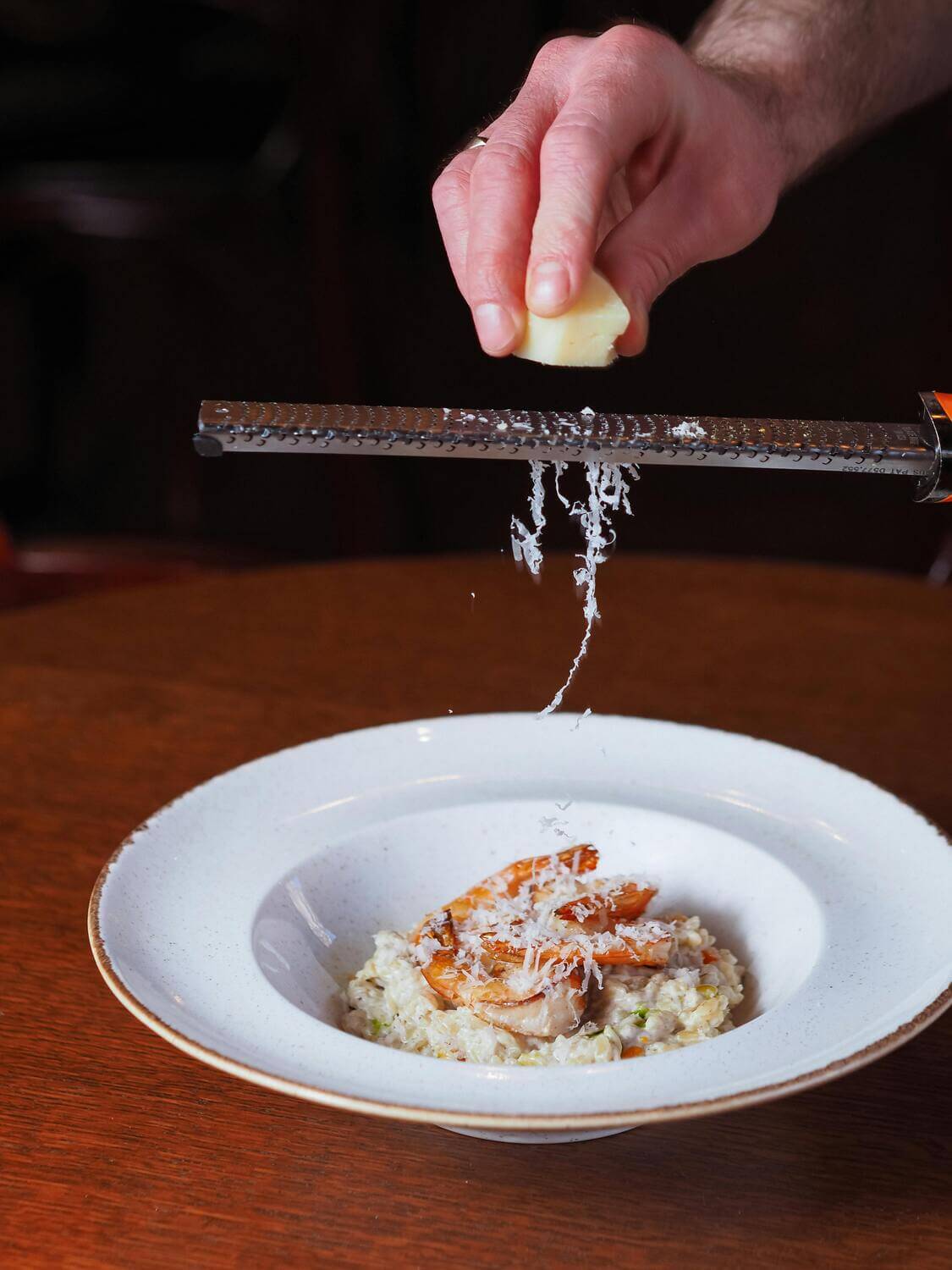
- – Technique: toast rice, deglaze with dry white wine, add hot broth ladle by ladle, stir continuously, finish with cold butter & Parmesan (mantecatura)
The creamy texture of risotto guides wine selection.
Risotti Through the Seasons
- – Spring: pea, asparagus, lemon & basil risotti
- – Summer: grilled vegetable, seafood, light saffron & lemon risotti
- – Autumn: porcini, pumpkin & rosemary, black truffle risotti
- – Winter: Parmesan, gorgonzola, herb & brown-butter risotti
Each season calls for different pairings, whether white, red, rosé, or Champagne.
What to Drink with a Risotto?
Key Requirements
- – Freshness
- – Structure
- – Long aromatic persistence
Italian white wines
- – Gavi, Soave Classico, Verdicchio, Etna Bianco → vegetable or seafood risotti
Italian red wines
- – Young Nebbiolo, Pinot Nero d’Oltrepò Pavese, light Etna Rosso → richer or forest-style risott
Italian sparkling wines
- – Franciacorta Satèn, Alta Langa, Prosecco → delicate, light summer risotti
Champagne
- – Freshness, fine bubbles, aromatic precision -> enhances any risotto
Great European wines
- – White Burgundy (Meursault) -> creamy and elegant
- – Alsace (dry Riesling, Pinot Blanc) -> seafood risotti
- – White Bordeaux (Pessac-Léognan) -> forest risotti
- – Rhône Valley -> autumnal risotti
- – Rosé -> vegetable or Parma ham risotti
Exploring Europe’s great wine regions offers a rich palette for pairing with risotto.
Which Champagnes Pair Best with Which Risotto?
- – Vegetable risotti → freshness, elegance
- – Forest/autumn risotti → structure, vinosity
- – Exceptional risotti (truffle, lobster) → depth and complexity
Laurent-Perrier Champagnes for Pairing
Simple / Spring Risotto
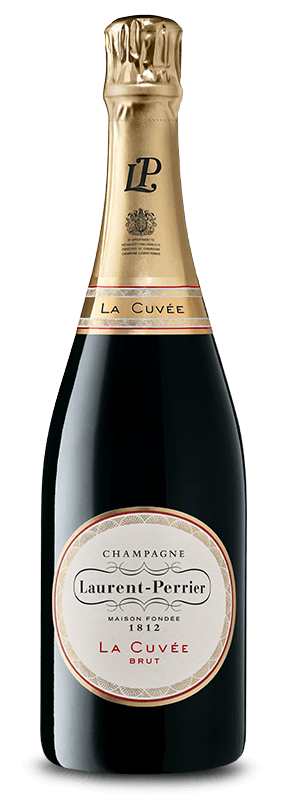
La Cuvée -> crystalline freshness, purity, floral tension
Ideal: peas, asparagus, lemon, light Parmesan
Autumn Risotto
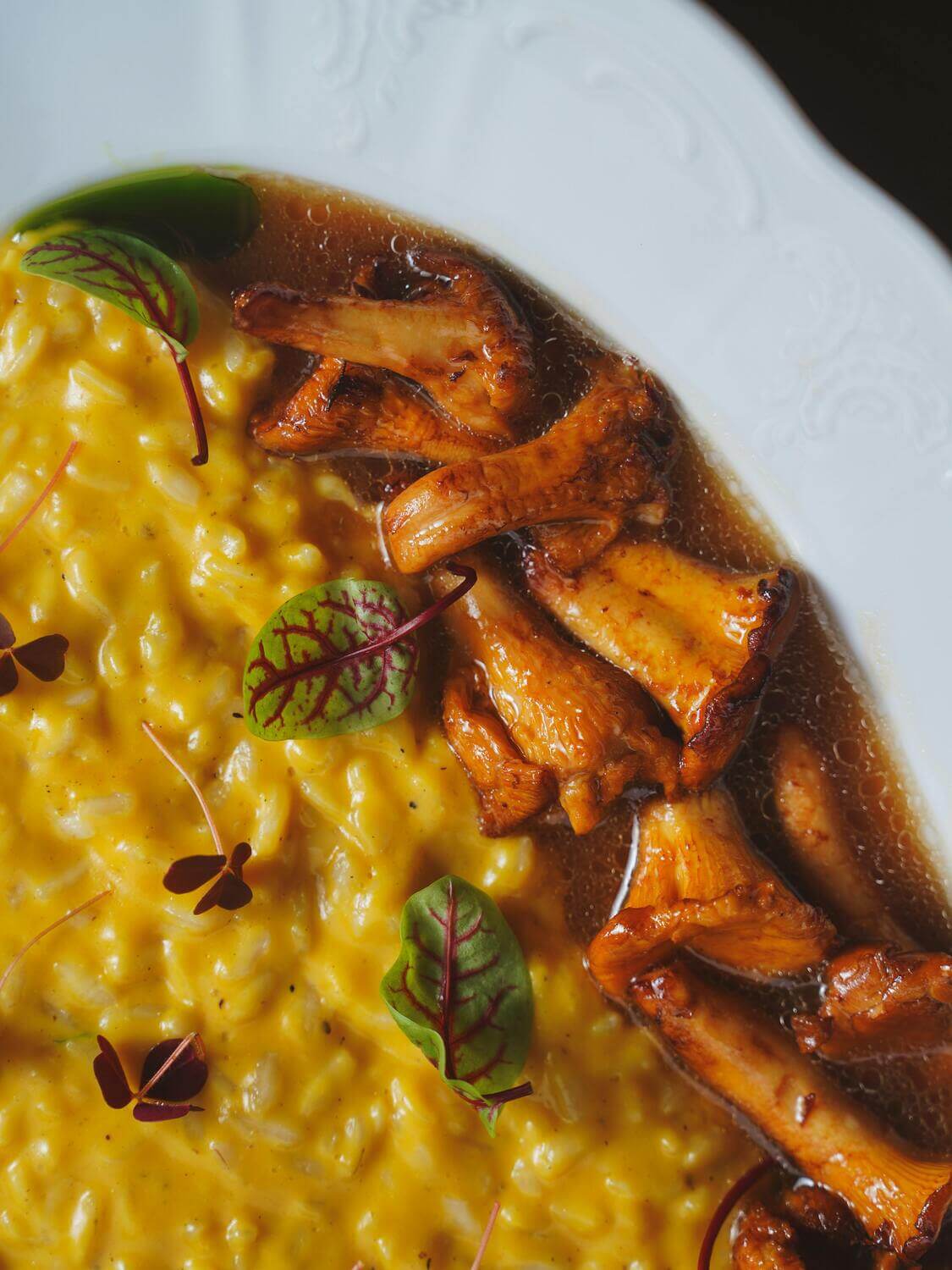
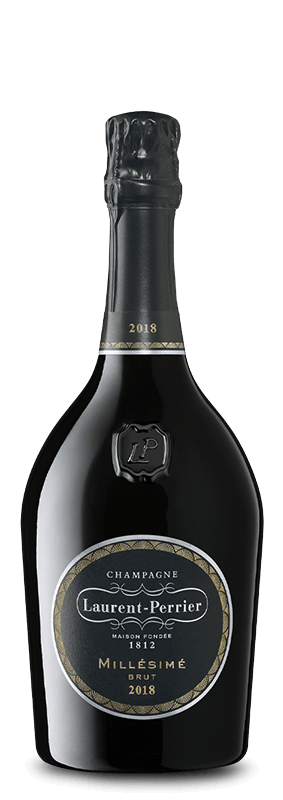
Brut Millésimé 2015 / 2018 -> structure, vinosity
Perfect: porcini, pumpkin, forest-style risotti
Exceptional Risotto
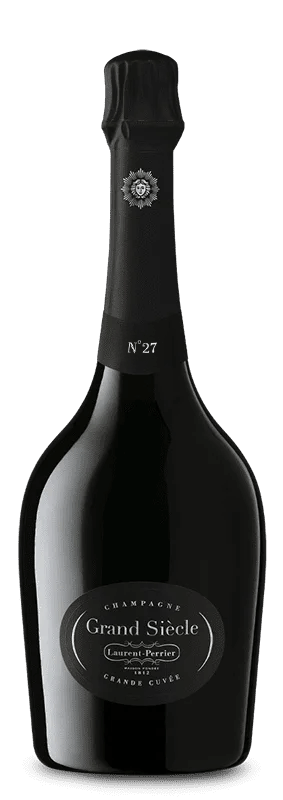
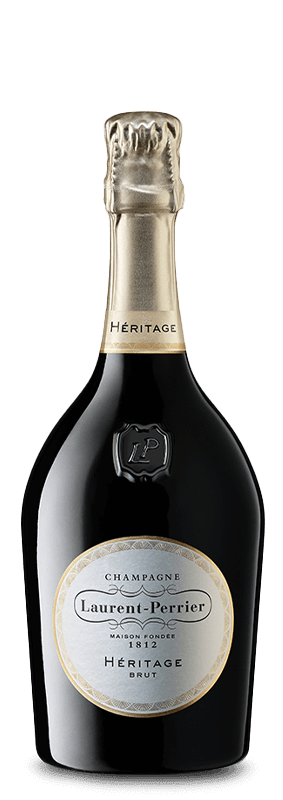
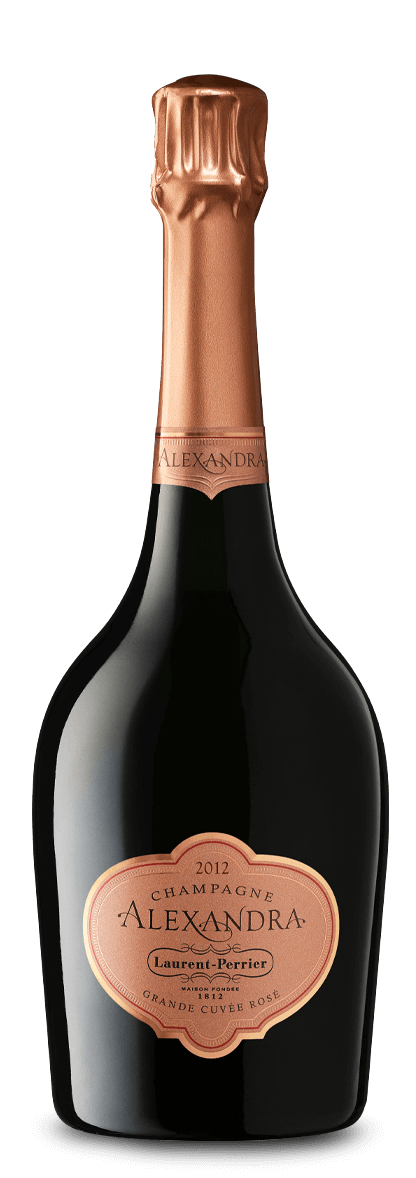
Héritage & Grand Siècle Itération N°26 -> complexity, depth
Ideal: Alba truffle, haute-cuisine cream risotti, lobster and truffle
Rosé / Seafood-Oriented Risotto
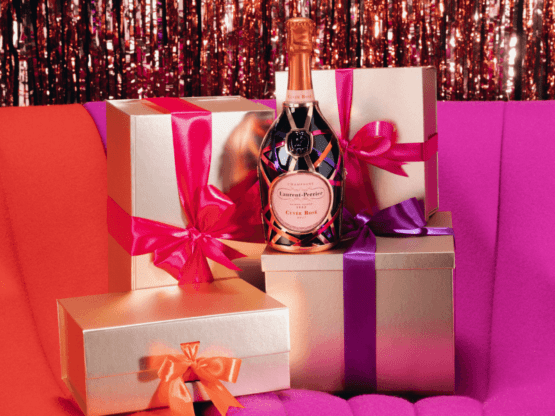
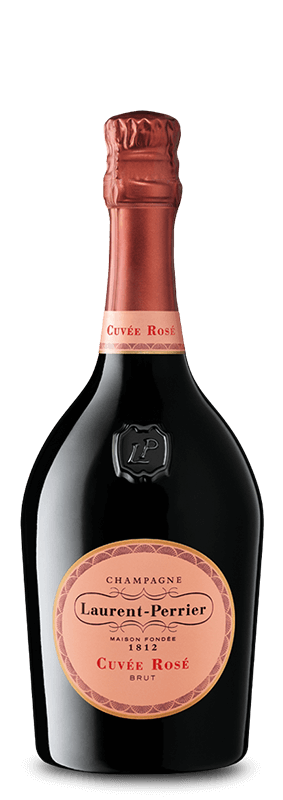
Cuvée Rosé -> subtle vinosity, red-fruit character
Ideal: red-fruit and balsamic risotti, beetroot and goat cheese, langoustine and citrus
Risotto & Laurent-Perrier Champagne Pairing Table
| Risotto recipe | Season | Preferred Champagne | Why? |
|---|---|---|---|
| Pea risotto | Spring | La Cuvée | Freshness, elegance, floral tension |
| Asparagus risotto | Spring | La Cuvée | Minerality and vivacity for vegetal notes |
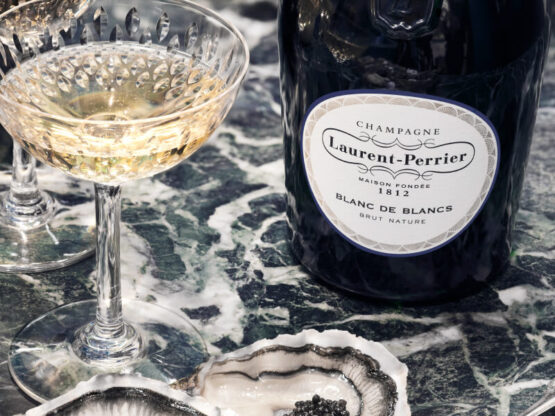
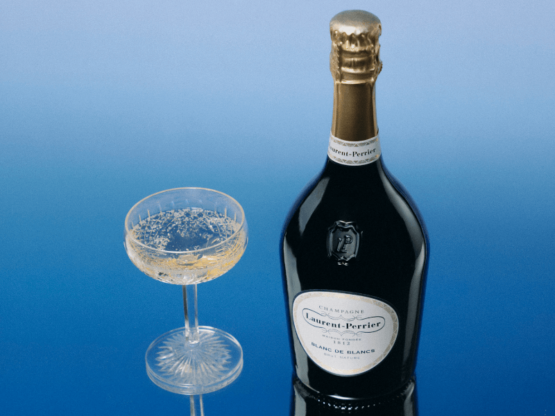
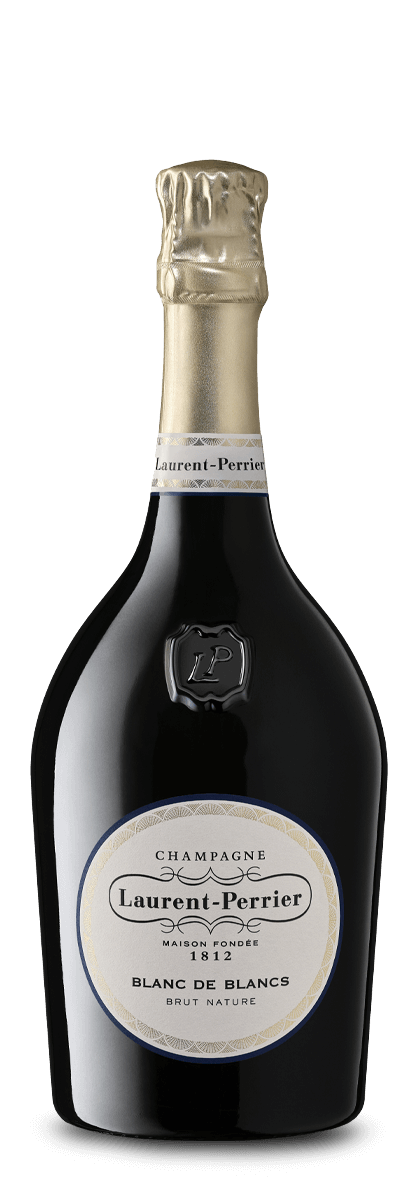
| Lemon and basil risotto | Summer | Blanc de Blancs Brut Nature (or La Cuvée) | Citrus notes, purity, verticality |
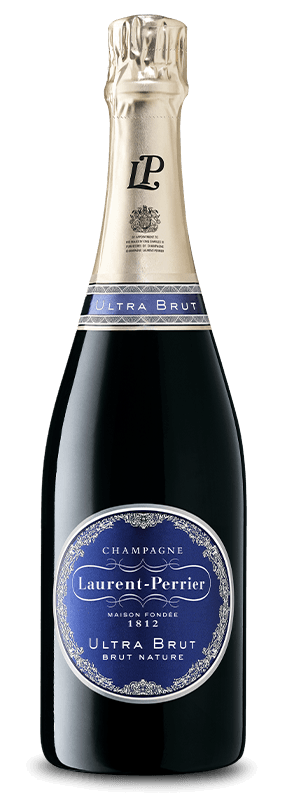
| Grilled vegetable risotto | Summer | Ultra Brut | Purity, precision, saline length |
| Seafood risotto | Summer | Ultra Brut | Ideal marine pairing |
| Classic Parmesan risotto | Winter | La Cuvée | Balance between freshness and roundness |
| Porcini risotto | Autumn | Millésimé 2015 / 2018 | Structure and vinosity |
| Pumpkin and rosemary risotto | Autumn | Millésimé 2015 / 2018 | Amplitude and aromatic length |
| Black truffle risotto | Autumn | Héritage | Complexity and depth |
| Alba white truffle risotto | Winter | Grand Siècle Itération No. 26 | Exceptional, masterful power |
| Lobster and truffle risotto | Winter | Grand Siècle Itération No. 26 | Subtlety, luxury, infinite length |
| Beetroot and goat cheese risotto | All year | Cuvée Rosé | Red-fruit notes, balance |
| Langoustine and citrus risotto | Summer | Cuvée Rosé | Freshness, delicacy, tension |
Conclusion: What to Drink with a Risotto?
The choice depends on the nature of the risotto — vegetable, seafood, forest, or gastronomic.
- – Italian wines (white, red, sparkling) along with Burgundy, Bordeaux, Alsace, Rhône Valley offer a rich palette of pairings
- – Champagne, however, remains the most refined option for elevating creaminess, finesse, and elegance
Laurent-Perrier Champagnes, from La Cuvée to Grand Siècle Itération No. 26, provide perfect harmony across all seasons and risotto variations — from the simplest to the most prestigious.