TABLE OF Contents
- Capon: Exceptional Poultry for Festive Tables
- How to Cook Capon So It Stays Juicy
- Capon Recipes for the Holidays
- What to Drink with Capon in Vin Jaune
- What to Drink with Roasted or Stuffed Capon
- What to Drink with Capon? Champagne!
- Laurent-Perrier Cuvées for Capon
- Capon / Wine / Champagne Pairing Table
- Conclusion: What to Drink with Capon?
A guide to food and wine pairings for the iconic holiday poultry
Choosing which wine to serve with capon is a central question for Christmas dinners and large winter feasts. This exceptional white meat, tender and juicy, calls for wines that complement its finesse, sauces, and side dishes without overpowering them.
This guide aims to help you select the right wine based on the capon recipe, cooking method, and the spirit of the meal, exploring the best food and wine pairings, from grand whites of France to prestigious champagnes, and even a few soft, fruity red wines.
Capon: Exceptional Poultry for Festive Tables
What is a capon?
A capon is a domestic rooster (Gallus gallus domesticus) castrated at a young age and raised slowly to produce tender meat that is juicy and delicately marbled. By extension, “capon” can also refer to a male guinea fowl that has been castrated.
Castration prevents the development of secondary sexual traits, redirecting the bird’s energy into producing high-quality meat. The result is a festive, generous bird with unparalleled texture, ideal for refined food pairings.
Among the most renowned, the Capon of Bresse, with AOP status, embodies French excellence and stands as an absolute reference for gourmet food and wine pairings.
A Very Old Tradition
Capon-raising dates back to antiquity. In France, this tradition took root in local terroirs during the Middle Ages and continues thanks to the craftsmanship of farmers and winemakers, who have always viewed the table as a dialogue between food and wine.
How to Cook Capon So It Stays Juicy
Capon is a noble bird and deserves gentle, attentive cooking.
Key Principles
- – Slow, moderate cooking:
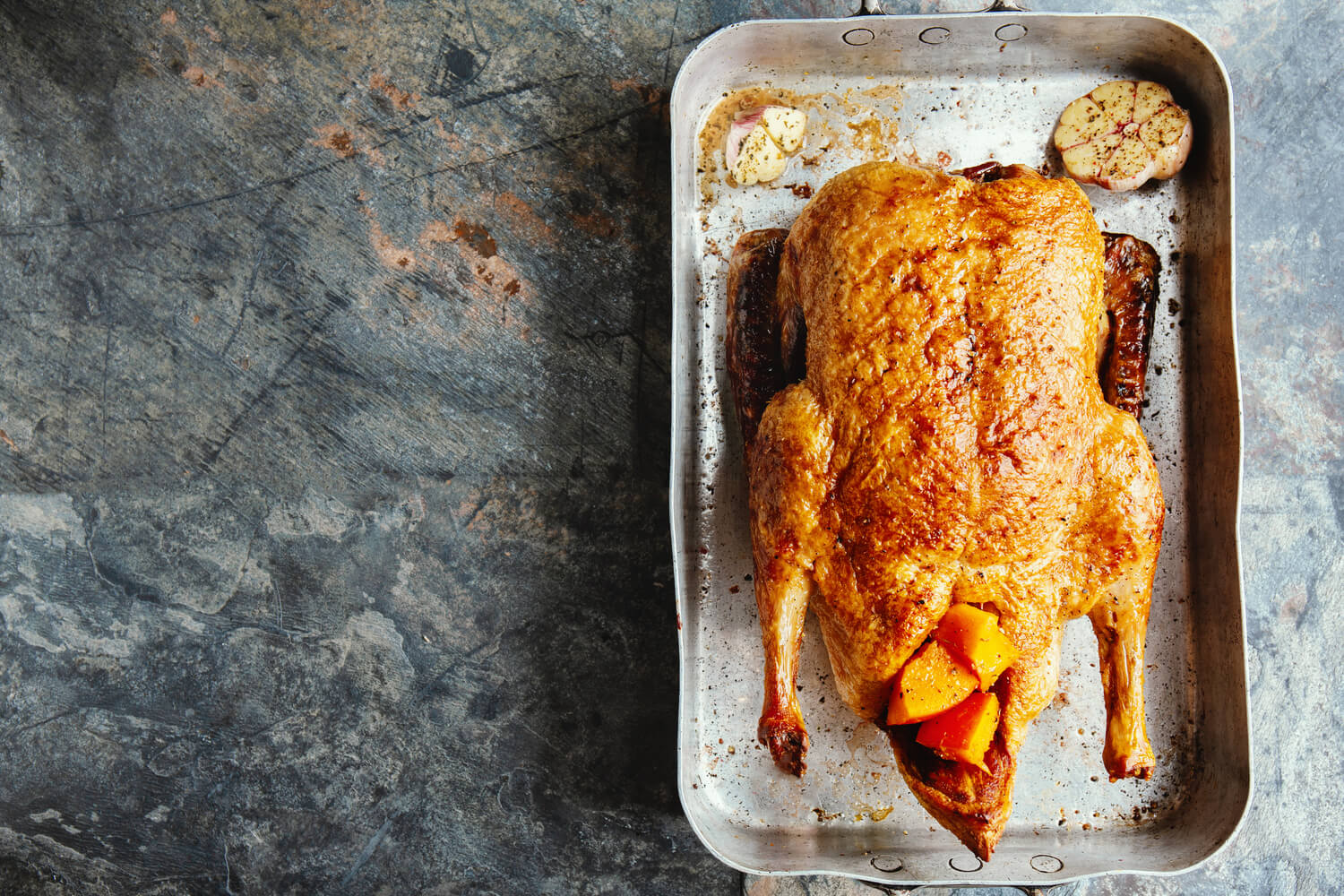
An entire capon is ideally roasted in the oven at 150–170°C for 2½ to 3 hours, depending on weight, basting regularly with its juices. High heat will dry out the breast. - – Internal temperature:
Aim for around 75°C in the thigh, checked with a probe. Beyond this, the meat loses juiciness. - – Rest before carving:
Like fine meat, let the capon rest 15–20 minutes under foil before slicing so the juices redistribute.
Tips to Prevent Dryness
- – Barding or buttering:
Wrap the breast with thin bacon slices or slip herb butter under the skin to protect and enrich the meat. - – Covered cooking:
For the first 2/3 of the cooking time, cook in a covered dish or cover the roasting pan with parchment or foil. Steam keeps the environment moist. - – Moisten the pan:
Add poultry stock, a bit of white wine, or vin jaune depending on the recipe to enrich the juices and prevent drying out. - – Baste frequently:
Every 20 minutes, baste the thighs, wings, and especially the breast with the cooking juices to nourish the skin and meat.
Capon Recipes for the Holidays
Roasted Capon with Honey and Spices
Concept
A grand festive roast with lacquered skin, where honey and spices coat the meat without overpowering it.
Preparation Idea
- – Make a glaze with honey, orange juice, a dash of light soy sauce, cinnamon, ground coriander, and Sichuan pepper.
- – Brush the capon before and during cooking.
- – Serve with glazed turnips, tender carrots, and roasted parsnips.
Capon Supreme with Orange and Chestnuts
Concept
A more contemporary version centered on the supremes, for elegant plated presentation.
Preparation Idea
- – Debone the supremes, keeping the skin.
- – Pan-sear skin-side down, then finish in the oven.
- – Deglaze the pan with reduced orange juice, fine zest, a dash of Grand Marnier, and mount with butter.
- – Serve with Jerusalem artichoke purée and sautéed chestnuts.
Stuffed Roasted Capon with Artichokes and Mushrooms
Concept
A reimagined Christmas classic: the stuffing brings depth, while artichokes and mushrooms add texture and contrast.
Preparation Idea
- – Stuffing: veal, chicken liver, milk-soaked bread, shallot, parsley, and a few small cubes of foie gras.
- – Cooking: roast the stuffed capon in the oven, deglaze with white wine, then reduce.
- – Garnish: artichoke bottoms sautéed in butter, button mushrooms, and seasonal porcini.
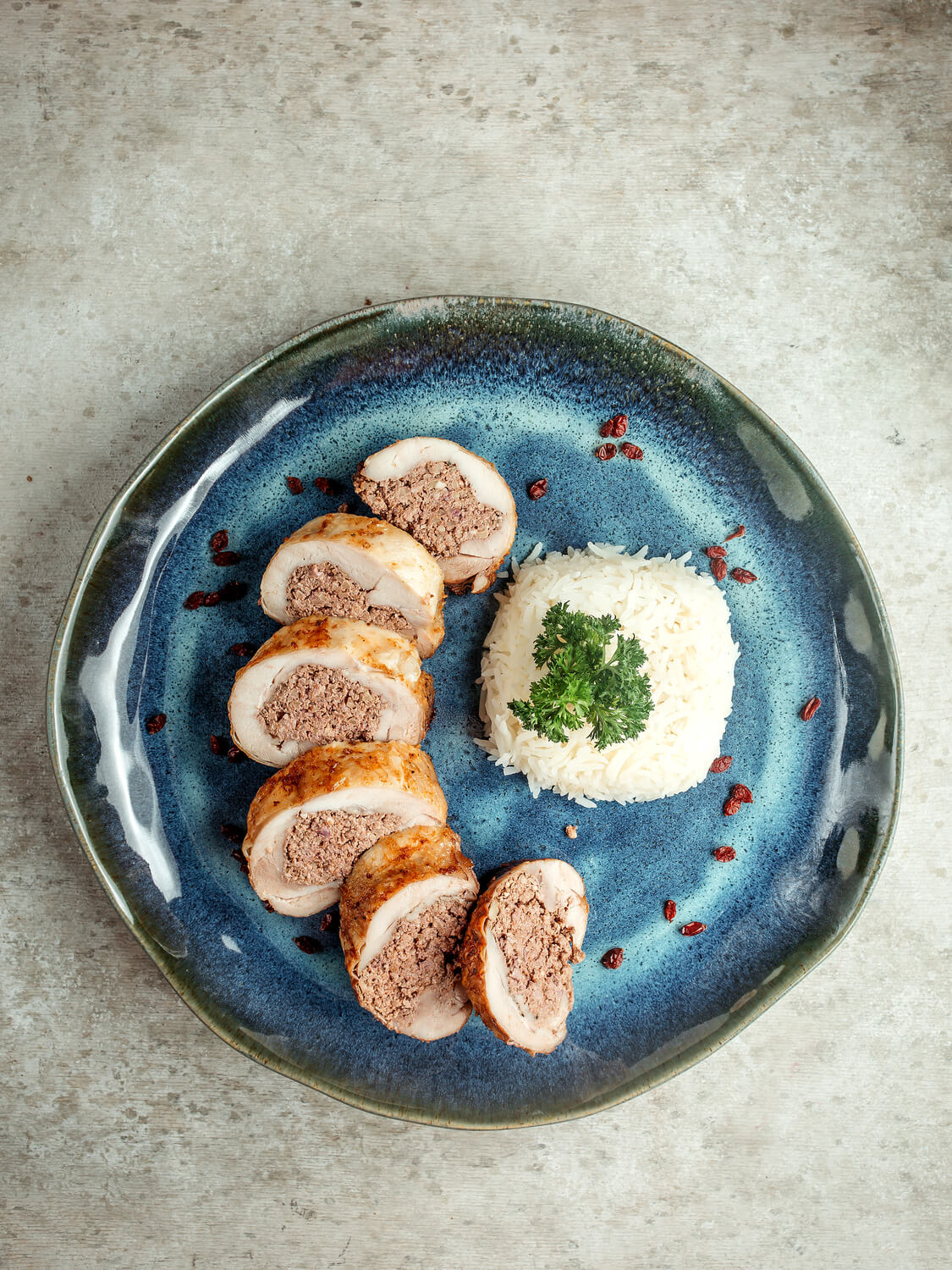
Capon Supreme with Porcini and Dried Fruit Risotto
Concept
A highly gastronomic dish with Italian accents.
Preparation Idea
- – Roast the supremes gently in foaming butter with thyme.
- – Sauté porcini mushrooms, deglazed with Madeira or dry Marsala.
- – Dried fruit risotto: poultry stock, Parmesan, walnuts, hazelnuts, and lightly plumped raisins.
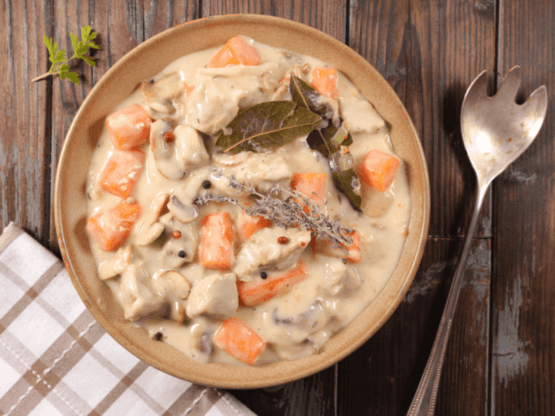
Capon with Vin Jaune and Morels
An iconic festive dish, capon with vin jaune pays tribute to Jura gastronomy: capon braised in a casserole and coated in a rich, aromatic sauce with vin jaune and morels.
What to Drink with Capon in Vin Jaune
The vin jaune version deserves special attention due to the expressive sauce.
Aromatic Profile of Vin Jaune
- Vin jaune is a Jura wine made from Savagnin, aged for more than six years under flor, mainly in the appellations Château-Chalon, Arbois, L’Étoile, and Côtes du Jura. It develops intense notes of nuts, curry, dried fruits, and mushrooms, supported by lively acidity.
The Obvious Regional Pairing
- – Vin jaune from Jura: Château-Chalon, Arbois Vin Jaune, L’Étoile, or Côtes du Jura. It extends the dialogue between bird, morels, and wine.
- – These wines, opulent yet fresh, balance the richness of the sauce and echo the nutty, earthy flavors.
Alternatives for Those Avoiding Vin Jaune
- Savagnin ouillé (not aged under flor): same grape, less oxidative, keeps gentle spices and tension.
- Côtes du Jura blends (Chardonnay + Savagnin): Chardonnay adds floral and fruit notes; Savagnin complements the sauce.
- Great structured white Burgundies:
- Meursault: rich, nutty, buttery, perfect with creamy sauces.
- Puligny-Montrachet: straighter, fine minerality, ideal for lighter sauces.
What to Drink with Roasted or Stuffed Capon
White Wines: The Classic Choice
For a simply roasted capon or one stuffed with chestnuts or dried fruits, look for ample, structured white wines with bright acidity.
- White Burgundy
- Meursault, Puligny-Montrachet, Chassagne-Montrachet, as well as excellent premiers crus from the Côte Chalonnaise and the Mâconnais.
- Aromas of white-fleshed fruit, fresh butter, and hazelnut; an ideal texture for stuffing, pan juices, and creamy sauces.
- Alsace
- Gastronomic Pinot Gris or dry Riesling: moderate richness, clean acidity, and smoky or honeyed notes to complement the stuffing.
- Loire Valley
- Dry Chenin (Vouvray, Montlouis, Savennières) for creamy capon or mushroom dishes.
- Rounder whites (some cuvées from Anjou and Saumur) for dried fruit garnishes.
- Rhône Valley
- Condrieu (Viognier) or certain southern Rhône whites: apricot, flowers, gentle spices, and lovely breadth for capon stuffed with autumn fruits.
Red Wines: Delicate and Fresh
You can absolutely serve a red wine with capon, especially when it is stuffed:
- – A dry, fruity red with supple tannins.
- – Good freshness to balance the richness of the meat.
A few suitable styles:
- – Burgundy Pinot Noir (Beaune, Volnay, Savigny): perfect with capon stuffed with chestnuts or mushrooms.
- – Loire reds (Saumur-Champigny, fruit-driven Chinon): delicate structure and good acidity.
- – Northern Rhône reds (light Crozes-Hermitage): dark fruit and violet notes, if the sauce is light and tannins soft.
What to Drink with Capon? Champagne!
Champagne is the ideal partner for festive poultry.
Why Champagne Works So Well with Capon
- – Bubbles: they cleanse the palate and refresh the mouth after each bite of poultry, stuffing, or creamy sauce.
- – Acidity: champagne’s freshness lightens the richness of the meat and side dishes (chestnuts, foie gras, melting potatoes).
- – Aromatic complexity: notes of citrus, brioche, dried fruits, or red fruits make it possible to build genuine haute gastronomy pairings.
Champagne Styles to Favor
- – Brut / Extra-Brut Champagne (non-vintage)
Ideal for simply roasted capon with short jus and classic sides (chestnuts, potatoes, glazed vegetables). Acidity and liveliness balance the meat, while the bubbles heighten the festive feel.
- – Blanc de Blancs Champagne (100% Chardonnay)
A lively, precise, and very elegant style. Perfect if the capon is served with a light sauce, citrus, fresh herbs, or prepared in a more minimalist way.
- – Blanc de Noirs Champagne (Pinot Noir / Meunier)
Fuller and more structured, with notes of red fruit and ripe yellow fruit. Ideal for stuffed capons, more concentrated sauces, and caramelized jus.
- – Rosé Champagne
For sweet-savory versions (chestnuts, dried fruits, citrus), rosé champagne brings fruitiness, generosity, and a subtle tannic lift that pairs beautifully with festive poultry.
Laurent-Perrier Cuvées for Capon
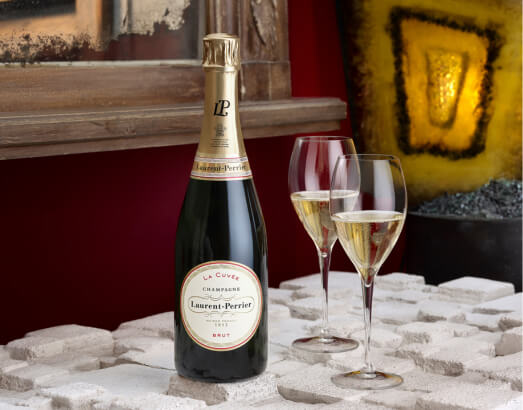
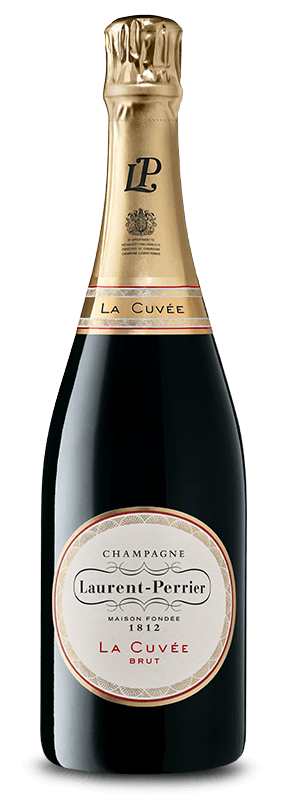
Laurent-Perrier “La Cuvée” – Signature Balance
- Blend:
Mostly Chardonnay, completed by Pinot Noir and Meunier (about 55% Chardonnay, 35% Pinot Noir, 10% Meunier), from around fifty crus. - Aging:
Extended aging (around 4 years on lees) to develop finesse and complexity. - Tasting profile:
- Pale gold color, very fine bubbles.
- Nose of citrus and white flowers, followed by peach and white fruit.
- Fresh, balanced palate with a delicately mineral finish.
Pairings with capon : simple roasted capon, winter vegetables, or a versatile festive dish.
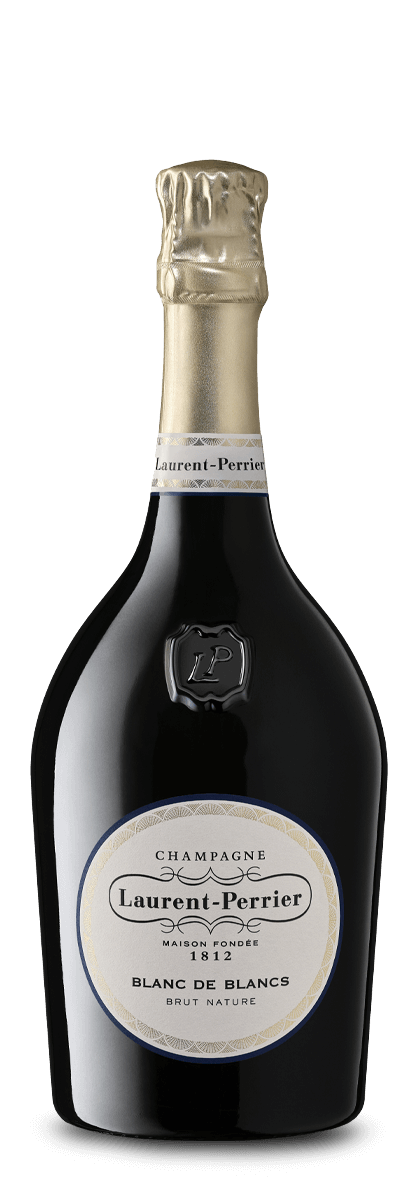
Laurent-Perrier Blanc de Blancs Brut Nature – Pure Chardonnay
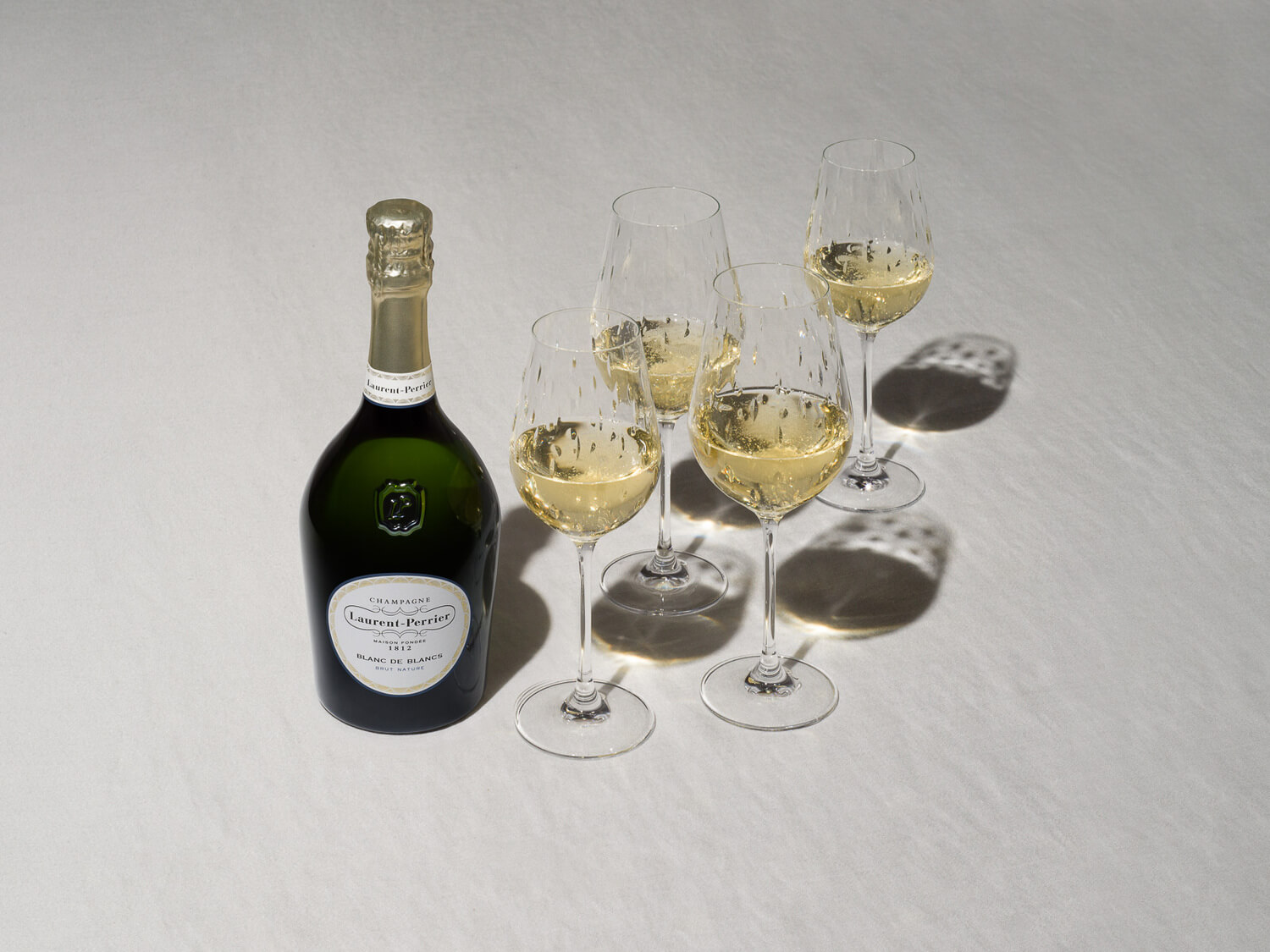
- Blend: 100% Chardonnay from Côte des Blancs & Montagne de Reims.
- Aging: Brut Nature, no dosage; careful balance of current & reserve wines.
- Tasting: lemon, white flowers, chalky notes; pure, tight palate with zesty finish.
- Pairing: citrus-roasted capon, light vegetable sides, refined presentation.
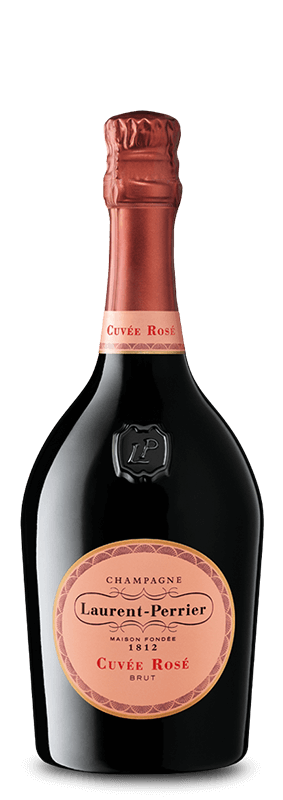
Laurent-Perrier Cuvée Rosé – Gastronomic Rosé
- Blend: 100% Pinot Noir, maceration rosé from selected grands crus, technique mastered since 1968.
- Tasting: deep pink, intense strawberry, raspberry, red currant; lively, precise palate with substance.
- Pairing: dried fruit-stuffed capon, chestnut dishes, reduced berry or citrus sauces.
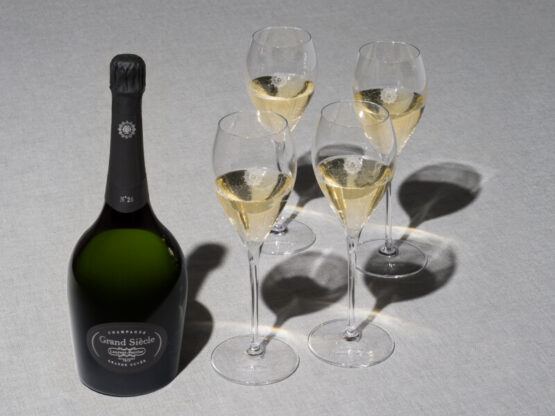
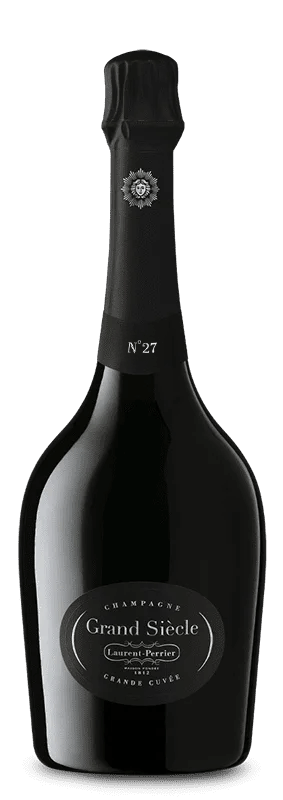
Laurent-Perrier Grand Siècle – Prestige Cuvée
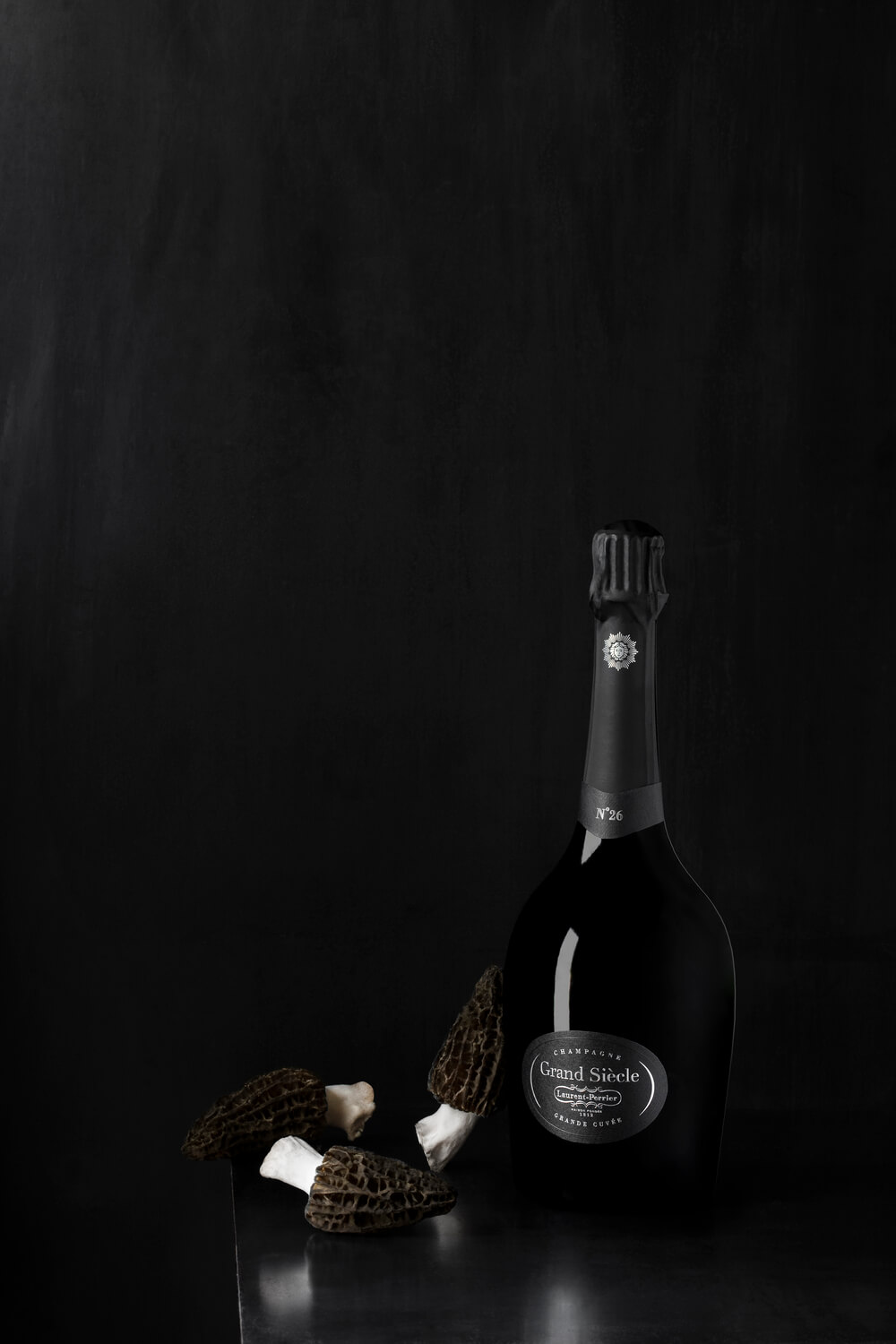
- Blend: non-vintage, art of combining three complementary great vintages (e.g., 2012, 2008, 2007); mostly Chardonnay with Pinot Noir from grands crus.
- Aging: long lees contact for depth, aromatic intensity, creamy texture with freshness.
- Tasting: brioche, almond, white & yellow fruits, honey, nutty, floral hints; broad palate with fresh backbone.
- Pairing: most sophisticated capons—truffle-stuffed, foie gras, morel cream sauces.
Capon / Wine / Champagne Pairing Table
| Capon Preparation | Garnish & Sauce | Recommended Wine Styles | Recommended Champagnes (including Laurent-Perrier) |
|---|---|---|---|
Simply roasted, short jus | Roasted potatoes, glazed vegetables, herbs | Balanced white Burgundy (Pouilly-Fuissé, Montagny), dry Loire Chenin | Laurent-Perrier La Cuvée; Blanc de Blancs Brut Nature; other balanced Bruts |
| Chestnut-stuffed capon | Chestnuts, poultry jus, celery or potato purée | Beaune red, finely oaked Pinot Noir; dry or off-dry Vouvray depending on the richness of the stuffing | Laurent-Perrier La Cuvée; Cuvée Rosé for a more indulgent pairing; Grand Siècle for special occasions |
| Dried fruit-stuffed capon | Apricots, dates, prunes, lightly sweet jus | Condrieu, dry Jurançon, rounded Loire whites; delicate southern Rhône reds | Laurent-Perrier Cuvée Rosé; Grand Siècle Iteration No. 26 for an exceptional pairing |
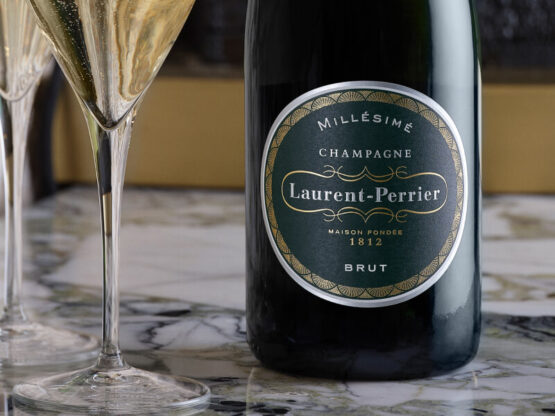
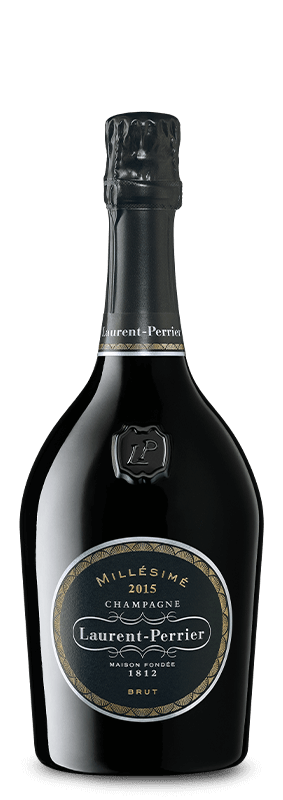
| With porcini, creamy sauce | Porcini/morels, cream, reduced jus | Meursault, Puligny-Montrachet, Crozes-Hermitage blanc, Savennières | Millésimé Brut (if served), Grand Siècle, Blanc de Blancs for tension |
| Supremes with orange & chestnuts | Orange sauce, sautéed chestnuts | Alsace Pinot Gris or gastronomic Riesling; tight semi-dry Chenin | La Cuvée, Cuvée Rosé if orange pronounced |
| Vin jaune & morels | Vin jaune sauce, cream, morels | Vin jaune (Château-Chalon, Arbois, Côtes du Jura); ouillé Savagnin; great white Burgundies | Regional pairing: vin jaune prioritized; Grand Siècle for start/end of meal |
| Festive “grand table” | Truffle stuffing, foie gras, refined sides | Great white Burgundies, vin jaune, selected old vintages | Laurent-Perrier Grand Siècle ; Millésimé Brut for courses |
Conclusion: What to Drink with Capon?
- Structured white wines from Burgundy, Jura, Loire, or Rhône ideally accompany the finesse of the meat and the richness of the sauces.
- Delicate red wines, with soft tannins: work with stuffed capons or stronger sides.
- Champagnes, finally, offer the most festive and contemporary pairing:
- La Cuvée – reliable, elegant, versatile
- Blanc de Blancs Brut Nature – pure, crystalline expression
- Cuvée Rosé – sweet-savory or fruit-stuffed versions
- Grand Siècle – for making capon the centerpiece of a prestigious feast
Choosing the right drink for capon is curating a moment of haute cuisine, where exceptional poultry and champagne speak the same language of elegance, balance, and slow enjoyment.