Table of contents
- France, the Land of Cheese: Myth or Reality?
- The Major Cheese Families and Their Natural Wine Pairings
- Breaking the Myth: Cheese Pairs Better with White Wine than with Red
- White Wine Styles and Their Cheese Affinities
- Cheese and Sparkling Wines: A Radiant Alliance
- Champagne and Cheese: Texture, Finesse and Precision
- Laurent-Perrier Champagnes & Their Cheese Pairings
- Final Table: Cheeses & Laurent-Perrier Champagnes
- Conclusion: Champagne and Cheese
France is a land of taste, terroir, and art de vivre. A country of gastronomic contrasts, it shines particularly in two universes that form a cornerstone of its culinary heritage: cheese and champagne.
If cheese evokes the infinite diversity of terroirs and dairy savoir-faire, champagne embodies the finesse, light, and elegance of the Champagne region.
This naturally raises a question: champagne and cheese, does the pairing truly work? The answer is yes, remarkably yes, provided one understands the diversity of cheeses, the diversity of champagnes, and the essential role of aromatic balance and texture experience.
France, the Land of Cheese: Myth or Reality?
France is often described as “the country of 300 cheeses,” or, as General de Gaulle famously remarked, “a country capable of producing more than 246 varieties.”
In reality, when one combines:
- – AOP cheeses,
- – IGP cheeses,
- – artisanal specialities,
- – regional variations,
- – levels of ageing,
the number easily approaches 500 to 1,000 cheeses, depending on classification.
This diversity is far from exaggerated: it reflects the richness of French terroirs (climate, soils, farming traditions) and the precision of a know-how passed down through centuries. Each valley, each mountain pasture, each region expresses its own accent and identity through cow’s, goat’s, or sheep’s milk, producing soft cheeses, pressed cheeses, blue cheeses, and cooked cheeses of every nuance.
The Major Cheese Families and Their Natural Wine Pairings
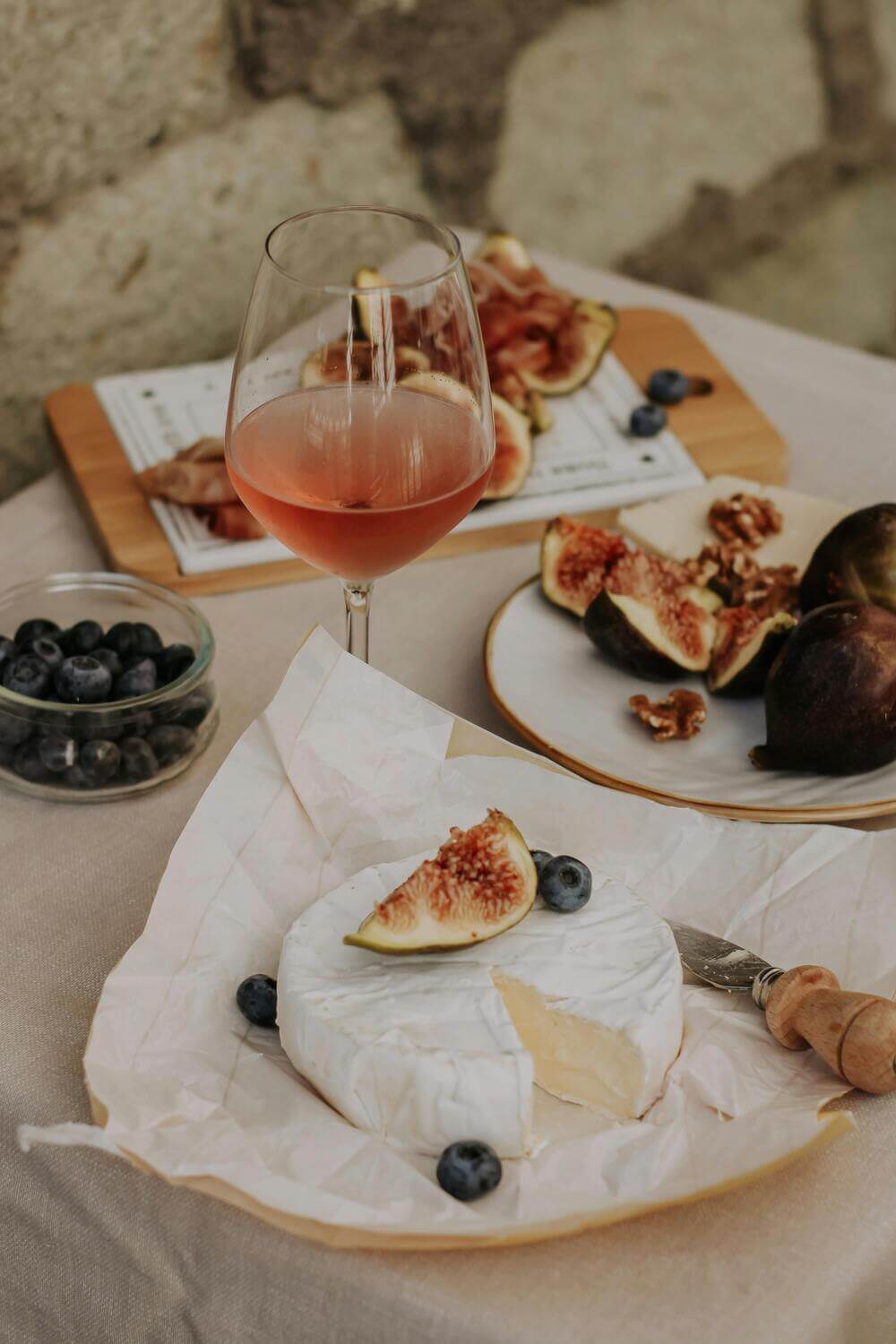
To better understand potential cheese pairings with champagne, it is helpful to review the main cheese families and their traditional affinities with wine.
The cheese families and their traditional pairings
| Cheese Type | Examples | Red Wine Pairings | White Wine Pairings | Sparkling / Champagne |
|---|---|---|---|---|
| Soft cheeses with bloomy rind | Brie, Camembert, Chaource | Light Pinot Noir | Unoaked Chardonnay, dry Chenin | Brut or Extra Brut Champagne (La Cuvée) |
| Soft washed-rind cheeses | Époisses, Munster, Langres | Rare (tannins incompatible) | Gewurztraminer, Pinot Gris | Structured vintage champagne |
| Goat cheeses | Crottin, Selles-sur-Cher, Valençay | Very light Gamay | Sauvignon Blanc (Sancerre, Pouilly-Fumé) | Blanc de Blancs, Extra Brut |
| Pressed uncooked cheeses | Cantal, Salers, Laguiole, Saint-Nectaire | Pinot Noir, Mondeuse | Generous Chardonnay, Savagnin | Brut or vintage champagne |
| Pressed cooked cheeses | Comté, Beaufort, Emmental | Light, low-tannin reds | Vin Jaune, Jura Chardonnay | Mature champagne or prestige cuvées |
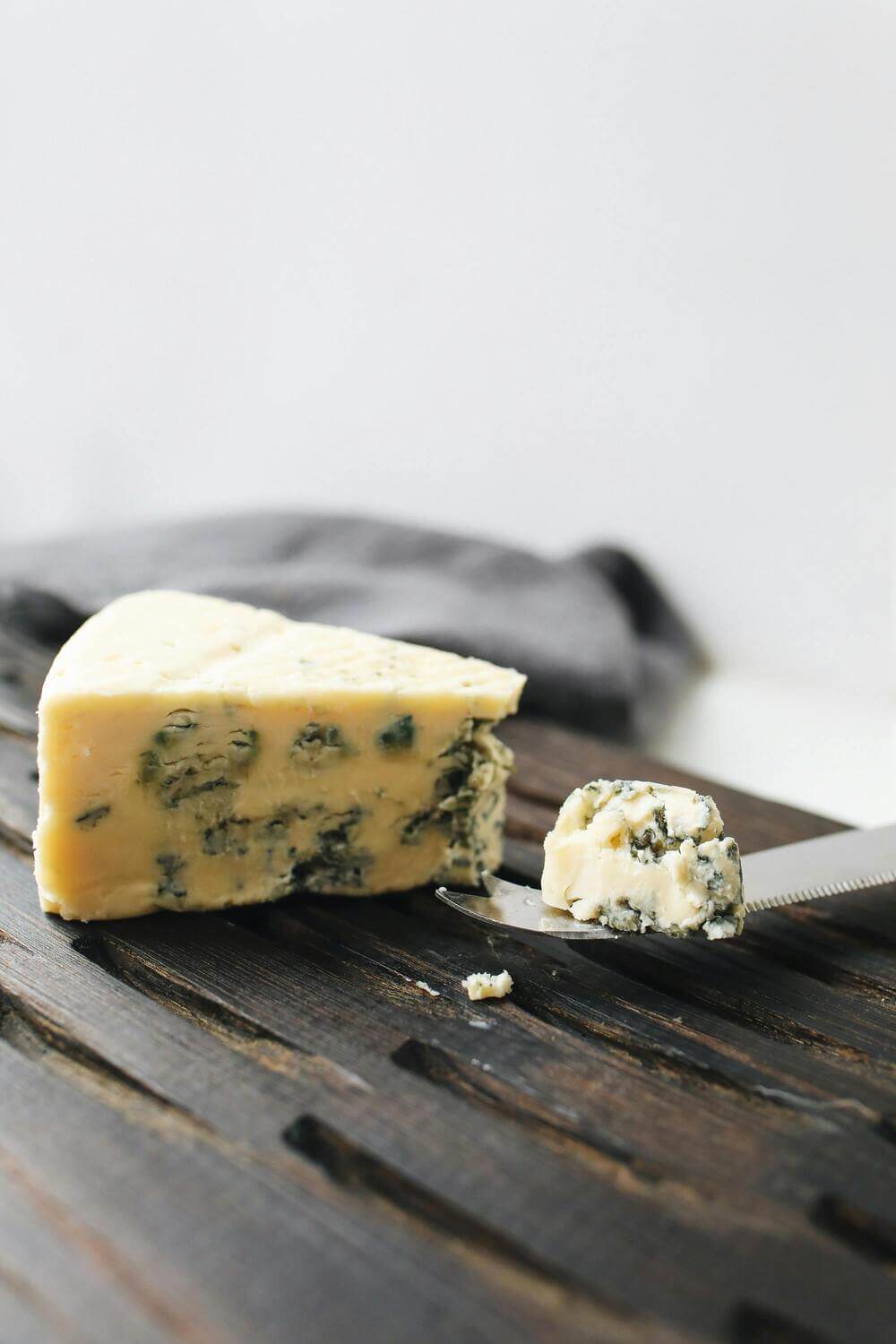
| Blue cheeses | Roquefort, Bleu d’Auvergne | Difficult | Sweet wines (Sauternes, Jurançon) | Demi-Sec champagne or rich, evolved styles |
The creamy, melting texture of cheese calls for a wine, or champagne, capable of highlighting its aromatic depth, flavour, and typicity.
Breaking the Myth: Cheese Pairs Better with White Wine than with Red
Why White Wine Works Better
- Cheese is rich and fatty: it needs acidity to refresh the palate.
- White wines are vibrant, mineral, and precise: they “cleanse” the mouth.
- White wines are low in tannins, avoiding bitterness or heaviness.
Why Red Wine Performs Poorly
- Red wine tannins react strongly with dairy proteins and fat.
- This creates metallic bitterness and closed aromas.
- Only a few light reds (Pinot Noir, Gamay) manage acceptable pairings.
Champagne, with its freshness, tension, and effervescence, becomes an exceptionally natural partner for many cheeses.
White Wine Styles and Their Cheese Affinities
Dry, aromatic whites
Alsace (Riesling, Pinot Gris, Gewurztraminer)
Loire (Sancerre, Pouilly-Fumé)
→ Ideal for goat cheeses, washed-rind cheeses, and soft cheeses.
Burgundy Chardonnay
Meursault (round, buttery), Chablis (mineral, precise)
→ Perfect with Comté, Brie, Saint-Nectaire.
Dry Bordeaux Whites
Graves, Pessac-Léognan
→ Excellent with pressed uncooked cheeses.
Sweet Wines
Sauternes, Jurançon, Monbazillac
→ Majestic pairings with blue cheeses.
Cheese and Sparkling Wines: A Radiant Alliance
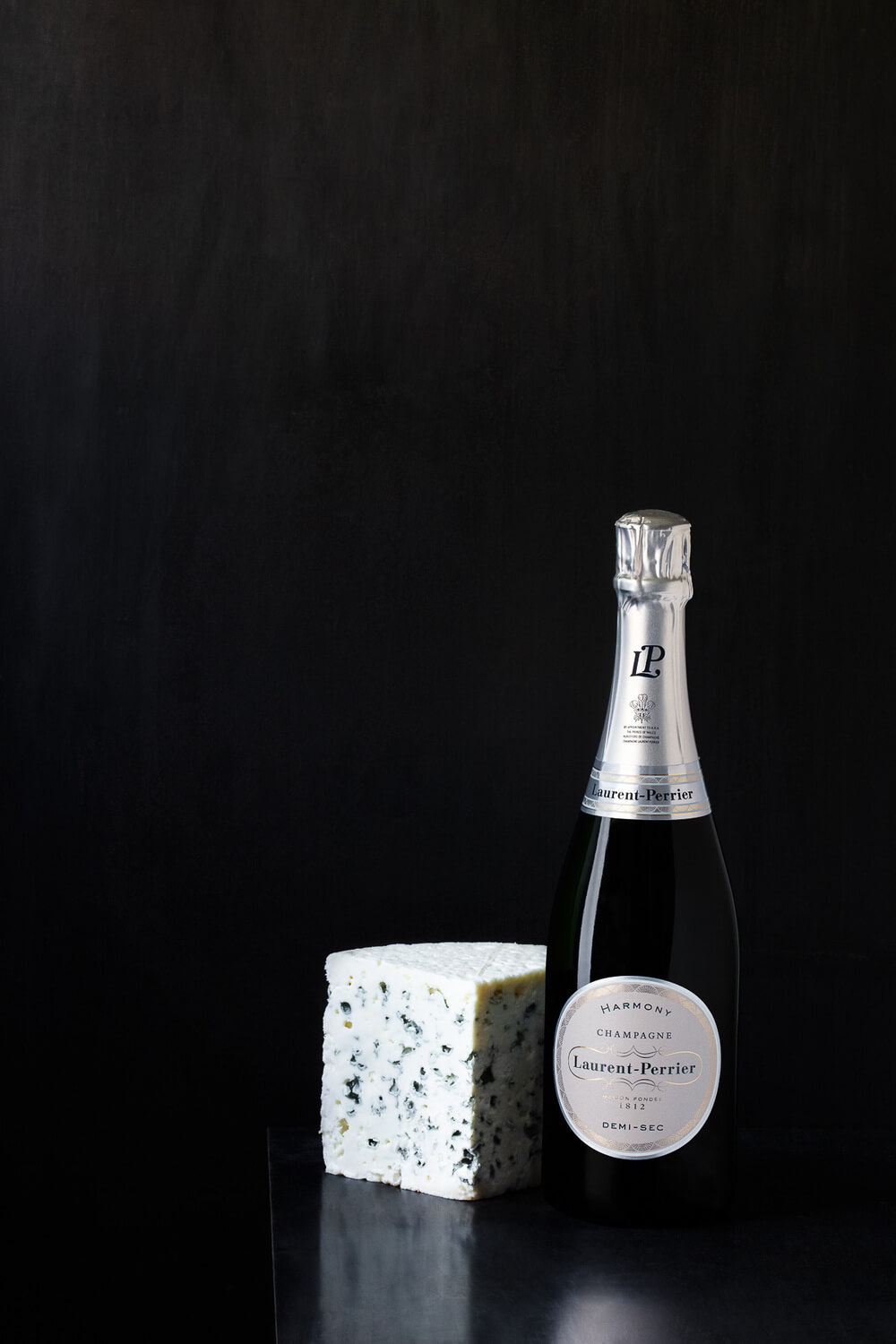
Effervescence provides:
- – refreshing acidity,
- – aromatic lift,
- – a unique capacity to lighten the richness of cheese.
Especially successful pairings include:
- – soft bloomy-rind cheeses (Brie, Chaource),
- – aged goat cheeses,
- – pressed cheeses (Laguiole, Salers, Tommes).
Champagne and Cheese: Texture, Finesse and Precision
Champagne is not a single style: dosage, varietal expression, and vinosity vary greatly.
- Brut & Extra Brut Champagne Ideal for creamy bloomy-rind cheeses (Brie, Chaource, Brie de Meaux).
→ Perfect balance of freshness and structure. - Vintage Champagne Suited to characterful cheeses (Saint-Nectaire, Laguiole, Salers, aged Comté).
→ Greater vinosity and aromatic complexity. - Prestige Cuvées For exceptional cheeses (truffled Brie, aged Parmesan, Beaufort d’alpage).
→ Depth, length, and noble complexity.
Laurent-Perrier Champagnes & Their Cheese Pairings
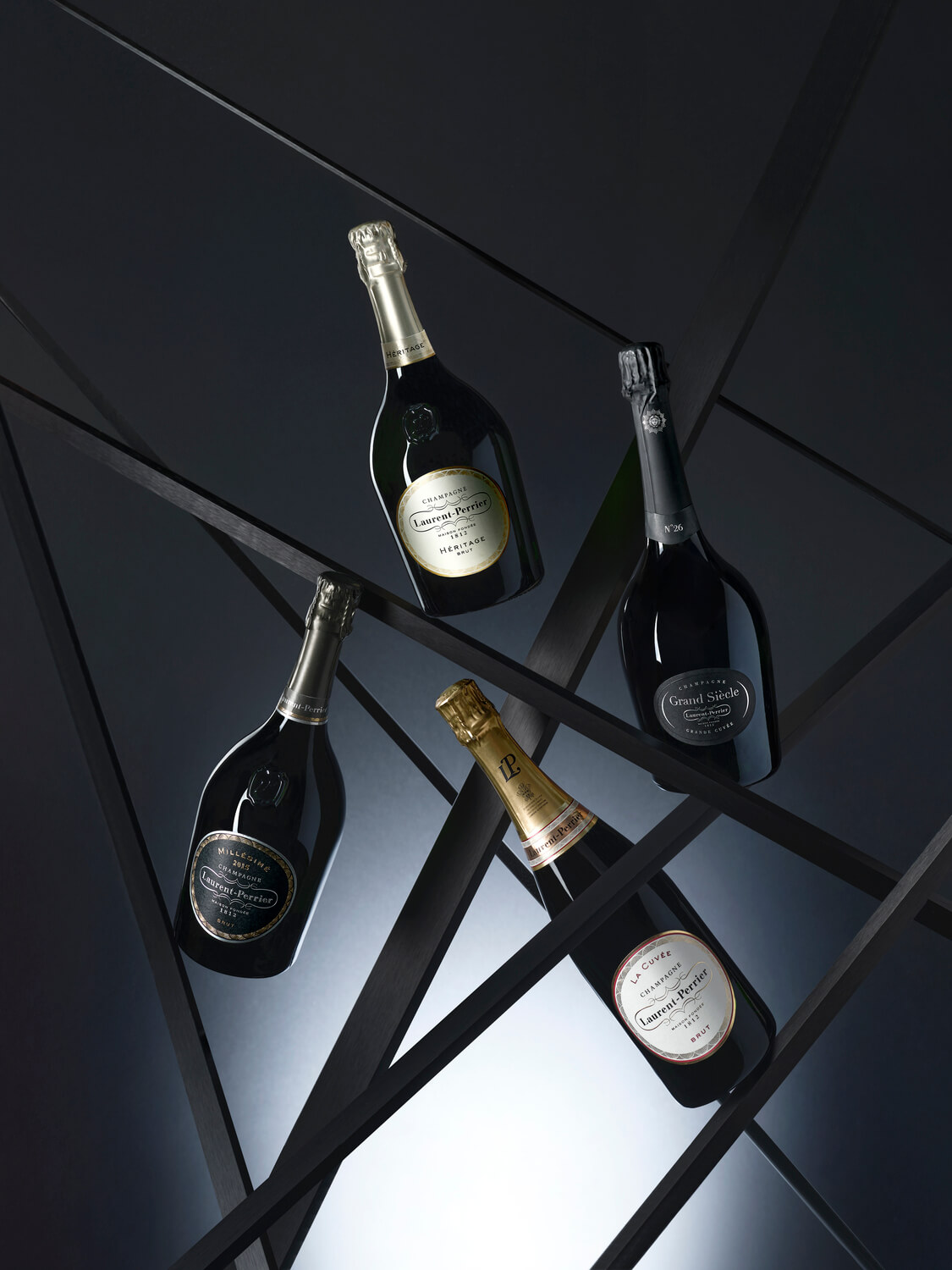
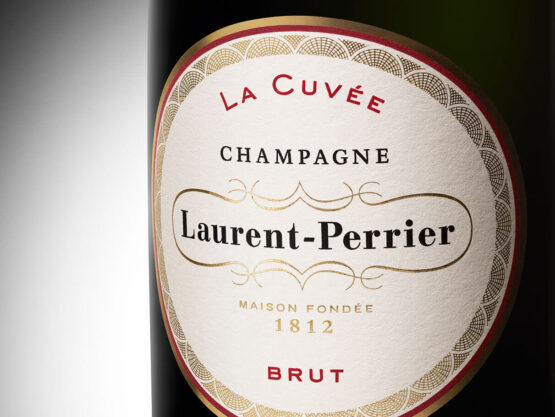
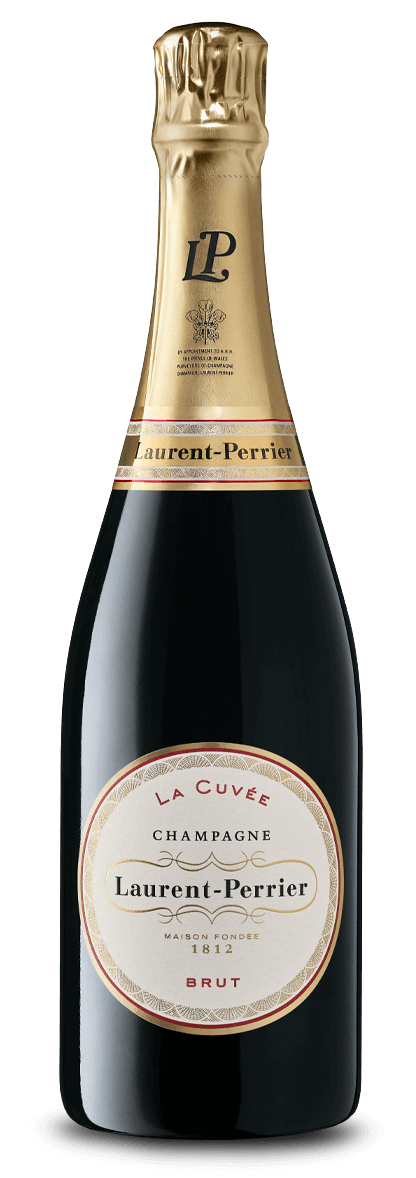
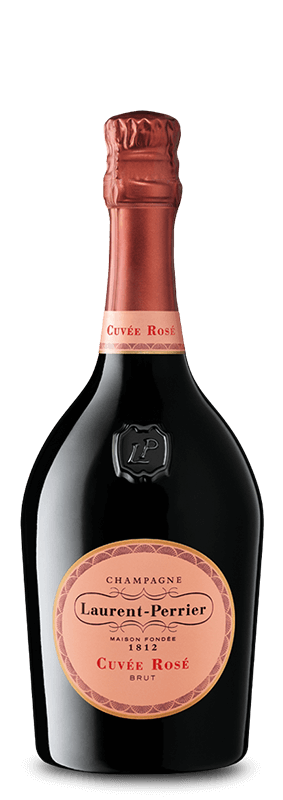
Laurent-Perrier “La Cuvée”: Freshness and Elegance
A signature Brut champagne, delicate and Chardonnay-driven.
Perfect with:
- – Brie,
- – Chaource,
- – Mild Camembert,
- – Soft creamy cheeses not too strong.
Why?
La Cuvée combines controlled vivacity with subtle complexity, ideal for lifting the richness of gentle cheeses.
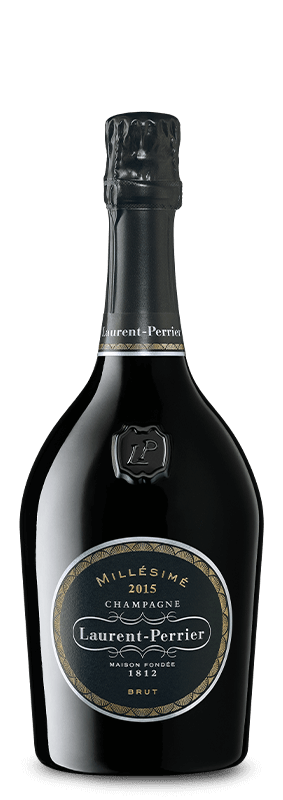
Laurent-Perrier (Brut Millésimé) Vintage 2015 or 2018: Structure and Depth
For more expressive cheeses:
- – Saint-Nectaire,
- – Laguiole,
- – Salers,
- – Aged Cantal.
Why?
Vintage champagne offers a more vinous profile, capable of standing up to intensity and earthy aromatic character.
- Suggested vintages:
- – Vintage 2015
- – Vintage 2018
- – Other structured vintages
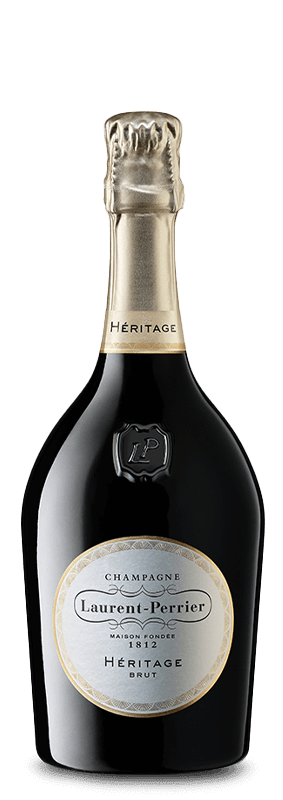
Laurent-Perrier Héritage: Freshness and Vinosity
A champagne composed exclusively of reserve wines.
Perfect with:
- – aged cheeses,
- – high-quality cooked pressed cheeses,
- – lightly truffled cheeses.
Why?
Héritage blends freshness, complexity, and length with a beautifully enveloping texture.
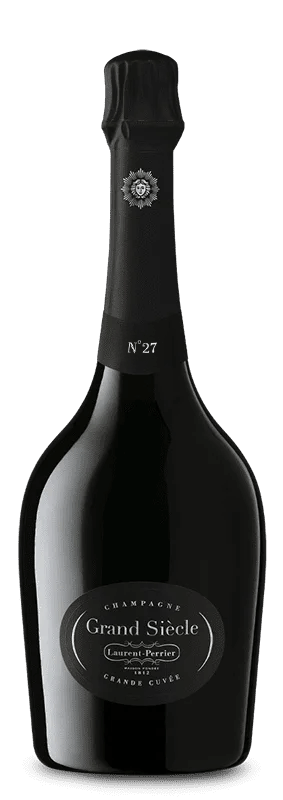
Grand Siècle Iteration No. 26: The Exceptional Pairing
Grand Siècle aims to achieve the “Perfect Year” by blending three complementary vintages.
Awarded 100/100 by James Suckling and 100/100 by Michel Bettane, it stands at the pinnacle of champagne craftsmanship.
Exceptional with:
- – truffled Brie,
- – very old Parmesan,
- – mature Comté,
- – festive cheeses.
Why?
Only a cuvée of such dimension can converse with the depth, patina, and extended aromatic length of truly exceptional cheeses.
Final Table: Cheeses & Laurent-Perrier Champagnes
| Cheese Type | Examples | Profile | Recommended Champagne | Rationale |
|---|---|---|---|---|
| Soft bloomy-rind | Brie, Chaource, mild Camembert | Creamy, melting | La Cuvée | Freshness and finesse enhance creaminess |
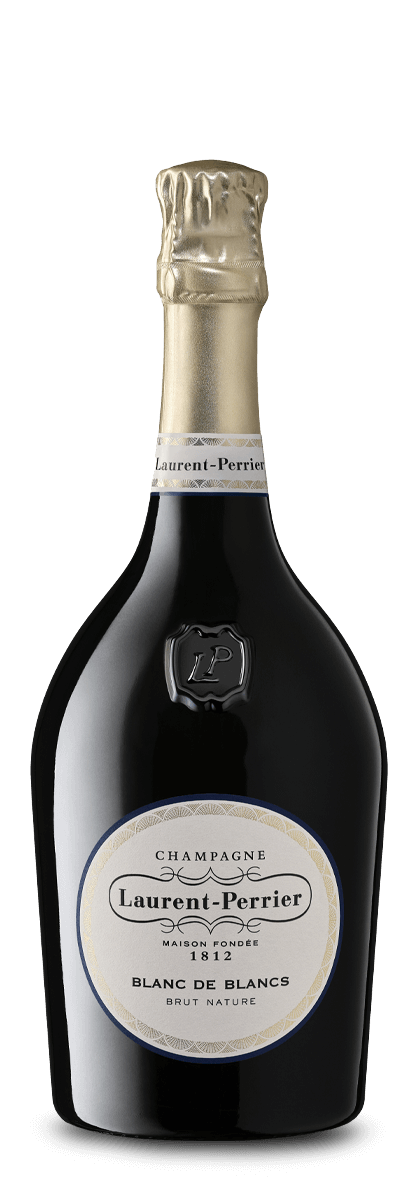
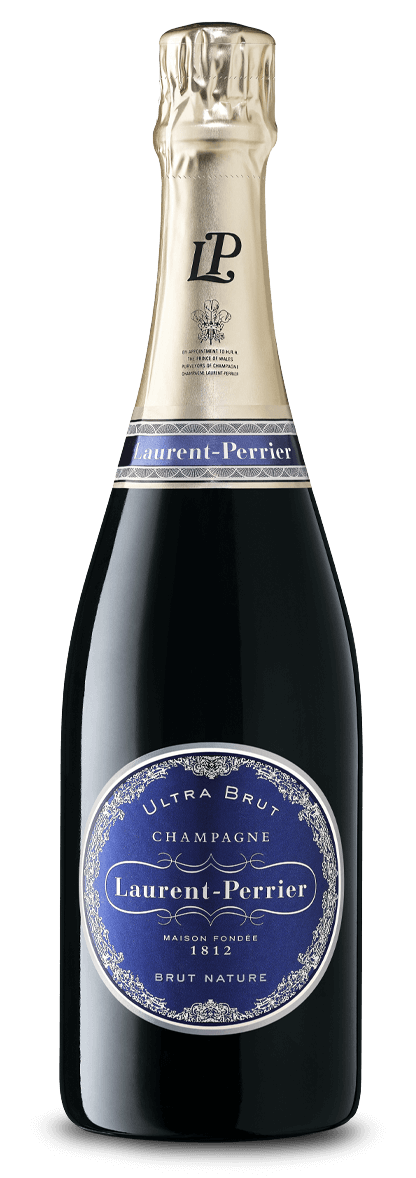
| Goat cheeses | Crottin, aged chèvre | Mineral, taut | Blanc de Blancs Brut Nature / Ultra Brut | Purity and chalk-driven intensity |
| Pressed uncooked | Saint-Nectaire, Salers, Laguiole | Structured, savoury | Vintage 2015 | Depth and aromatic power |
| Pressed cooked | Comté 24+ months, Beaufort, Emmental | Complex, ample | Héritage or Vintage 2015 | Length and richness |
| Exceptional cheeses | Truffled Brie, aged Parmesan, mature Comté | Profound, patinated | Grand Siècle It. 26 | Ultimate harmony |
Conclusion: Champagne and Cheese
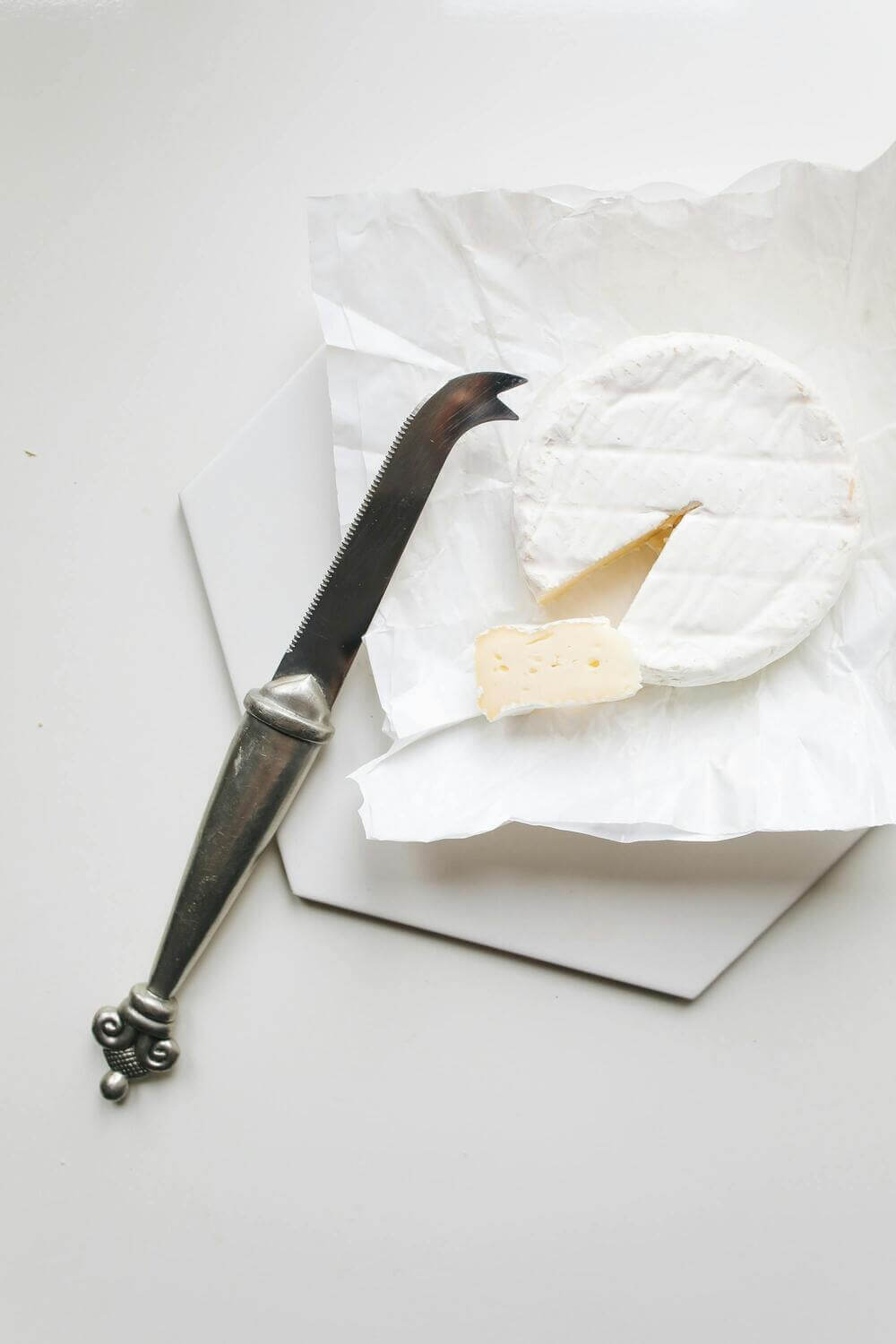
Few pairings illustrate French culinary heritage as elegantly as champagne and cheese.
- Champagne’s acidity and bubbles elevate the richness of cheese while providing lift and precision.
- Laurent-Perrier’s range, La Cuvée, Vintage Brut, Héritage, Grand Siècle Iteration No. 26, offers combinations from refined everyday moments to grand celebrations.
An authentically French, gastronomic, and timeless alliance that enhances every cheese board.