The timeless elegance of rosé Champagne
Since its origins, Champagne has embodied celebration, refinement, and the art of French living. Rosé Champagne, meanwhile, represents the most indulgent and seductive expression of this world. Its delicate color, red fruit aromas, and freshness on the palate make it one of the most sought-after wines worldwide.
But what is the best rosé Champagne? The answer lies in the exceptional expertise of the Houses that masterfully craft it. At Laurent-Perrier, tradition meets innovation through a rare and demanding technique: maceration, which enhances the intensity and elegance of the grapes.
methods for producing rosé
Blending with red wine
The most common method in Champagne involves blending a white Champagne with a portion of still red wine from the same vintage. This produces a consistent and balanced sparkling wine, though the aromatic intensity is generally softer.
Maceration – the rare art
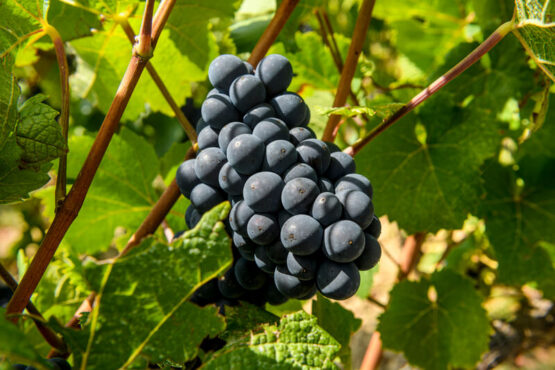
Maceration consists of leaving the skins of black grapes (Pinot Noir or Pinot Meunier) in contact with the juice for several hours. This delicately extracts the pink color and red fruit aromas while preserving texture finesse. Laurent-Perrier rosé Champagnes are renowned for mastering this precise process.
Saignée – a variant
Saignée rosés start fermentation directly in the maceration tank. The resulting pink sparkling wines are often round, fruity, and immediately charming.
What makes a great rosé Champagne?
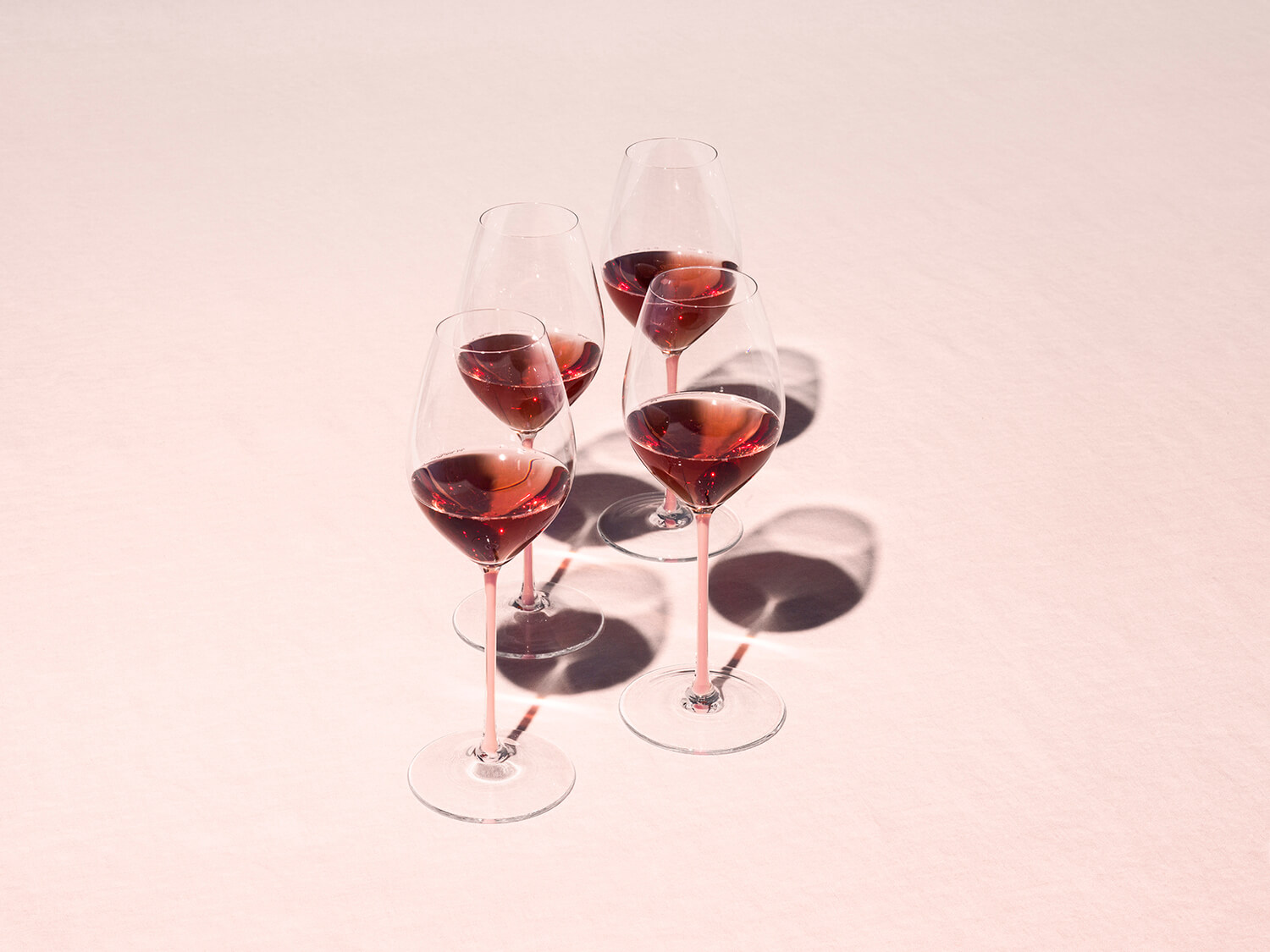
A top rosé Champagne is defined by three essential criteria:
- • Aromatic purity: Clear notes of strawberry, raspberry, currant, cherry, or blackcurrant.
- • Freshness and balance: A rosé Champagne should never be heavy but instead express elegant liveliness.
- • Bubble finesse: Essential to extend elegance on the palate.
Thanks to maceration, Laurent-Perrier rosés stand out for their superior aromatic intensity, a precise fruit palette, and a silky texture that makes them unique.
Choosing the Best Rosé
Terroir
Great rosés come from exceptional Champagne vineyards, often UNESCO World Heritage sites, where diverse soils enrich aromatic complexity.
Grapes
- – Pinot Noir: structure, power, aromatic depth
– Chardonnay: freshness, elegance, length - – Pinot Meunier: roundness, fruitiness
Laurent-Perrier relies on Pinot Noir from the finest grands crus of the Montagne de Reims to create its signature rosé expression.
Production technique
Blending produces pleasant rosé Champagne, but only maceration delivers the intensity and authenticity that define exceptional cuvées.
Cuvée style
- – Brut rosé: accessible, lively, perfect for aperitifs and convivial sharing.
- – Prestige rosé: rare, complex, and profound; reserved for connoisseurs and exceptional moments.
Laurent-Perrier Rosé Creations
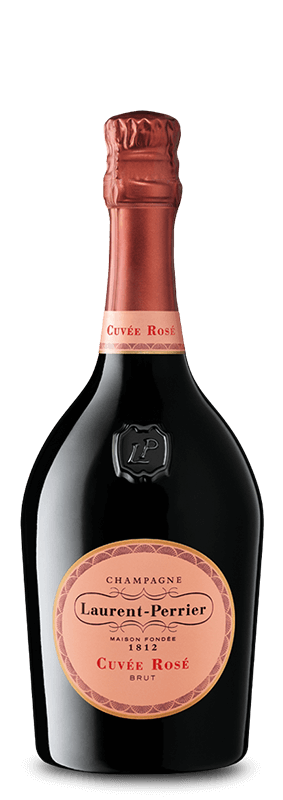
Laurent-Perrier Cuvée Rosé – The icon of maceration
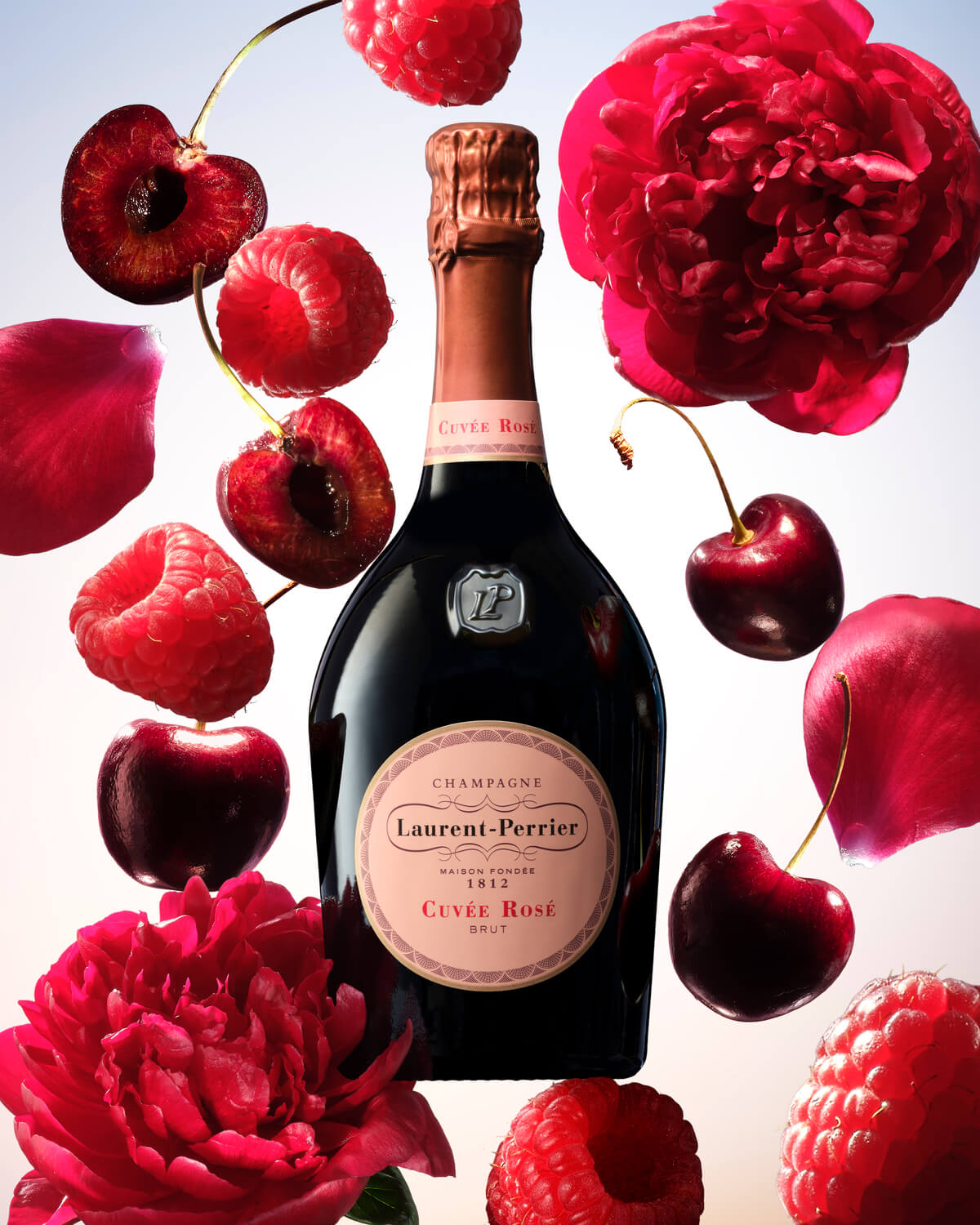
A true emblem of the House, this pink sparkling wine is renowned worldwide for freshness and aromatic intensity.
- – Appearance: bright salmon pink
– Nose: vibrant red fruits – strawberries, raspberries, currants
– Palate: lively, elegant, with a crisp finish
Ideal as an aperitif or paired with gastronomy: raw fish, subtly spiced dishes, or red fruit desserts.
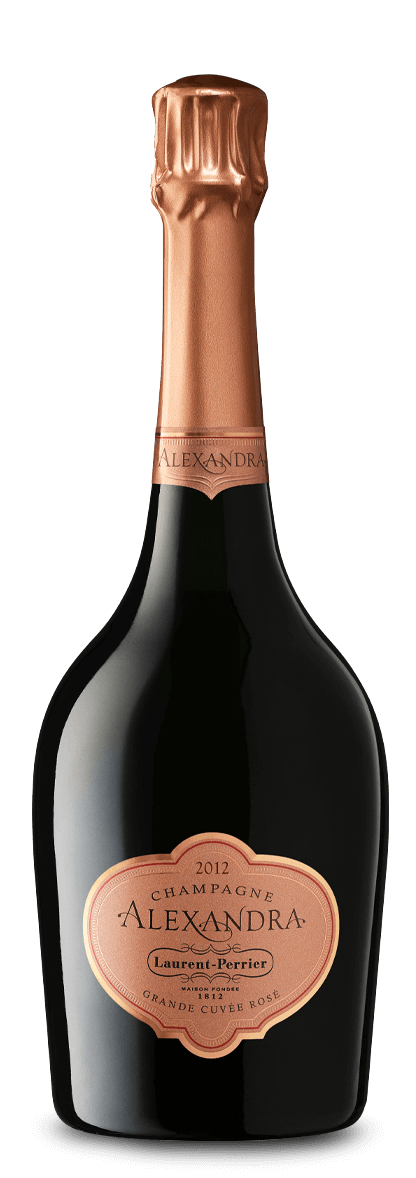
Alexandra Rosé Millésimé – Ultimate Expression
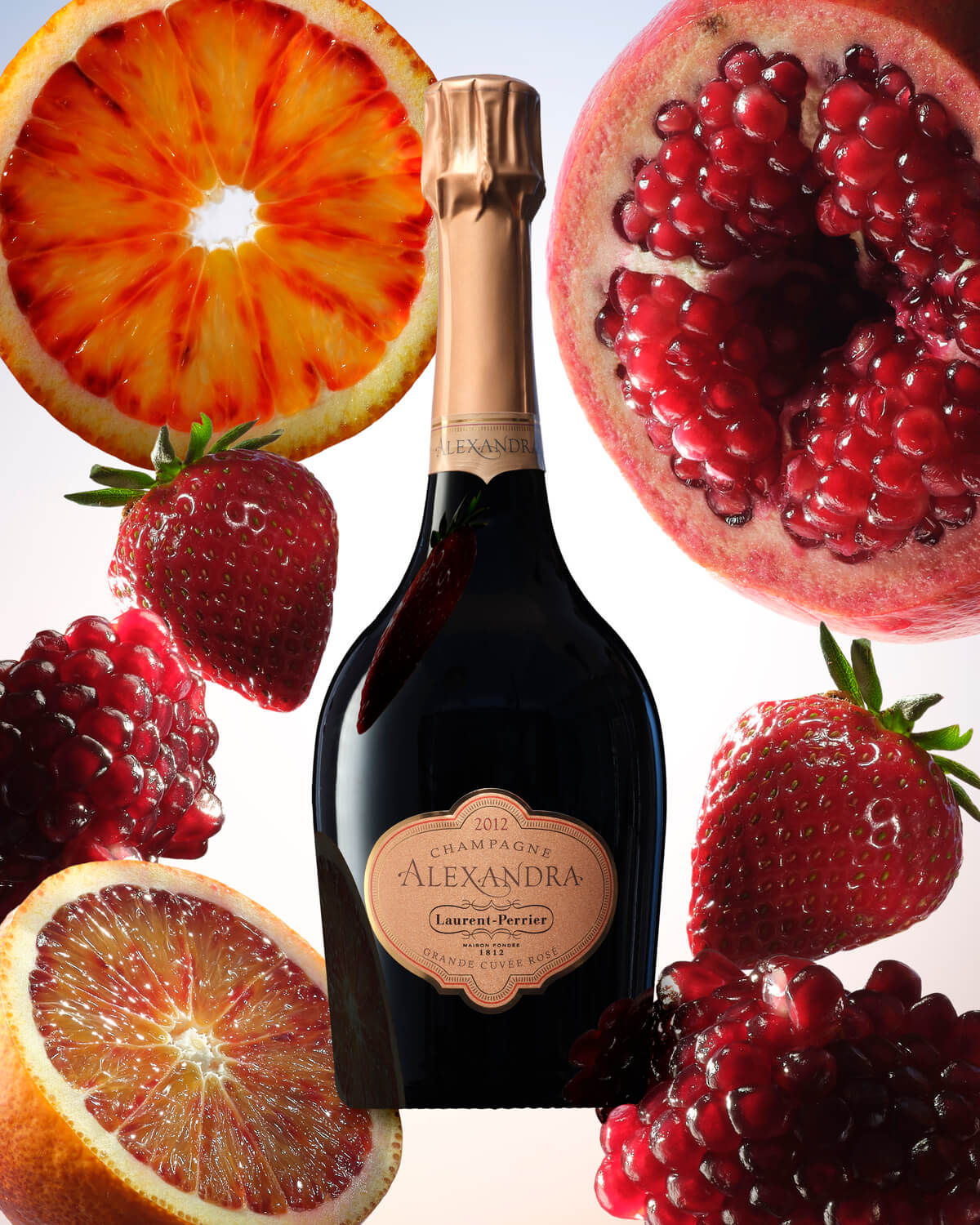
Produced only in the greatest years, this prestige vintage represents the pinnacle of maceration.
- – Appearance: intense, with refined salmon reflections
– Nose: ripe red fruits, delicate flowers, mineral hints
– Palate: ample structure, power, and refinement
Perfect with game, truffles, or bold gastronomic creations for memorable moments.
Brut Rosé vs Prestige Rosé: two expressions of refinement
- • Cuvée Rosé: immediate charm, fruity intensity, crystalline freshness; ideal for sharing moments and elegant discovery.
- • Alexandra Rosé Millésimé 2012: depth, rarity, and longevity; transforms each tasting into a lasting experience.
Conclusion – The Art of Rosé at Laurent-Perrier
The best rosé Champagne comes from mastery of maceration elevated to art by Laurent-Perrier. Each bottle expresses fruit essence, elegance, and refinement. From the approachable Cuvée Rosé to the complex Alexandra Rosé Millésimé, the House offers pink sparkling wines that are iconic, precise, and timeless.