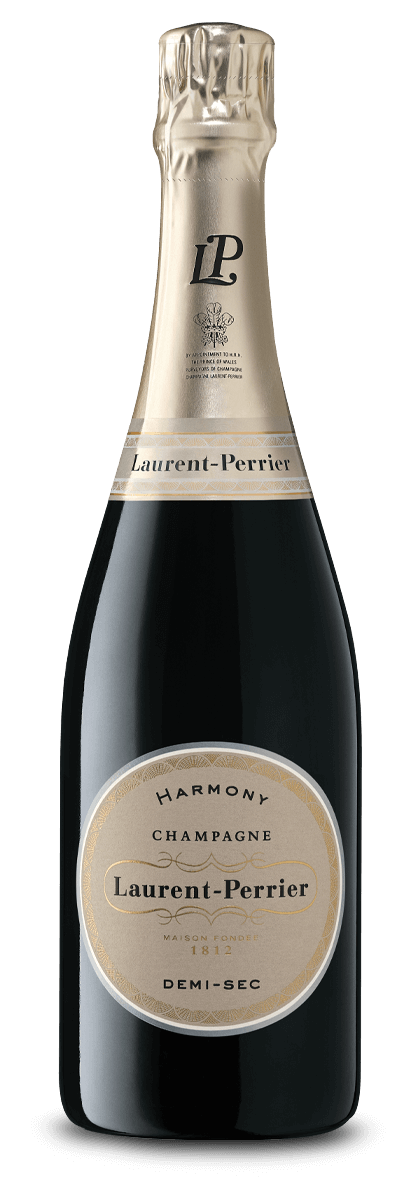
Champagne has always embodied the French art de vivre. A wine of prestige, it transcends cultures and stands as the universal symbol of refinement and conviviality. Yet, faced with the diversity of cuvées and styles, one question often arises: which champagne should you choose—for each occasion, each tasting profile, and each food and wine pairing?
Maison Laurent‑Perrier distinguishes itself through its pioneering role and unique style based on freshness, finesse, and elegance. A trailblazer, it crafts champagnes that unite innovation and tradition, appealing both to seasoned connoisseurs and to enthusiasts seeking emotion.
Through this guide, we offer you a comprehensive exploration of the Laurent‑Perrier universe. You will discover:
- – The different types of champagne and their specificities.
- – The ideal occasions to open a cuvée.
- – The food and wine pairings that elevate each tasting.
Because choosing a champagne means choosing more than a wine: it means embracing a way of life.
What are the main types of champagne?
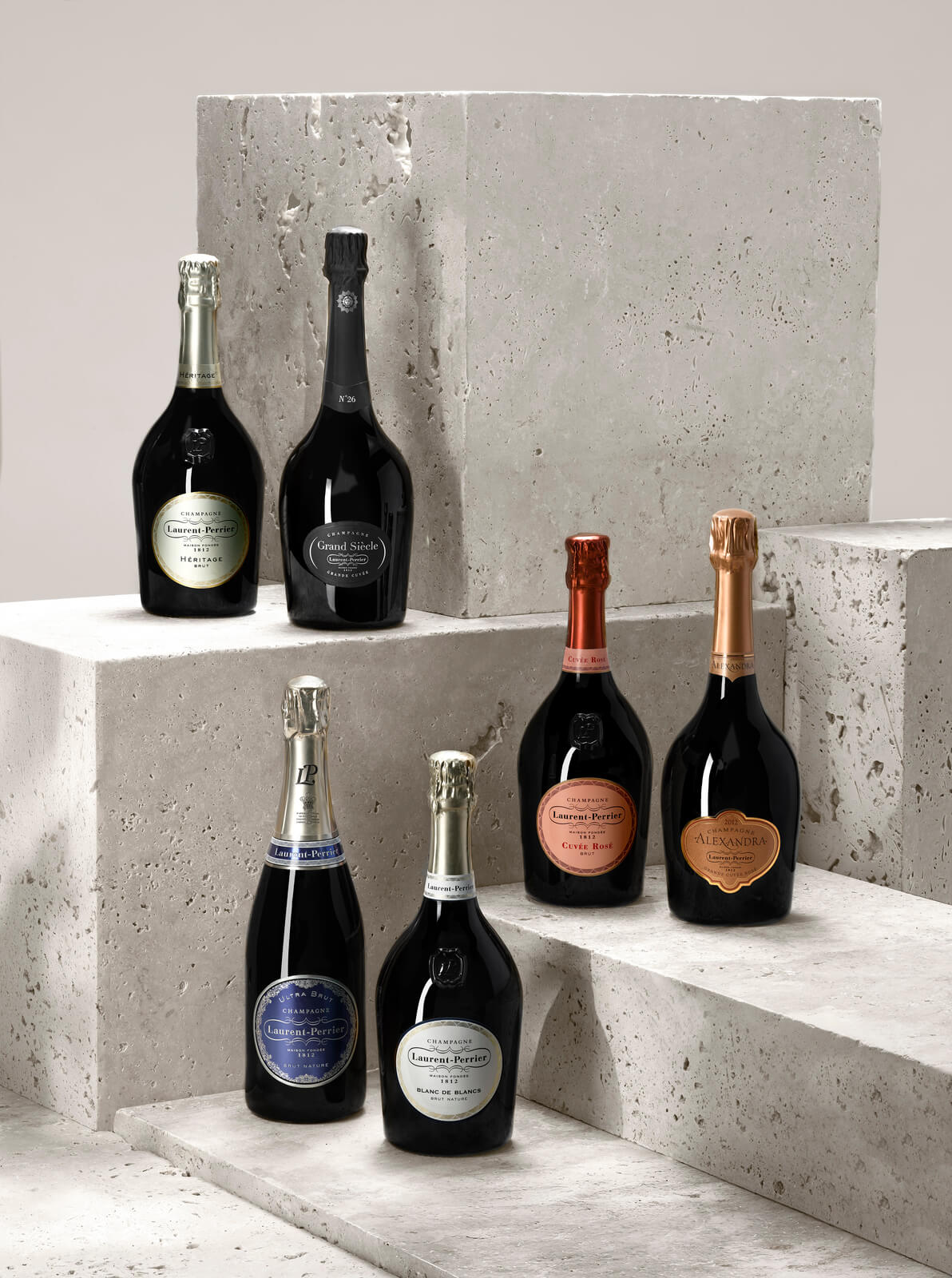
Before answering the question “which champagne should you choose?”, it is essential to understand the main categories that structure this universe.
Brut Champagnes: universal balance
Brut is the most widespread and appreciated category of champagne worldwide. The term “Brut” refers directly to the wine’s sugar dosage: a Brut champagne contains less than 12 grams of residual sugar per liter. This low dosage preserves freshness and liveliness while providing balanced roundness.
Within the Brut designation, there are several types:
- – BSA – Brut Sans Année (Non‑Vintage Brut): the identity card of every Champagne House. It serves as an introduction to its style. Unlike other vineyards where vintages are standard, Champagne declares vintages only in exceptional years. A BSA blends wine from the current year with reserve wines.
- – Vintage Brut: crafted from a single harvest year. Vintages are only declared when the year is deemed remarkable, making each one the unique expression of that singular harvest.
- At Laurent‑Perrier, three cuvées embody this category:
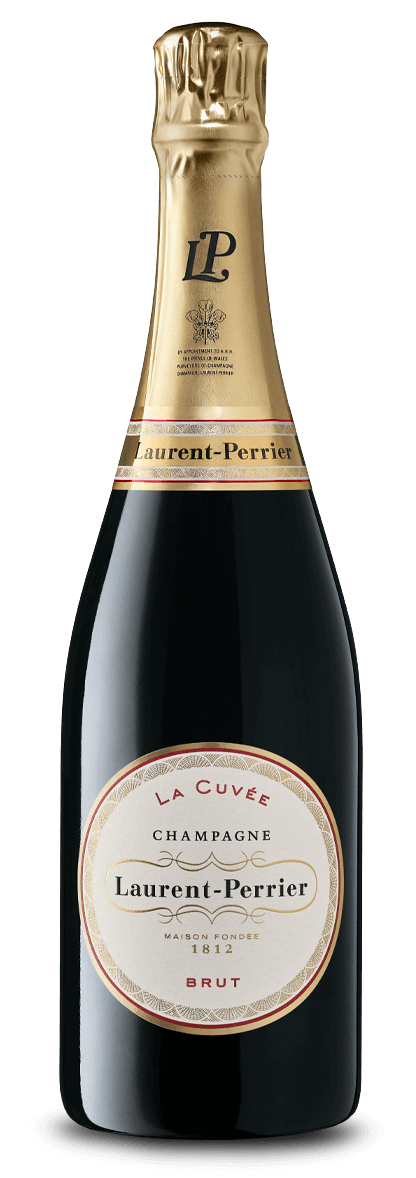
- – La Cuvée: predominantly Chardonnay, this non‑vintage Brut introduces you to the Laurent‑Perrier style.
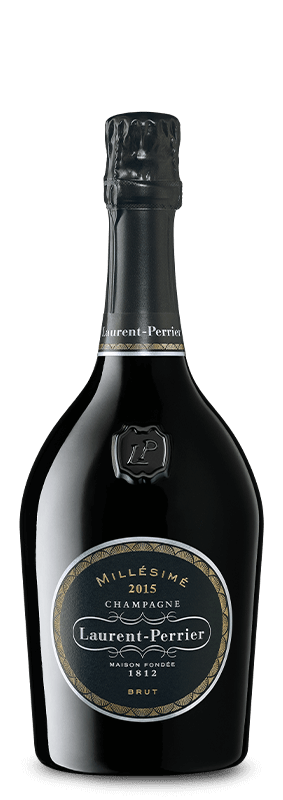
- – Brut Millésimé: declared only in exceptional years, always faithful to the House’s style.
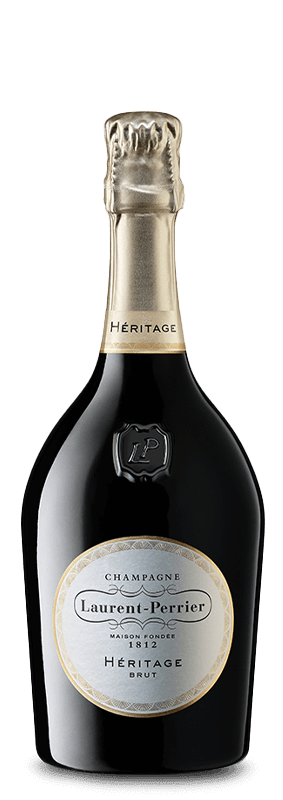
- – Héritage: an expression of tradition and transmission, paying tribute to reserve wines.
Brut Nature Champagnes: the Truth of the Wine
Brut Nature, or non‑dosé champagne, is crafted without adding any liqueur d’expédition—meaning no sugar is added after disgorgement. Its sugar content derives solely from the natural sugars present in the grapes and does not exceed 3 g/l. It is distinct from Extra Brut, which contains less than 6 g/l.
This is one of the most demanding styles, as it tolerates no approximation: only grapes of exceptional quality, harvested at perfect ripeness, can achieve natural balance without dosage. Brut Nature appeals to discerning enthusiasts seeking a crystalline, mineral, and sharply defined experience.
At Laurent‑Perrier, two cuvées embody this category:
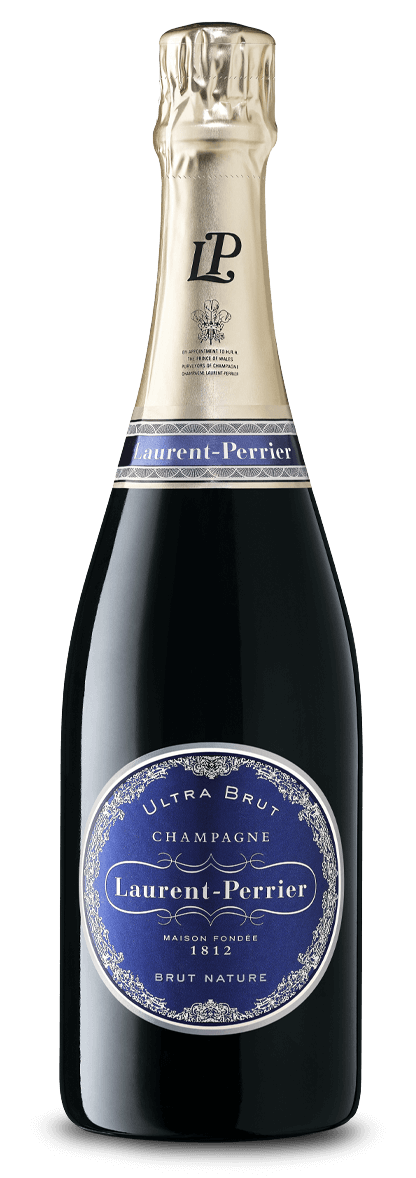
- – Ultra Brut: created in 1981, the first non‑dosé champagne and the origin of the Brut Nature category.
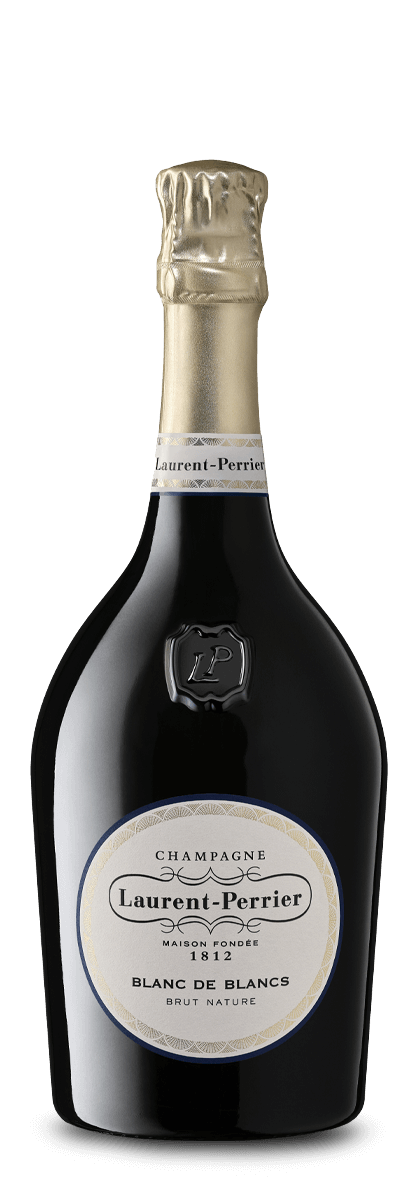
- – Blanc de Blancs Brut Nature: 100% Chardonnay, revealing all the vivacity and minerality of this varietal.
Prestige Cuvées: the Art of Time and Blending
Prestige cuvées embody the pursuit of perfection. They reflect an absolute quest for excellence in grape selection, blending, and ageing. They are destined for grand moments and refined palates.
They typically share the following characteristics:
- – A selection of Grand Crus, sometimes complemented by Premier Crus
- – Blends centered around Chardonnay or Pinot Noir
- – Extended ageing in the cellars
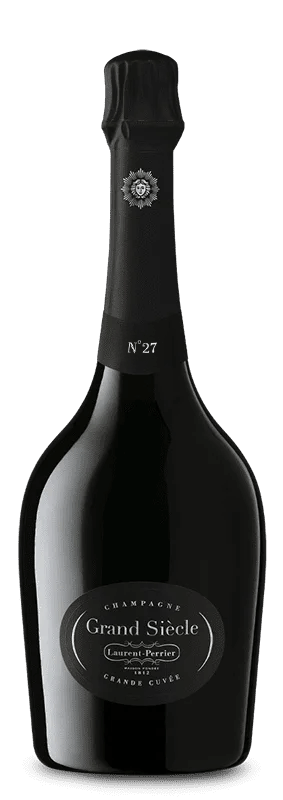
- At Laurent‑Perrier, Grand Siècle and its Iterations epitomize this category:
- – Grand Siècle: created in 1959, founded on the audacious idea that blending three exceptional complementary vintages could recreate the perfect year.
Rosé Champagnes: Intensity and Red fruits
Rosé champagne is distinguished by its luminous hue and intense aromas of red berries. More sensual and expressive, it seduces with elegance, aromatic richness, and gustatory intensity.
Two methods exist:
- – Blended Rosés: the most common technique in Champagne, consisting of adding a small quantity of still red wine to a traditional white base wine.
- – Maceration Rosés: black grape skins are left in contact with the juice in a maceration tank, extracting aromatic expression and natural pigments before fermentation begins. In the case of rosés de saignée, fermentation starts directly in the maceration tank.
At Laurent‑Perrier, two cuvées embody this category:
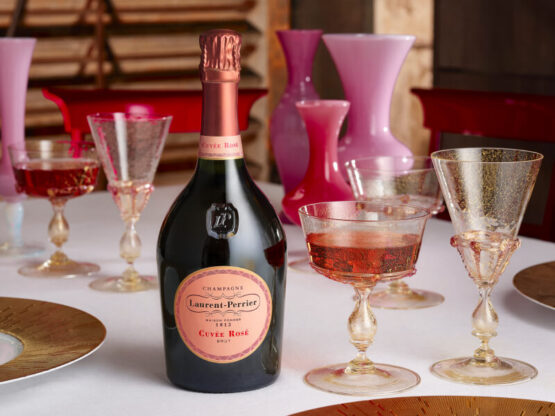
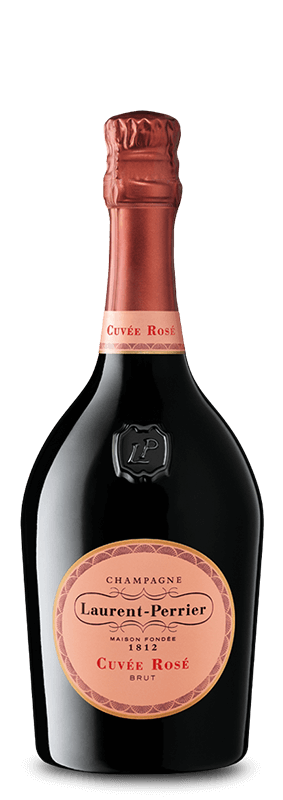
- – Cuvée Rosé: an icon since 1968, a 100% Pinot Noir rosé de macération.
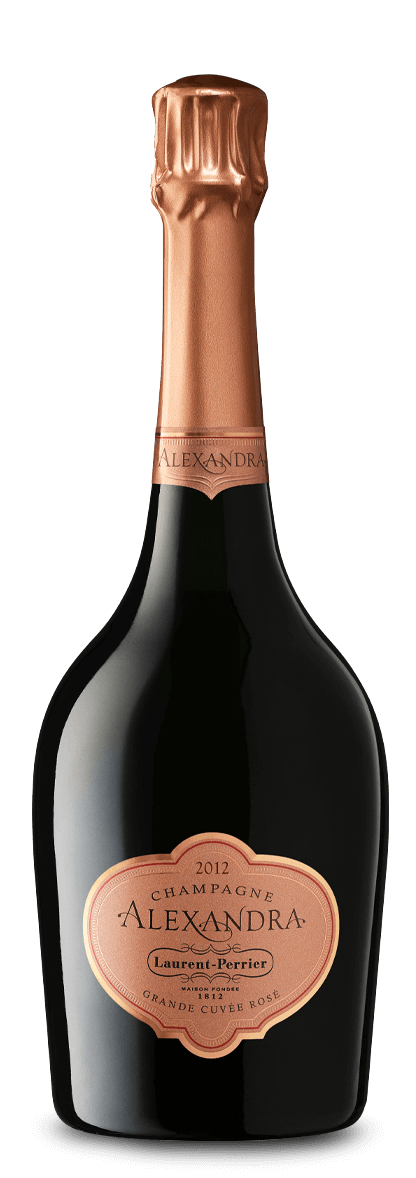
- – Alexandra Rosé Millésimé: a Prestige Cuvée, produced only in exceptional years, created through co‑fermentation of Pinot Noir and Chardonnay.
How do grape varieties influence the taste of champagne?
Champagne blends are crafted primarily from three grape varieties—Chardonnay, Pinot Noir, and Meunier—exclusively sourced from 319 villages. Depending on their origin and terroir, each varietal presents a unique sensory profile.
- – Chardonnay brings freshness and minerality.
- – Pinot Noir offers structure and power.
- – Meunier contributes roundness and fruitiness.
A champagne made entirely from Chardonnay, a white varietal, is called Blanc de Blancs. A champagne made entirely from Pinot Noir and/or Meunier, black varietals, is called Blanc de Noirs.
At Laurent‑Perrier, this art of blending is founded on perfect mastery of Chardonnay, the House’s signature grape, which imparts incomparable freshness and elegance to its cuvées.
Which champagne should you choose according to the occasion?
For Grand Occasions
Weddings, anniversaries, professional triumphs, or prestigious events call for an exceptional champagne. Prestige Cuvées are ideal for achieving the perfect balance between freshness and complexity.
Laurent‑Perrier selection:
For an Aperitif
A successful aperitif requires a champagne that awakens the senses and whets the appetite without overwhelming the palate. Brut or Brut Nature are ideal.
Laurent‑Perrier selection:
- – La Cuvée
- – Ultra Brut
- – Héritage
For a Dinner
Evenings with friends, reunions, or festive celebrations call for champagnes with strong aromatic intensity. Premium cuvées are best suited.
Laurent‑Perrier selection:
Which champagne should you choose with food?
Champagne is a great wine capable of accompanying an entire meal.
Seafood
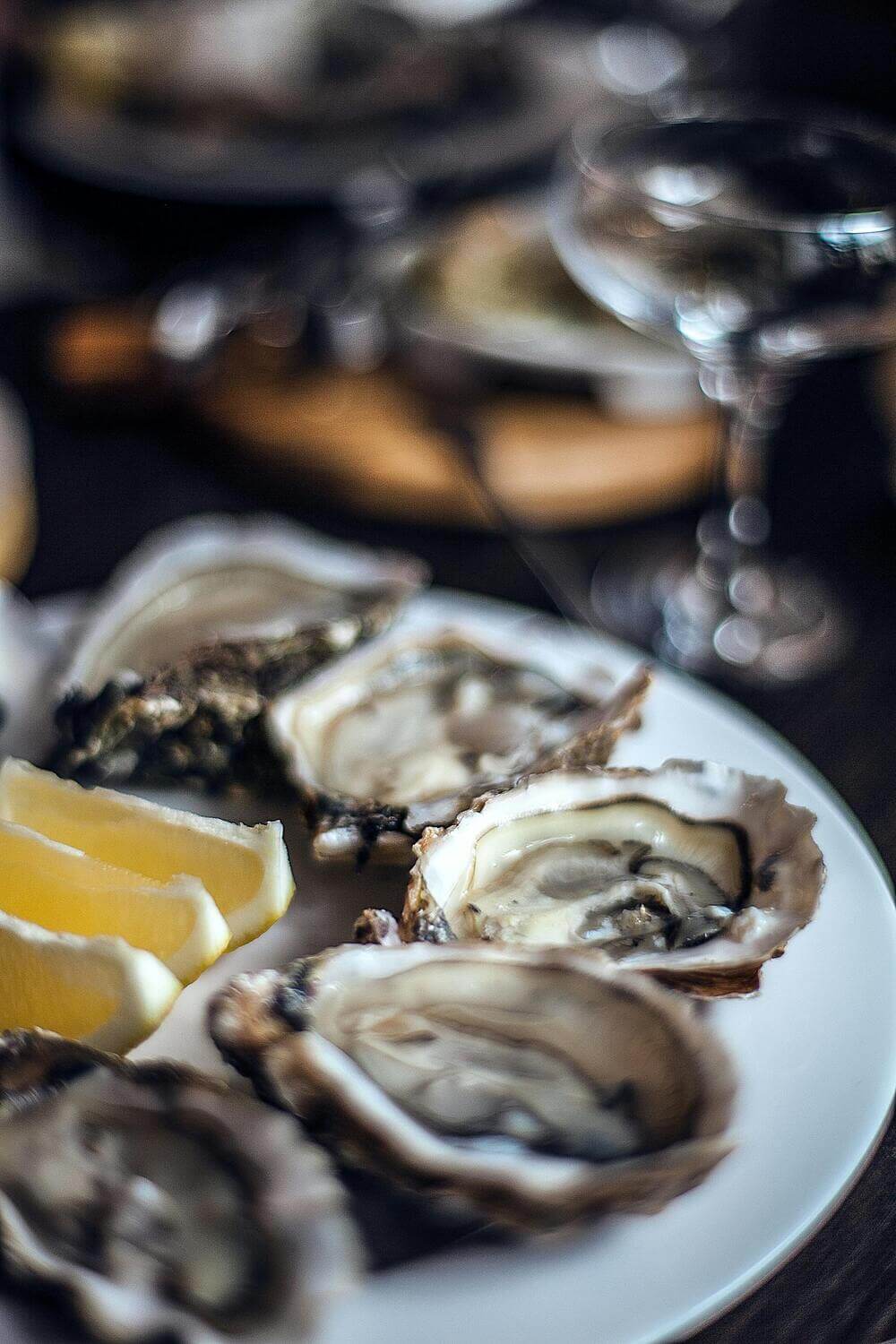
For fish, shellfish, and crustaceans, favor the crystalline, iodine‑rich notes of Brut Nature, or the elegance and freshness of Chardonnay‑based champagnes.
Laurent‑Perrier selection:
White meats and poultry
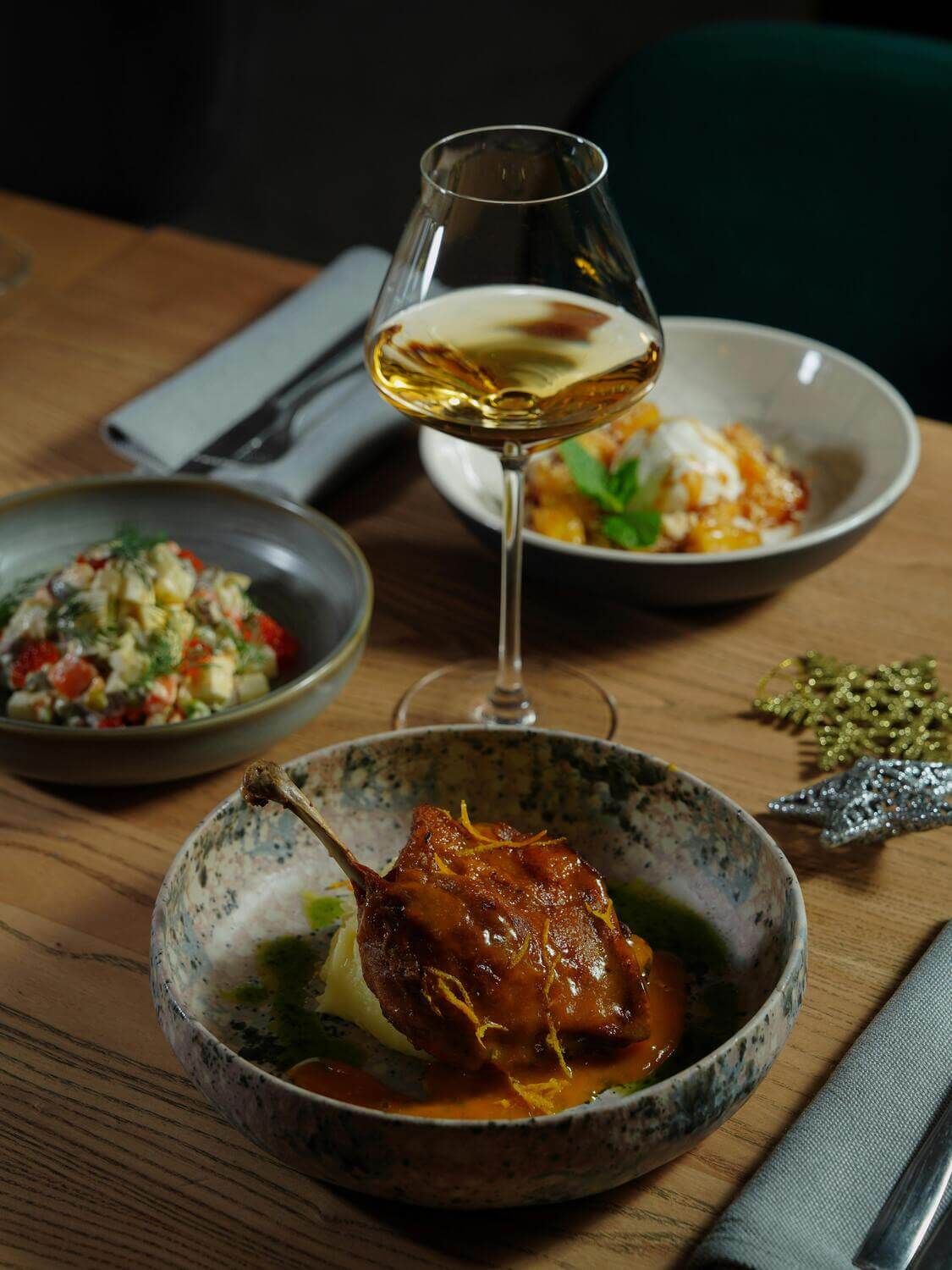
Brut champagnes, with their ideal balance of complexity and freshness, enhance white meats and poultry.
Laurent‑Perrier selection:
- – La Cuvée
- – Brut Millésimé
- – Héritage
Red meats and game
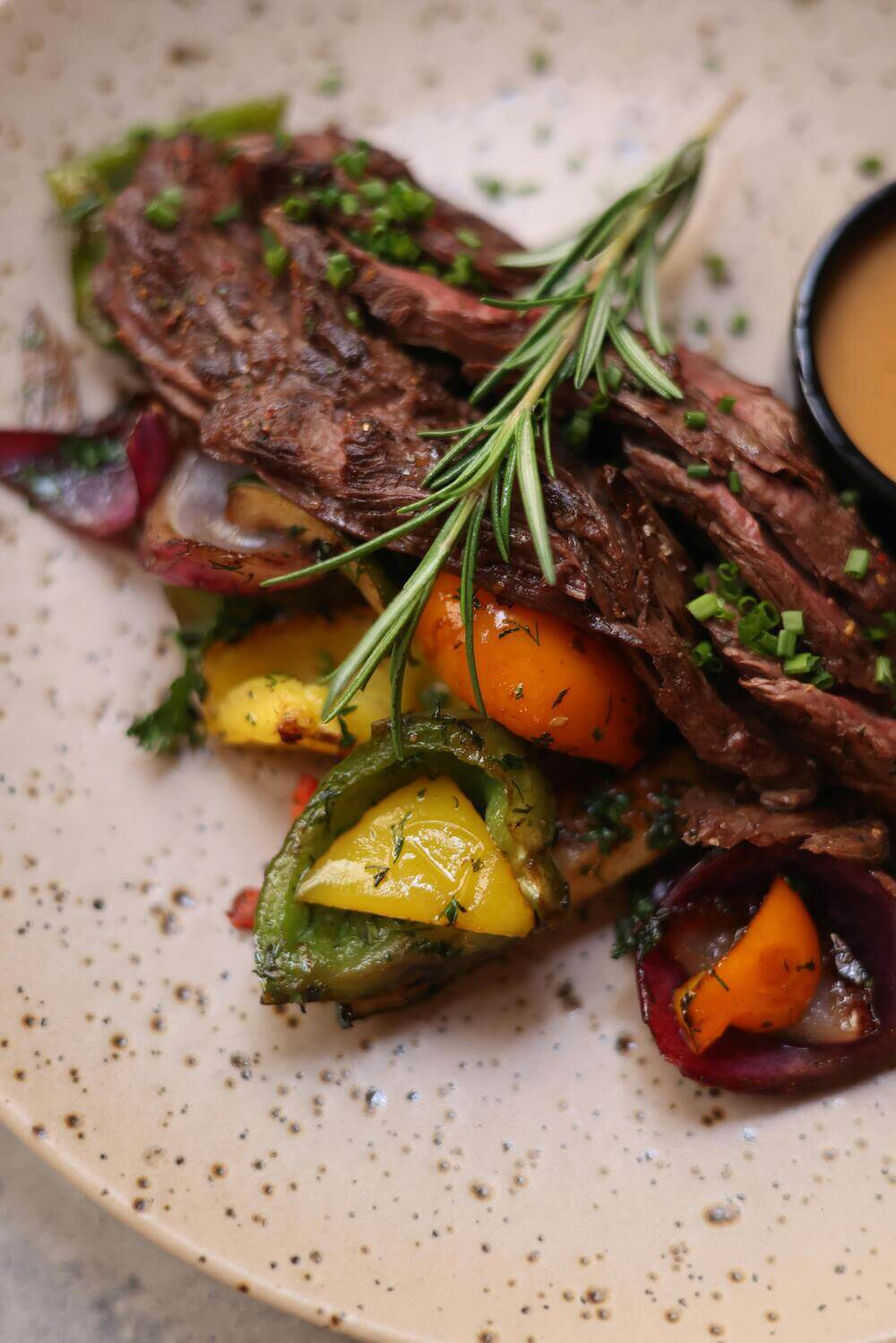
These require an intense, aromatic wine such as a rosé de macération champagne.
Laurent‑Perrier selection:
Desserts
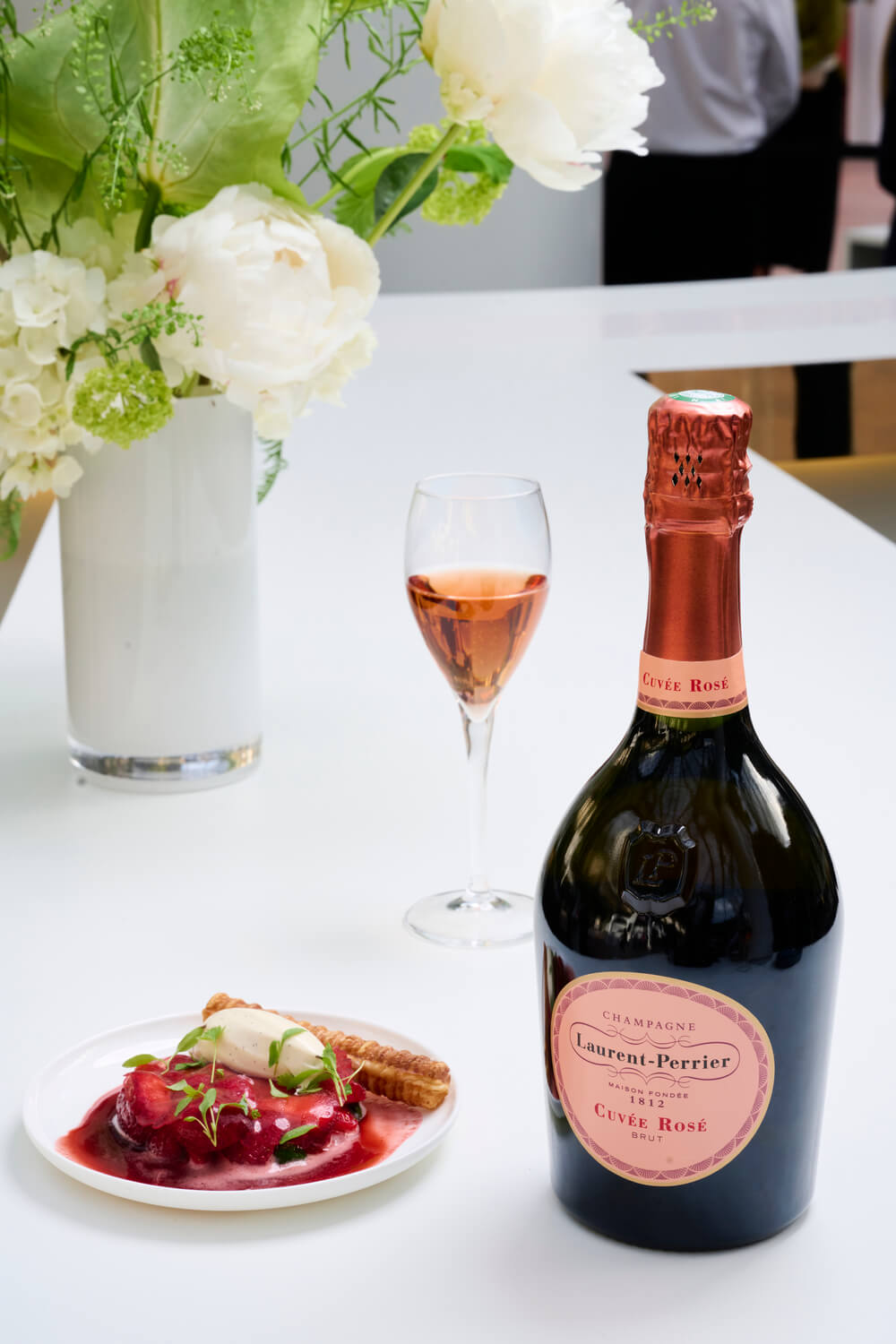
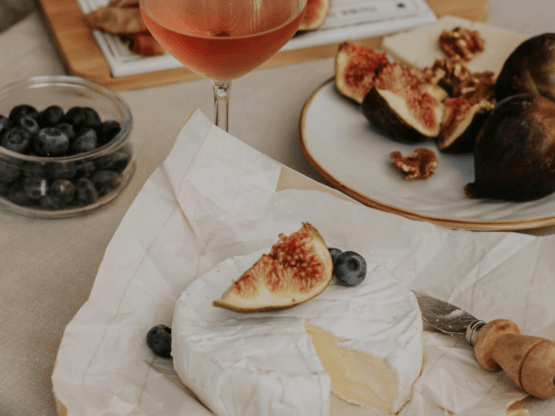
Desserts pair well with sweet champagnes such as Demi‑Sec. Red fruit‑based desserts are beautifully enhanced by rosé champagnes.
Laurent‑Perrier selection:
- – Cuvée Rosé
- – Harmony
Which Laurent‑Perrier champagne should you choose?
Founded in 1812 in Tours‑sur‑Marne, Laurent‑Perrier is one of the last great family‑owned and independent Champagne Houses. Choosing Laurent‑Perrier means choosing a Maison that combines tradition and modernity, audacity and authenticity.
The answer to “which Laurent‑Perrier champagne should I choose?” depends above all on the emotion you seek and the moment you wish to celebrate:
- – Reserve wine blending: for consistency, balance, and richness.
- – Maceration: for the intensity, color, and indulgence of rosés.
- – Non‑dosé: for purity, modernity, and authentic terroir expression.
Comparative table of Laurent‑Perrier champagnes
| Cuvée | Style & Grape Varieties | Aromatic profile | Food pairings | Occasions |
|---|---|---|---|---|
| La Cuvée | Brut – Predominantly Chardonnay, Pinot Noir, Pinot Meunier | Freshness, citrus notes, white flowers | Aperitif, seafood, roasted poultry | Moments of conviviality, aperitif |
| Brut Millésimé 2015 | Vintage Brut – Chardonnay & Pinot Noir | Stone fruit aromas, mineral vibrancy | Noble fish, shellfish, white meats | Elegant dinners, gastronomic moments |
| Héritage | Blend of reserve wines – Chardonnay & Pinot Noir | Complexity, depth, matured notes | Aged cheeses, characterful dishes | Elegant dinners, connoisseur tastings |
| Grand Siècle Iteration No. 26 | Prestige Cuvée – Blend of three exceptional vintages – Chardonnay & Pinot Noir | Harmony, finesse, aromatic intensity | Lobster, caviar, refined dishes | Exceptional events |
| Cuvée Rosé | Rosé de macération – Pinot Noir | Strawberry, raspberry, cherry, fruity intensity | Fine charcuterie, salmon, red fruit desserts | Refined aperitifs, elegant dinners |
| Alexandra Rosé 2012 | Prestige Rosé – Chardonnay & Pinot Noir | Delicacy, elegance, complex aromas | Haute gastronomy dishes, delicate game | Rare occasions, exceptional dinners |
| Ultra Brut | Brut Nature – Chardonnay & Pinot Noir | Mineral, pure, crystalline precision | Oysters, sashimi, iodine‑rich cuisine | Refined aperitifs, connoisseur tastings |
| Blanc de Blancs Brut Nature | Brut Nature – Chardonnay | Finesse, citrus, chalky freshness | Shellfish, crustaceans, carpaccios | Elegant dinners, gastronomic moments |