Brut Nature Champagne is the purest expression of Champagne terroir, captivating wine enthusiasts who value precision, finesse, and crystalline elegance. But what makes a Brut Nature the best choice? This guide explains the process, sweetness levels, fermentation, and tasting tips to help you find the perfect bottle.
What is a Brut Nature Champagne?
A Brut Nature Champagne is a sparkling wine without added sugar after disgorgement, with less than 3 grams per liter of residual sugar naturally present in the grapes. This style is sometimes called extra dry, extra brut, or dry champagne, but the true Brut Nature is completely uncompromising:
- – Extremely dry with remarkable tension on the palate
- – Highlights citrus, green apple, mineral notes, and grape purity
- – Ideal for special occasions or as a refined aperitif
Tip: Understanding the dosage process helps you select a bottle with the right level of sweetness for your taste.
How Brut Nature Champagne is Made
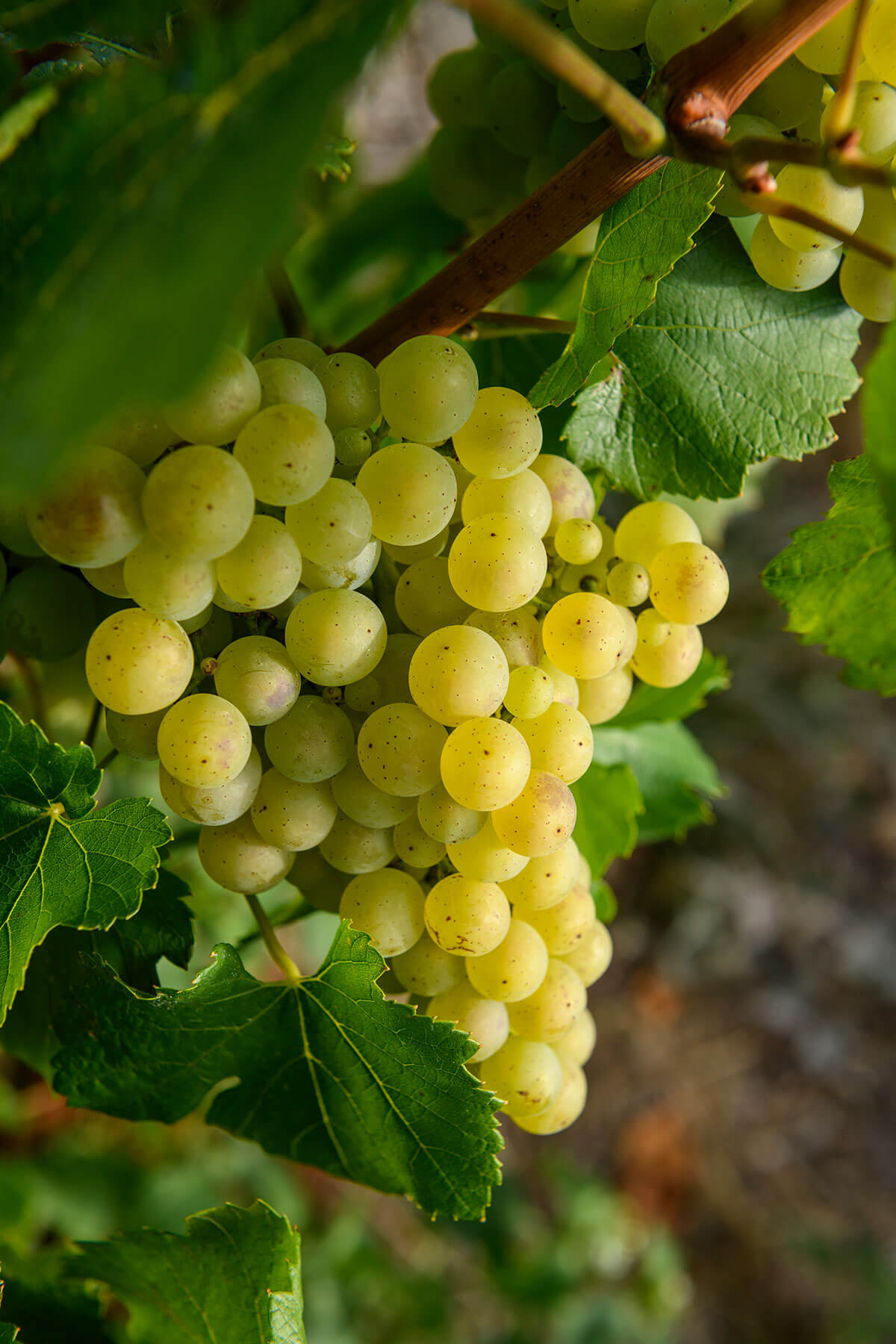
- 1. Secondary fermentation in the bottle – the hallmark of all sparkling wines
- 2. Lees ageing – yeast contact releases aromatic compounds that enhance complexity
- 3. No added sugar (dosage) – results in a wine that is dry, crisp, and highly expressive
- 4. Bottle selection – Magnum bottles age more slowly, while standard 75 cl bottles allow classic evolution
Fun fact: The dosage level determines whether a Champagne tastes doux, sec, extra sec, or extra brut. Brut Nature represents zero dosage, emphasizing freshness and purity.
How to Choose the Best Brut Nature Champagne
1. Consider the grape variety
- – Chardonnay: elegance, minerality, finesse – perfect for Blanc de Blancs and Prestige cuvées
- – Pinot Noir: structure, aromatic intensity – ideal for a more powerful and lively style
2. Look at the region & terroir
- – Grand Cru vineyards in France produce grapes with exceptional purity and aromatic finesse
- – Different crus give subtle differences in residual sugar, acidity, and texture
3. Evaluate the house style & process
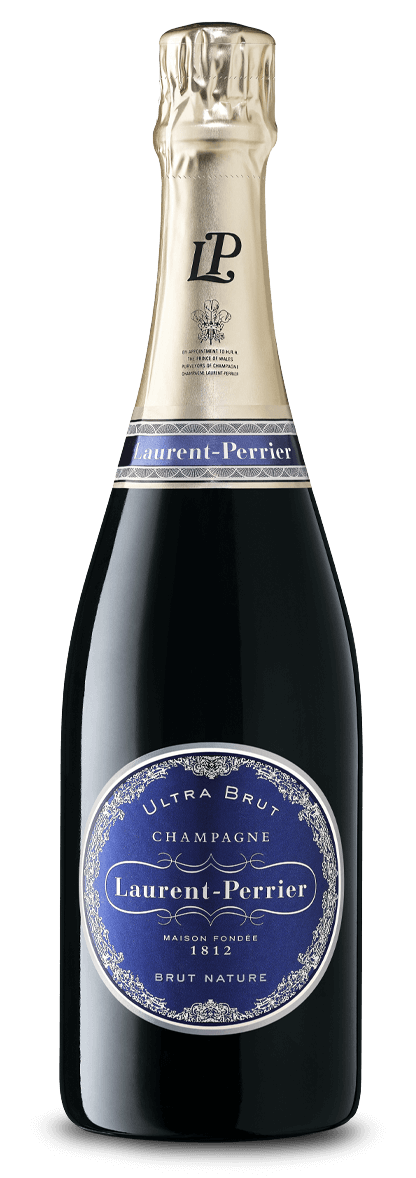
- – Laurent-Perrier pioneered Ultra Brut in 1981, the first non-dosage Champagne from a major House
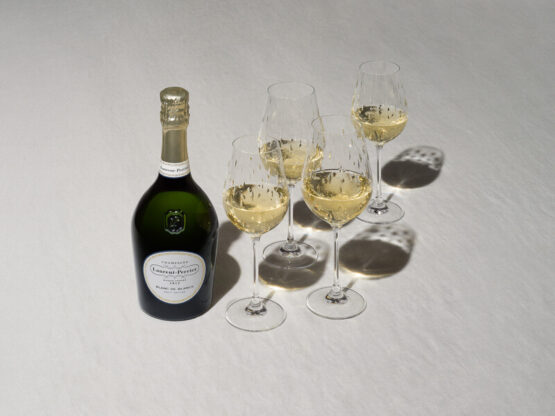
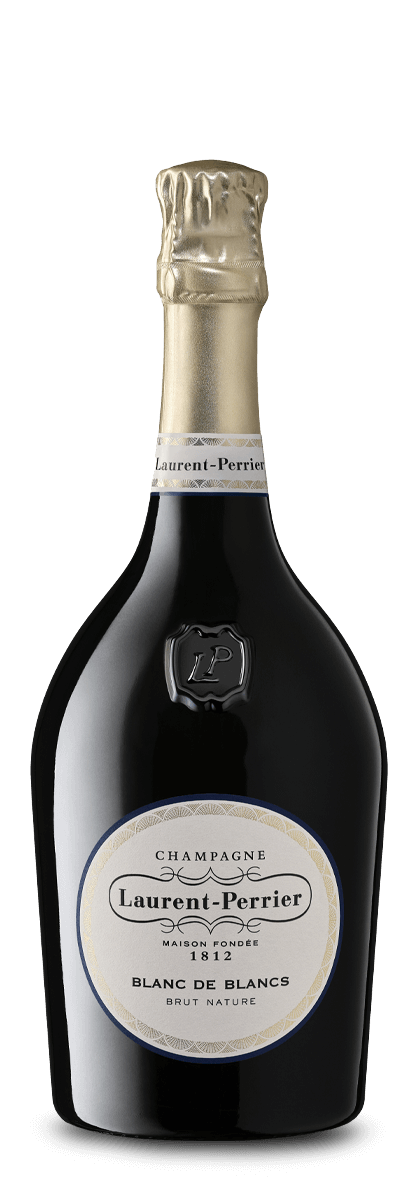
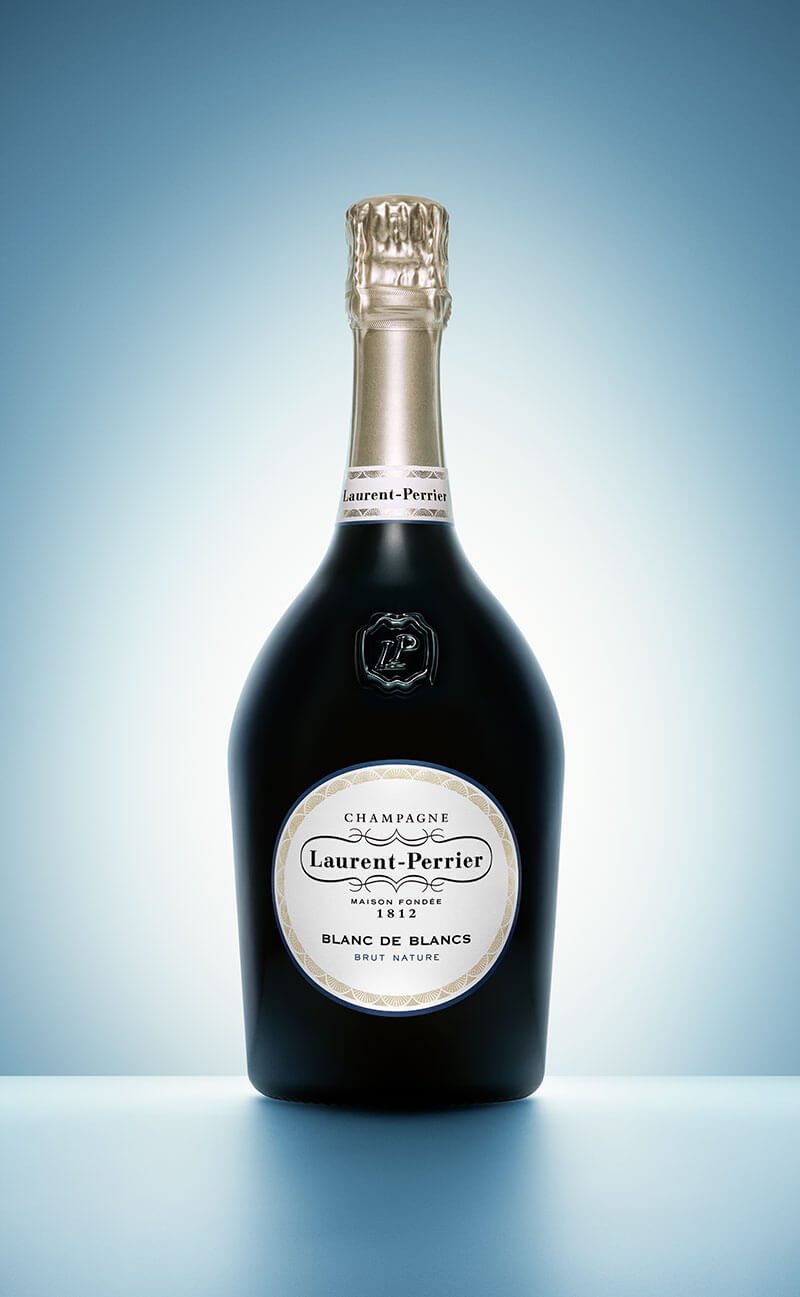
- – Today, Blanc de Blancs Brut Nature offers 100% Chardonnay, a milestone in French winemaking
4. Decide the sweetness level for your occasion
- – For aperitifs or oysters: Brut Nature or Ultra Brut
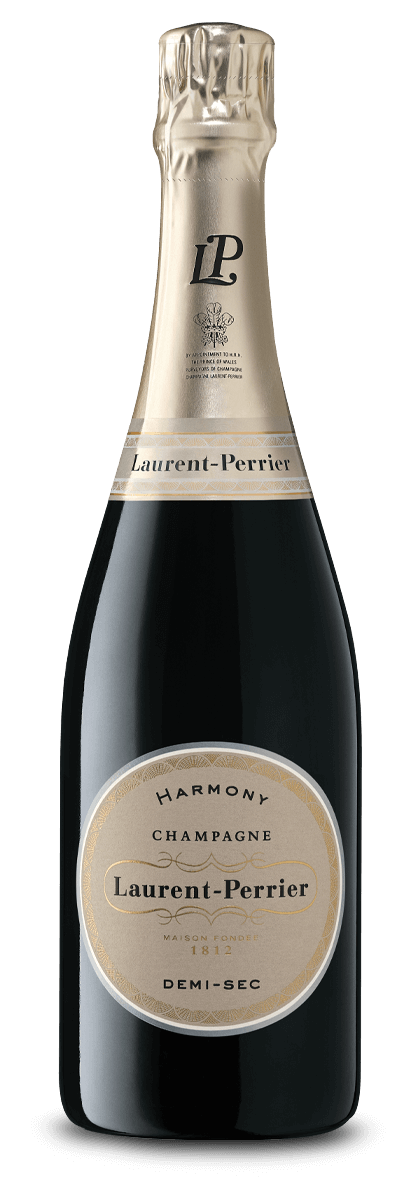
- – For desserts: consider a slightly sweeter Champagne (Extra Dry or Demi-Sec) or a complementary dessert wine
Comparison of the Top Brut Nature Champagnes
| Cuvée | Style & Grape | Aromatic Profile | Food Pairing | Ideal for… |
|---|---|---|---|---|
| Blanc de Blancs Brut Nature | 100% Chardonnay | Citrus, green apple, mineral, crystalline | Oysters, shellfish, sashimi, fine fish | Lovers of elegance and purity |
| Ultra Brut | Chardonnay & Pinot Noir | Floral, saline, lively tension | Seafood, ceviche, young Parmesan, Pata Negra ham | Wine enthusiasts seeking bold, pure sensations |
Both show how the process and fermentation define the style, level of dryness, and expressive quality.
Serving and Storage Tips
- – Store bottles properly in a cool, dark place, away from sunlight and temperature fluctuations
– Use the correct Champagne stopper to keep opened bottles fresh - – Serve ready to drink at 8–10°C, allowing bubbles and aroma to shine
- – Match with dishes to highlight residual sugar left, acidity, and bubbles
Understanding sweetness levels helps you pair Champagne with both savory and dessert dishes, from oysters to light pastries.
Frequently Asked Questions
Q: What is the difference between Brut Nature and Extra Brut?
A: Brut Nature has 0–3 g/L residual sugar, while Extra Brut can have up to 6 g/L. Brut Nature is drier and sharper.
Q: Can Brut Nature pair with dessert?
A: Generally, Brut Nature is too dry for sweet desserts. Use a Demi-Sec Champagne or a dessert wine instead.
Q: How do sugar levels affect taste?
A: Lower sugar levels emphasize mineral notes, acidity, and tension, while higher levels (Extra Sec, Sec, Demi-Sec) add roundness and sweetness.Q: Which regions produce the best Brut Nature grapes?
A: Grand Cru vineyards in France produce grapes of exceptional quality, giving Champagne its distinctive elegance and balance.