Table of Contents
- Champagne is a unique appellation, exclusively French
- Area and Organization of the Champagne Appellation
- Grape Varieties and Production Standards
- Houses and Growers: Two Complementary Models
- How to Identify the Different Producers
- How Many Champagne Houses Are There? Key Figures
- The Unique Style of Laurent-Perrier
- How many Champagne houses in France?
Champagne is a unique appellation, exclusively French
Before answering precisely the question of how many Champagne houses exist in France, it is essential to recall a fundamental point in the history of Champagne:
Champagne is a protected designation of origin (AOC), governed by some of the strictest regulations in the world.
Contrary to common misconceptions, Champagne can only be produced in a single wine-growing region in northeastern France. This singularity makes it a world heritage site, rooted in tradition and collective discipline.
Area and Organization of the Champagne Appellation
The Champagne vineyard covers approximately 34,300 hectares, spread across five departments:
- – Marne,
- – Aube,
- – Aisne,
- – Haute-Marne,
- – Seine-et-Marne.
This vast area includes 319 villages, among which:
- – 17 classified as Grand Cru,
- – 44 classified as Premier Cru,
- – numerous others contributing to the diversity of production.
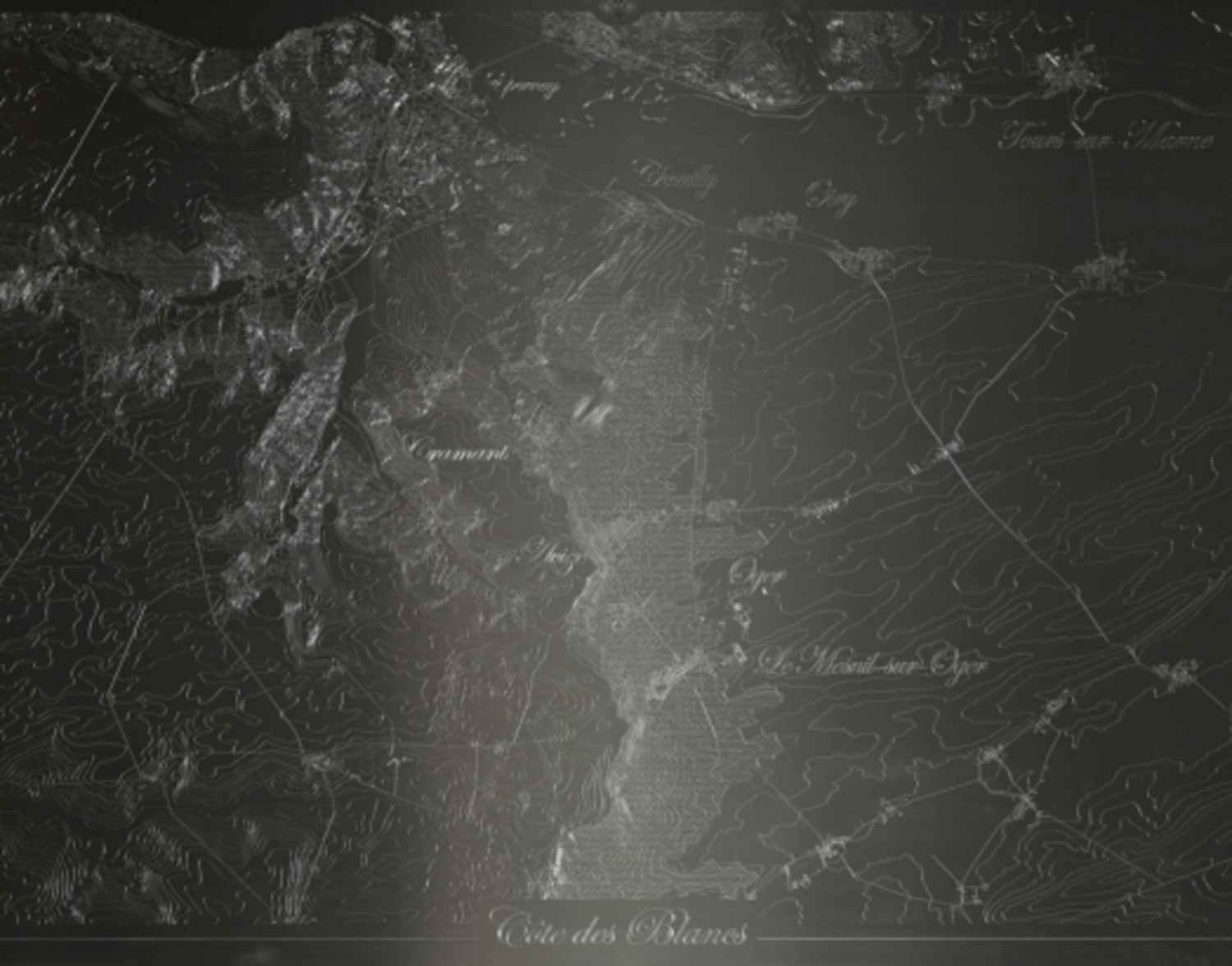
This mosaic of soils (chalk, marl, limestone) and microclimates constitutes the heart of the terroir, with emblematic areas such as the Côte des Blancs and the hills surrounding Reims.
Grape Varieties and Production Standards
Three main grape varieties dominate the landscape:
- – Chardonnay, the pillar of Blanc de Blancs,
- – Pinot Noir, ensuring structure,
- – Meunier, prized for its fruitiness.
Regulations govern every stage: planting density, yields, pressing, vinification, cellar aging, and time on lees. This collective requirement, the result of a true union of Champagne houses and growers, has ensured consistent quality for decades, sometimes for over 300 years for some historic houses.
Houses and Growers: Two Complementary Models
The Récoltant-Manipulant (RM)
The grower-producer cultivates, vinifies, and sells their own wine. They embody the direct link between terroir and personal interpretation.
The Négociant-Manipulant (NM)
A Champagne house (NM status) relies on partial ownership of vineyards and the purchase of grapes. This model ensures stable volumes and international distribution, structured around the expertise of a Cellar Master.
Note on labels: Other codes exist, such as RC (Récoltant-Coopérateur), CM (Cooperative), or MA (Buyer’s brand), reflecting the great diversity of the region.
How to Identify the Different Producers
Each bottle bears a legal code:
- – NM: négociant-manipulant (major brands),
- – RM: récoltant-manipulant,
- – RC: récoltant-coopérateur,
- – CM: cooperative,
- – ND: négociant-distributeur,
- – MA: buyer’s brand.
These codes reflect the diversity of houses and growers, without implying any difference in quality.
How Many Champagne Houses Are There? Key Figures
According to official data from the Comité Champagne, there are approximately 390 active Champagne houses in 2024–2025.
This figure specifically concerns négociants-manipulants.
It does not include the thousands of independent growers spread across the Champagne vineyards.
List of houses: these structures form the economic and cultural foundation of the great Champagne brands.
The Main Champagne Houses, by Economic Importance
Top Tier – Maximum Economic Value
- – Moët & Chandon – Global leader in volume and value
- – Veuve Clicquot – High value and premium image
- – Nicolas Feuillatte – Very high volumes
- – GH Mumm – Strong international presence
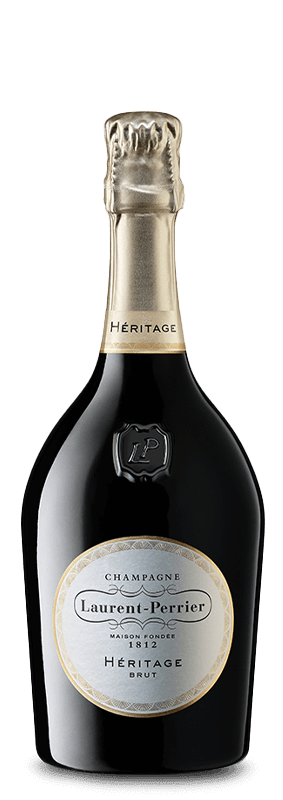
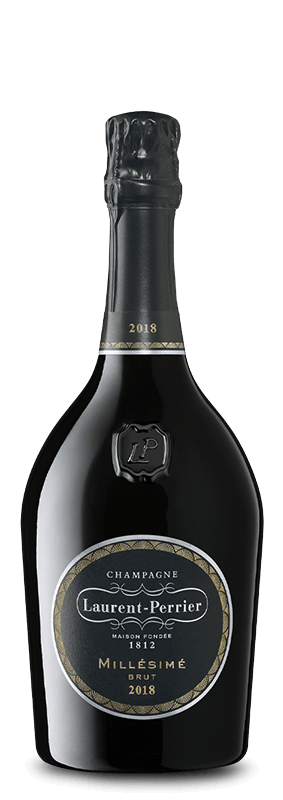
- – Laurent-Perrier – High value, qualitative image and high “average price”
Very High Value (prestige and revenue)
- – Perrier-Jouët
- – Taittinger
- – Pommery
- – Ruinart
- – Bollinger
High Value, More Limited Volumes
- – Louis Roederer
- – Krug
- – Pol Roger
- – Billecart-Salmon
- – Charles Heidsieck
Intermediate Value – Solid Houses
- – Piper-Heidsieck
- – Lanson
- – Duval-Leroy
- – Deutz
- – Canard-Duchêne
What Sets One Champagne House Apart from Another
The differences between houses are based on:
- – the number of bottles sold,
- – price positioning,
- – critical recognition (guides, journalists, tasters),
- – and above all style and savoir-faire.
The Unique Style of Laurent-Perrier
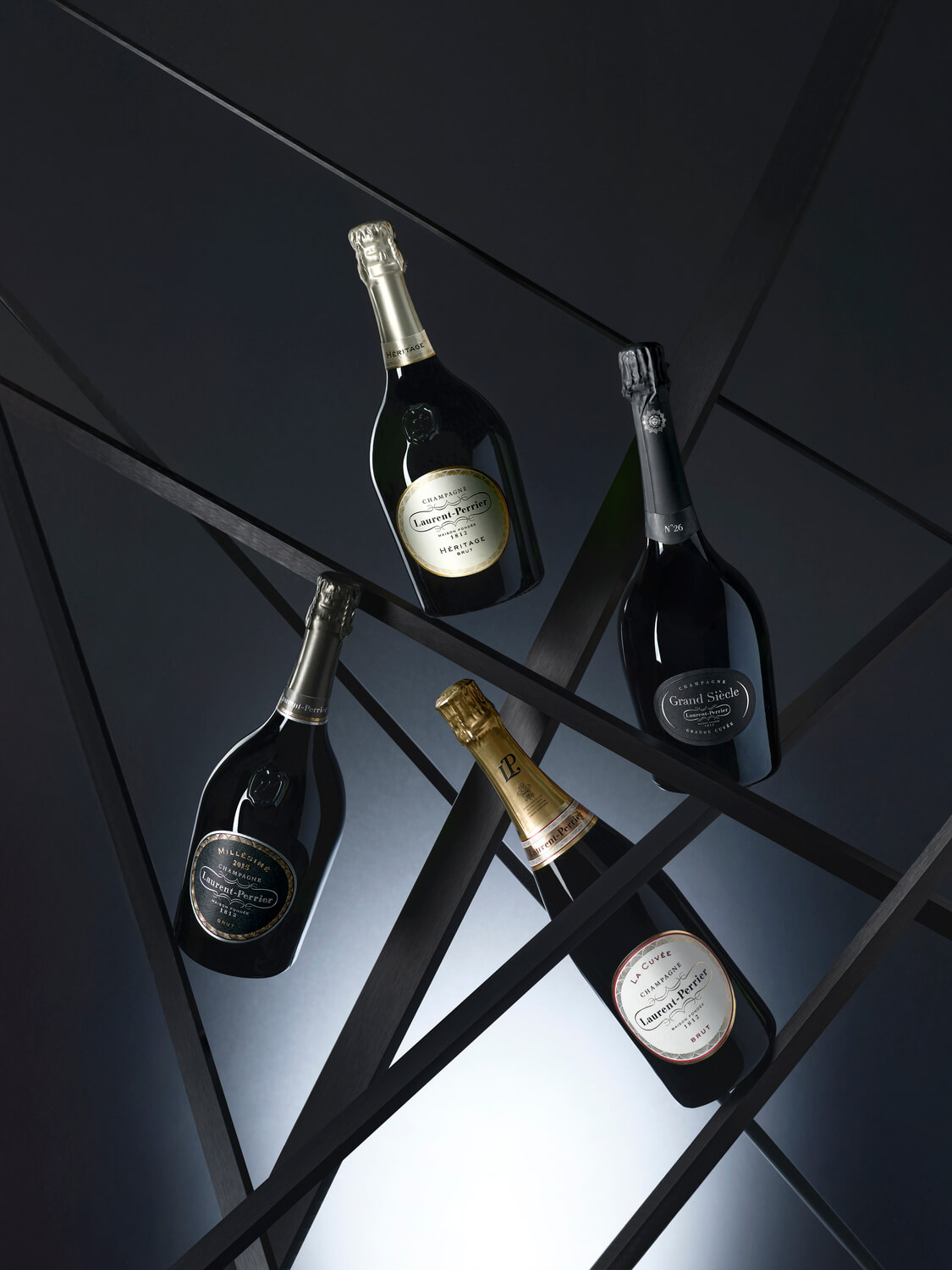
Laurent-Perrier stands out with a focus on innovation and three unique skills in Champagne:
- 1. Reserve wine blending, ensuring consistency and complexity.
- 2. Maceration expertise, the origin of an exceptional rosé.
- 3. Non-dosé mastery, the ultimate expression of wine purity.
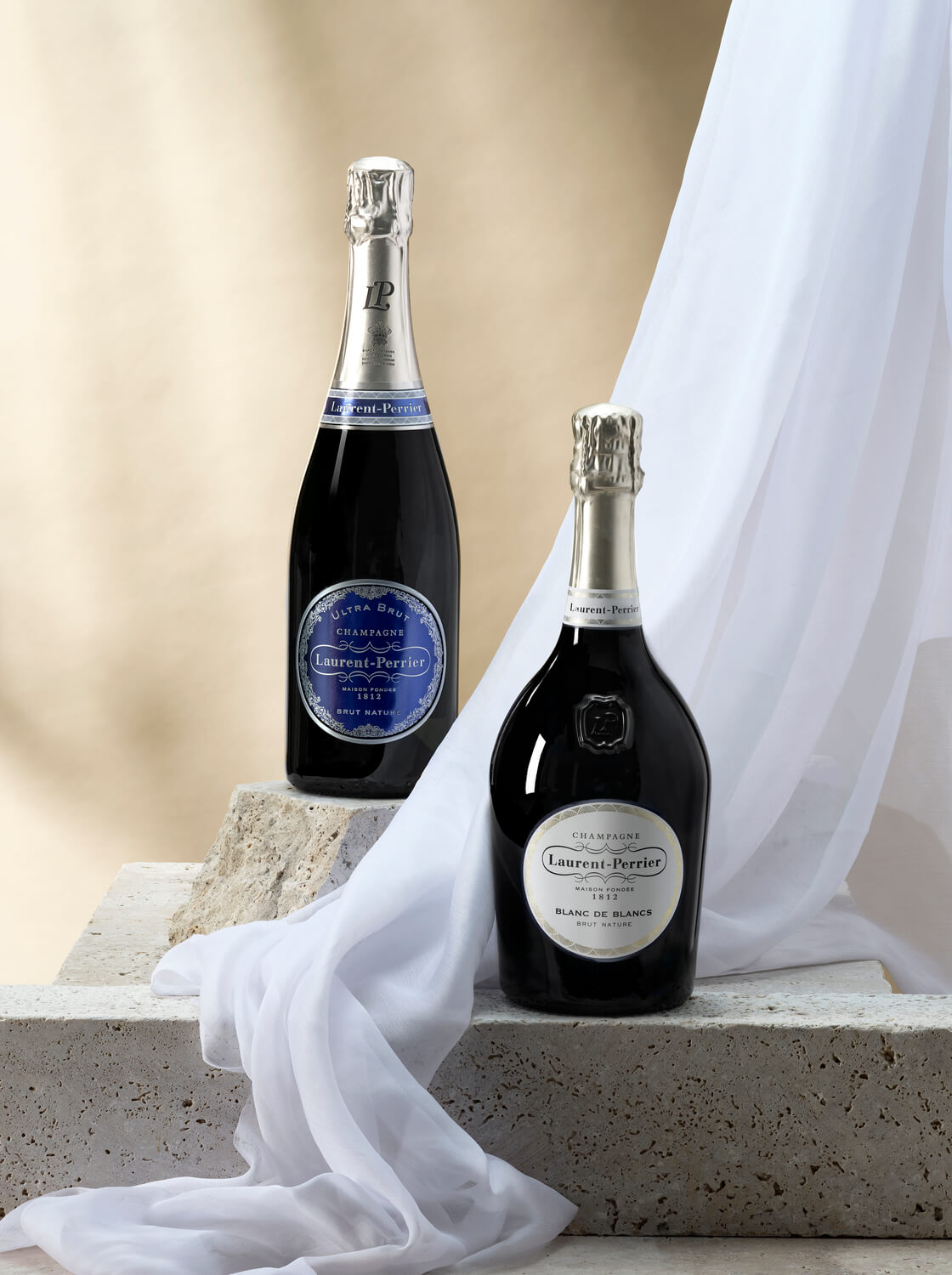
This vision gives rise to emblematic cuvées:
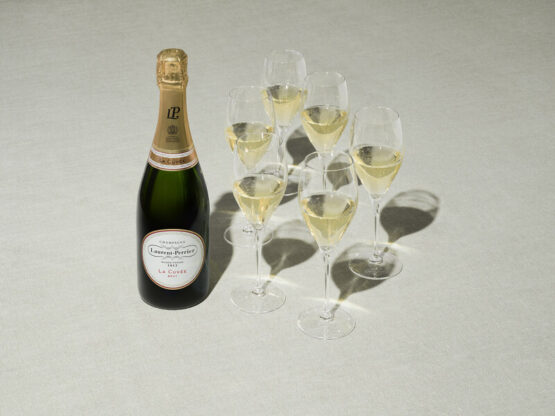
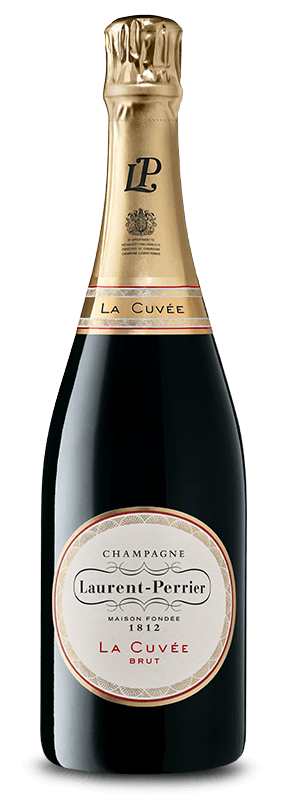
- – Brut Sans Année, predominantly Chardonnay, recognized for its freshness and complexity,
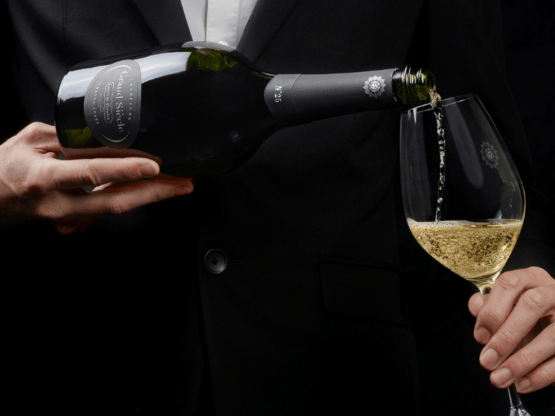
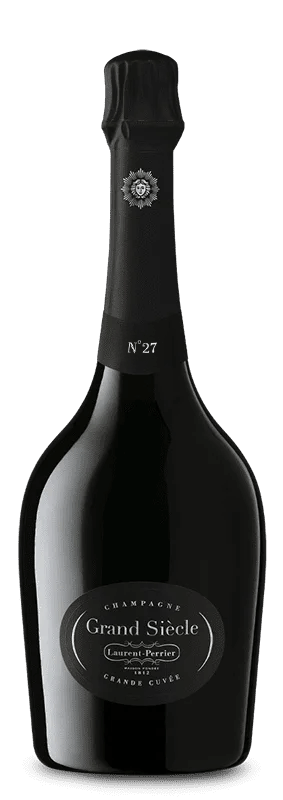
- – Grand Siècle, a unique prestige cuvée blending three exceptional years.
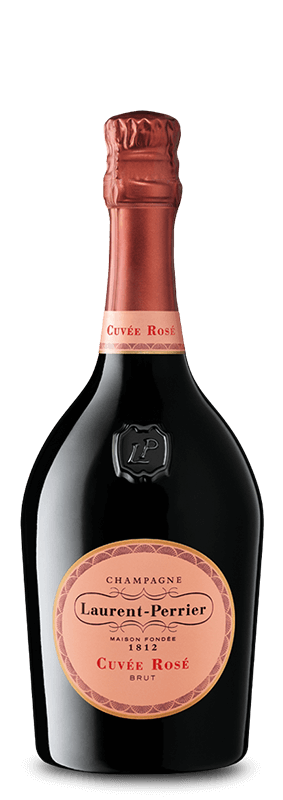
Iteration No. 26 was crowned Wine of the Year 2023 by James Suckling, and Iteration No. 27 has already received remarkable critical acclaim. - – Cuvée Rosé, the only maceration rosé produced by a Grande Maison, a true global benchmark,
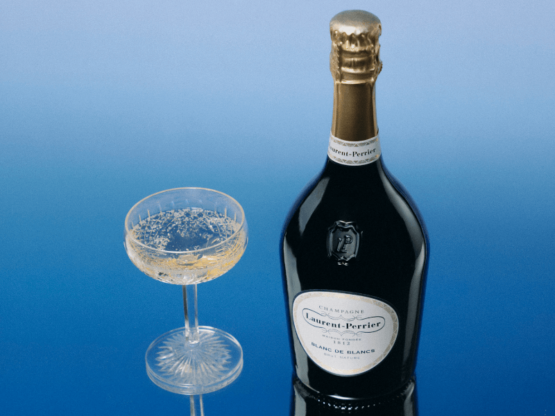
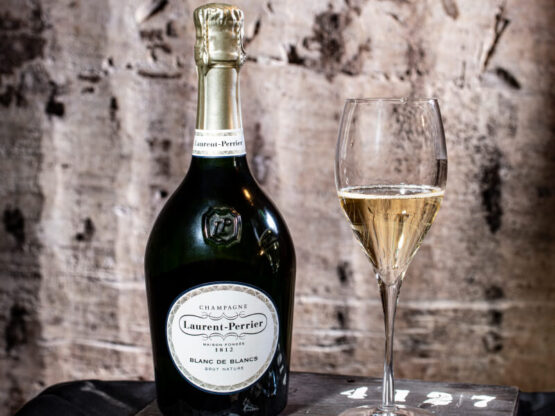
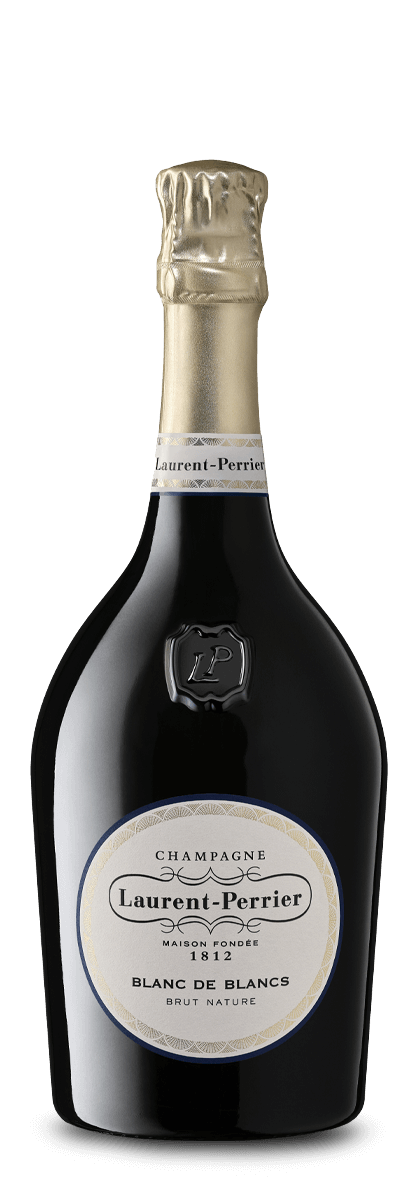
- – Blanc de Blancs Brut Nature, the only non-dosé Blanc de Blancs from a Grande Maison, acclaimed by professionals and connoisseurs.
How many Champagne houses in France?
Approximately 390, all exclusively based in Champagne.
Beyond the number, it is the richness of the terroirs, the rigor of the appellation, and the excellence of the savoir-faire that make Champagne a wine like no other in the world, and each house a singular interpretation of this exceptional heritage.