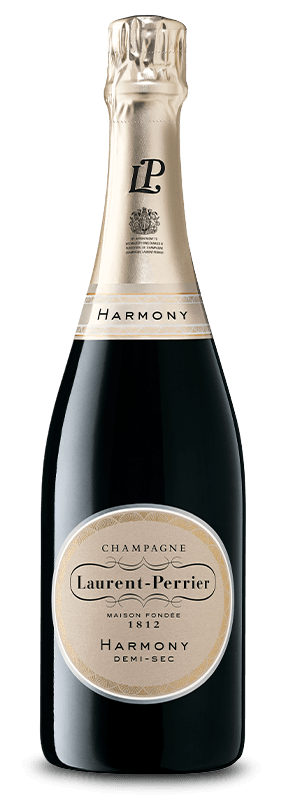
Champagne embodies the French art of living: a wine of celebration, refinement, and lightness. In a time when attention to nutritional information and balance is increasingly important, one question often arises: does champagne in moderation fit into a healthy lifestyle?
The good news is that this refined nectar is generally lower in calories than many other options, especially when it is brut or lightly dosed. The House of Laurent-Perrier provides this guide to help you understand the nutritional value of a standard serving, as well as the factors that influence the calorie count.
Calories in a Glass of Champagne: The Essentials
A standard serving size contains on average between 80 and 100 kcal, depending on the size of champagne flute used and the style of the cuvée.
- – Average value: 1 glass of wine (120 ml) = approximately 90 kcal.
- – Calories per bottle: A 750 ml bottle of champagne contains approximately 500 to 600 kcal.
These calories in champagne mainly result from the fermentation process (alcohol) and the sugar levels added during dosage. Keep in mind that the number of calories can also be affected by the alcohol by volume.
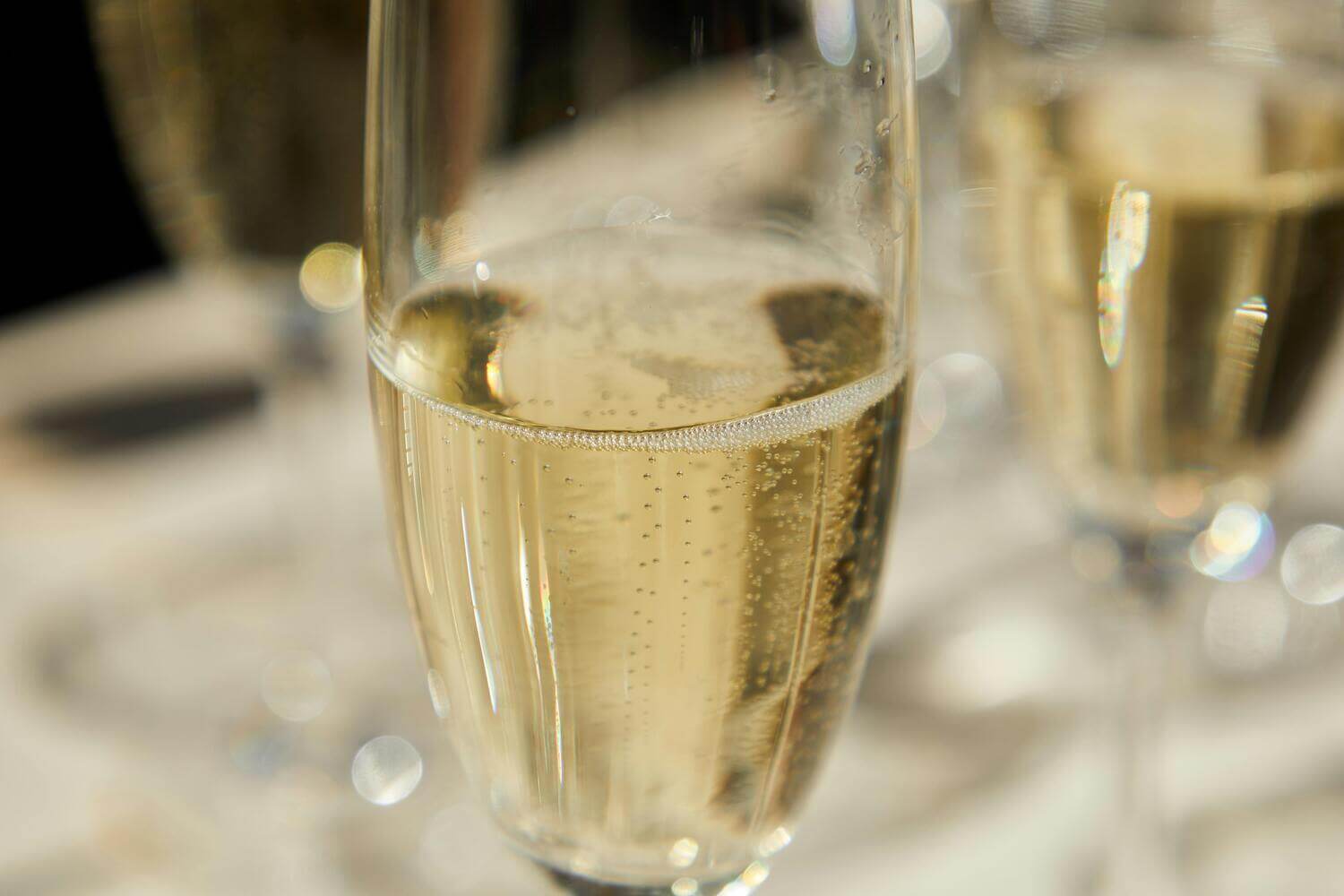
Caloric Content According to the Types of Champagne
Not all sparkling wines contain the same grams of sugar. The winemaking style from the region of France plays a decisive role in the overall calorie intake.
Brut Nature and Extra Brut: Absolute Purity
Brut Nature is produced with a very lower sugar content.
- – Sugar per liter: 0 to 3 g/L.
- – Calories per glass: Approximately 70 to 80 kcal.
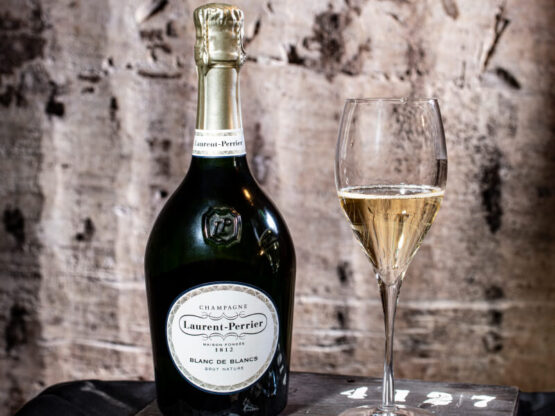
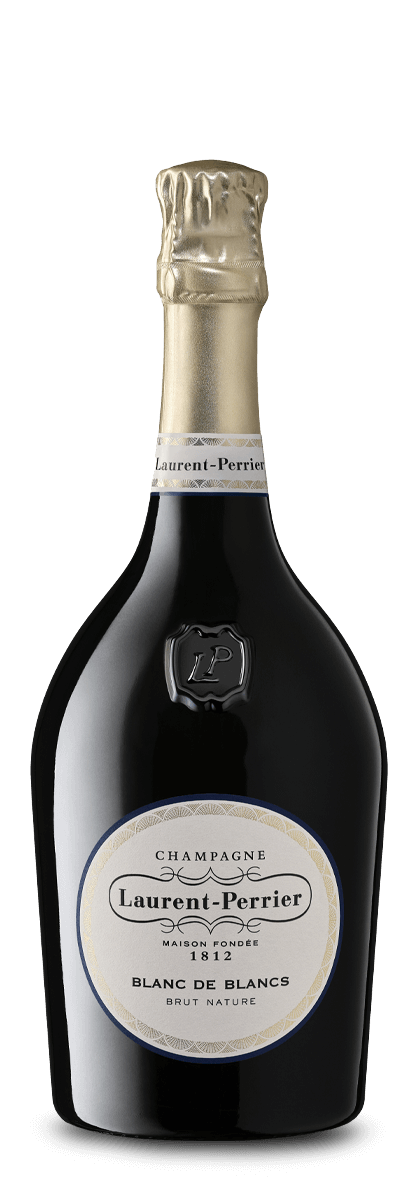
- Laurent-Perrier Blanc de Blancs Brut Nature offers a lighter alternative to a traditional dry white wine. It is important to note that champagne can be a sophisticated choice for those mindful of weight loss.
Brut and Extra Dry: The Balance
Brut champagne is the most widely consumed style on special occasions.
- – Dosage: Less than 12 g/L.
- – Energy: Approximately 85 to 95 calories per serving.
- Extra Dry, despite its name, has a slightly higher sugar content than a classic Brut.
Demi-Sec and Rosé Champagne
Sweeter styles may have a higher alcohol content or more sugar.
- Demi-Sec: Approximately 110 to 130 kcal — ideal with food like desserts.
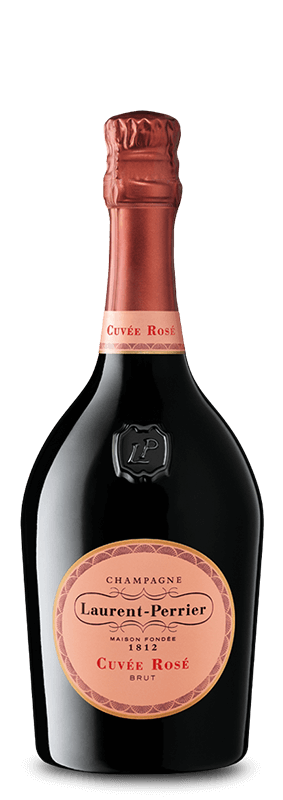
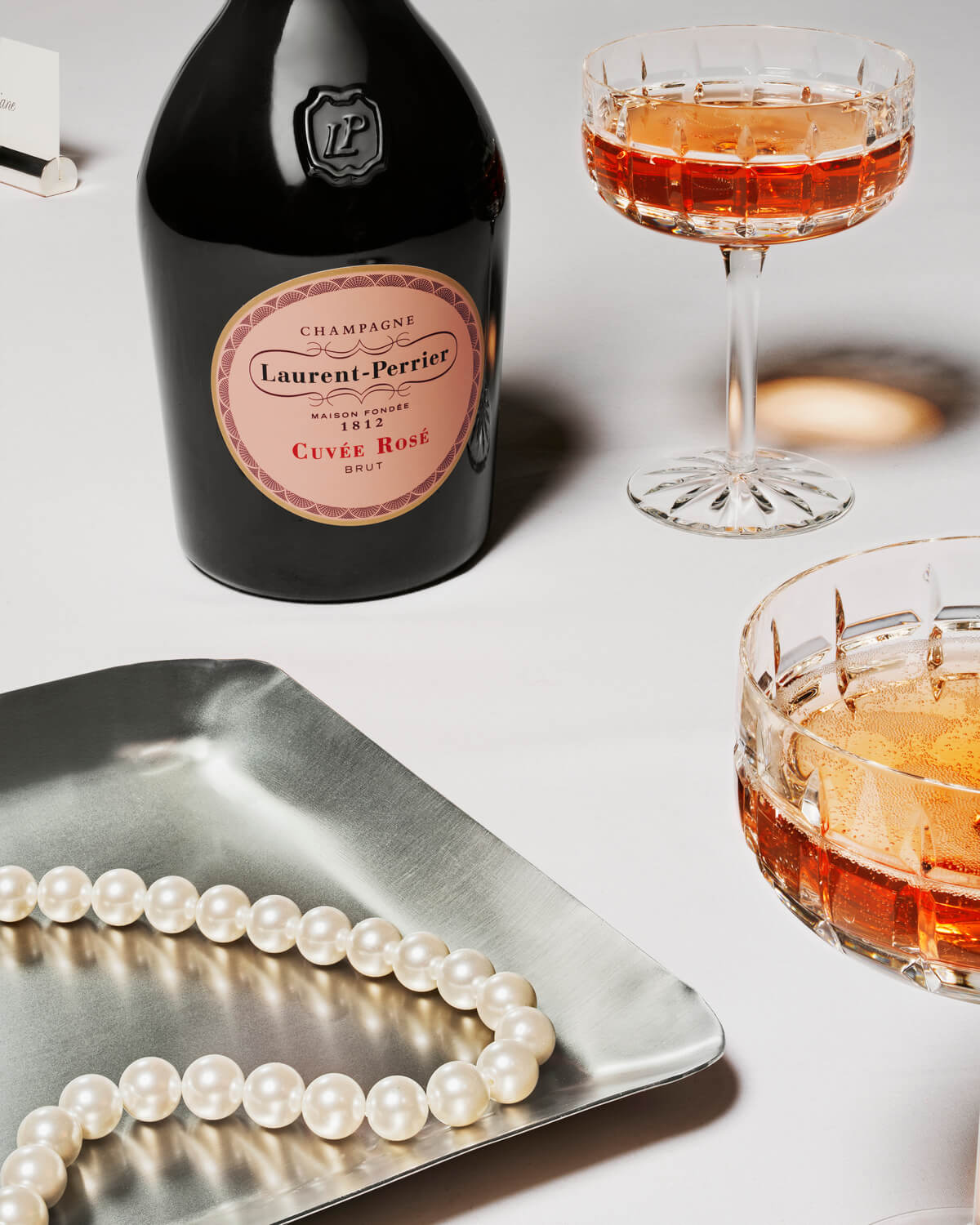
- Rosé: Around 100 kcal per serving.
Comparison with Other Alcoholic Beverages
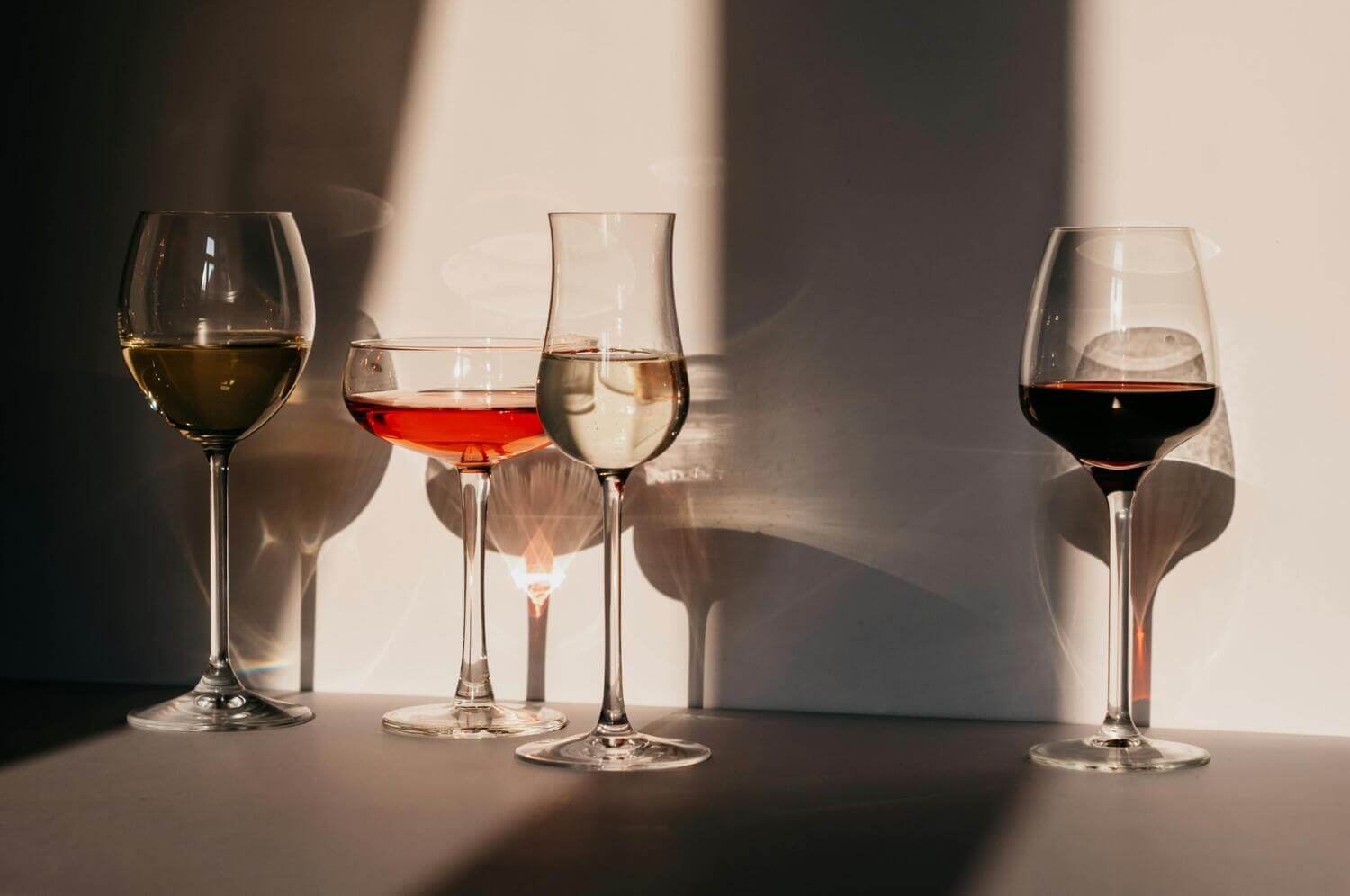
Champagne naturally stands out when compared to other drinks. Here is some information on the content in champagne versus other beverages (per 120 ml)
| Beverage | Average Calories |
|---|---|
| Extra Brut Champagne | ~75 kcal |
| Dry white wine | ~100 kcal |
| Red and white wines | ~100–110 kcal |
| Beer (25 cl) | ~110 kcal |
| Spirits (like vodka) | ~250 kcal (per 100ml) |
Compared to sugary cocktails, drinking champagne remains a refined way to help manage your caloric intake without excess.
Tips for Enjoying Champagne Lightly
- Here are a few questions to consider to limit calories while enjoying a drink:
- 1. Choose minimal dosage: Opt for an Extra Brut or Brut Nature style with less sugar per glass.
- 2. Watch the serving: A small flute (100 ml) has a lower content of champagne than a large 150 ml glass.
- 3. Hydrate: Always have some water alongside your alcohol consumption.
- 4. Support your health: Remember that alcohol and sugar should be consumed in moderation, and always have water alongside.
Conclusion: The Elegance of Moderation
In summary, the overall calorie load in champagne is lower than most festive alcoholic beverages. Whether you’re celebrating a wedding or a quiet moment, choosing a Laurent-Perrier cuvée ensures an airy and precise experience, whether you prefer a white or a rosé.
Frequently Asked Questions
Which Champagne has the fewest calories?
Brut Nature, as it has a lower sugar content — only the natural sugar from the grapes. This can help those tracking their health goals.
Is Champagne more caloric than red wines?
Generally not. Thanks to its moderate alcohol level and fermentation process, it is often lighter than red wines or fortified options.
How much sugar is in a glass?
The calorie content depends on the dosage; a Brut typically has less than two grams of sugar per glass, according to its type.