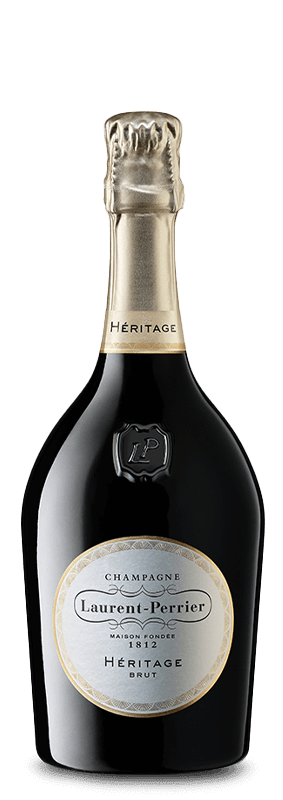
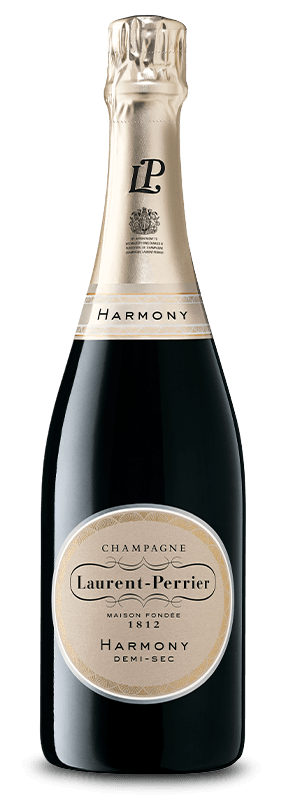
Champagne is an exceptional wine, a symbol of celebration, elegance, and the French art of living. Behind its apparent spontaneity, however, enjoying different champagnes follows precise rules, especially when several cuvées are offered during the same occasion.
To know the best way to drink these sparkling wines, one must understand that each bottle of champagne has its own identity. In this article, the Maison Laurent-Perrier guides you through the fundamental principles for a good experience in the ideal sequence.
Why Respect a Service Progression?
Every wine is unique: some are light and airy, others are actually more structured or vinous. When you want to enjoy various bottles, the sequence directly influences your sensory perception.
Following a coherent flow allows you to:
- – Preserve the freshness of the palate.
- – Better distinguish the nuances between types of champagne.
- – Highlight the increasing aromatic richness.
- – Offer a harmonious world of flavors.
As with a fine Alsace or Burgundy white wine, the rule is simple: go from the lightest to the most intense. If you start with a heavy vintage, you will never really appreciate the subtle bubbles of a younger cuvée.
General Rule for Serving Champagne
The recommended sequence is based on three essential criteria: freshness, intensity, and structure. Just start with the most delicate bottles and finish with the richest sparkling wines.
The ideal sequence is generally:
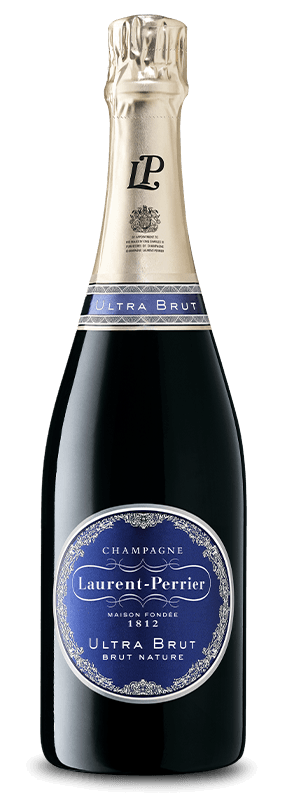
- – Champagne Brut
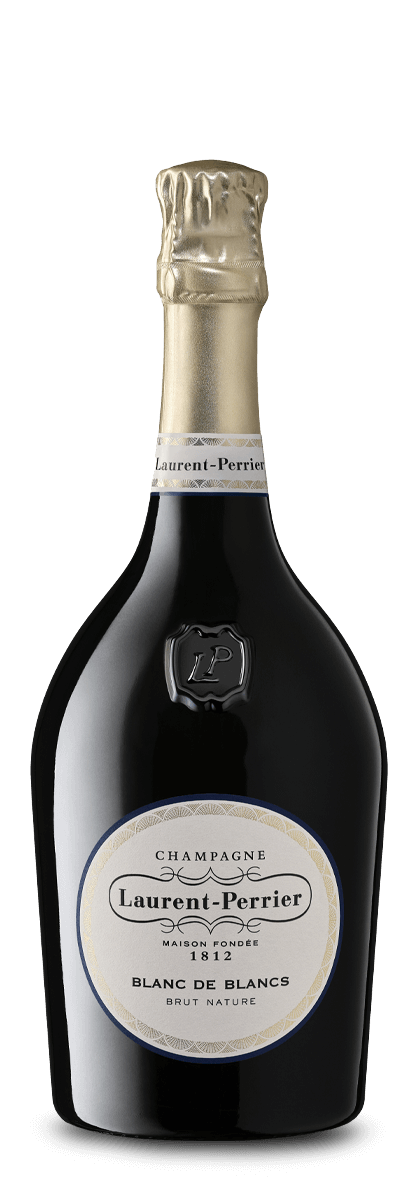
- – Blanc de Blancs
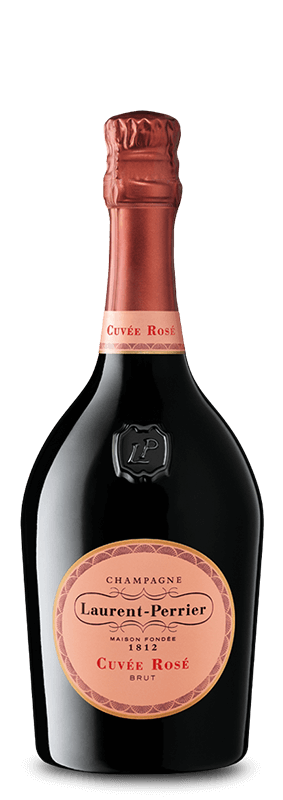
- – Rosé
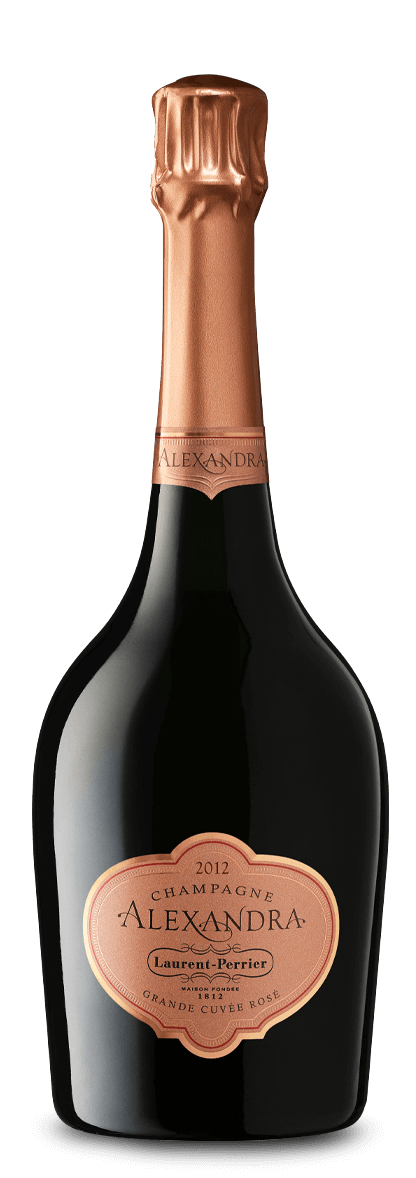
- – Vintage or Prestige Cuvée
1. Start with a Brut Champagne: Freshness and Purity
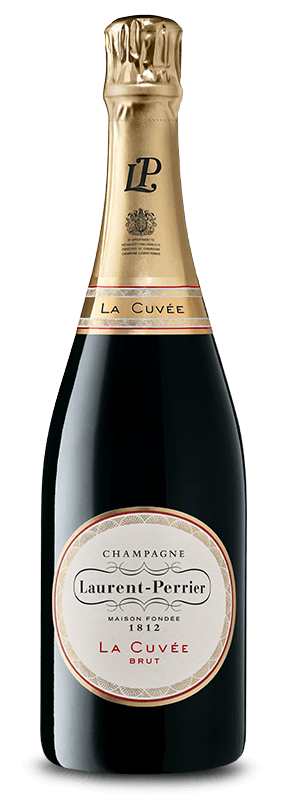
Non-vintage Brut is the perfect introduction. It embodies the balance between liveliness and floral notes. It is the preferred choice to open a champagne bottle at the aperitif.
- Laurent-Perrier choice: La Cuvée, for its airy elegance.
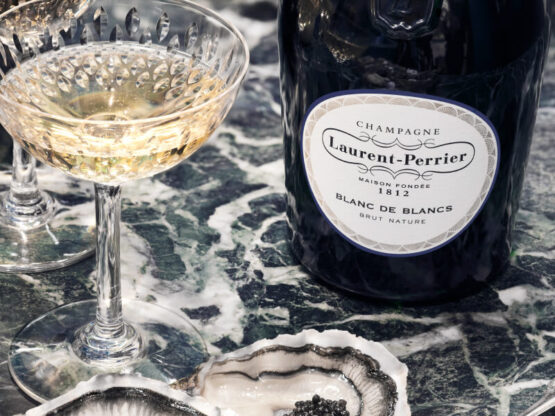
2. Continue with a Blanc de Blancs: Mineral Finesse
After a Brut, it is natural to continue with a Blanc de Blancs, made exclusively from Chardonnay. This style stands out for its mineral tension.
- Why now? It remains delicate but more precise, preparing the palate for wines that have spent a long time in the cellars.
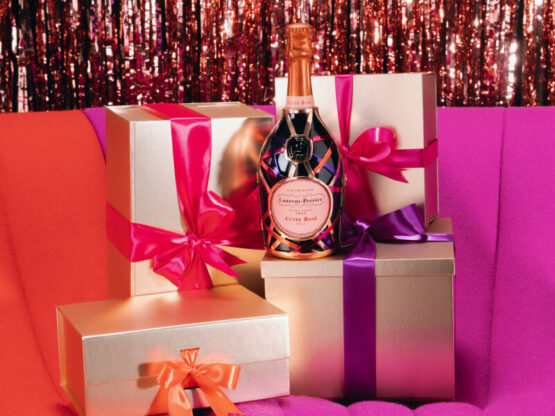
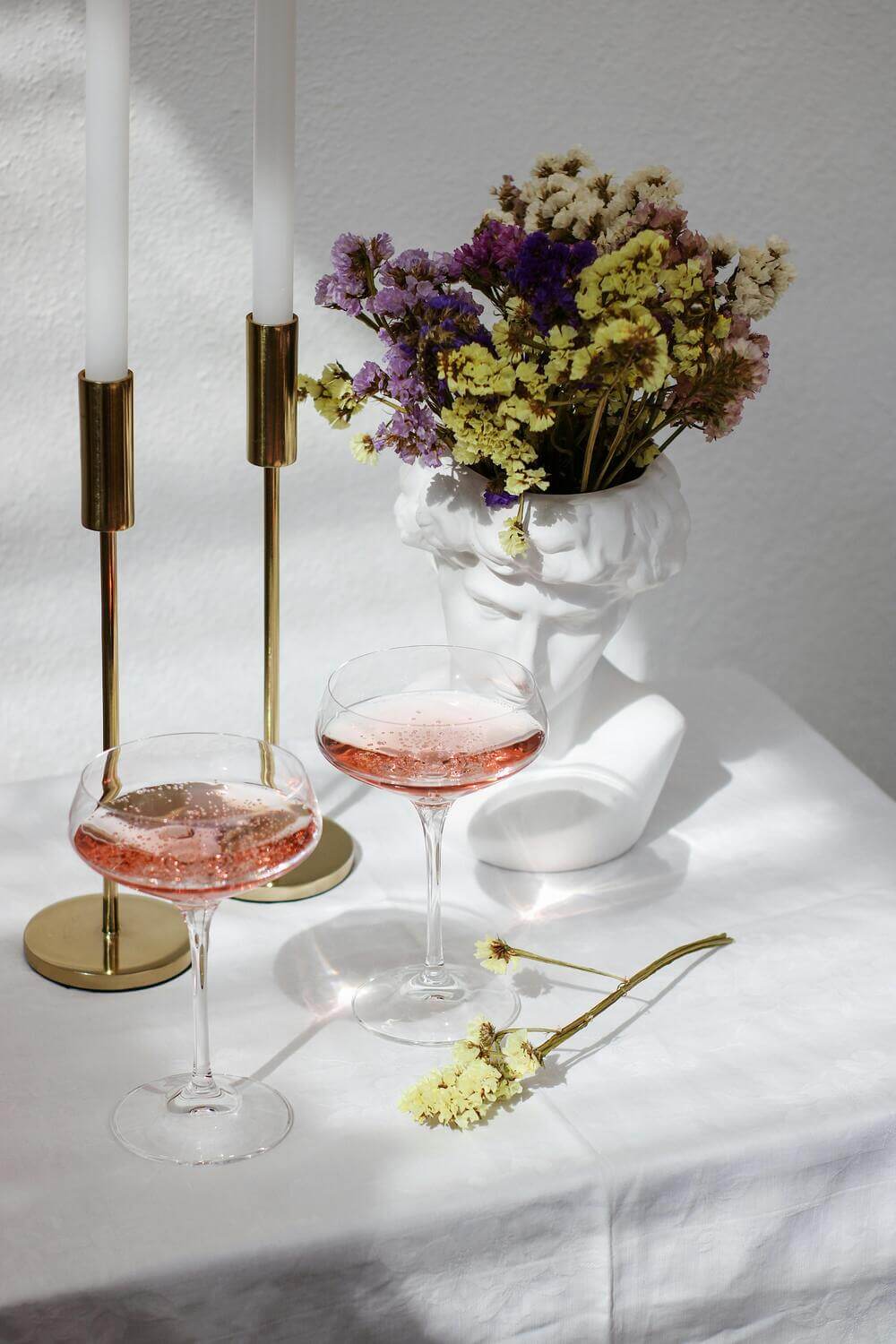
3. Serve a Rosé Champagne Next: Fruity Intensity
Rosé marks a richer step. Often made from an assemblage including Pinot Noir, it reveals notes of red fruits. Its powerful aromas could overpower the finesse of the Chardonnay if served earlier, so make sure to serve it around the middle of the event.
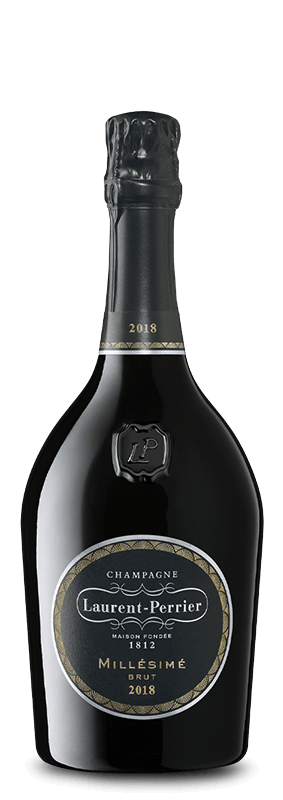
4. Finish with a Vintage or Prestige Cuvée
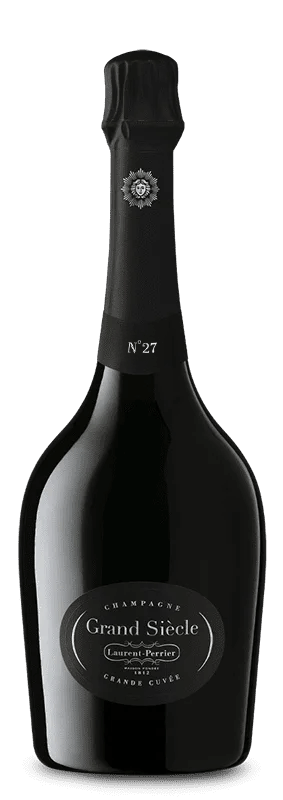
The end of the meal is reserved for the most complex champagnes. This is where champagne is made into a masterpiece, often aged for years.
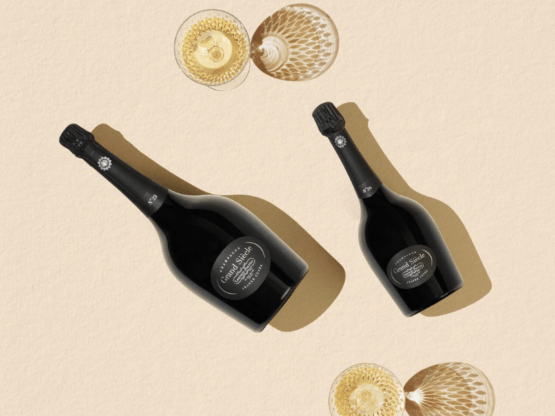
- Laurent-Perrier choice: Grand Siècle, the ultimate expression of blending artistry.
Temperature and Glassware: Key Service Elements
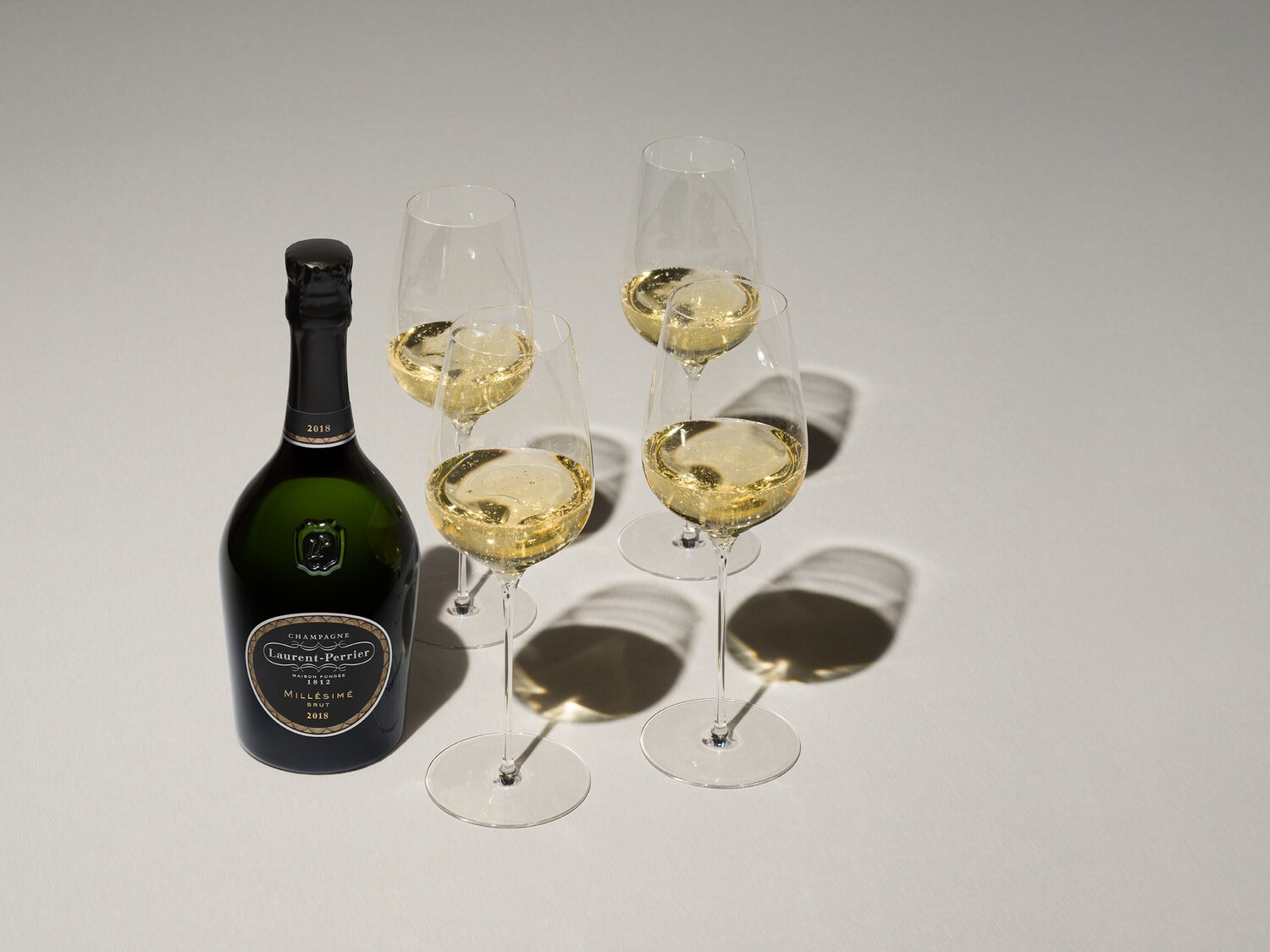
The sequence alone is not enough; the quality of the experience depends on service conditions. It is best to serve each wine at its specific peak:
- Temperature: 8–9°C for Brut, up to 12°C for Prestige Cuvées.
- Glass: Prefer a tulip wine glass rather than a narrow flute to allow the aromas to fully express.
Mistakes to Avoid
Certain missteps can disrupt your journey through the champagne region’s finest:
- – Starting with a Prestige Cuvée (too powerful for a fresh palate).
- – Serving a rosé before a delicate white.
- – Neglecting the proper serving temperature. Remember, a wine used for dessert should be less cold than an aperitif.
Conclusion: The Art of Drinking Champagne in the Correct Order
To fully enjoy each cuvée, remember this sequence: Brut → Blanc → Rosé → Prestige. This progression respects the winemaker’s craft. Champagne is a wine of emotion that, when enjoyed in the right sequence, reveals its full brilliance to the world.
FAQ
In what sequence should champagne be drunk during a meal? Start with a Brut at the aperitif, a Blanc de Blancs with seafood starters, a Rosé for the main course, and a Vintage to conclude. Much like a symphony, it needs a beginning, a middle, and a climax.
Can rosé champagne be drunk first? It is possible, but its red fruit aromas dominate the palate more strongly than a white, which could mask the finesse of subsequent cuvées.
Which champagne should be drunk last? Prestige or Vintage cuvées, as their complex structure requires a palate that is already “warmed up.”
Does the champagne region influence the order? The terroir remains the same, but how the champagne is made (the blend and aging) dictates the intensity. Always make sure to check the label for the specific style.