Definition of Rosé Champagne
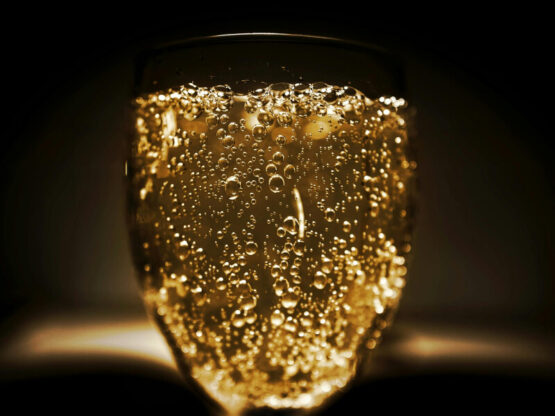
Rosé Champagne is the most delicate and refined expression of the Champagne terroir. It stands out for its luminous color and fresh red fruit aromas, while maintaining the elegant structure characteristic of quality Champagnes. Unlike other sparkling rosé wines, it can be made either by blending — combining white and red Champagne wines — or by maceration or saignée, methods that reveal the aromatic richness of Pinot Noir and Meunier.
Elegant and lively, Rosé Champagne combines the freshness of Chardonnay with the generosity of black grapes, offering an experience that is both subtle and intense. Variants include the rosé brut, the brut nature, and the rosé de seignée, each imparting its own signature to the cuvées.
A Brief History: The Origins of Rosé Champagne
While Champagne originated in the 17th century, rosé only appeared at the end of the 18th century. Originally destined for royal tables and European courts, these early rosé cuvées were produced in limited quantities, symbolizing rarity and refinement. Today, rosés Champagnes account for approximately 5–10% of total production, reflecting the skill and precision required for their creation.
How Is Rosé Champagne Made?
Creating a Rosé Champagne is an art of balance and patience. Three main methods are used:
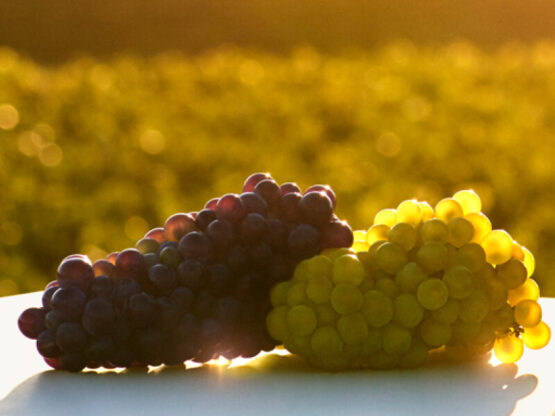
- – Blended Rosé: A combination of a base white wine and a still red Champagne before secondary fermentation. Grape varieties: Pinot Noir, Meunier, and Chardonnay. Produces delicate aromas, a balance of freshness and fruitiness, and a light color. The predominant technique (nearly 90% of rosés).
- – Maceration / Saignée Rosé: Short maceration of black berries with their skins until the desired color is reached. Grape variety: Mainly Pinot Noir. Results in a deeper color, more vinous texture, and intense red fruit aromas. A rare and demanding method, used for prestige cuvées.
- – Vintage Rosé: Made exclusively from an exceptional harvest, with extended aging. Grape varieties: Pinot Noir and Chardonnay depending on the house. Broad structure, aromatic complexity, and remarkable aging potential. Minimum aging of 3 years before release.
Food Pairings for Rosé Champagne
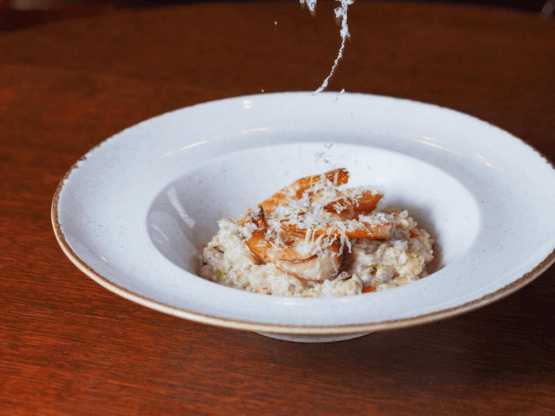
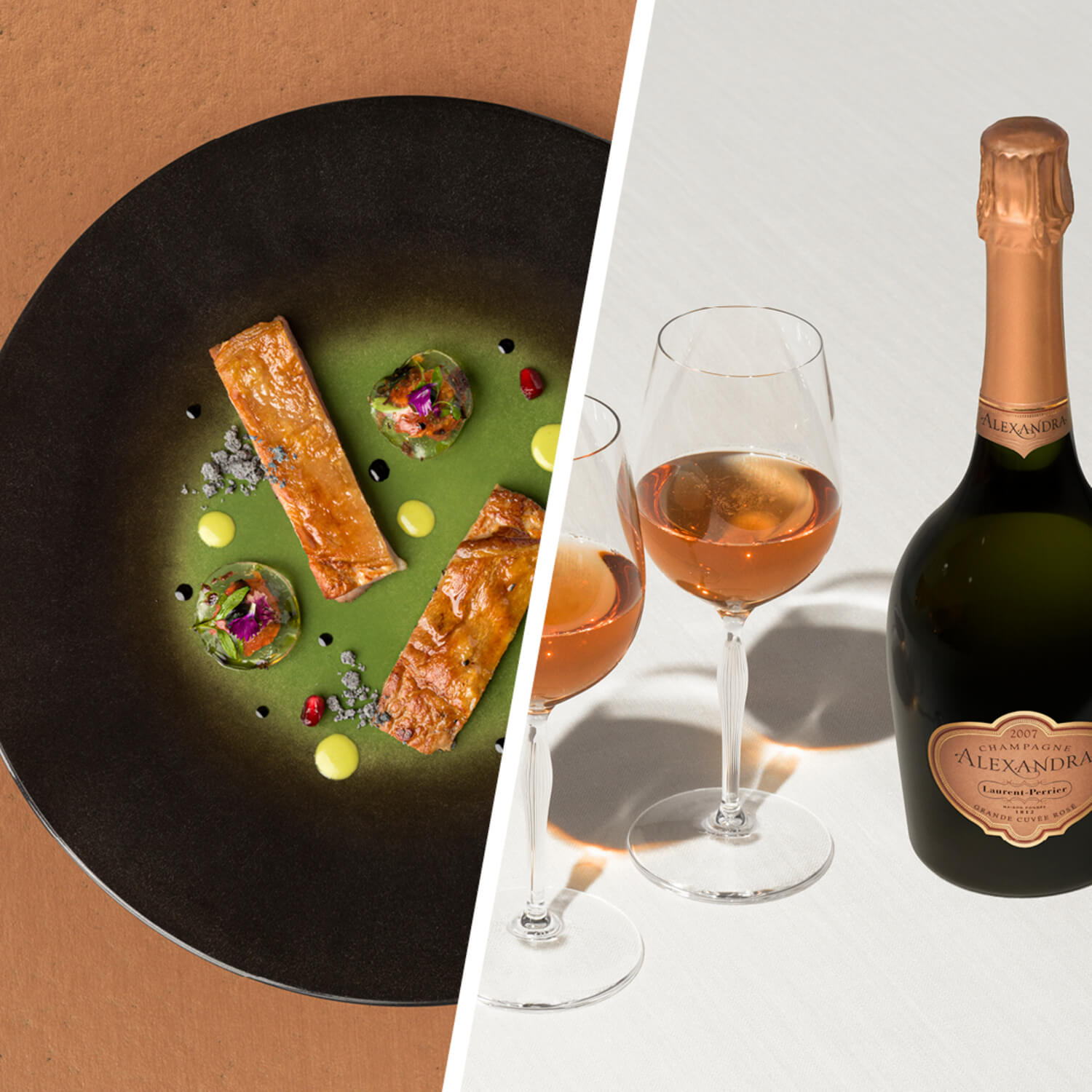
Rosé Champagne pairs with a wide range of culinary experiences, from simple aperitifs to refined dishes and delicate desserts. Pairings vary according to the style of rosé:
Blended Rosé
- – Starters: Salmon carpaccio, tuna tartare, sushi
- – Fish & Shellfish: Scallops, langoustines
- – Meat: Grilled poultry, tender veal
- – Cheese: Fresh goat cheese
- – Desserts: Light red fruits, sabayon
Maceration / Saignée Rosé
- – Starters: Game terrine, seared foie gras
- – Fish & Shellfish: Tuna, smoked salmon
- – Meat: Duck, rosé lamb
- – Cheese: Comté, aged Gouda
- – Desserts: Red fruit tart, millefeuille
Vintage Rosé
- – Starters: Scallop carpaccio with truffle
- – Fish & Shellfish: Lobster, roasted turbot
- – Meat: Veal fillet, pigeon
- – Cheese: Aged Parmesan, truffle Brie
- – Desserts: Raspberry dessert, citrus sablé
To avoid: Dishes that are too spicy or very sweet depending on style, bitter dark chocolate, coffee or caramel desserts.
Difference Between Rosé Champagne and Vintage Rosé Champagne
Vintage Rosé stands out for its precision:
- – Regulatory: Made exclusively from a single harvest; the vintage year must be exceptional. No blending with reserve wines. Minimum aging: 3 years on lees, sometimes 6 to 10 years at Laurent-Perrier. Very limited production.
- – Style and Quality: More structured, more complex, fully expressing the character of the year. Aromas evolve toward notes of candied fruits, brioche, and fine spices.
- – Aging Potential: Can be kept for 15 to 20 years under optimal conditions, gaining complexity without losing freshness.
Rosé Champagnes from Laurent-Perrier
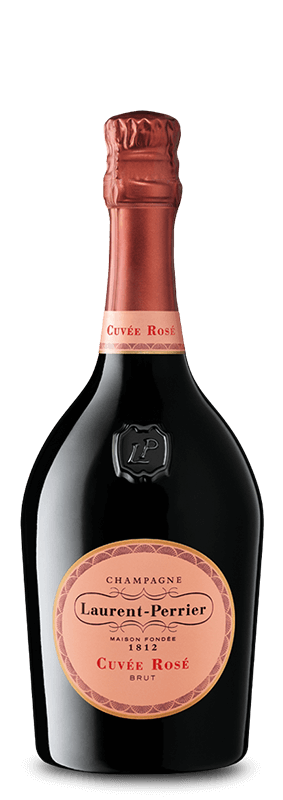
Cuvée Rosé Laurent-Perrier
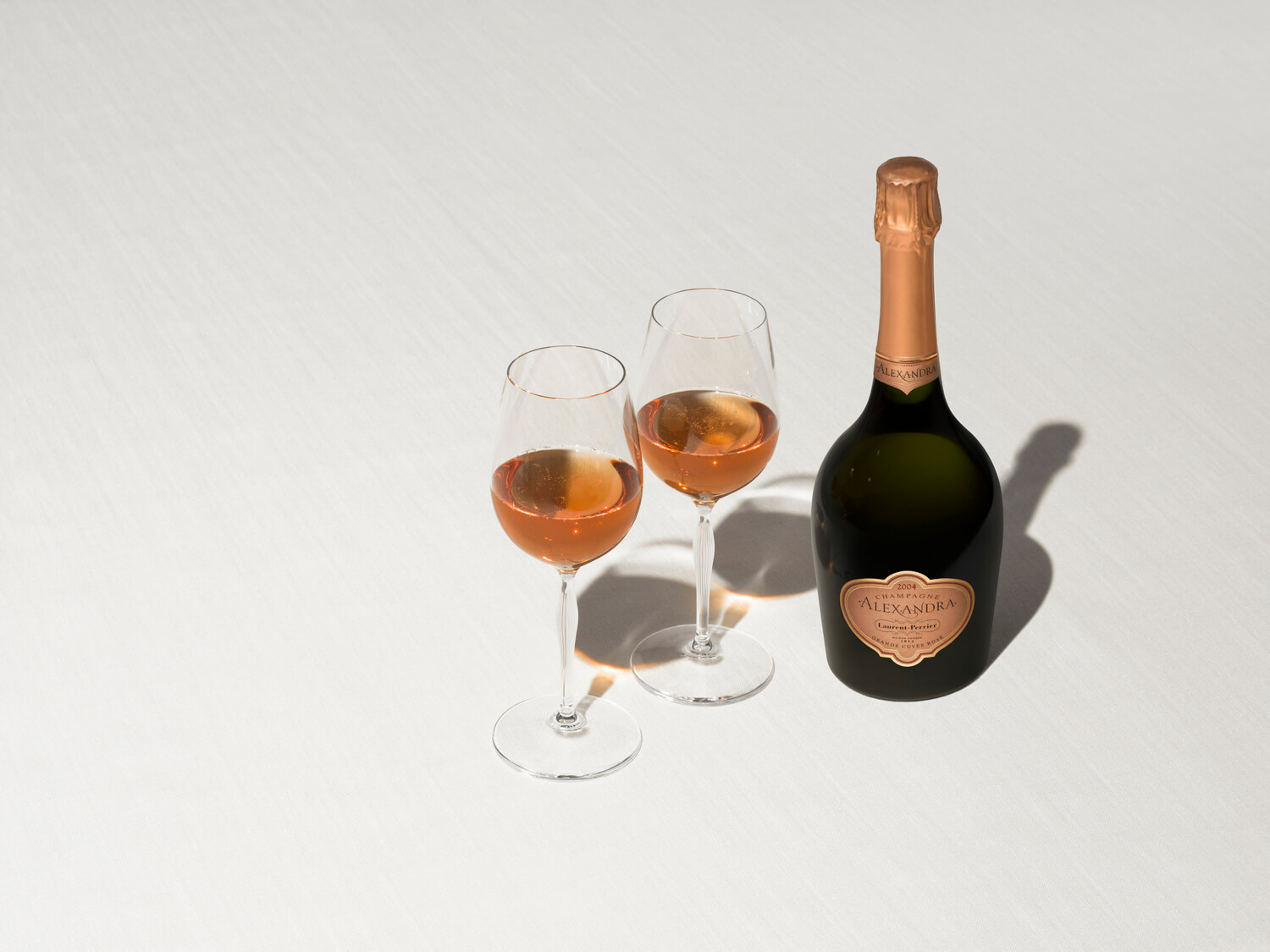
Created in 1968, this iconic cuvée is made exclusively from Pinot Noir from the finest Montagne de Reims crus. Its controlled maceration method reveals intense aromas of strawberry, raspberry, and redcurrant. Its luminous color and aromatic purity embody freshness, precision, and elegance, the pillars of the Laurent-Perrier style.
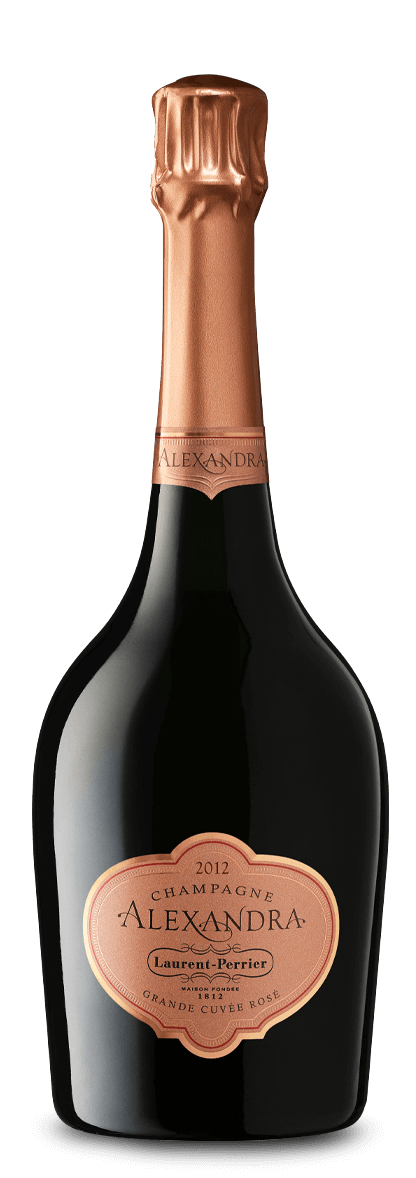
Alexandra Rosé Millésimé: The Rare Expression of Excellence
Introduced in 1987, this cuvée blends Chardonnay and Pinot Noir from Grand Crus, produced only in exceptional years. After extended cellar aging, it reveals a salmon-pink hue with copper highlights and a complex bouquet of candied red fruits, fine spices, brioche, and honey.
Organoleptic Profile
- – Eye: Pale salmon, bright, subtle amber reflections
- – Nose: Ripe red fruits, citrus zest, floral hints
- – Palate: Broad structure, silky texture, long and mineral finish
- – Aging potential: Up to 20 years
International Distinctions
| Vintage | Critic | Score |
|---|---|---|
| Alexandra Rosé 2004 | Decanter | 96 |
| Alexandra Rosé 2004 | Wine Spectator | 96 |
| Alexandra Rosé 2012 | Vinous | 96 |
| Alexandra Rosé 2012 | Bettane & Desseauve | 96 |
| Alexandra Rosé 2012 | Decanter | 97 |
| Alexandra Rosé 2012 | James Suckling | 99 |
These accolades confirm Alexandra Rosé Millésimé as one of the world’s greatest rosé Champagnes, symbolizing harmony, complexity, and timeless elegance.
Conclusion: The Art of Vintage Rosé Champagne
Vintage Rosé Champagne embodies the union of time’s rigor and fruit’s grace. It is an exceptional wine, a witness to a unique year, elevated by long aging and artisanal craftsmanship passed down through generations. At Laurent-Perrier, this philosophy reaches its pinnacle in Alexandra Rosé Millésimé, a true jewel of the Champagne heritage, celebrating the art of precision and emotion. A Champagne of exception for life’s most memorable moments.