Rosé Champagne is today one of the most sought-after expressions of Champagne wines. With its delicately tinted hue and fruity aromas, it embodies both indulgence and elegance. But what makes it so distinctive? Let us explore its history, methods of production, gastronomic pairings, and the great rosé cuvées of Maison Laurent-Perrier.
The history of rosé champagne
Although Champagne has existed since the 17th century, rosé appeared somewhat later, in the 18th century. It was born from the desire of certain winemakers and Maisons to create a more colourful, expressive cuvée. At the time, still wines from the Champagne region could already display a rosé tint, obtained through partial maceration of black grapes.
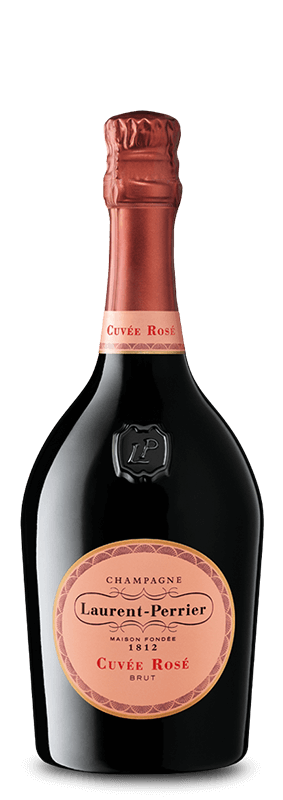
In 1968, Laurent-Perrier unveiled a non-vintage macerated rosé Champagne: Cuvée Rosé. As a pioneer, the Maison paved the way for a new generation of champagnes, elevating rosé to the level of prestige. The category itself only officially appeared in Champagne in 1981.
Since then, Maisons have refined their savoir-faire and now usually offer a rosé in their ranges, often produced through blending and more rarely by maceration or the saignée method. Long considered a rarity, rosé Champagne has steadily gained recognition, seducing a clientele in search of fruity yet refined wines. Today, it represents around 10% of total Champagne production—a testament to its growing success both in France and internationally.
The grape varieties of rosé champagne
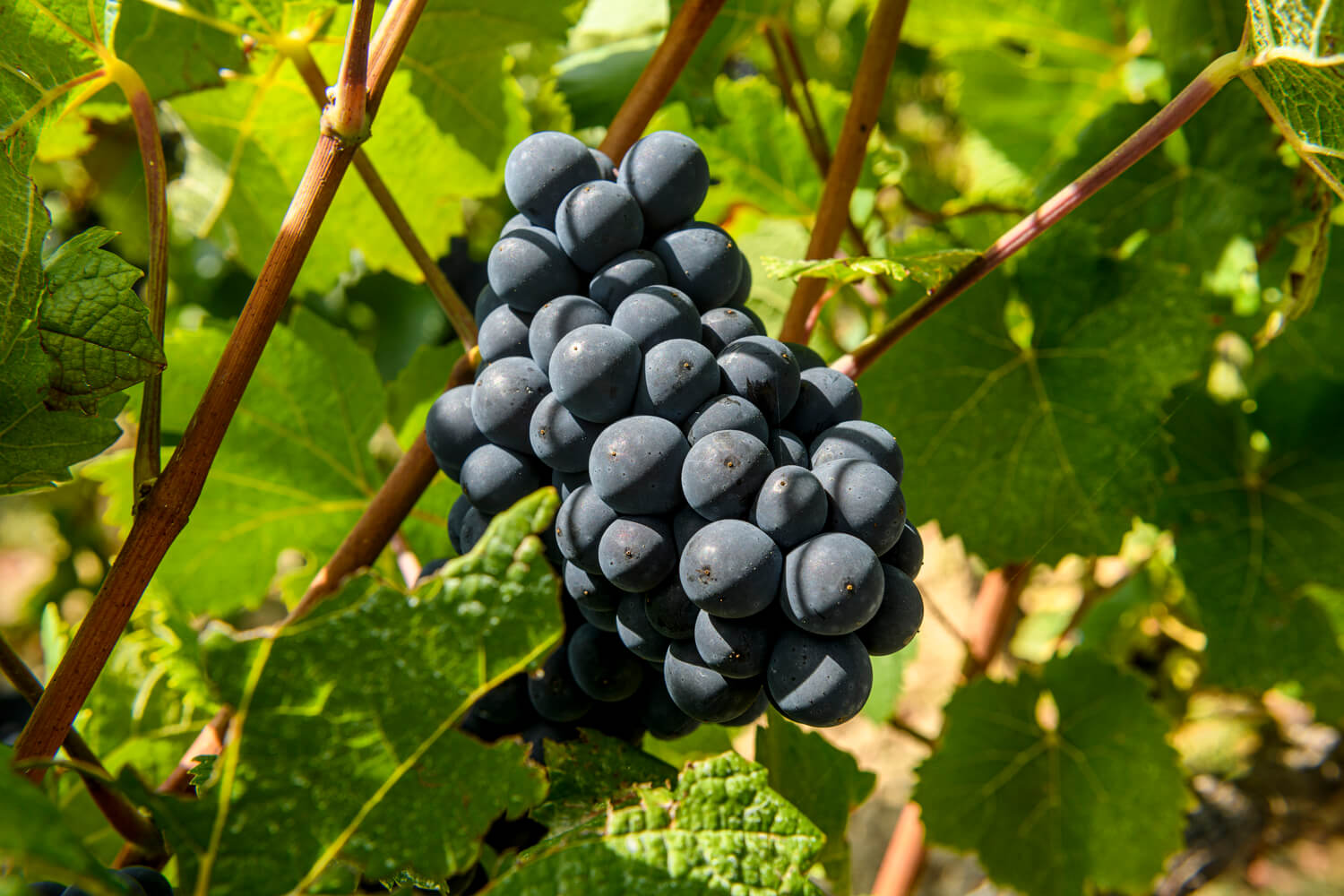
Rosé Champagne owes its personality to the blending of Champagne grape varieties:
- – Pinot Noir: the king grape for rosés, it brings structure, aromatic intensity, and red fruit notes.
- – Meunier: adds roundness and suppleness, contributing to approachable and charming rosés.
- – Chardonnay: a white grape variety, it provides finesse, freshness, and aromatic complexity to certain blends.
The balance between these grapes varies according to each Maison, resulting in very different styles, ranging from light, delicate rosés to more vinous and powerful cuvées.
The techniques of rosé champagne production
Rosé Champagne is unique worldwide: it is one of the very few sparkling wines that can be produced by three distinct methods.
Blended Rosé
The most common method in Champagne, it consists of blending a small amount of red wine (from Pinot Noir or Meunier vinified as red) with a still white wine before the second fermentation in bottle.
This technique allows for precise control of the final tint—from pale pink to salmon—while ensuring consistent style year after year. Champagne is the only region in the world authorized to produce blended rosé.
Maceration Rosé
Rarer and more demanding, this method involves allowing black grapes to macerate with their skins for a few hours. This naturally colours the juice and imparts a more pronounced aromatic intensity, with fresh red fruit and sometimes spicy notes.
Rosé champagnes made by maceration are often more complex and vinous, appealing to connoisseurs of characterful cuvées.
Saignée Rosé
Unlike maceration rosé, fermentation begins in the maceration tank. Saignée rosés are generally more fruit-forward, while macerated rosés often display greater freshness.
Food pairings with rosé champagne
One of the great strengths of rosé champagne lies in its gastronomic versatility. Its freshness, structure, and fruity aromas make it an ideal companion for many dishes, from aperitif to dessert.
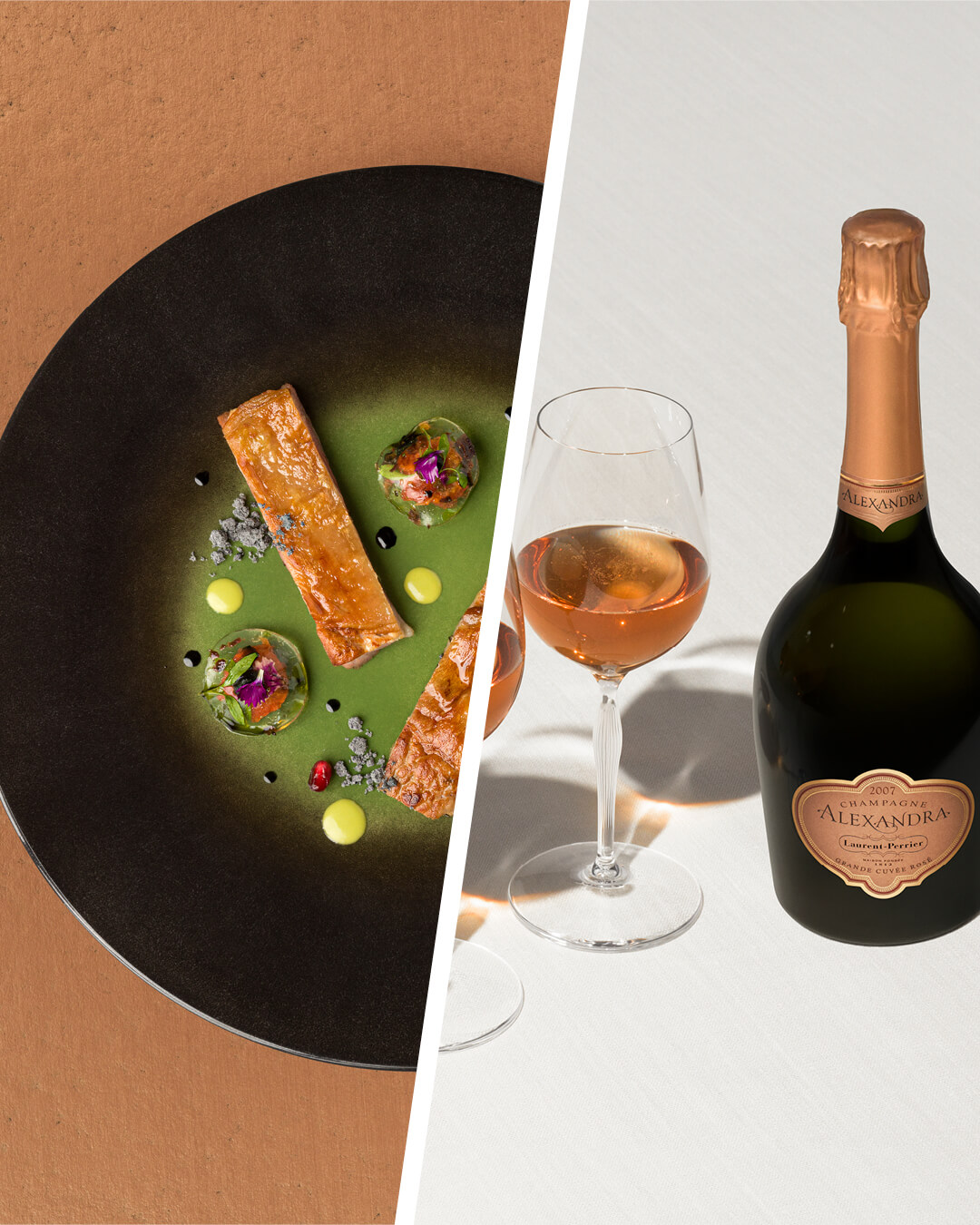
- – As an aperitif: its red fruit notes pair beautifully with fine charcuterie.
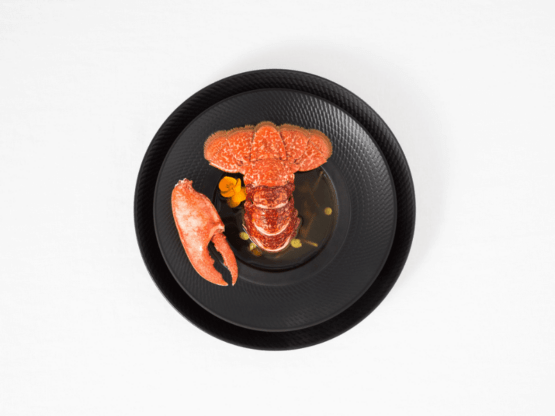
- – With fish and seafood: it complements salmon, seared tuna, lobster, or sashimi magnificently.
- – With white meats: roasted poultry, veal with herbs, or duck breast with raspberry vinegar find perfect balance with rosé freshness. The more adventurous may even try it with spiced dishes—Asian or Indian—as well as grilled red meats.
- – With cheese: a delicate rosé Champagne pairs exquisitely with a regional cheese such as Chaource, served with fruit preserves.
- – With desserts: fresh red fruits, strawberry or raspberry tarts, or a fruit pavlova match wonderfully with rosé.
In short, rosé Champagne is one of the most food-friendly champagnes, surprising with its ability to enhance both simple dishes and refined gastronomy.
Laurent-Perrier rosé champagnes
Cuvée Rosé
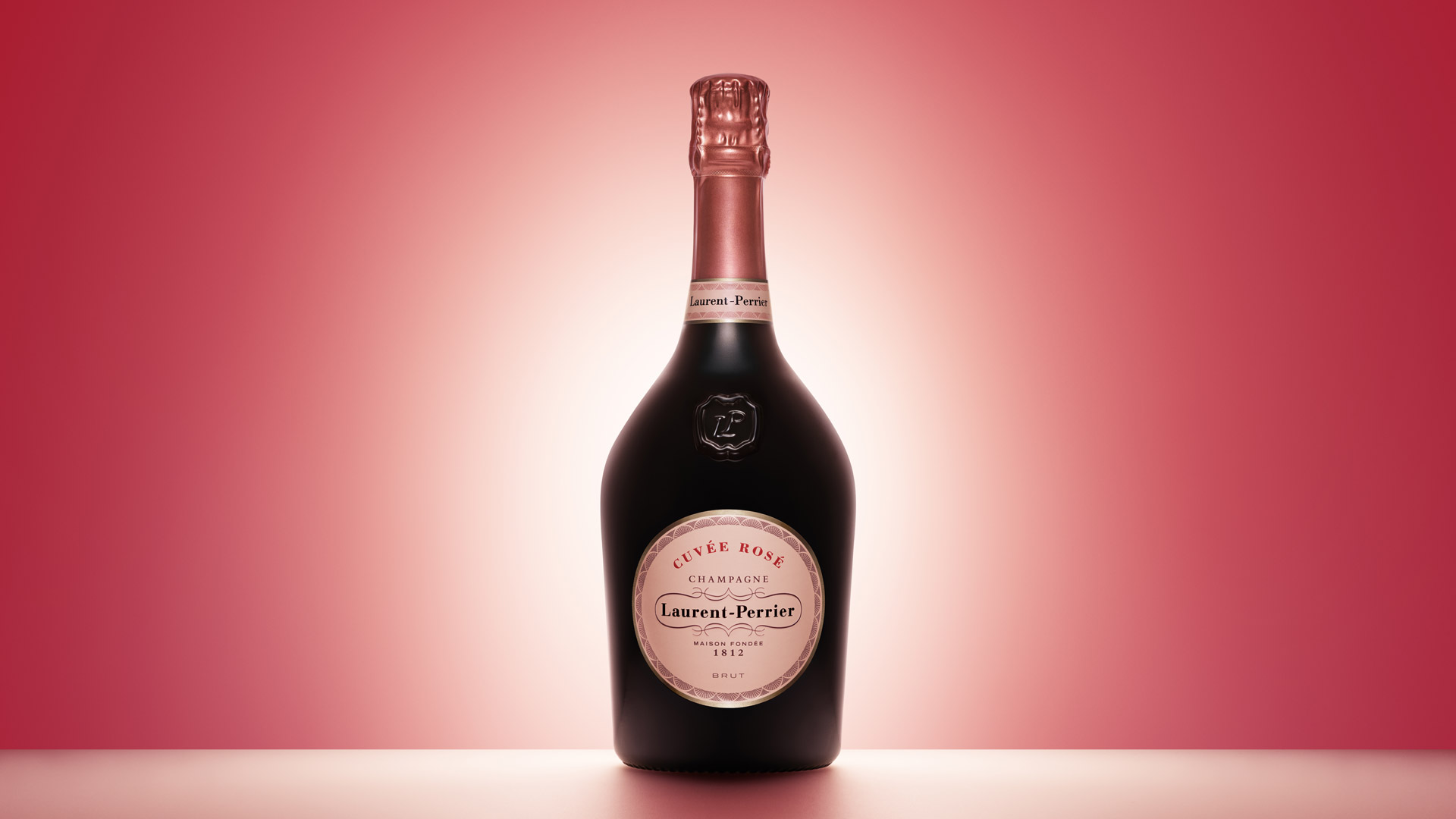
An icon of the Maison, Laurent-Perrier Cuvée Rosé has been a benchmark since its creation in 1968. Crafted exclusively from Pinot Noir, it is produced using the rare method of maceration. This bold choice reveals the full aromatic intensity of red fruits—strawberry, raspberry, redcurrant, cherry—while maintaining freshness and remarkable precision.
Its bright salmon-pink hue, vibrancy, and indulgence make it an essential champagne for lovers of exceptional rosés. Equally enjoyable as an aperitif or at the table, it pairs beautifully with refined dishes such as tuna carpaccio or duck breast with raspberry vinegar.
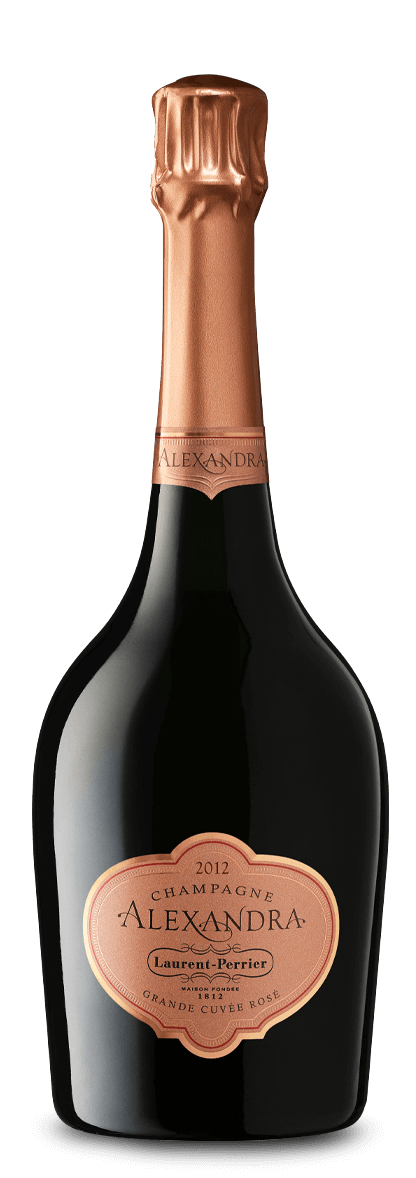
Alexandra Rosé Millésimé
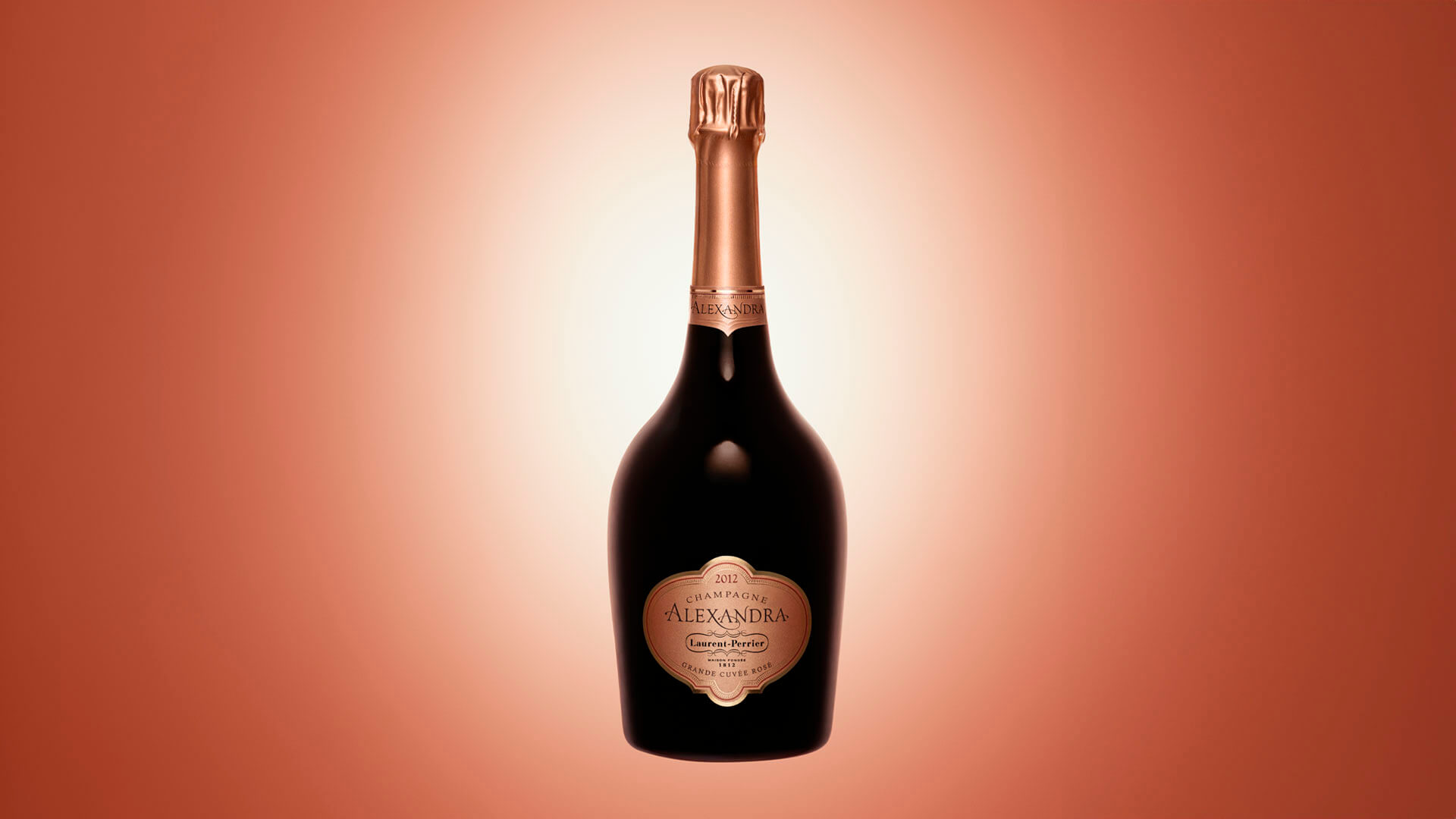
Created in 1987, Alexandra Rosé is a rare and confidential Prestige Cuvée, produced only in the greatest vintages. Crafted from the finest Chardonnay and Pinot Noir crus, it combines finesse and power, intense fruit and aromatic complexity.
Designed for haute cuisine, it enhances game birds, refined meats, and the most elaborate culinary creations. A true connoisseur’s champagne, Alexandra Rosé represents the ultimate expression of rosé Champagne.
Conclusion
Rosé Champagne is far more than a coloured Champagne: it is the expression of creativity, savoir-faire, and boldness of the Champagne Maisons. Whether crafted by blending or maceration, it captivates with freshness, aromatic richness, and versatility at the table.
With Cuvée Rosé, both pioneering and emblematic, and the prestigious Alexandra Rosé Millésimé, Maison Laurent-Perrier stands as a benchmark in the world of rosé champagnes, offering amateurs and connoisseurs alike exceptional cuvées that combine elegance, intensity, and refinement.