Contents
- What exactly are veal sweetbreads?
- Veal sweetbreads: a luxury ingredient
- How to prepare and cook veal sweetbreads
- What to drink with veal sweetbreads? The main principles
- Which white wines to serve with simple veal sweetbreads?
- Can red wine be served with simple veal sweetbreads?
- What about off-dry or dessert wines?
- Veal sweetbreads with mushrooms: which wines?
- Veal sweetbreads with asparagus: delicate pairings
- Veal sweetbreads in puff pastry: which wines?
- Veal sweetbreads with honey: the sweet-and-savory balance
- Veal sweetbreads and champagne: a gastronomic pairing
- Summary table: veal sweetbread recipes, wine & champagne pairings
- What to drink with veal sweetbreads?
Festive dishes par excellence, veal sweetbreads belong to the very small circle of truly refined foods in French gastronomy. Long reserved for bourgeois tables and grand houses, they charm with their melting texture, their delicately milky taste, and their notes of hazelnut and fresh butter.
Faced with such a noble ingredient, one naturally asks:
What to drink with veal sweetbreads?
High-end white wines, delicate reds, subtle off-dry styles… not to mention champagnes, whose certain styles, especially Chardonnay-based ones, create remarkably natural pairings with veal sweetbreads.
What exactly are veal sweetbreads?
The term sweetbread, from Latin risus, refers to a very specific offal of veal (and also lamb or kid):
- – it is the thymus gland, located at the top of the chest, in front of the trachea,
- – and it disappears in adulthood, which makes it naturally rare.
Veal sweetbreads consist of two parts:
- – the throat (gorge): the elongated, thinner part,
- – the heart (noix): the round, fleshy part, considered the most flavorful.
In cooking, the term “veal sweetbread” is used once this thymus is prepared as a main dish, often placed alongside foie gras, truffles, or scallops in the hierarchy of exceptional ingredients.
Veal sweetbreads: a luxury ingredient
Veal sweetbreads are:
- – rare (by definition, one thymus per animal and only at a certain age),
- – fragile,
- – demanding to prepare.
They require careful preparation:
- – Soaking: the sweetbreads are placed in cold water, sometimes lightly vinegar-scented, with the water changed regularly over several hours.
- – Blanching: they are immersed in cold water, brought to a gentle simmer for a few minutes, then cooled in ice water.
- – Trimming: once cooled, the membranes, small skins, and unwanted parts are removed, keeping only the heart and the finest part.
- – Pressing: the sweetbreads are then pressed while chilled, between two plates or a clean cloth, to obtain a regular shape and even texture.
This careful preparation partly explains the luxurious status of veal sweetbreads: they are expensive, rare, and highly prized by connoisseurs.
How to prepare and cook veal sweetbreads
Veal sweetbreads lend themselves to several classic families of preparations.
Preparation steps before cooking
Before any cooking:
- – Soak (cold water, changed regularly).
- – Blanch (gentle simmer, then cool).
- – Trim (remove skins and membranes).
- – Press (to achieve an even shape).
Only then do you move on to the actual cooking.
Main cooking methods
a) Pan-seared or “meunière” sweetbreads
- – The sweetbreads are cut into thick slices.
- – Lightly floured, sometimes cooked in a little clarified butter.
- – Gently pan-seared in butter, sometimes with a dash of oil to prevent burning.
- – Basted regularly, then finished with foamy butter.
Result: a lightly crisp surface, a melting center, and a remarkable hazelnut flavor.
b) Braised sweetbreads
- – Whole hearts can be braised in a casserole with white stock, wine (Madeira, port, dry white wine), aromatics, and vegetables.
- – This slow cooking method gives very tender sweetbreads, sometimes served in a creamy sauce with mushrooms or morels.
c) Sweetbreads in pastry / puff pastry
- – The pan-seared or braised sweetbreads are then wrapped in puff pastry, sometimes with mushroom duxelles or a fine stuffing.
- – Baked until the pastry is golden brown.
d) Special preparations
- – With morels, porcini, or assorted mushrooms: cream binding, reduced jus, veal stock.
- – With asparagus: light jus or emulsion, asparagus tips just cooked.
- – With honey: a glaze that caramelizes the surface, creating a fine sweet-and-savory crust.
- – In casseroles, papillotes, or on skewers: small individual preparations, skewers, sauces worked with wine and aromatics…
What to drink with veal sweetbreads? The main principles
Veal sweetbreads are:
- – a delicate piece, very fine on the palate,
- – with a melting texture,
- – a taste of milk, butter, and dry fruits (hazelnut, almond),
- – sometimes enriched by creamy sauces, mushrooms, asparagus, or a honey glaze.
Wines should:
- – strike a balance between richness and freshness.
- – respect this delicacy,
- – offer a beautiful texture,
Which white wines to serve with simple veal sweetbreads?
For simple, just-seared veal sweetbreads, the ideal choice is an elegant white wine with tension, able to support the richness and texture without any harshness.
Burgundy
In Burgundy, the best choices are:
- – Meursault-Villages: generosity, buttery and hazelnut notes that echo the sweetbread.
- – Nuits-Saint-Georges blanc (rarer), or certain well-balanced Pernand-Vergelesses and Saint-Romain.
- – In the Côte Chalonnaise:
These wines offer:
- – sufficient body,
- – buttery/hazelnut notes,
- – a citrus freshness that lightens each bite.
Loire Valley
Chenin Blancs are magnificent partners for veal sweetbreads:
- – Savennières: dry, built on a mineral backbone and noble acidity, often with notes of baked apple, dry honey, and orchard fruits.
- – Montlouis-sur-Loire and Vouvray, dry or lightly off-dry: when young, they combine tension and delicate fruit, ideal with simply pan-seared sweetbreads, perhaps just coated with a lemony cooking jus.
Southern Rhône
For lovers of Grenache Blanc and Clairette:
- – balanced Châteauneuf-du-Pape blancs,
- – and certain cuvées from high-altitude or cool terroirs offer a broad palate with aromas of white fruit and fine herbs, matching beautifully with lightly creamed simple sweetbreads.
Can red wine be served with simple veal sweetbreads?
Yes, but with great caution.
Veal sweetbreads do not tolerate:
- – aggressive tannins,
- – excessively high alcohol levels,
- – heavy oak.
So the preferred choices are:
- – a Chambolle-Musigny Villages: Pinot Noir delicacy, silky tannins, notes of red fruit and rose that respect the finesse of the sweetbread.
- – Cinsault-based reds from Languedoc, made in a juicy, fruit-forward style, with real drinkability and melted tannins.
The idea is for the red to be treated almost like a “colored white”: fresh, digestible, subtle.
What about off-dry or dessert wines?
With simple sweetbreads
In some cases, one may consider very fine off-dry wines, in particular:
- – Alsace Pinot Gris with very little residual sugar,
- – young Montlouis or Vouvray off-dry, kept lively by acidity.
They should nevertheless remain:
- – very well balanced,
- – only lightly marked by sweetness,
so as not to overwhelm the delicacy of the sweetbread.
With sweetbreads in a Sauternes-scented sauce
If the sweetbreads are prepared:
- – in sauce,
- – with softened leeks,
- – with a garlic and lemon broth,
- – and a few drops of Sauternes added during cooking,
one can then turn to:
- – a glass of Sauternes or Barsac: the sweetness, honey, and candied fruit notes will echo the sauce, provided the dish remains balanced by acidity.
Veal sweetbreads with mushrooms: which wines?
Mushrooms (morels, porcini, chanterelles, brown button mushrooms…) bring:
– forest-floor notes,
– a touch of damp earth,
– sometimes hints of hazelnut or toasted bread.
White wines
The ideal profile is:
- – whites with a rich texture,
- – finely integrated oak,
- – and gentle rather than sharp tension.
Examples of styles:
- – Alsace Pinot Gris: flesh, smoky notes, stone fruits.
- – certain Burgundian Chardonnays (Meursault, Corton-Charlemagne) with a few years of bottle age.
Red wines
With this kind of dish, reds become very credible:
- – Nuits-Saint-Georges Pinot Noir: red fruit, forest floor, earthy structure that answers the mushrooms beautifully.
- – Delicate northern Rhône Syrahs: notes of violet, pepper, elegant jus.
For Bordeaux lovers:
- – certain evolved Médocs,
- – more discreet right-bank styles,
- – and other mature, supple Bordeaux expressions,
can provide sumptuous pairings, as long as the tannins are fully softened.
What about champagne with veal sweetbreads and mushrooms?
For champagne, the preference goes to:
- – a vintage-aged Blanc de Blancs, with a few years of evolution,
- – so as to keep body on the palate, buttery/hazelnut notes, and enough presence to stand up to the mushrooms.
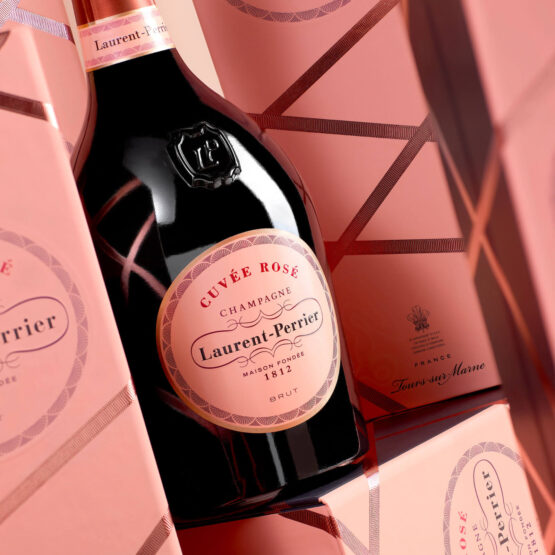
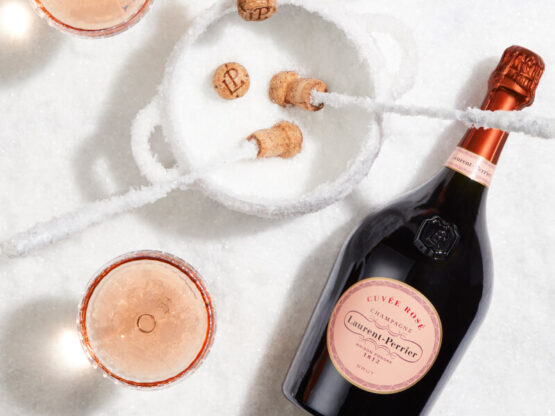
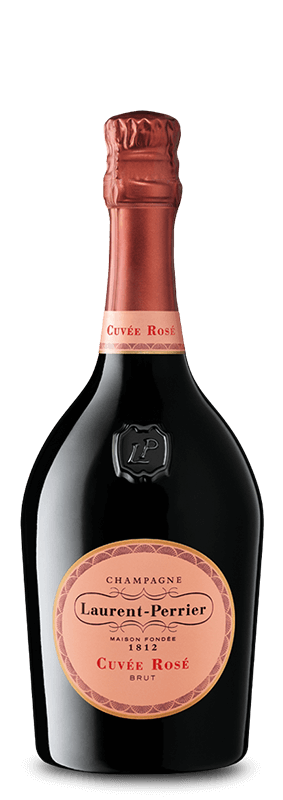
For rosé lovers, Laurent-Perrier Cuvée Rosé, with its intense aromas of fresh red berries, brings a highly gastronomic dimension to veal sweetbreads with mushrooms, especially when the jus is reduced and lightly caramelized.
Veal sweetbreads with asparagus: delicate pairings
Asparagus is known to be difficult in food and wine pairings:
- – marked vegetal and herbal flavor,
- – slight bitterness,
- – fibrous texture.
White wines
The best choice is whites that are:
- – aromatic,
- – with moderate tension,
- – and able to converse with vegetal notes.
Examples:
- – Condrieu Viognier: yellow fruits, apricot, violet, lovely breadth.
- – Alsace Gewurztraminer, dry or lightly off-dry, with exotic fruit.
- – in Languedoc, aromatic blends that combine texture, perfume, and length.
Red wines
Reds remain possible, but with caution:
- – choose a supple Beaujolais (Morgon in a delicate style),
- – or certain Jura Poulsards: very fruity juice, slightly herbal, echoing the asparagus.
Champagne and asparagus
A zero-dosage champagne is particularly interesting for balancing asparagus without dominating it.
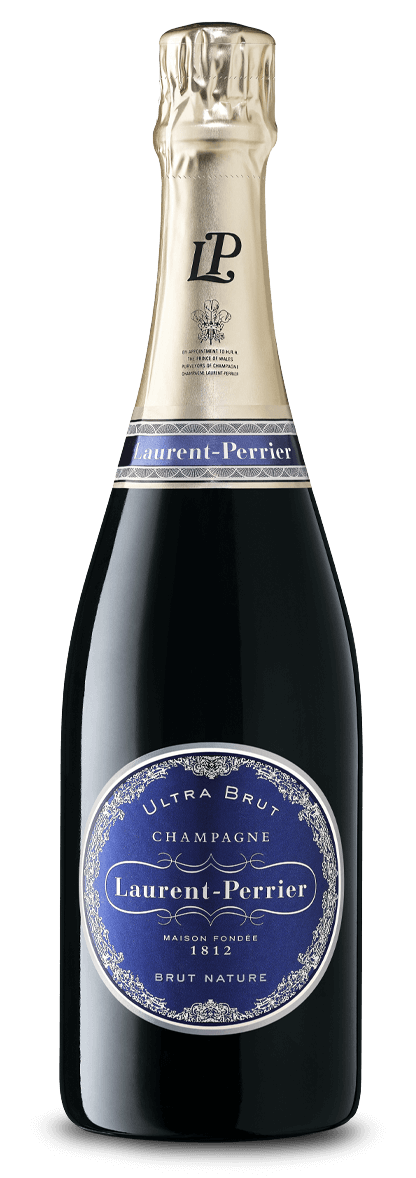
Laurent-Perrier Ultra Brut is a remarkable choice here:
- – 55 % Chardonnay for freshness,
- – 45 % Pinot Noir for roundness,
- – no dosage, made only in naturally ripe years.
Its tension, precision, and crystalline profile pair perfectly with veal sweetbreads with asparagus, especially if the sauce remains light and lemony.
Veal sweetbreads in puff pastry: which wines?
Puff pastry brings:
- – a buttery richness,
- – a crisp texture,
- – notes of golden pastry, close to great oaked Chardonnays.
White wines
The best choice is whites that are:
- – rich,
- – balanced by beautiful freshness,
- – with aromas of butter, hazelnut, and brioche.
Examples of styles:
- – Corton-Charlemagne, Meursault, and certain Pouilly-Fuissé.
- – In the South-West, dry or gently mellow Pacherenc-du-Vic-Bilh.
- – White Rhône wines with generous breadth.
Red wines
Reds are possible if:
- – the preparation includes a well-reduced veal jus,
- – and the sauce gains intensity.
In that case:
- – evolved Pomerol,
- – northern Rhône Syrahs,
- – and certain Pinot Noirs from Chambolle-Musigny,
will be perfectly at home.
Champagne and puff pastry
On the champagne side, Blanc de Blancs are superb partners:
- – seeking buttery notes,
- – rich texture,
- – fine bubbles.
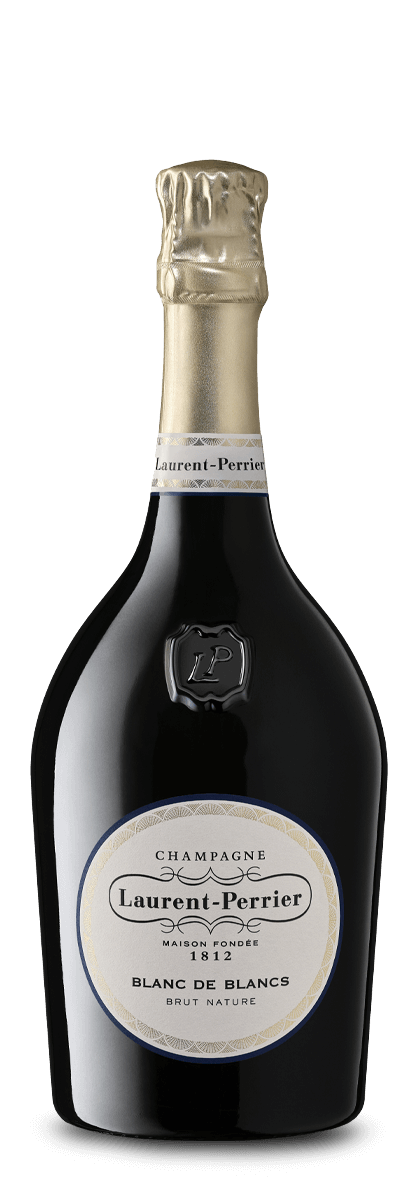
A Blanc de Blancs in a “great years” style, such as Laurent-Perrier Blanc de Blancs Brut Nature, brings mineral tension and a chalky texture that refresh the dish while echoing the buttery pastry.
Veal sweetbreads with honey: the sweet-and-savory balance
Honey brings:
- – a surface sweetness,
- – a light caramel during cooking,
- – a thin crust, almost like a smooth breadcrumb coating.
Red wines
Reds are possible, provided they are:
- – suave,
- – round,
- – low in tannin.
The goal is to avoid tannins overwhelming the delicacy of the sweetbread and the sweetness of the honey. One should look toward profiles:
- – with melted tannins,
- – with aromas of ripe red and black fruits,
- – without excess oak or power.
Veal sweetbreads and champagne: a gastronomic pairing
The veal sweetbreads and champagne pairing is an extraordinary field of expression, provided one makes these elements speak to each other:
- – cooking style,
- – sauce and garnish,
- – champagne profile (Blanc de Blancs, vintage, extra-brut, rosé…).
Key champagne styles for veal sweetbreads
Finesse, bubbles, mineral notes, and aromatic complexity enhance the sweetbread’s unique softness.
Premier or Grand Cru Blanc de Blancs
- – Ideal with pan-seared, lightly creamed sweetbreads, or sweetbreads served with a light sauce.
- – Finesse, tension, buttery/hazelnut notes after a few years of aging.
Vintage champagne
- – Perfect for richer preparations: morels, reduced jus, truffle.
- – More depth, structure, and breadth.
Extra-brut champagne
- – Superb with roasted or caramelized sweetbreads, with a more assertive sauce.
- – Fine acidity and low sweetness balance richness and sweet-savory notes.
Rosé champagne (especially maceration rosé)
- – A masterful pairing with caramelized veal sweetbreads, recipes with a touch of fruit (citrus, berries), or lightly sweetened jus.
- – Vinous character, structure, and fresh red fruit match the texture of the sweetbread beautifully.
Summary table: veal sweetbread recipes, wine & champagne pairings
Recipes, accompaniments, wines
| Veal sweetbread recipe | Main accompaniment | Recommended white wine style | Recommended red wine style |
|---|---|---|---|
| Simple pan-seared veal sweetbreads | Light purée, seasonal vegetables | White Burgundy (Meursault, Rully, Pernand-Vergelesses, Savennières, dry Montlouis/Vouvray) | Fine Pinot Noir (Chambolle-Musigny, fruit-forward Languedoc Cinsault) |
| Veal sweetbreads in a light sauce (lemon, leeks, stock) | Rice, young vegetables, softened leeks | Light off-dry Chenin (Montlouis, Vouvray), dry Pinot Gris | Very low-tannin red, served cool, or… no red at all |
| Veal sweetbreads with mushrooms (morels, porcini) | Baby potatoes, celeriac mash | Alsace Pinot Gris, oaked Chardonnay (Meursault, Corton-Charlemagne) | Nuits-Saint-Georges Pinot Noir, delicate Syrahs, evolved Médocs |
| Veal sweetbreads with asparagus | White or green asparagus, light sauce | Condrieu (Viognier), dry Gewurztraminer, aromatic blends from Languedoc | Soft Beaujolais (delicate Morgon), Jura Poulsard |
| Veal sweetbreads in puff pastry | Veal sweetbreads in puff pastry | Rich Chardonnays (Corton, Meursault, Pouilly-Fuissé), dry Pacherenc-du-Vic-Bilh | Evolved Pomerol, northern Rhône Syrah, Chambolle-Musigny Pinot Noir |
| Veal sweetbreads with honey, caramelized | Mashed potatoes, glazed vegetables | Whites with controlled slight sweetness (Vouvray demi-sec, Pinot Gris) | Suave, round reds with melted tannins (Cinsault, silky Grenache, evolved Bordeaux) |
| Veal sweetbreads in Sauternes sauce | Leeks, cream, lemony jus, touches of Sauternes | Sauternes or Barsac by the glass, balanced mellow Montlouis/Vouvray | Generally, stick to whites (red not recommended) |
Table: champagne styles & Laurent-Perrier according to veal sweetbread recipes
| Veal sweetbread recipe | Recommended champagne style | Desired effect in the pairing | Suggested Laurent-Perrier cuvée |
|---|---|---|---|
| Simple pan-seared veal sweetbreads | Blanc de Blancs with no dosage or very low dosage | Tension, precision, citrus and chalk notes, echoing the richness of the sweetbread | Laurent-Perrier Blanc de Blancs Brut Nature |
| Veal sweetbreads with asparagus | Zero dosage, great freshness | Contrasting the vegetal force of asparagus without dominating it | Laurent-Perrier Ultra Brut |
| Veal sweetbreads with mushrooms (morels, porcini) | Vintage-aged Blanc de Blancs, with a few years of cellar aging | Body on the palate, buttery/hazelnut notes, length | Vintage-style Blanc de Blancs, and Laurent-Perrier Blanc de Blancs Brut Nature with a few years in the cellar |
| Veal sweetbreads with mushrooms, reduced jus | Gastronomic rosé champagne | Vinous depth, red fruits, structure, echoing forest floor and jus | Laurent-Perrier Cuvée Rosé (maceration rosé, 100% Pinot Noir) |
| Veal sweetbreads in puff pastry | Rich Blanc de Blancs, fine bubbles | Echoing the butteriness of the pastry, supporting texture through freshness | Laurent-Perrier Blanc de Blancs Brut Nature |
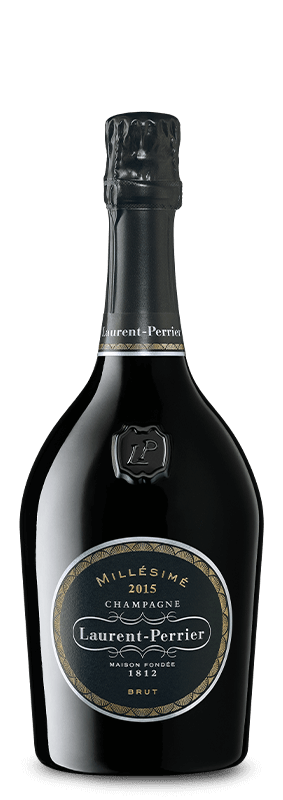
| Veal sweetbreads with honey, caramelized | Rosé champagne or vintage brut | Conversing with the sweet-savory dimension, accompanying the caramelized crust | Laurent-Perrier Cuvée Rosé or Laurent-Perrier Brut Millésimé 2015 / 2018 |
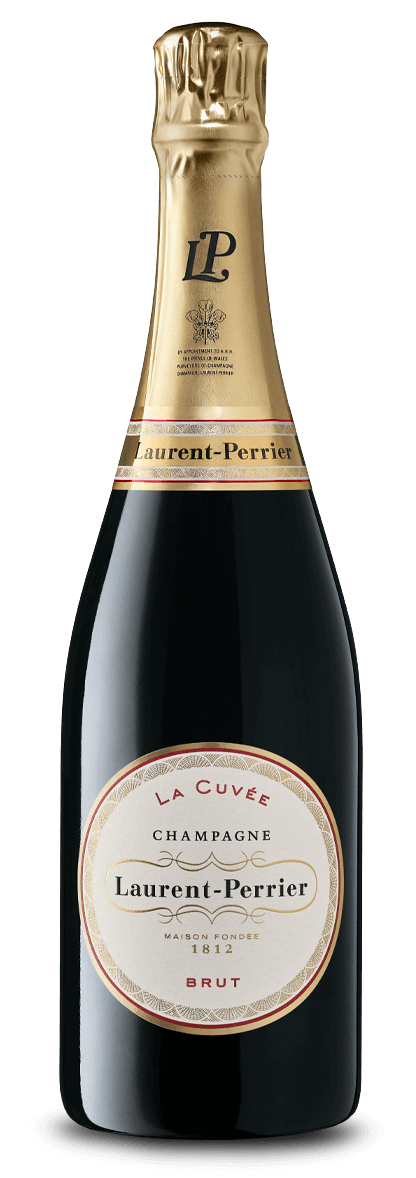
| Veal sweetbreads in a delicate creamy sauce | Balanced brut with a Chardonnay majority | Freshness, delicate fruit, complexity without heaviness | Laurent-Perrier La Cuvée (55% Chardonnay, 35% Pinot Noir, 10% Meunier) |
| Very rich veal sweetbreads (morels, jus, truffle) | Structured vintage champagne with relief | Aromatic depth, creamy texture, long finish | Laurent-Perrier Brut Millésimé 2015 or 2018 |
What to drink with veal sweetbreads?
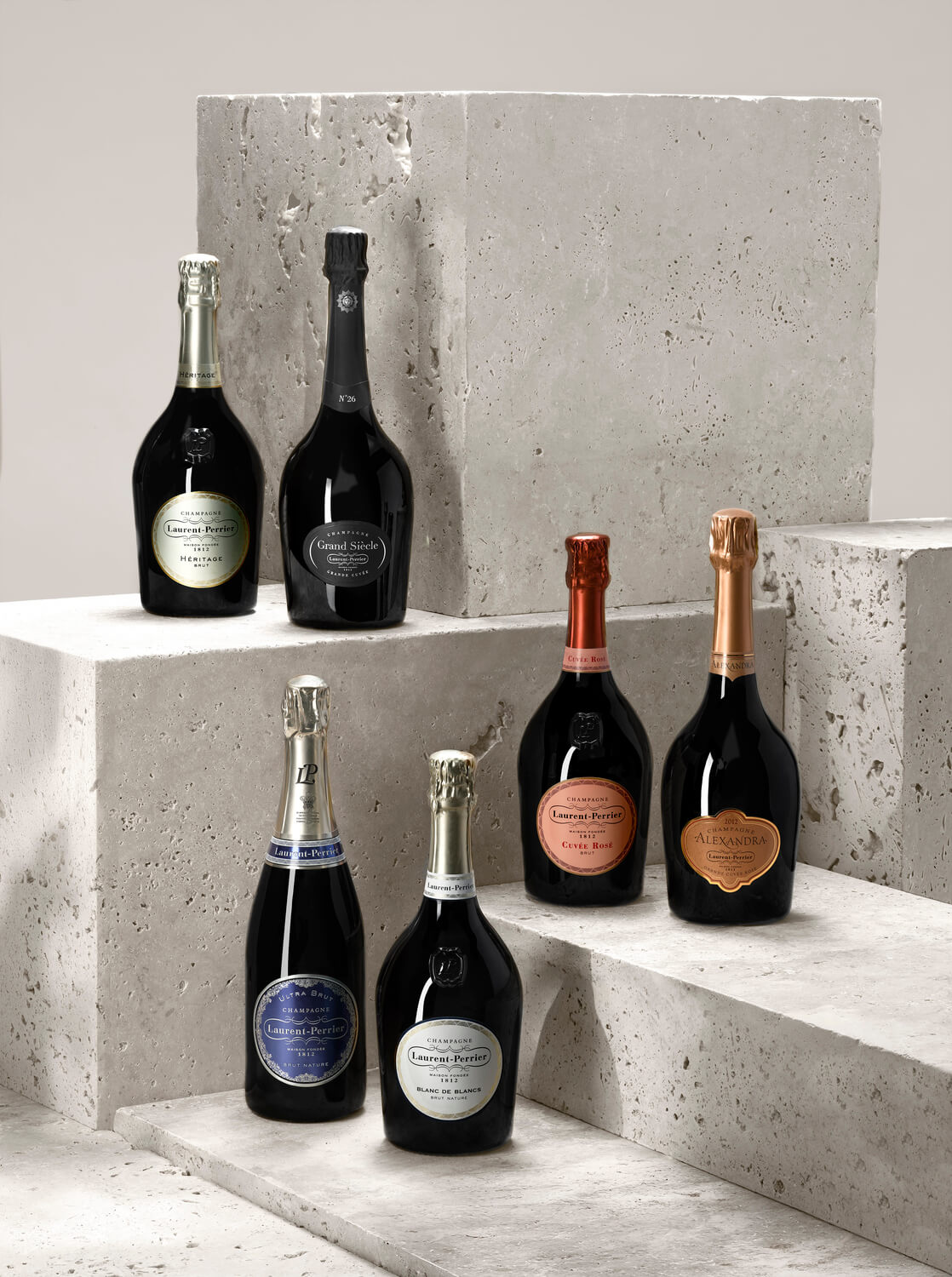
When one asks “What to drink with veal sweetbreads?”, one enters the very heart of French haute cuisine.
- – Structured white wines (great Burgundies, Loire Chenins, Rhône whites) offer the clearest pairings, playing on texture, hazelnut, butter, and freshness.
- – Delicate red wines, chosen with care, can create subtle pairings with certain preparations, especially those with mushrooms or a light caramelization.
- – Off-dry and dessert wines find their place with recipes specifically built around them.
- – Finally, champagnes – Blanc de Blancs, vintages, extra-brut, or maceration rosés – open the way to truly gastronomic pairings, where the finesse of the bubbles, minerality, and aromatic complexity elevate the unique softness of veal sweetbreads.
With Ultra Brut, Blanc de Blancs Brut Nature, La Cuvée, the Brut Millésimés, and Cuvée Rosé, the Laurent-Perrier House offers a range of champagnes capable of accompanying every variation of veal sweetbreads, from the most pared-back to the most sophisticated, for pairings that combine elegance, precision, and pleasure.