Refined, delicate, and defined by great aromatic purity, sushi represents one of the most subtle expressions of Japanese gastronomy.
Behind its apparent simplicity lies centuries of know-how, extreme rigor, and a constant pursuit of balance.
Faced with this culinary culture where umami, minerality, freshness and precision dominate, a natural question arises:
What to drink with sushi?
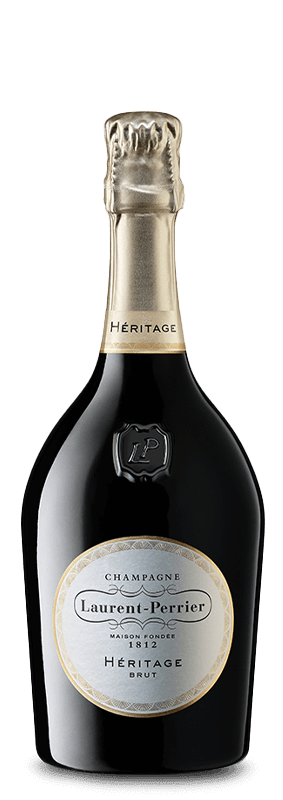
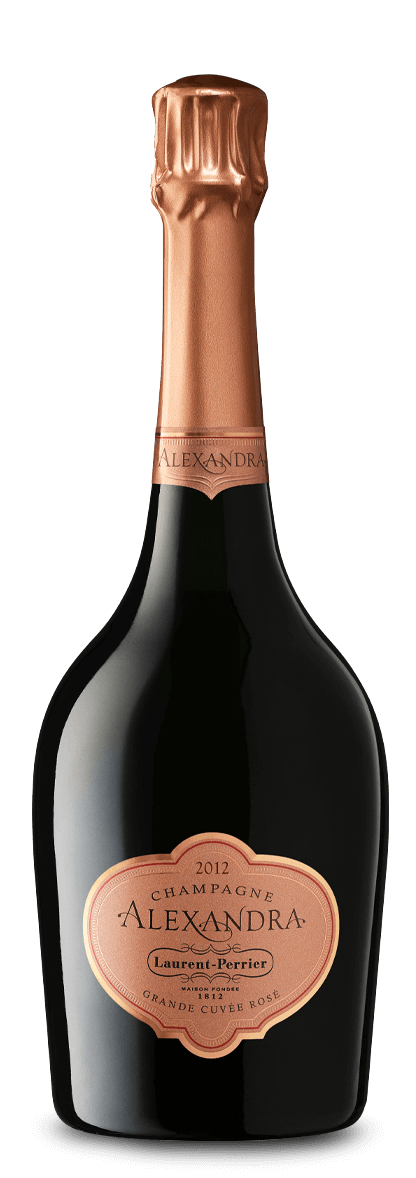
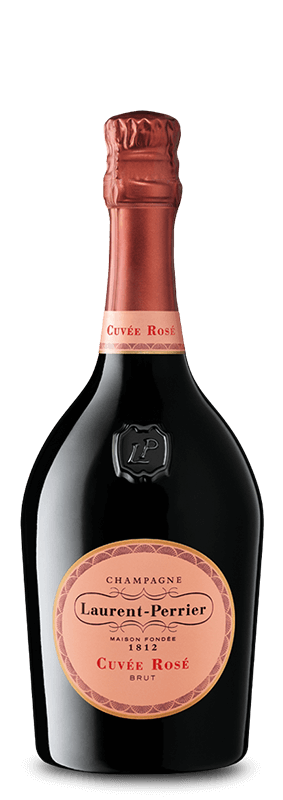
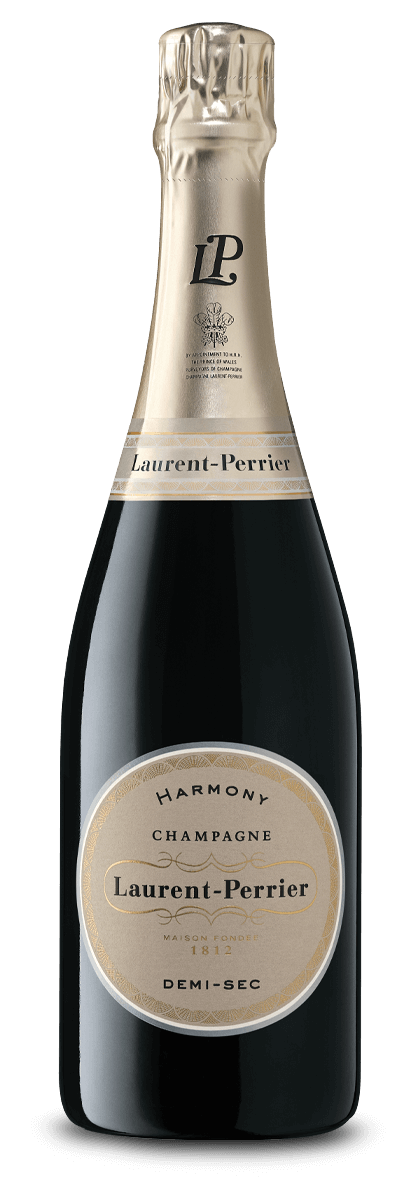
Taut white wines, more aromatic wines, delicate reds, orange wines… and of course, Laurent-Perrier champagnes, whose fine bubbles and aromatic brilliance resonate beautifully with Japanese flavors.
Understanding Sushi: A Tradition of Precision
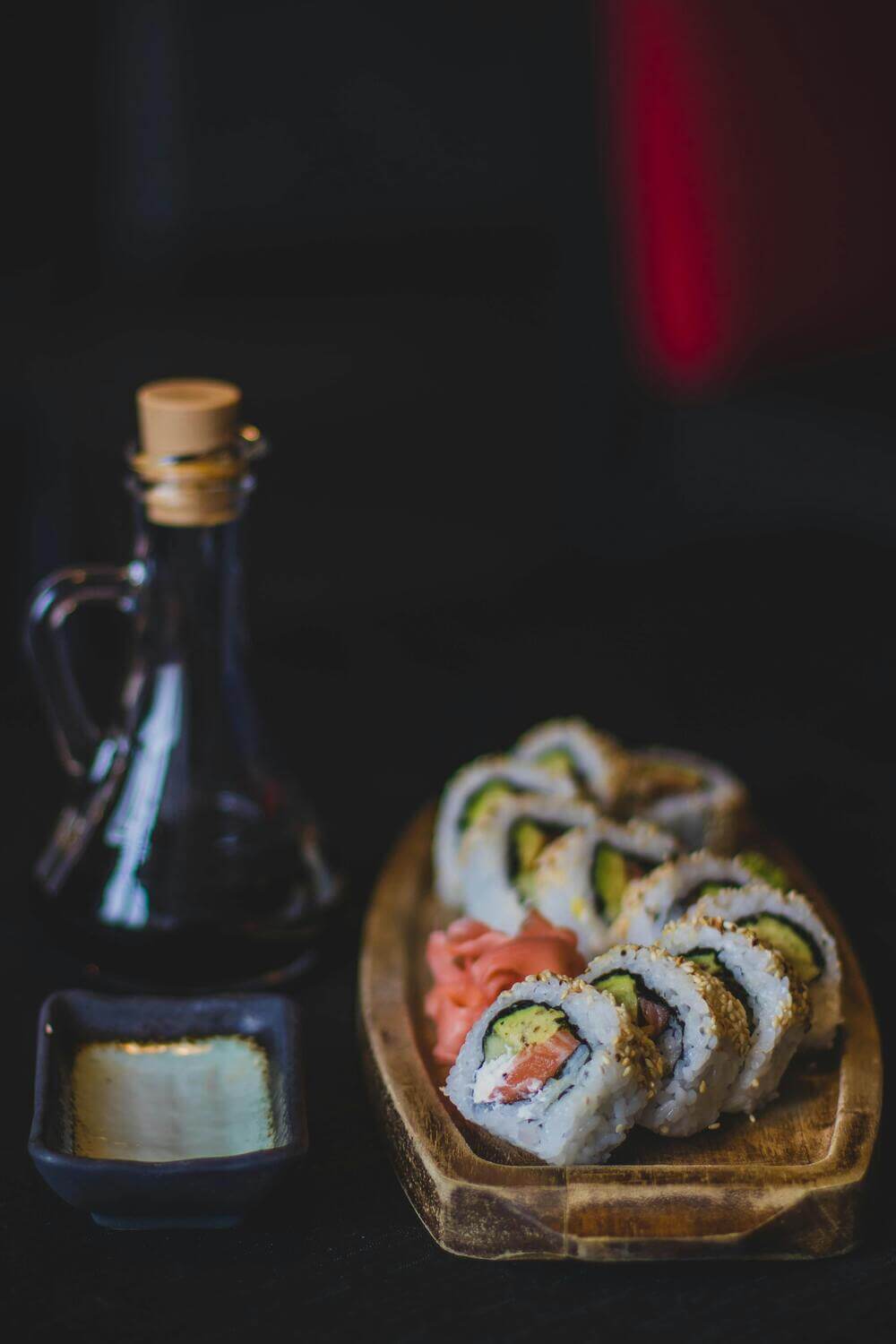
Who Prepares Sushi? The Role of the Itamae
Sushi-making is entrusted to the Itamae, literally “in front of the board.”
This sushi master is one of the most respected professions in Japan, having undergone:
– Over 10 years of apprenticeship,
– Extremely rigorous technical training,
– Mastery of knife skills, fish knowledge, rice cooking, and flavor balance.
In high-end establishments (sushiya), sushi is a ritual, served piece by piece directly at the counter.
Which Fish Are Used in Sushi?
Itamae select fish based on season, freshness, origin, and texture. Common varieties include:
| Japanese Name | French Name | Type | Flavor / Use Notes |
|---|---|---|---|
| Maguro | Bluefin / Albacore Tuna | Fatty fish | Noble cuts, mainly nigiri and maki |
| Chutoro | Medium-fat Tuna | Fatty fish | Central cut, very delicate |
| Otoro | Very Fat Tuna | Very fatty fish | The most luxurious tuna part |
| Sake | Salmon | Fatty fish | Popular in Europe and the U.S. |
| Suzuki | Sea Bass | White fish | Firm, delicate, ideal for nigiri |
| Tai | Sea Bream | White fish | Considered celebratory fish |
| Hamachi | Yellowtail | Medium-fat fish | Very high umami, melting texture |
| Engawa | Turbot Fin | Premium cut | Crunchy and rare |
| Ika | Squid | Cephalopod | Very delicate, cut with precision |
| Tako | Octopus | Cephalopod | Tenderized according to traditional methods |
| Ebi | Shrimp | Crustacean | Often cooked or marinated |
| Amaebi | Sweet Shrimp | Crustacean | Served raw, silky texture |
| Hotate | Scallops | Mollusk | Sweet, very delicate |
| Saba | Mackerel | Fatty fish | Usually marinated (shime-saba) |
| Unagi | Grilled Eel | Freshwater fish | Lacquered, served hot |
| Anago | Sea Eel | White fish | More delicate than unagi |
Other fish (bonito, grouper, jack mackerel) may also be used, depending on the Itamae’s inspiration and season.
How Are Sushi Prepared?
Rice: The Heart of Sushi
Sushi rice (shari) is seasoned precisely with:
- – rice vinegar,
- – salt,
- – sugar,
- – sometimes kombu seaweed.
Each Itamae has their own signature style.
Fish Cutting: The Decisive Gesture
Fish is sliced according to its grain, fat content, and the type of sushi.
Main cuts include:
- – Hira-zukuri: classic straight slice.
- – Sogi-zukuri: thin angled slice.
- – Kaku-zukuri: regular cubes.
- – Usu-zukuri: paper-thin slice, nearly translucent.
The cut affects texture, fat sensation, and the tasting experience.
Types of Sushi
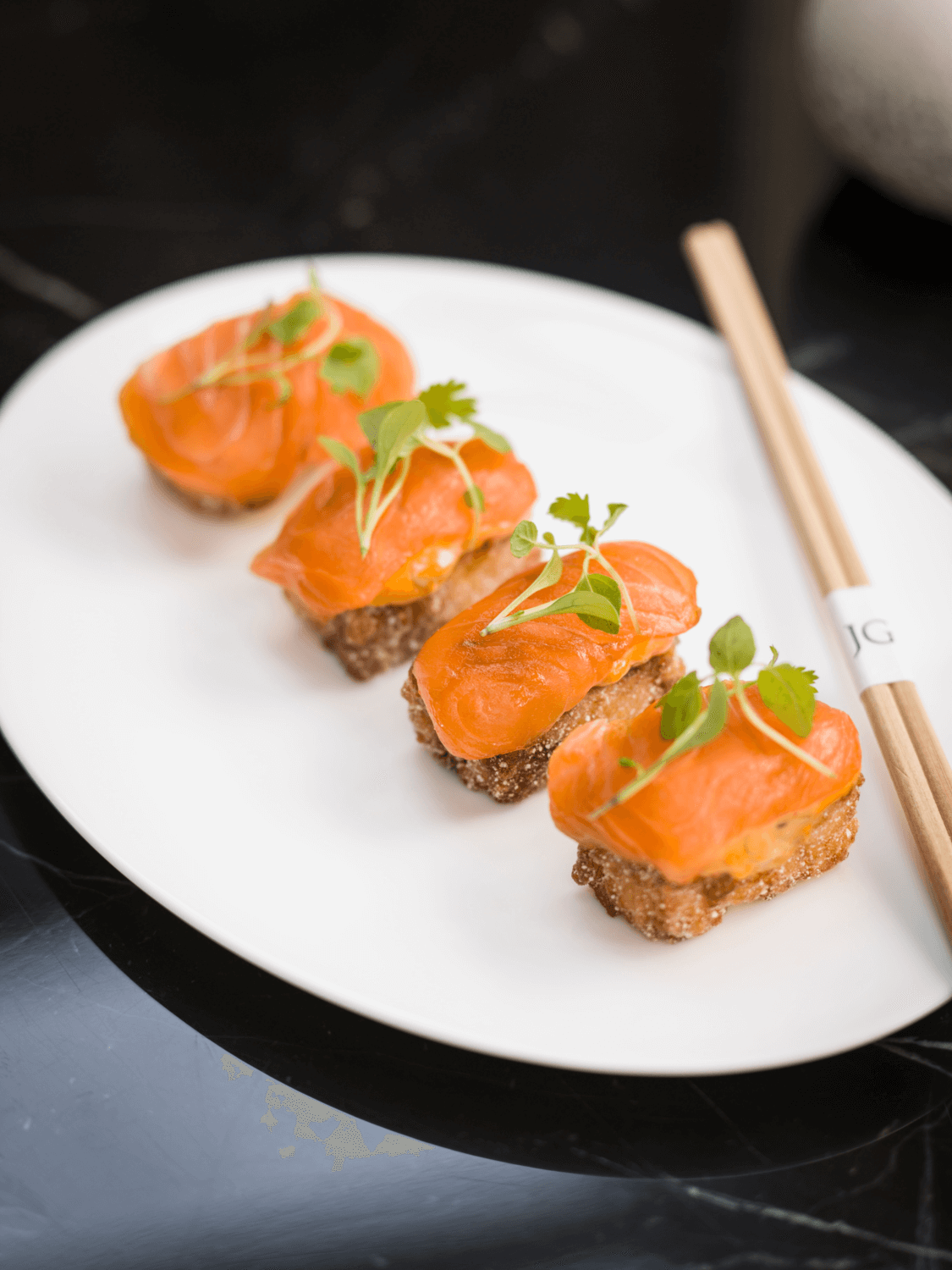
- – Nigiri: hand-shaped rice with fish on top.
- – Maki: rolled in nori seaweed.
- – Uramaki: inside-out rolls, rice on the outside.
- – Futomaki: thick rolls, often vegetable-heavy.
- – Temaki: hand-rolled cones.
- – Gunkan: “battleship” sushi, topped with roe or tartare.
- – Sashimi: raw fish without rice (not sushi).
Key Difference:
Sushi always has rice; sashimi does not.
How to Enjoy Sushi
- Temperature: Sushi should be eaten at cool room temperature. Rice should remain slightly warm, fish slightly chilled.
- Hands or Chopsticks? Nigiri is traditionally eaten with fingers; sashimi with chopsticks.
- Soy Sauce: Dip fish, not rice.
- Ginger: Cleanse the palate between pieces, never put on sushi.
- Meal Quantity: 12–20 pieces, sometimes complemented with miso soup, pickles, or a warm dish
Sushi Restaurants in Japan
- – Sushiya: high-end traditional restaurants.
- – Kaiten-zushi: conveyor-belt sushi.
- – Izakaya: casual taverns, occasional sushi.
Omakase Menu
Omakase means: “I leave it to the chef.”
The Itamae serves the freshest fish piece by piece, based on inspiration.
It’s the Japanese equivalent of a tasting menu, but with a unique ritualistic and poetic dimension.
Champagne & Sushi: An Exceptional Match
Why Champagne Works with Sushi
- – its origin: exclusively from the Champagne region, often on chalky soils,
- – its traditional method with a second fermentation in the bottle,
- – extended minimum aging,
- – signature minerality and freshness,
- – effervescence that brings energy, lift, and aromatic definition.
How Bubbles Elevate Sushi ?
- – It cleanses the palate between bites.
- – It cuts through the fatty texture of fish (salmon, tuna).
- – It balances the salt of soy sauce and the brightness of ginger.
- – It complements umami, a pillar of Japanese cuisine.
What to Drink with Sushi? Ideal Wines
White Wines
- – Chablis: crisp, mineral, precise → perfect with white fish, shrimp, sashimi.
- – Dry Riesling (Alsace, Moselle, Rheingau): tension, elegance → ideal with sea bream, scallops, white tuna.
- – Sancerre / Pouilly-Fumé: citrus, fresh herbs → excellent for tuna, salmon, spicy maki.
- – Aromatic whites: demi-sec Riesling enhances salmon and spiced sauces.
Red Wines: Rare but Possible
Red wine contains iron, which can create a metallic taste with raw fish. Favor:
- Very light, low-tannin reds, delicate aromas, e.g.:
- Pinot Noir from Alsace
- Anjou red, soft and supple
Orange Wines: The Bold Pairing
Orange wines bring:
- – Great with fatty fish (tuna, salmon), soy or ponzu sauces, spicy sushi.
- – Bright acidity, subtle tannins, notes of candied citrus, dried fruits, and spices.
Champagne: The Exceptional Pairing
In Tokyo, top sushi restaurants often pair Brut or Blanc de Blancs Champagne with sushi.
The fine bubbles, minerality, and freshness complement Japanese textures and flavors beautifully.
Laurent-Perrier Champagnes for Sushi
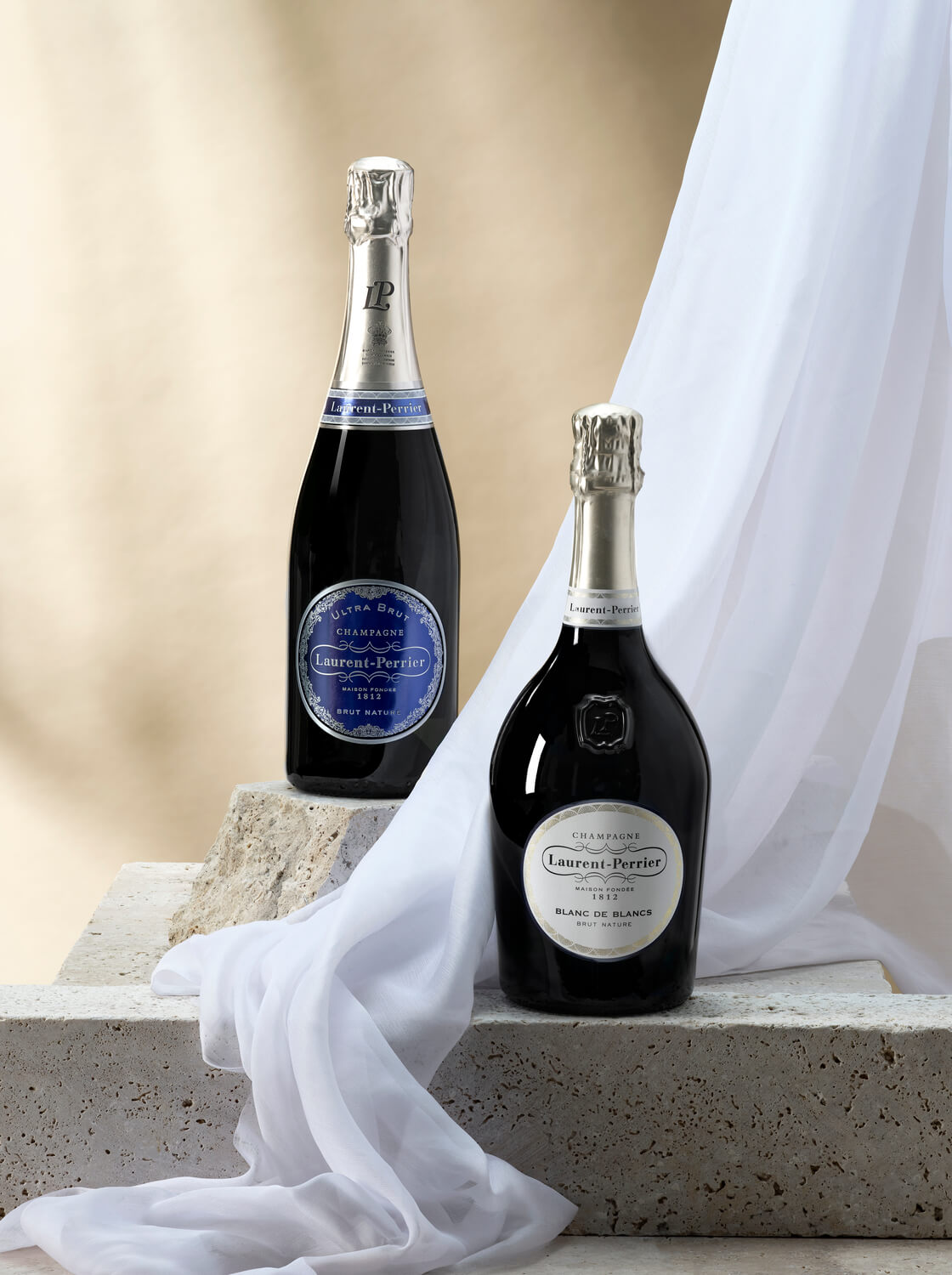
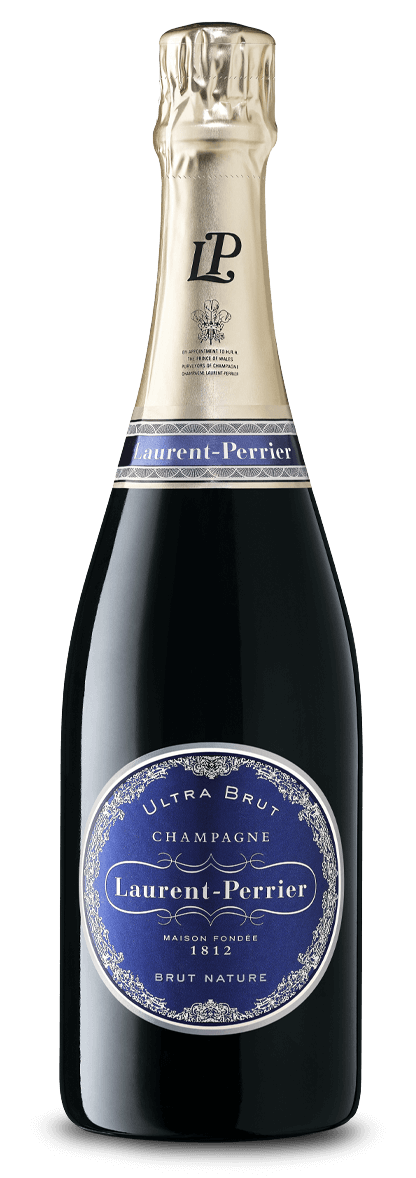
Ultra Brut – The Purest Pairing
- – Non-dosage champagne (invented by Laurent-Perrier).
- – Ideal with: sea bream, sea bass, mackerel, scallops, lemon sushi, sashimi.
- – Blend: 55% Chardonnay, 45% Pinot Noir.
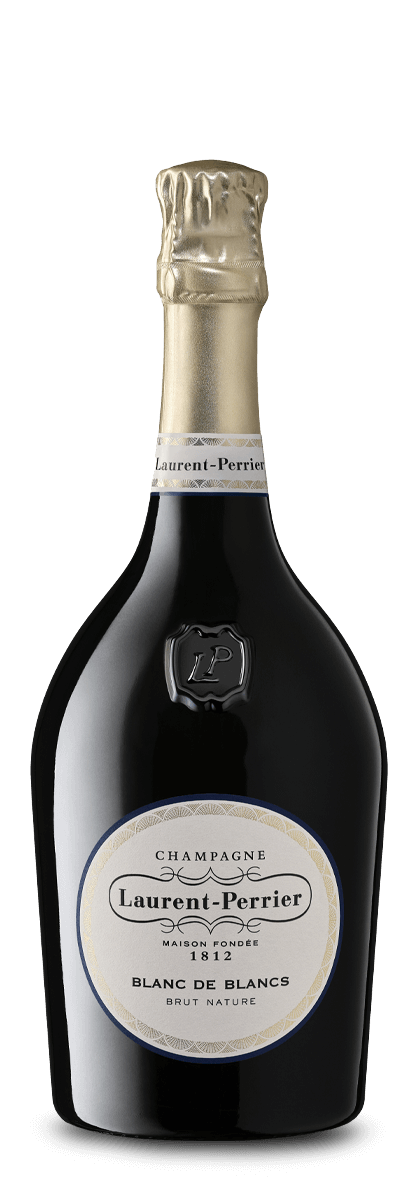
Blanc de Blancs Brut Nature – Crystal Tension
- – 100% Chardonnay, zero dosage.
- – Great with delicate fish: tai, sea bass, turbot.
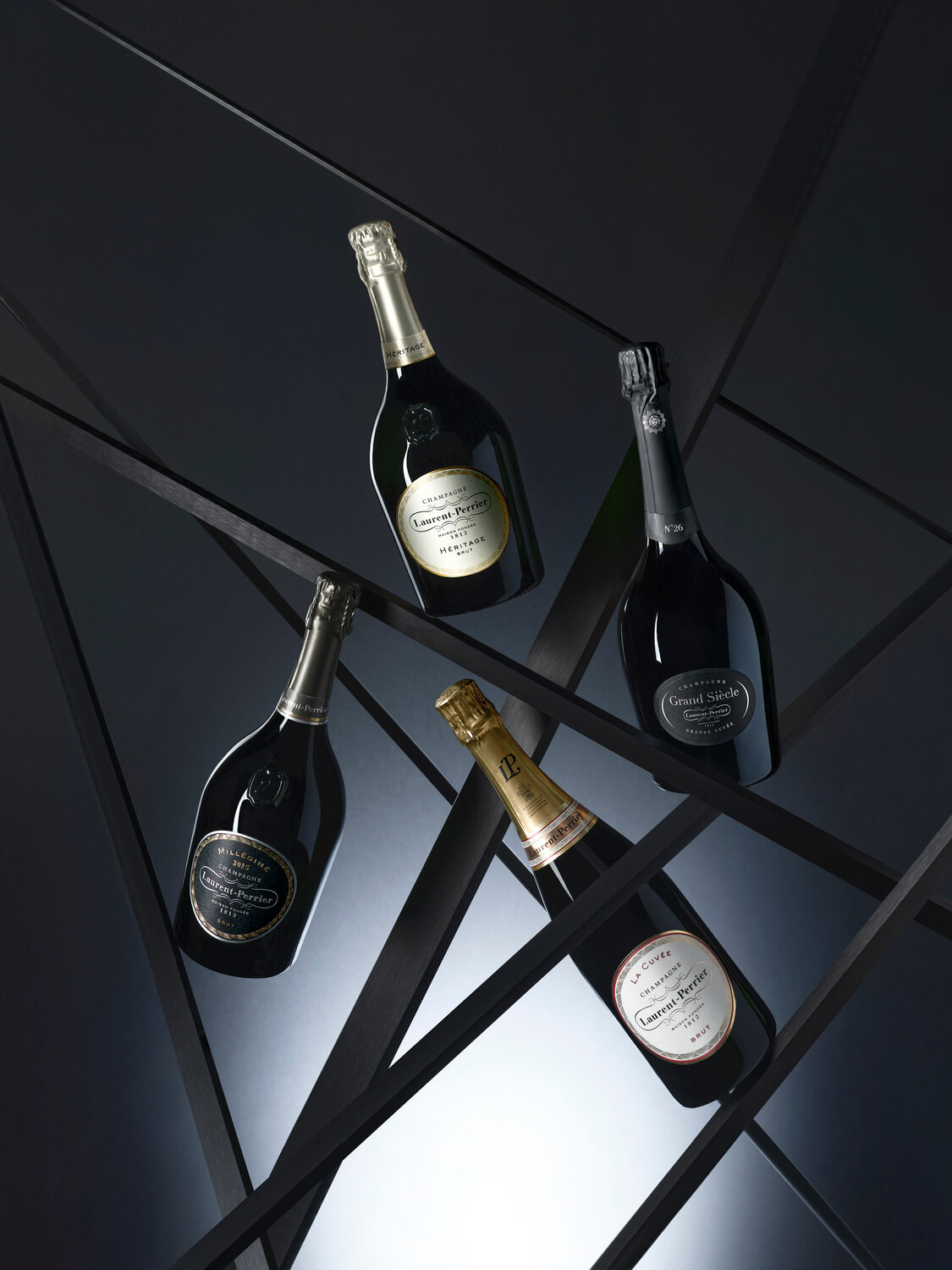
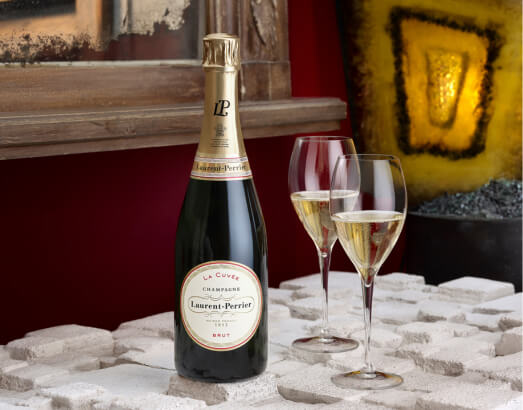
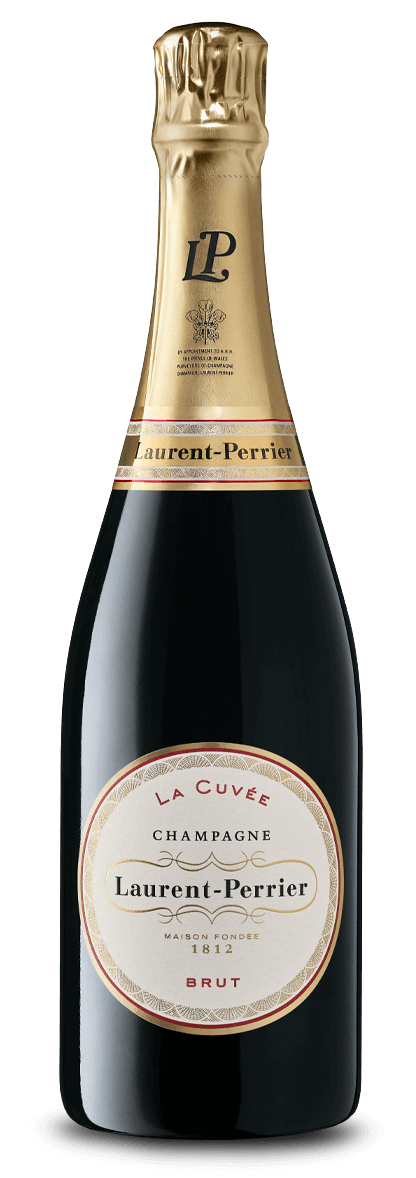
La Cuvée – Universal Pairing
- – 55% Chardonnay, 35% Pinot Noir, 10% Meunier.
- – Fresh, balanced, fine, aged 4 years on lees.
- – Excellent with salmon, varied maki, tuna nigiri, California rolls.
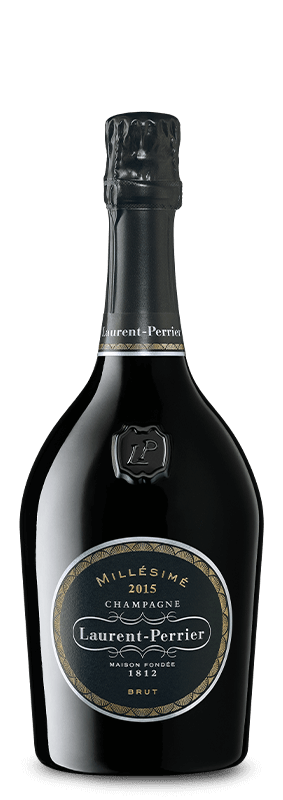
Brut Millésimé 2015 & 2018 – For Gastronomic Sushi
- – More power and structure.
- – Great with sushi served with ponzu, rich marinades, or a slight spice.
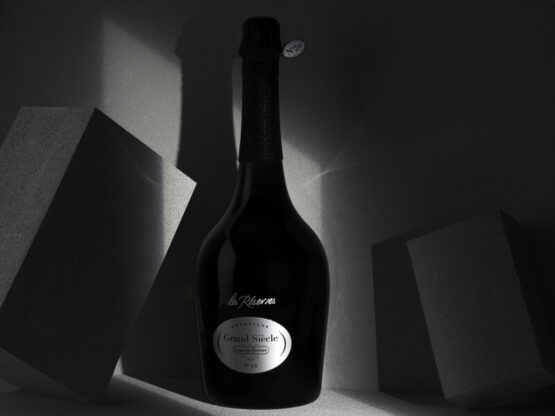
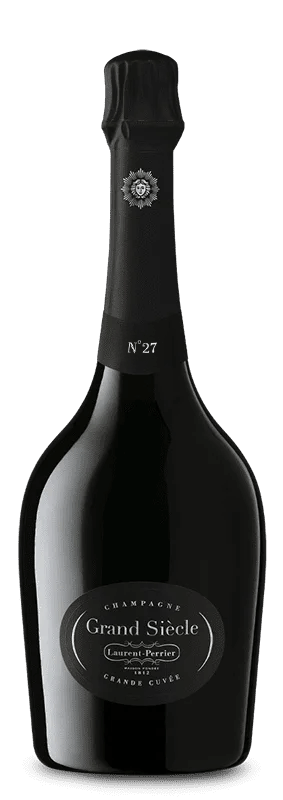
Grand Siècle Iteration No.26 or No.27 – Exceptional Pairing
- – For high-end sushi dinners: otoro, salmon roe gunkan, scallop sashimi, truffle or caviar sushi.
- – Blends three exceptional years, combining youth freshness with mature complexity.
Conclusion: Elevate Your Sushi Experience
Asking “What to drink with sushi?” is an exploration of delicacy, precision, and balance.
In this universe, Champagne—with its freshness, minerality, and effervescence—emerges as a natural partner.
With Ultra Brut, Blanc de Blancs Brut Nature, La Cuvée, Millésimés, and Grand Siècle, Laurent-Perrier offers an aromatic palette capable of enhancing:
- The purity of raw fish,
- The delicate seasoned rice,
- Umami of soy sauce,
- The richness of fatty tuna,
- Lightness of traditional sushi,
- Boldness of contemporary creations.
A perfect dialogue between Japanese excellence and French elegance.