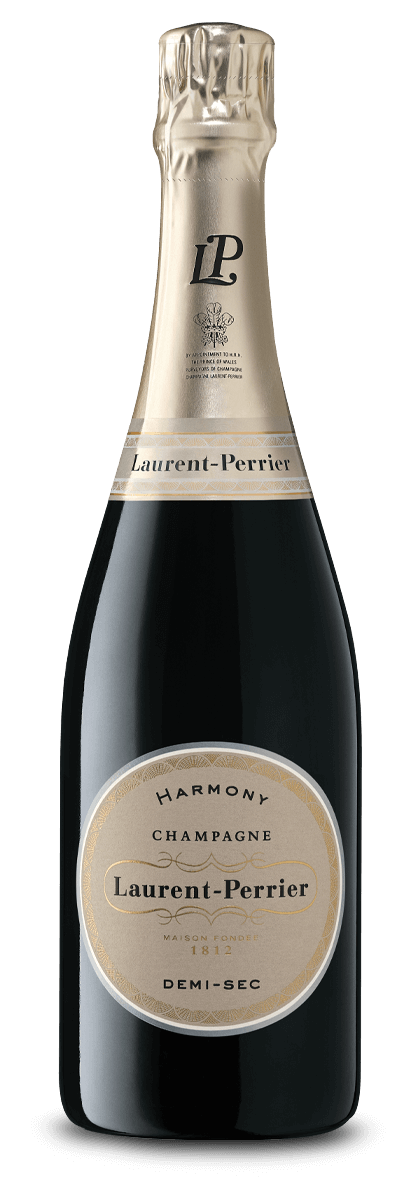
Tasting oysters is a unique gastronomic experience, combining briny freshness, delicate texture, and the authenticity of the marine terroir. But when faced with this exceptional product, a question often arises: what to drink with oysters?
While some dry white wines such as Muscadet, Chablis, or Sancerre are traditionally served, champagne stands out as the most refined pairing. The challenge is to know which type of cuvée to choose and how to adapt the pairing depending on the oyster variety and the recipe.
Laurent-Perrier guides you through this subtle art: discover the different types of oysters, why champagne is the ideal companion, original recipes, and practical tips.
Understanding Oysters: Size, Origin, and Labels
Sizes: texture and dimensions
Oysters are classified by size, from 0 to 5:
- – Size 0 & 1: very large, meaty oysters, perfect for cooking (gratin, poached, stuffed).
- – Size 2 & 3: medium format, ideal raw, offering a balance between meatiness and briny freshness.
- – Size 4 & 5: small, delicate oysters, ideal for refined tastings.
Size directly influences food and wine pairing: a meaty oyster can handle a more structured champagne, while a delicate small oyster demands a clean, crystalline wine.
Origins: diverse marine terroirs
- – Brittany (Cancale, Quiberon, Morbihan): powerful, iodized oysters, ideal with crisp, sharp champagnes.
- – Normandy (Utah Beach, Isigny, Cotentin): generous, soft flesh, pairing well with balanced champagnes.
- – Marennes-Oléron: matured in “claires”, soft and balanced, perfect for long tastings.
- – Belon (southern Finistère): rare flat oysters, characteristic nutty flavor; they require elegant champagnes with complexity.
Importance of labels:
- – Label Rouge: guarantees superior taste quality.
- – PGI / PDO: origin certification, a true reflection of the terroir.
- – Organic: respect for the environment and natural growth cycles.
Why Champagne is the Ideal Pairing with Oysters
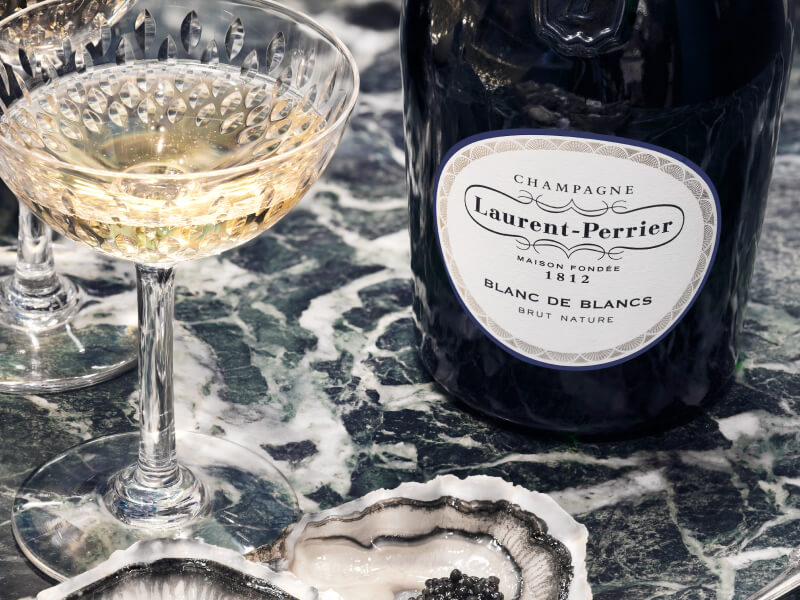
Pairing oysters and champagne is not only tradition; it is almost instinctive.
- – The liveliness of the bubbles: awakens the palate and lightens the oyster’s texture.
- – The wine’s acidity: balances salinity and highlights briny freshness.
- – Minerality: particularly in Chardonnay-based champagnes, complementing marine minerality.
- – Aromatic purity: citrus, white flowers, chalky notes, enhancing oyster finesse.
For raw oysters, low-dosage champagnes (Brut Nature or Extra Brut) reveal the best match. For gratinated or cooked oysters, more structured cuvées provide balance and depth.
Three Oyster Recipes & Their Laurent-Perrier Pairings
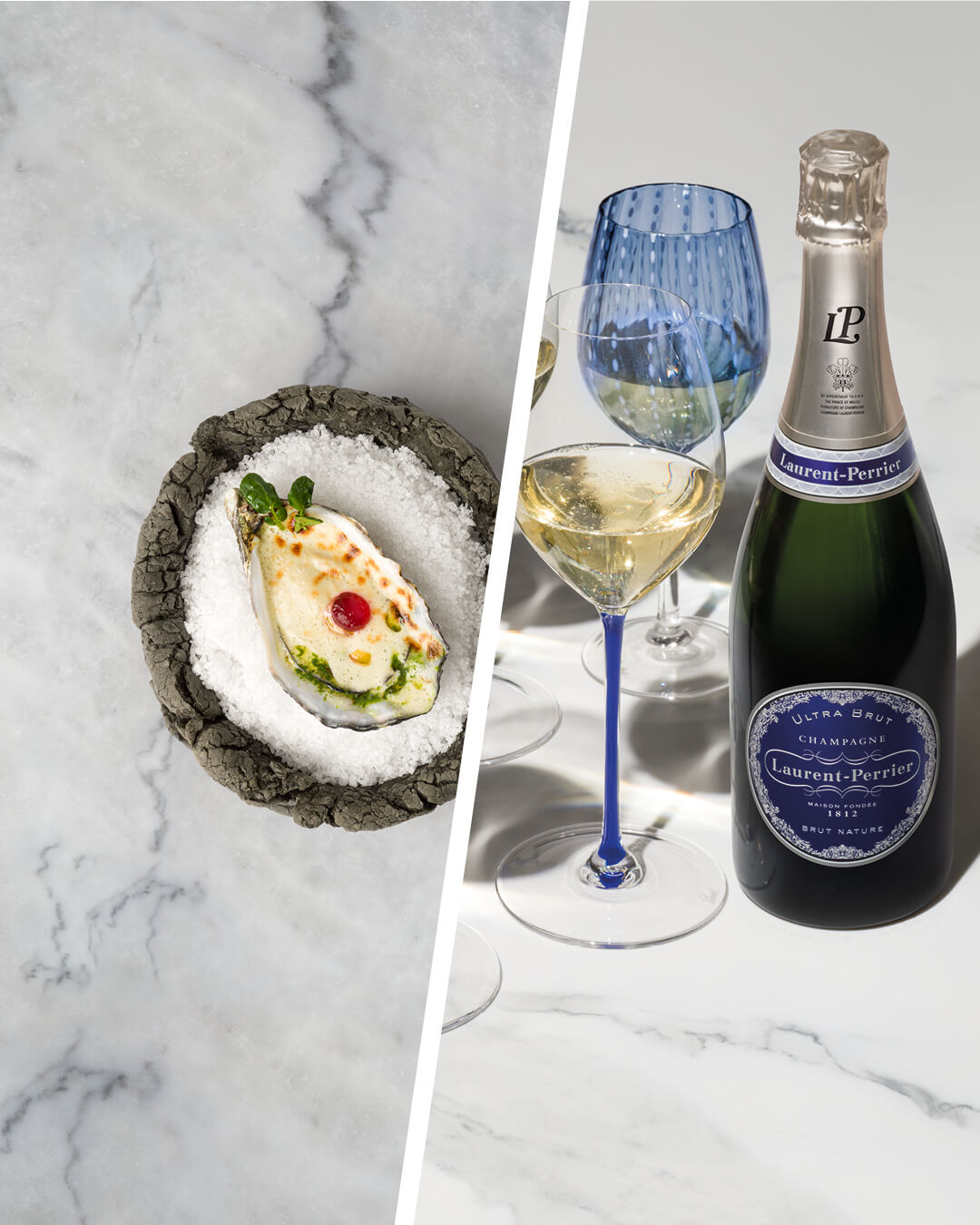
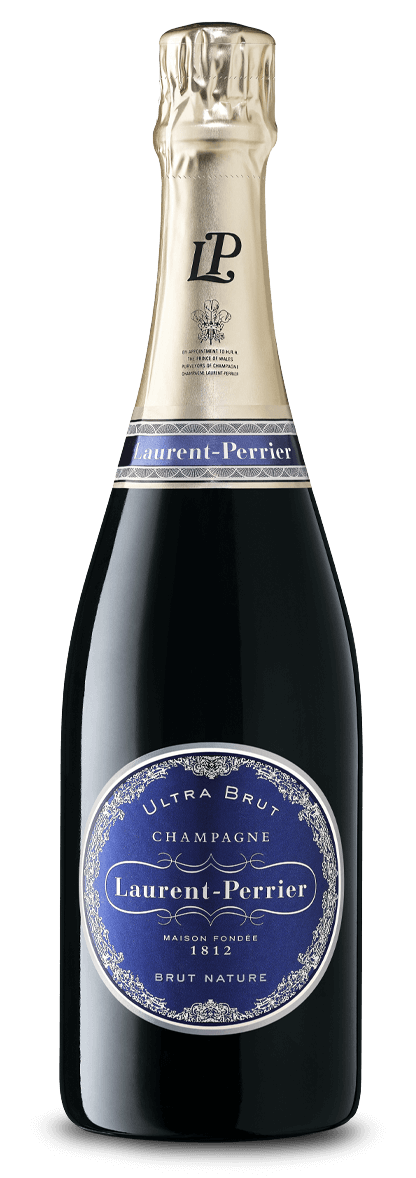
Raw oysters, three subtle accompaniments & Laurent-Perrier Ultra Brut
Raw oysters invite purity. Here are three original accompaniments:
- 1 — Classic shallot vinegar: tangy, awakens the palate.
- 2 — Julienned black radish & black sesame seeds: crunchy and lightly spicy.
- 3 — Chorizo & freshly squeezed orange juice: bold land–sea pairing with a fruity twist.
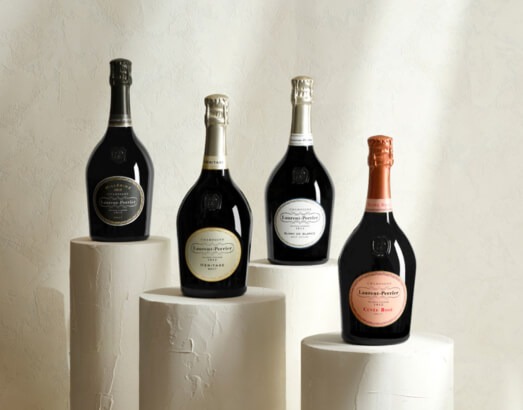
With these contrasting flavors, Laurent-Perrier Ultra Brut, with its mineral purity and precise expression, creates a pairing of rare elegance.
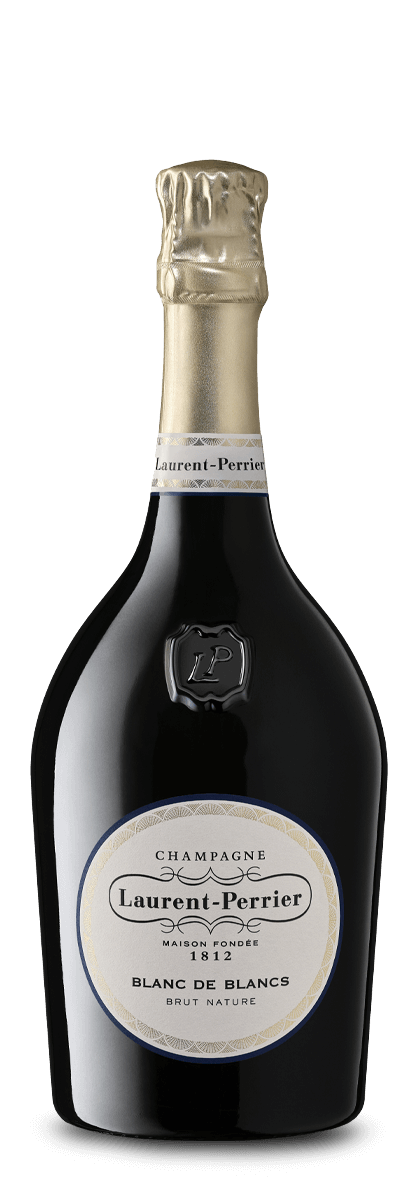
Gratinated oysters with champagne & Laurent-Perrier Blanc de Blancs Brut Nature
A festive recipe showcasing oyster indulgence.
Recipe:
- 1 — Open and place oysters in their shells.
- 2 — Prepare a light champagne sauce (shallots, cream, a splash of champagne). You can use an older champagne or one opened for several days.
- 3 — Pour over the oysters, sprinkle with breadcrumbs.
- 4 — Gratinate a few minutes under the grill.
Laurent-Perrier Blanc de Blancs Brut Nature, 100% Chardonnay, intense and pure, perfectly accompanies the creamy texture and aromatic richness.
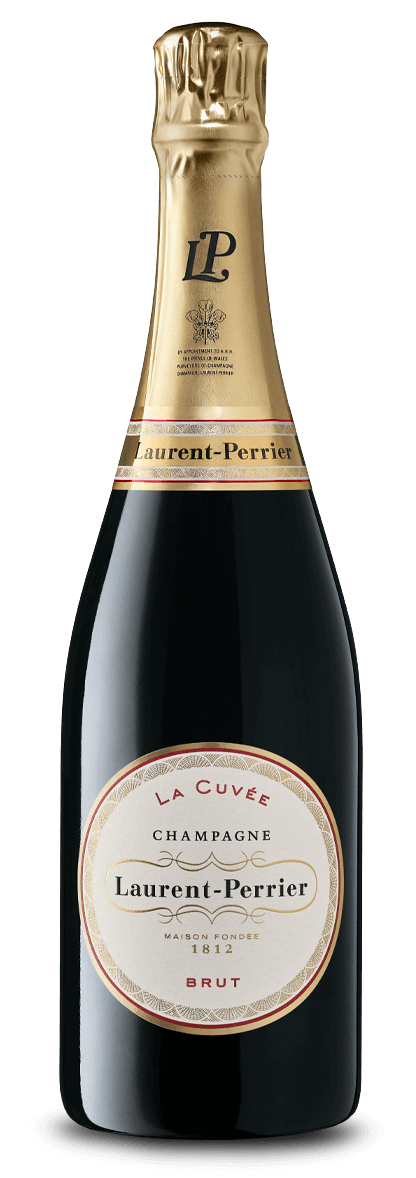
Beef tartare with oysters & Laurent-Perrier “La Cuvée”
This land–sea marriage is surprising and refined: the delicate power of beef meets the briny freshness of the oyster.
Preparation:
- 1 — Prepare the meat: slice beef fillet into strips, finely chop for texture, and refrigerate.
- 2 — Emulsify the mayonnaise: whisk a yolk with mustard, then slowly add oil to obtain a smooth mayonnaise.
- 3 — Prepare the garnishes: chop capers; peel and finely dice shallots.
- 4 — Work the oysters: open over a sieve to filter the water; roughly chop each oyster into 2–3 pieces without overworking to preserve texture.
- 5 — Combine: mix the beef, mayonnaise, capers, shallot, oyster water, and chopped oysters. Season lightly (oyster brings natural saltiness).
- 6 — Plate: use a ring mold for an elegant presentation. Serve immediately.
Laurent-Perrier “La Cuvée”, with its elegant structure and balanced notes, links the beef’s power with the oyster’s delicate freshness.
How to Open Oysters Easily
Opening oysters can seem intimidating, but it’s simple with technique:
- 1 — Use an oyster knife and a thick cloth.
- 2 — Hold the oyster firmly, curved side down.
- 3 — Insert the blade at the hinge, gently lever.
- 4 — Cut the adductor muscle and remove the top shell.
- 5 — Drain the first water, let the oyster settle with its second water.
Tip: wear a protective glove for safety.
How to Serve Oysters
At what temperature to serve an oyster platter?
Serving oysters at the correct temperature is essential: fresh but never icy. A platter left too long on crushed ice (over 30 minutes) makes oysters too cold, masking subtle flavors—just like wine served too cold, it loses character.
Should you add lemon to oysters?
Lemon is a matter of taste. Citrus acidity softens the briny side, which some guests enjoy. Purists consider it almost sacrilegious: lemon masks the oyster’s natural delicacy. At Laurent-Perrier, pleasure comes first: enjoy if you like it! For pairings, choose champagne according to the oyster itself, not the added seasoning.
FAQ Which other wines go with oysters?
While champagne remains the most refined choice, some dry whites also pair well:
- – Muscadet Sèvre-et-Maine: lively, mineral, a classic with oysters.
- – Chablis: chalky Chardonnay, citrus, mineral tension.
- – Sancerre Blanc: fresh, fruity Sauvignon with herbal notes.
- – Pouilly-Fumé: smoky aromas, citrus, elegance.
- – Irouléguy Blanc (Basque Country): original and authentic.