What Defines a Good Champagne?
Good Champagne: Nature, Craftsmanship and Pleasure in Every Bottle
A good Champagne is far more than a festive sparkling wine or simple effervescence. It embodies the perfect alliance between an exceptional terroir, distinctive climate, and meticulous craftsmanship of the winemakers — true artisans of each Maison. Every bottle of Champagne tells a story: carefully tended vines, a precise harvest, and thoughtful blending to achieve balance between acidity, fruit, and length on the palate.
Champagne is produced exclusively in the eponymous region of France, where chalky soils, sun-exposed hillsides, and a temperate climate create ideal conditions for grape ripening. Whether from renowned Maisons or smaller producers, all select their crus carefully to ensure consistent quality, making each cuvée a special experience for wine lovers worldwide.
Terroir and Grape Varieties: The Foundation of a Good Champagne
The character of Champagne begins with the quality of its grapes from Grand Cru and Premier Cru vineyards, cultivated with ancestral know-how:
- – Chardonnay – finesse, elegance, floral and citrus aromas
- – Pinot Noir – structure, depth, power
- – Meunier – roundness, fruitiness, suppleness
The blend of these varieties in each cuvée reflects the Maison’s signature, ensuring harmony and individuality.
Rosé Champagnes add delicate fruitiness and freshness, ideal for convivial or festive moments, while Blanc de Blancs emphasize the elegance of white wine, and Blancs de Noirs showcase full-bodied intensity.
Examples of Good Champagnes: Laurent-Perrier
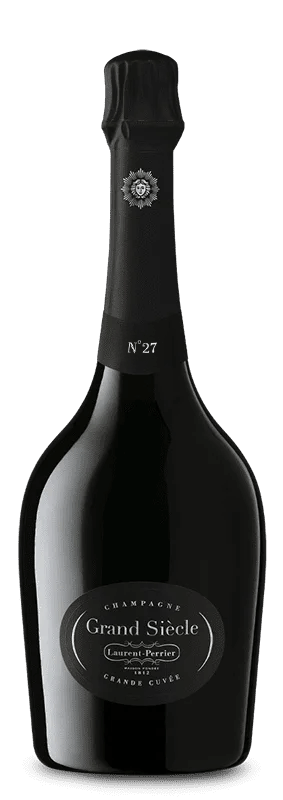
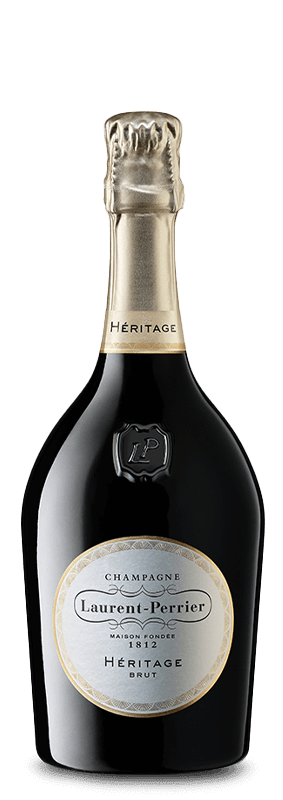
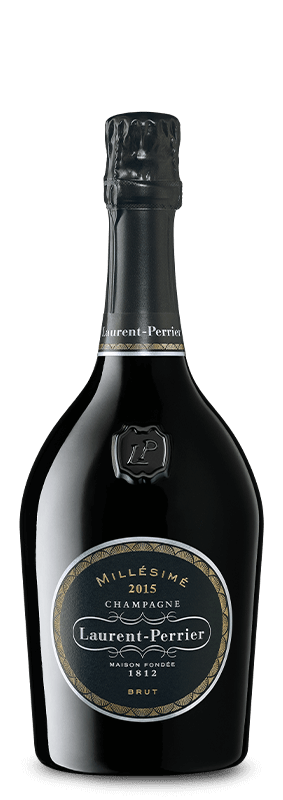
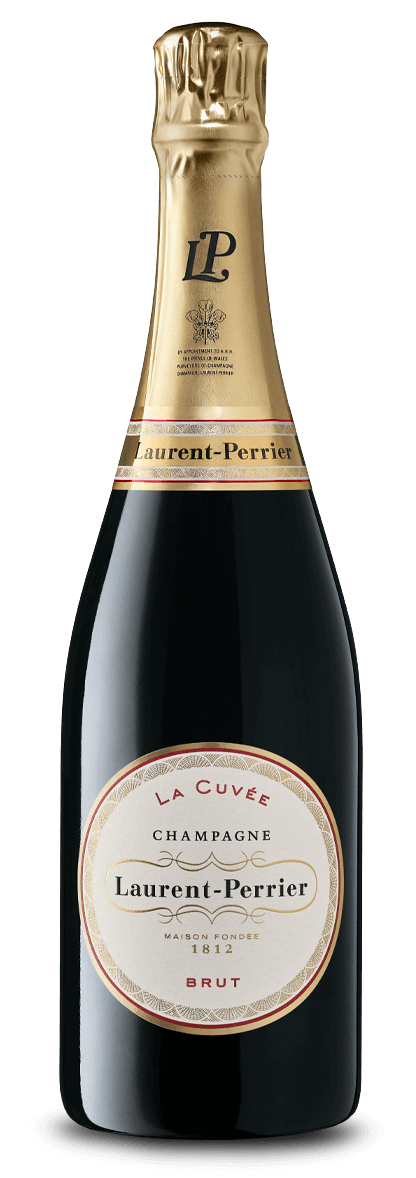
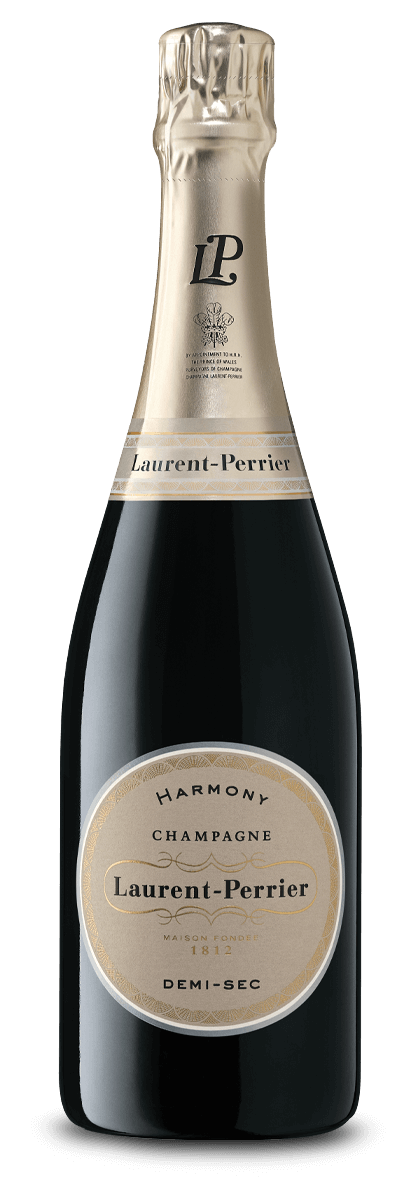
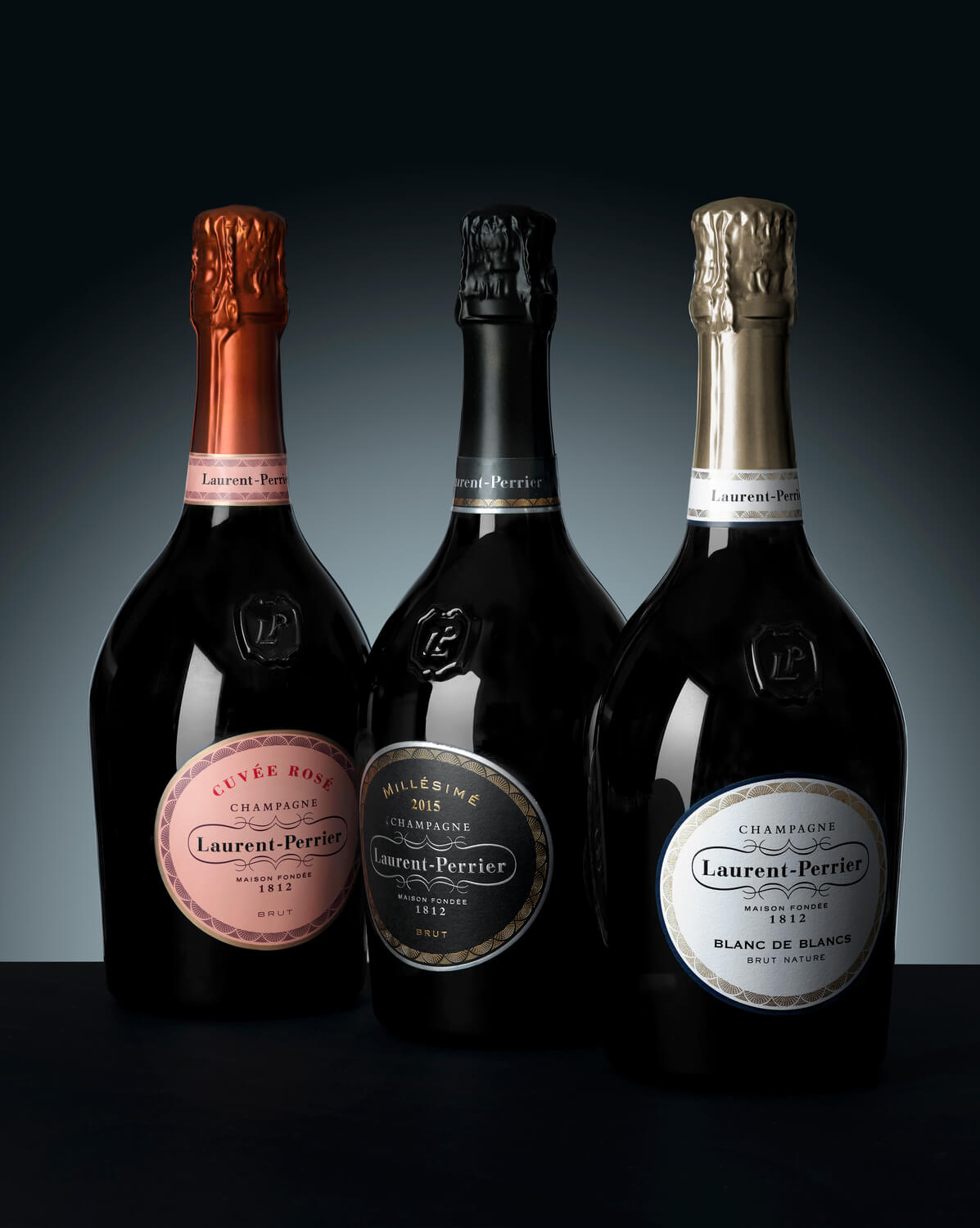
For those who love quality and pleasure, Laurent-Perrier offers emblematic bottles:
- – Brut – balanced, fine bubbles, the Maison’s signature; perfect for aperitifs or light meals
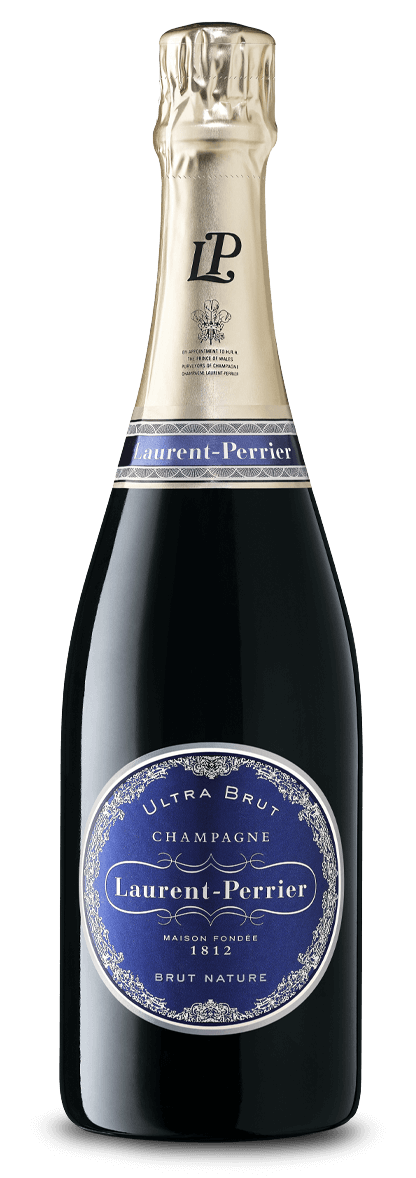
- – Ultra Brut – dry, natural, expressive style; for connoisseurs who appreciate finesse and purity
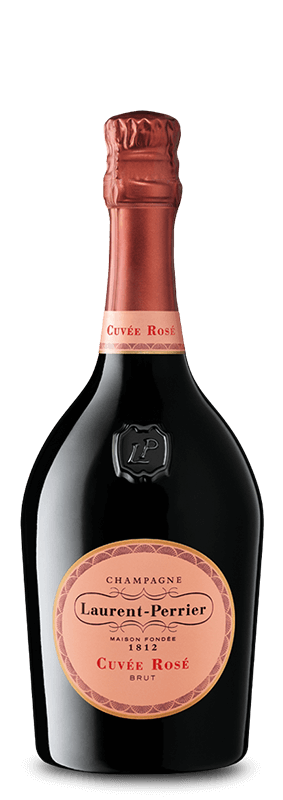
- – Rosé – fruity and delicate; ideal for desserts or special occasions
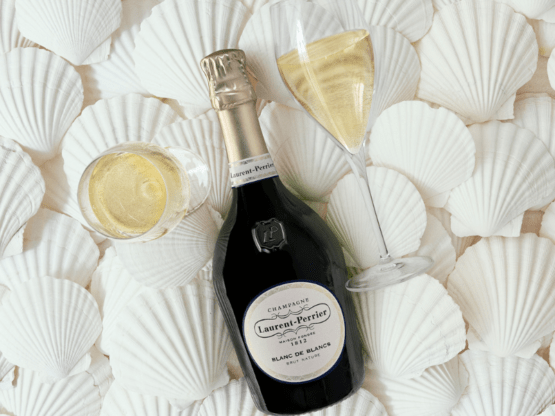
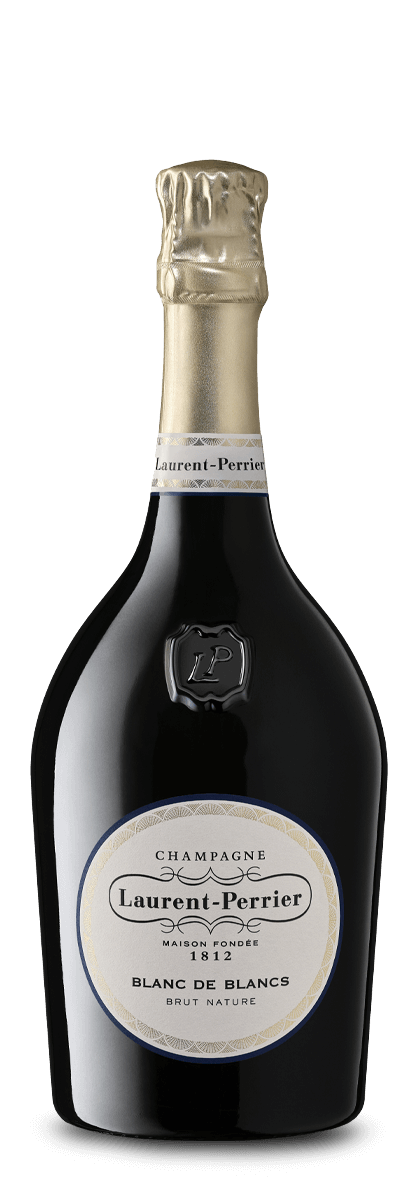
- – Blanc de Blancs – refined and elegant; perfect with seafood and delicate fish
These cuvées allow wine lovers to explore the craftsmanship of a great Maison without necessarily choosing expensive or vintage editions. Each bottle demonstrates the skill, patience, and care devoted to its creation.
Comparison of Champagne Styles
To better understand the differences and choose according to the occasion, here is a summary table:
| Type | Main Grapes | Style / Characteristics | Ideal Occasions |
|---|---|---|---|
| Non-Vintage Brut | Chardonnay, Pinot Noir, Meunier | Balanced, consistent, refined | Aperitif, casual meals |
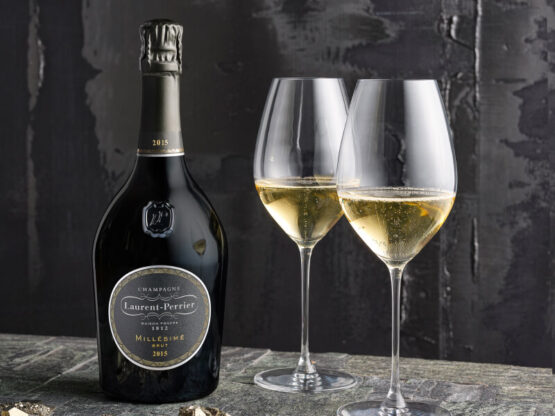
| Vintage | Chardonnay, Pinot Noir | Powerful, single-year expression | Celebrations, gourmet dishes |
| Blanc de Blancs | Chardonnay only | Light, elegant, floral | Seafood, fine fish |
| Blanc de Noirs | Pinot Noir, Meunier | Structured, intense, deep | White meats, roasted poultry |
| Rosé / Brut Rosé | Pinot Noir + Chardonnay + maceration | Fruity, lively, festive | Desserts, charcuterie, festive moments |
Craftsmanship and Expertise
Every stage of production contributes to excellence:
- – Hand-harvesting and careful grape selection
- – Gentle pressing for the purest juice
- – Controlled fermentation to preserve acidity and fruit
- – Blending wines from different parcels and years for harmony
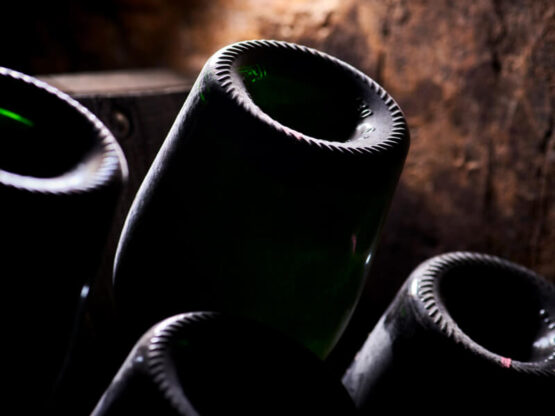
- – Extended ageing on lees for finesse
- – Final dosage according to style: Brut, Extra Brut, Demi-Sec
A good Champagne stands out because of this attention to detail, patience, and the Maison’s passion. Even the bottle of Champagne and presentation reflect refinement and emotion.
Recognizing a Good Champagne on the Palate
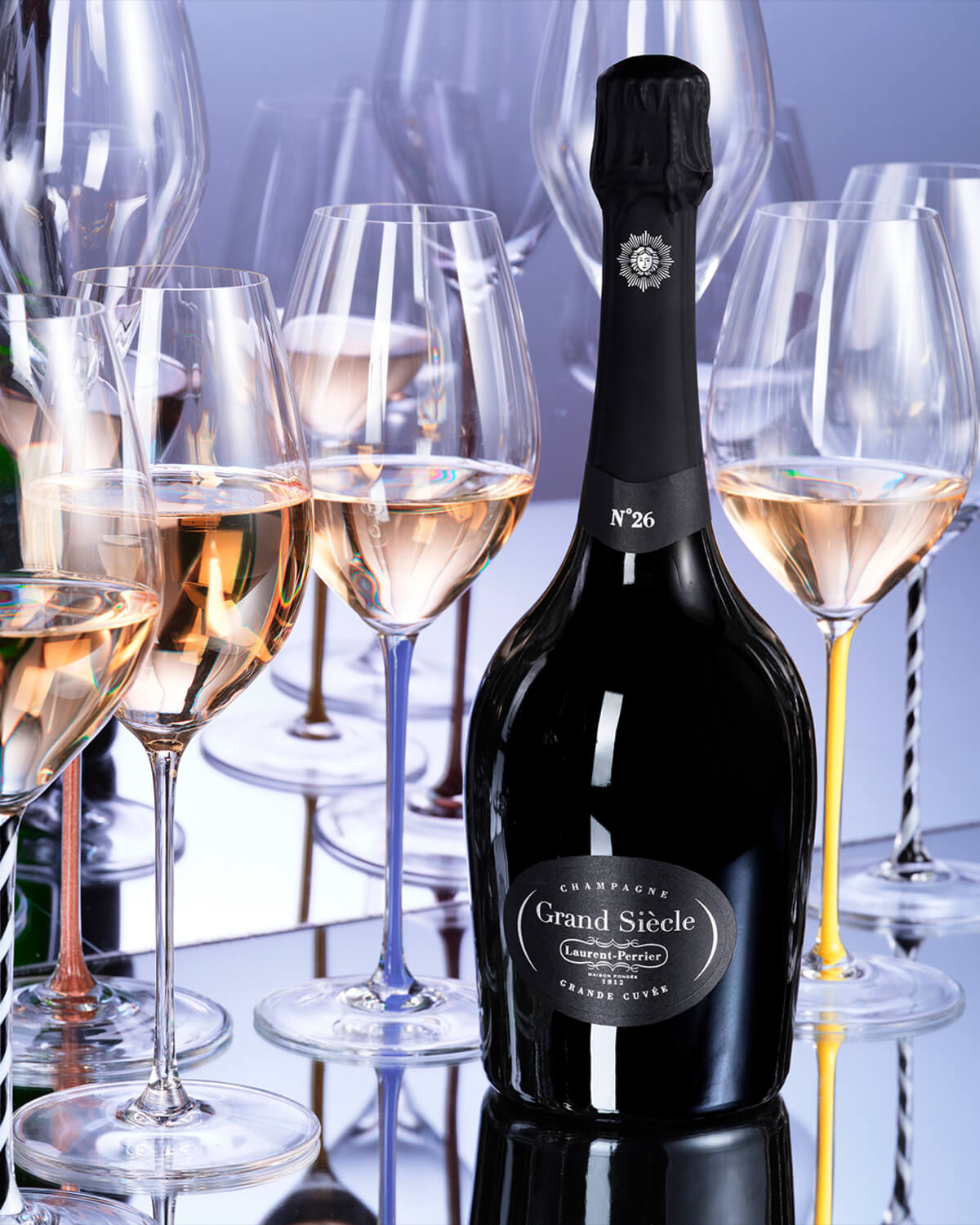
Tasting a good Champagne goes far beyond noticing its bubbles or color. On the palate, it is recognized by a lively attack with precise acidity, harmonious roundness and length, fruity or floral notes balanced with elegance, and persistent fine bubbles. A lingering aromatic finish is the final testimony to both vintage and terroir.
Food Pairings
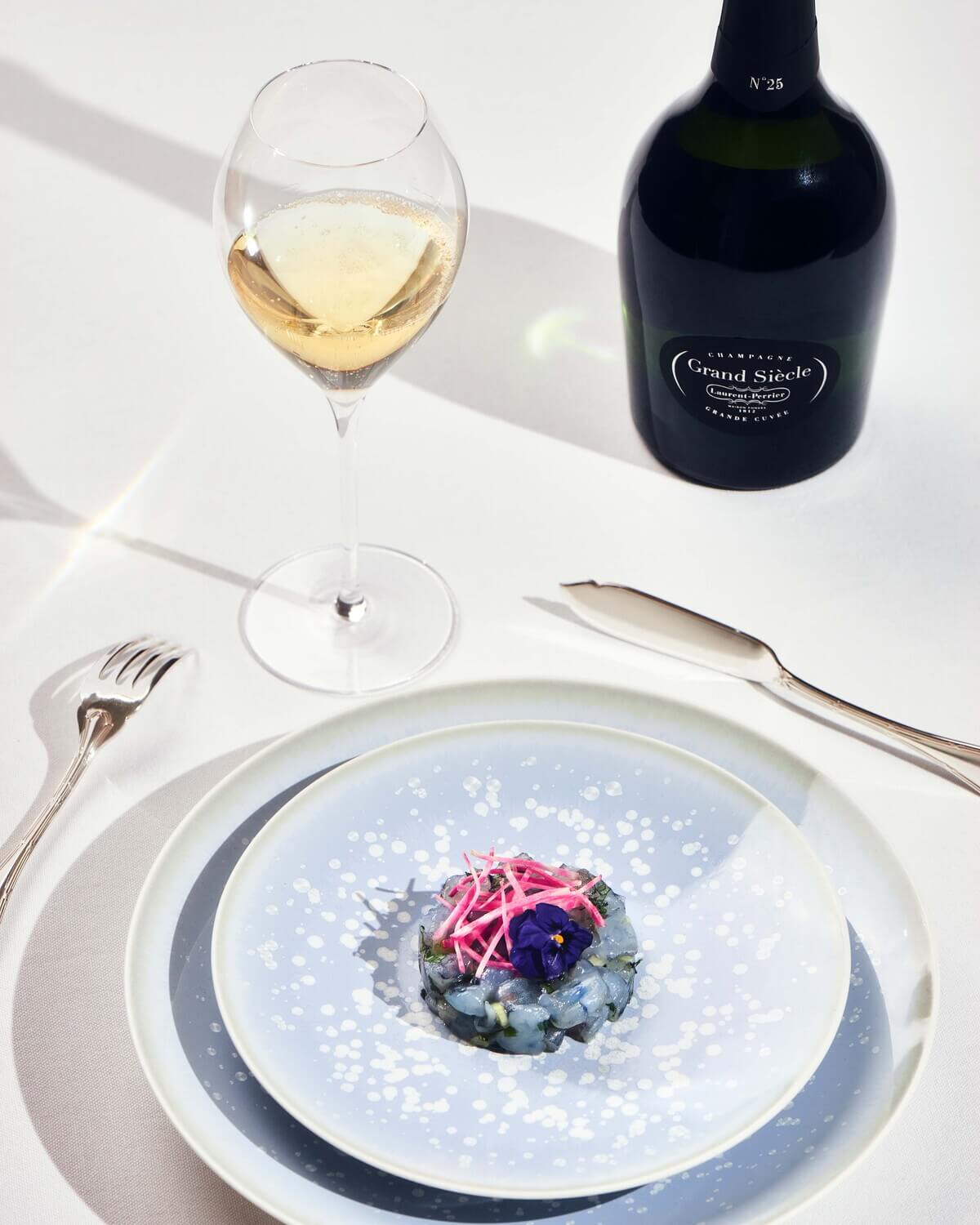
To fully enjoy a good Champagne, it is essential to choose suitable pairings:
- – Non-Vintage Brut: aperitif, mild cheeses, tapas
- – Vintage: gourmet dishes, foie gras, special occasions
- – Blanc de Blancs: seafood, oysters, fine fish
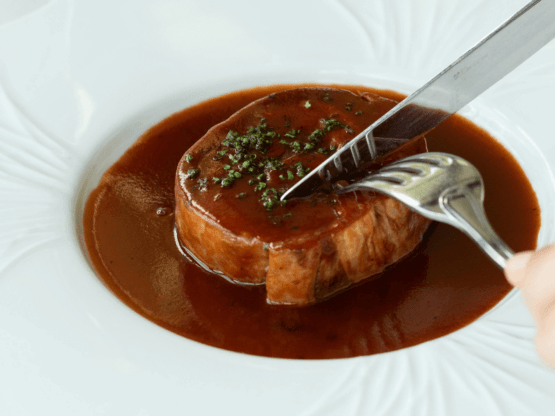
- – Blanc de Noirs: white meats, grilled salmon, roasted poultry
- – Rosé / Brut Rosé: red fruit desserts, charcuterie, festive moments
Price and Accessibility
Prices vary according to Maison, crus, and ageing:
- – Non-Vintage Brut: consistent quality, accessible price point
- – Vintage and Prestige cuvées: higher value, exceptional years
- – Rare or Grand Cru Brut: unique tasting for connoisseurs
In Summary
A good Champagne is a meeting of nature, craftsmanship, patience, and artistry. Each cuvée tells a story of a Maison, vintage, or terroir, offering moments of pleasure, elegance, and conviviality. Laurent-Perrier Champagnes, both accessible and refined, perfectly embody this philosophy, delivering a truly authentic and sophisticated sparkling wine experience.