Table of contents
- What is Champagne?
- What Makes the “Finest Brut Champagne”: The Balance Between Terroir and Blending
- Expertise: The Invisible Signature of the Finest Brut Champagne
- Recognizing a Fine Brut Champagne on the Palate
- When Emotion Creates the Best Brut Champagne
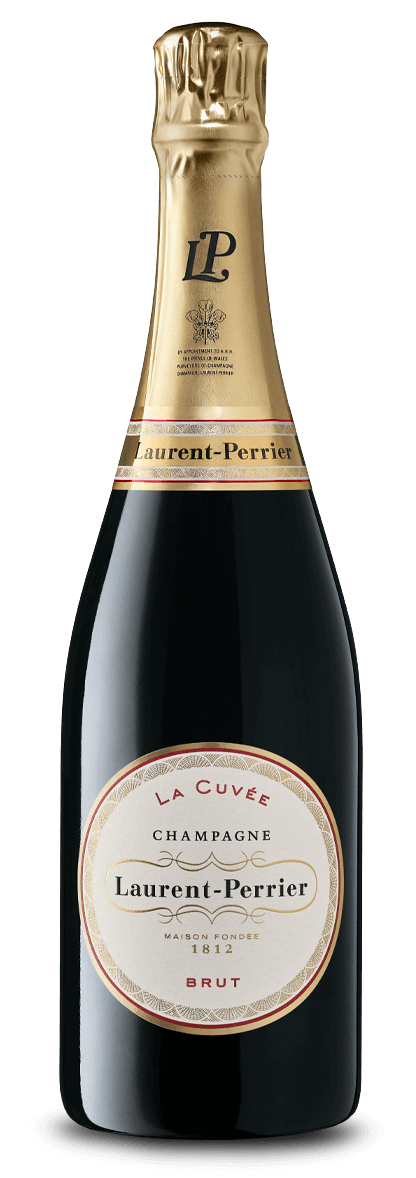
- Laurent-Perrier La Cuvée: The Quintessence of Brut Champagne
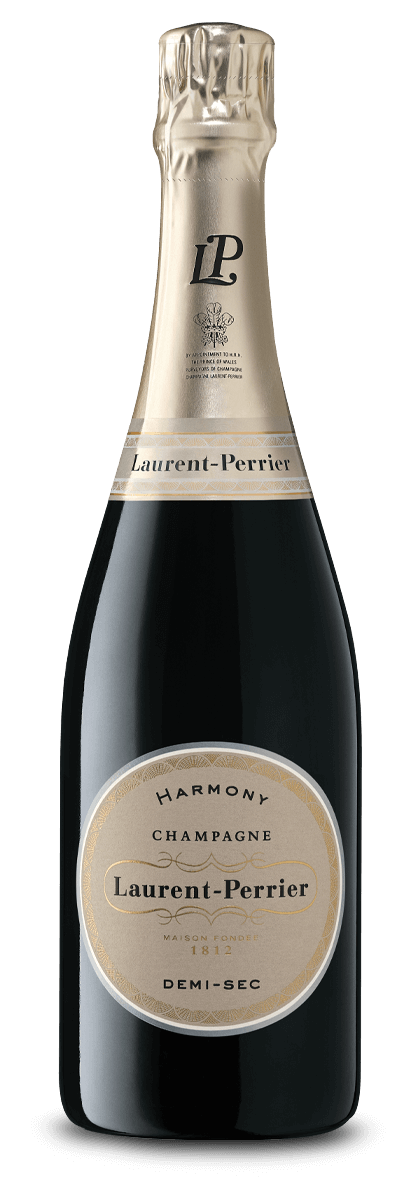
- Discovering the Diversity of Laurent-Perrier Cuvées
- In Conclusion: The Finest Brut Champagne Is the One of the Heart
What is Champagne?
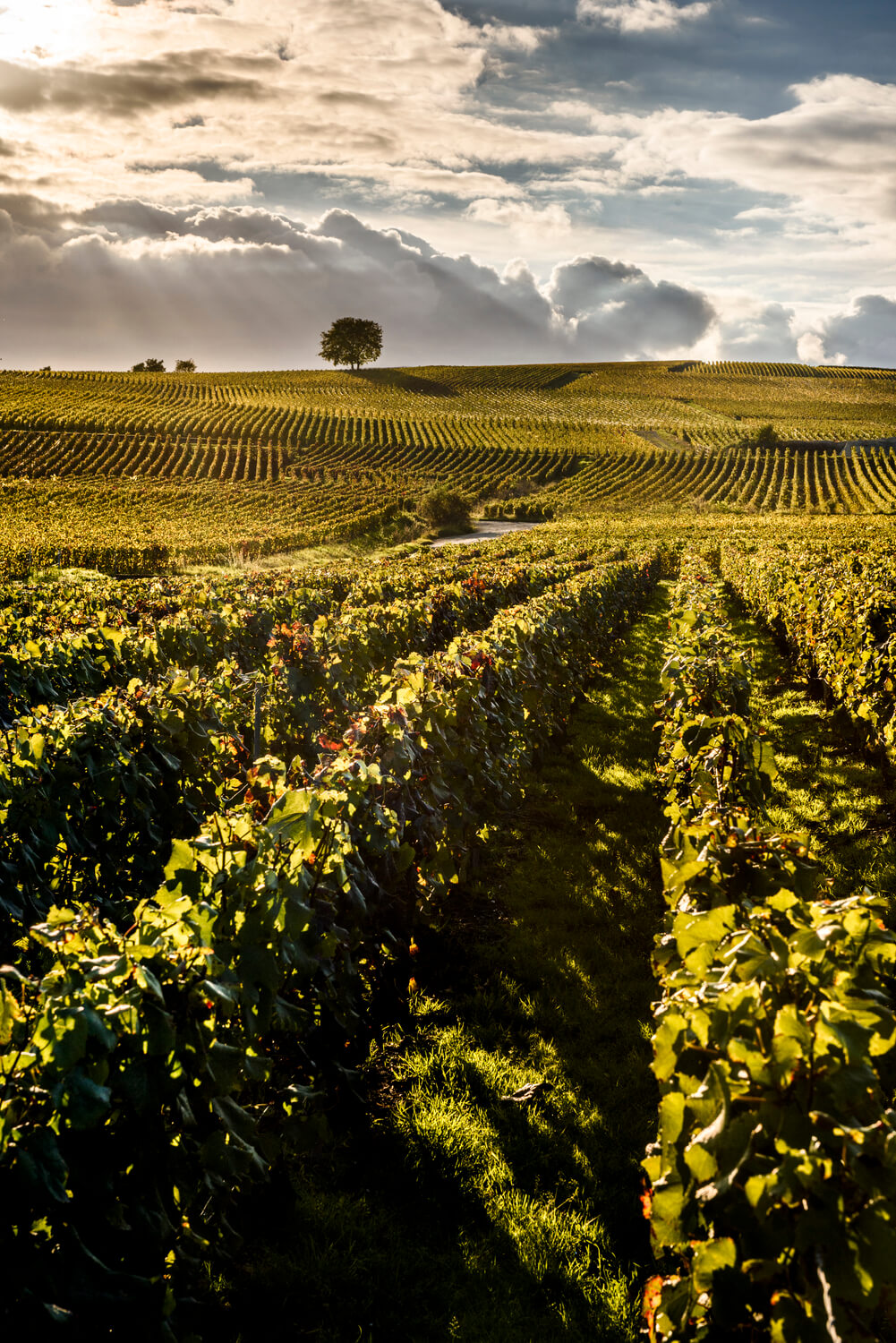
Champagne is an exceptional sparkling wine produced exclusively in the Champagne region of France — one of the regions of France most famous in the world for crafting the best champagne. This iconic white wine belongs to the family of sparkling wines, made using a method made in Champagne and protected by the Appellation d’Origine Contrôlée. A true emblem of French craftsmanship, Champagne stands out for its fine bubbles, citrus notes, and delicate floral flavors, often compared to those of dry champagne or elegant white wines.
Three grape varieties are used:
- – Chardonnay, which brings elegance, finesse, and mineral tension — often predominant in Blanc de Blancs Champagne and appreciated by lovers of Sauvignon Blanc for its purity.
- – Pinot Noir, which brings structure and depth, especially in Blanc de Noirs.
- – Meunier, which adds roundness and fruitiness.
Among them, Chardonnay and Pinot Noir are considered the most noble, forming the core of the greatest cuvées. Certain Rosé or Brut Nature Champagnes also show diversity in the blend, offering different profiles, sometimes with subtle pear notes or green fruit impressions found in many of the world’s favorite bottles.
The quality of a Blanc Champagne also depends on the origin of its grapes. The region includes seventeen villages classified as Grand Cru and forty-four as Premier Cru, making the expression champagne Grand Cru, Premier Cru Brut, or Grand Cru Brut particularly meaningful. A blend with a high proportion of these crus is often synonymous with the best Brut Champagne.
What Makes the “Finest Brut Champagne”: The Balance Between Terroir and Blending
The excellence of a cru Brut or Brut Reserve Champagne relies on several key elements: grape varieties, origin of the crus, and proportion of Premiers and Grands Crus. These define texture, tension, aromas, and purity.
| Key Element | Role | Impact |
|---|---|---|
| Grape Varieties (Chardonnay, Pinot Noir, Meunier) | Foundation of aromatic structure. | Defines finesse and balance. |
| Origin of the Crus | Grand Cru and Premier Cru vineyards provide optimal ripeness. | Enhances complexity and length. |
| Proportion of Crus | Higher proportion = greater precision. | Adds purity and tension. |
Thus, the best Brut Champagne in the world combines noble origins and meticulous blending — a method that many houses apply with rare discipline, using reserve wines to maintain continuity. Some bottles — from accessible price ranges to very special cuvées — reflect this balance perfectly.
Expertise: The Invisible Signature of the Finest Brut Champagne
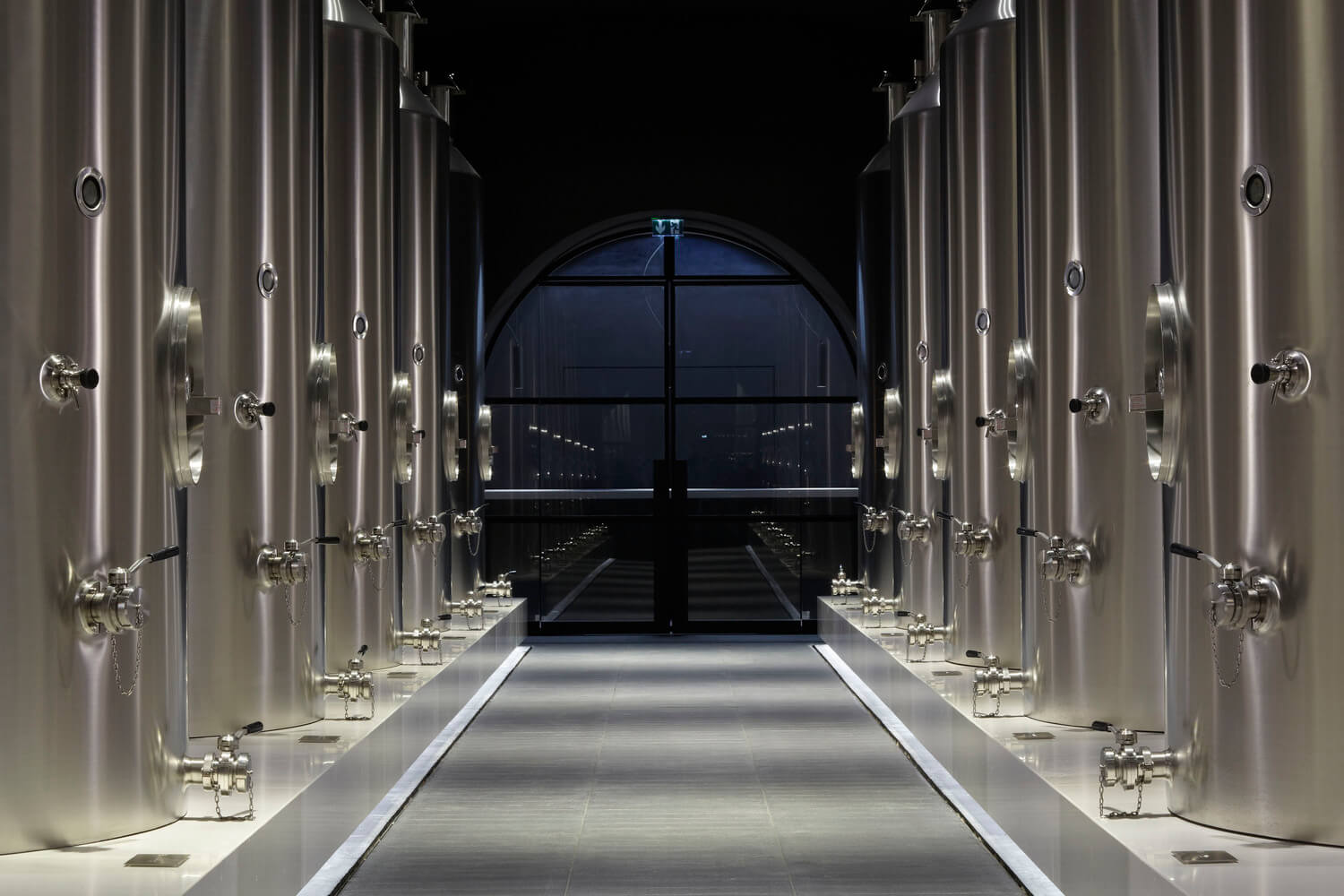
Beyond technical criteria, the Cellar Master’s expertise defines the identity of each Champagne.
- – Technique ensures precision in pressing and fermentation.
- – Experience interprets each harvest.
- – Talent creates harmony from base wines and reserve wines.
At Laurent-Perrier, this craft shapes every cuvée — Brut, Extra Brut, or Brut Nature — including iconic bottles like Grand Brut, Label Brut, or other house expressions comparable to references such as Pol Roger Brut or Pol classics often praised in New York City tasting circles.
Recognizing a Fine Brut Champagne on the Palate
A great bubbly stands out immediately with persistent effervescence, harmony between tension and roundness, and a silky texture.
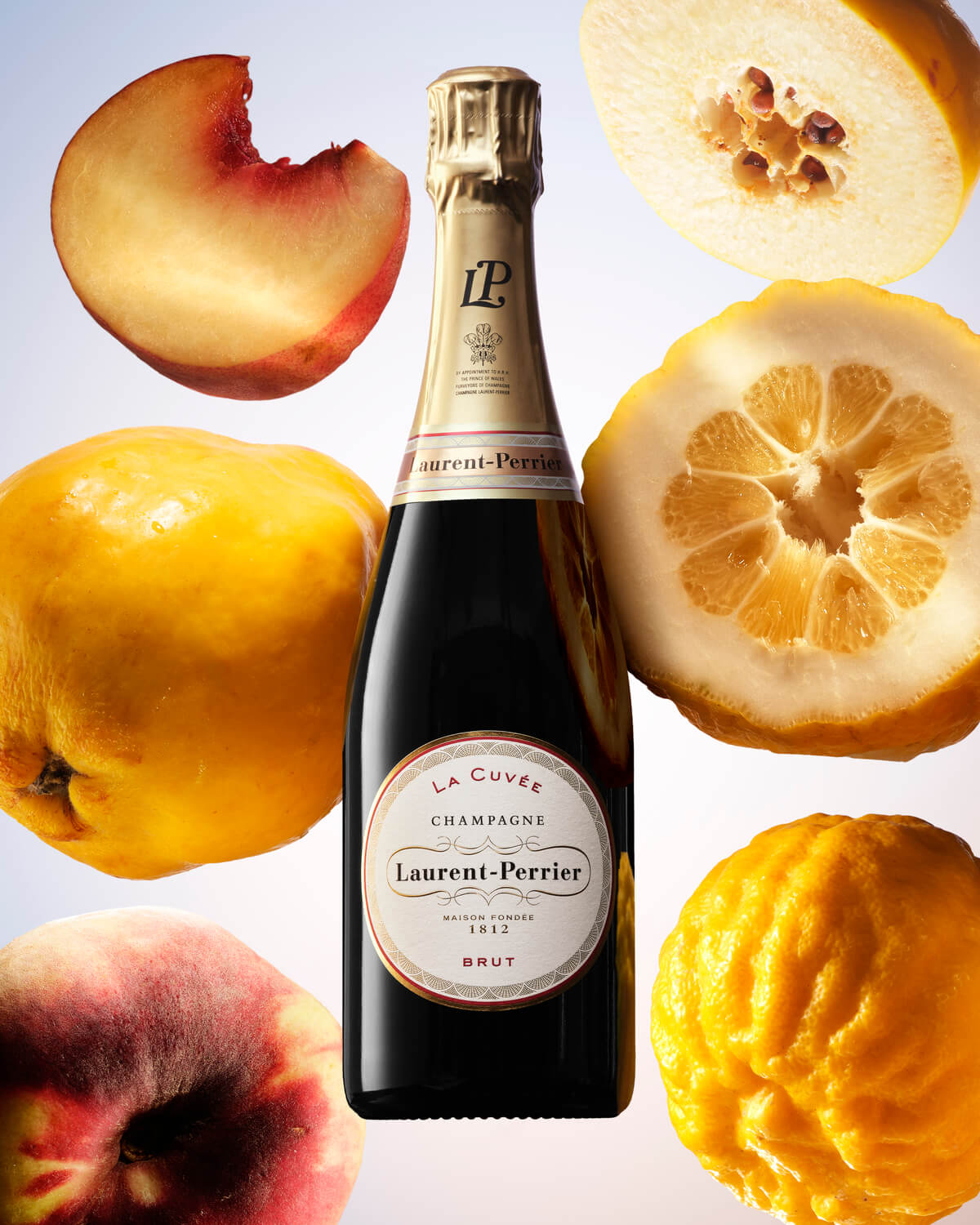
The first impression brings citrus, white flowers, and fresh fruit. Then comes depth supported by acidity and minerality — hallmarks of great crus.
A well-made Brut Champagne should never feel aggressive or overly sweet. The profile remains elegant, pure, and balanced, leaving a clean finish reminiscent of refined red wine structure or crisp dry white wine.
When Emotion Creates the Best Brut Champagne
The best Brut Champagne is not only defined by composition — emotion completes it.
Even the bottle, the label, and the box shape perception. But perfection also depends on:
- – the right serving temperature (8°C–10°C;
- – the glassware;
- – the moment;
- – the company
A great Blanc de Blancs Brut, served perfectly, becomes the best Brut Champagne — festive, timeless, and unforgettable.
Laurent-Perrier La Cuvée: The Quintessence of Brut Champagne
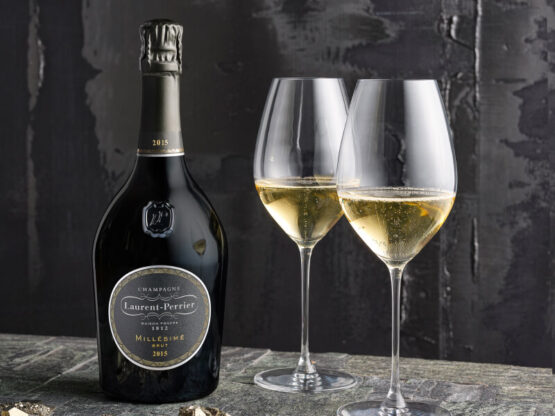
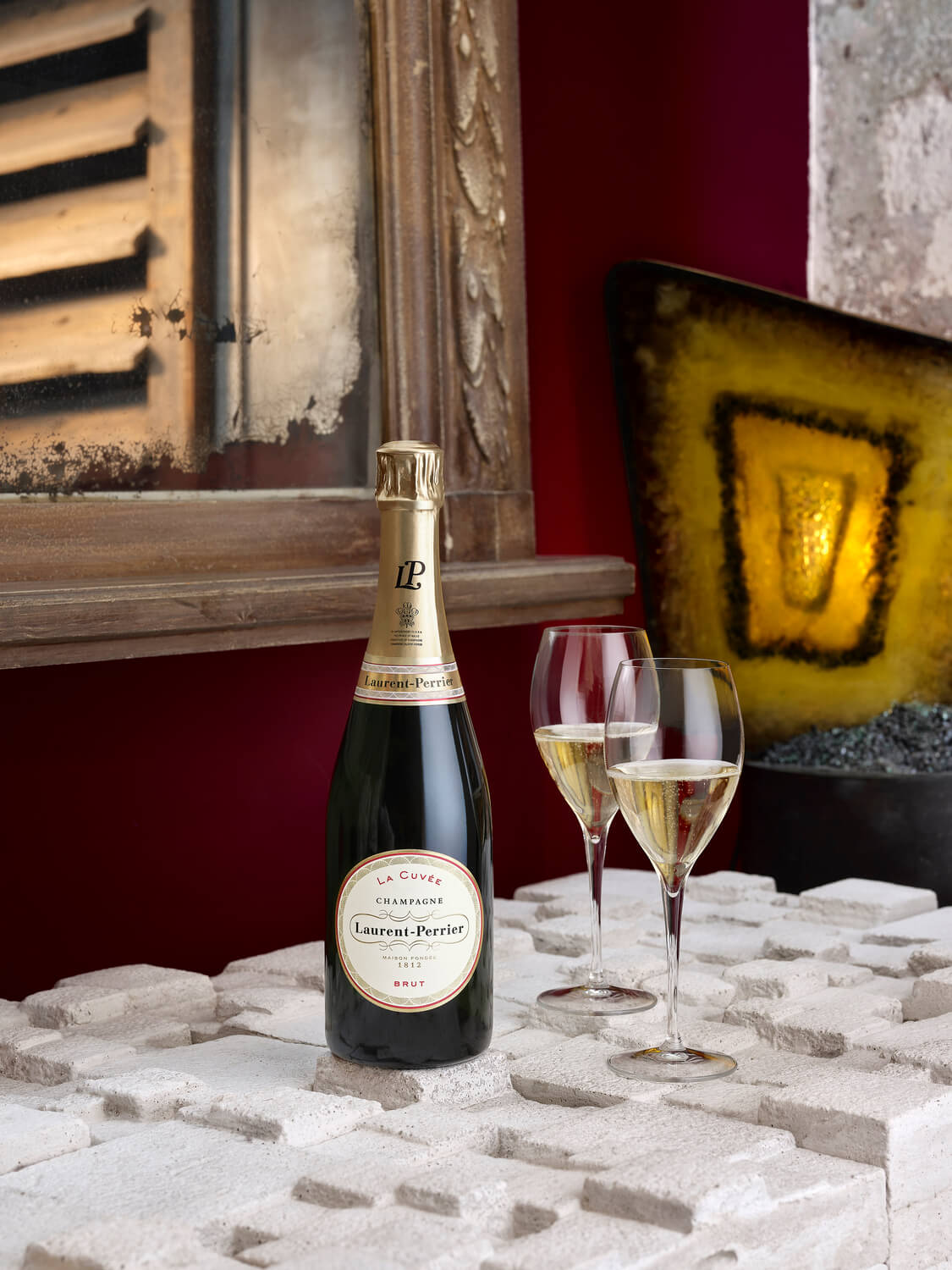
La Cuvée is a Blanc Champagne of remarkable purity:
- – made only from the cuvée, the purest juice;
- – composed mostly of Chardonnay;
- – enriched with Grand Cru and Premier Cru origins.
This gives the wine crystalline freshness, delicate texture, and subtle fruit flavors. It pairs beautifully with seafood, tasting menus, or refined food pairings
Discovering the Diversity of Laurent-Perrier Cuvées
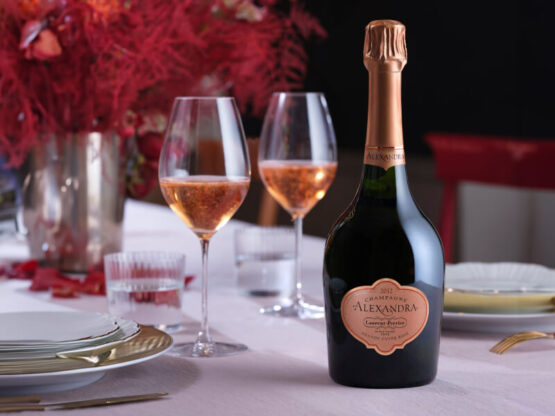
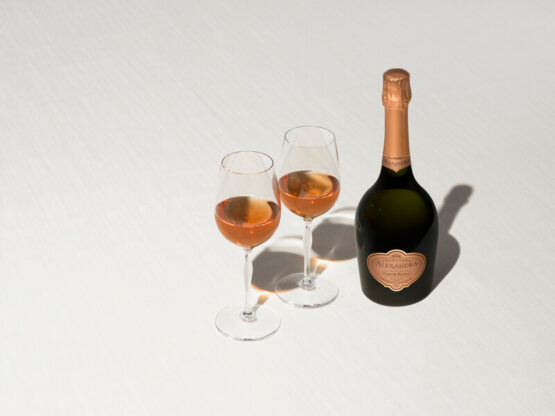
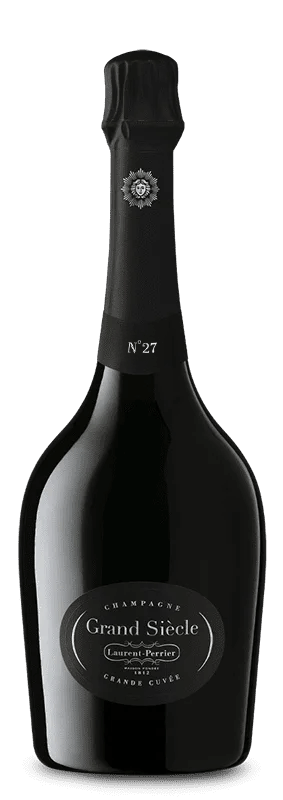
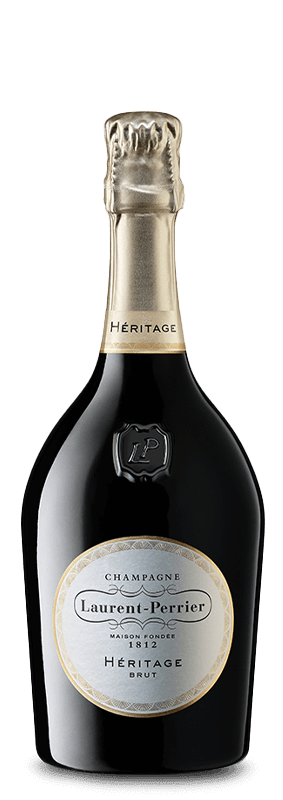
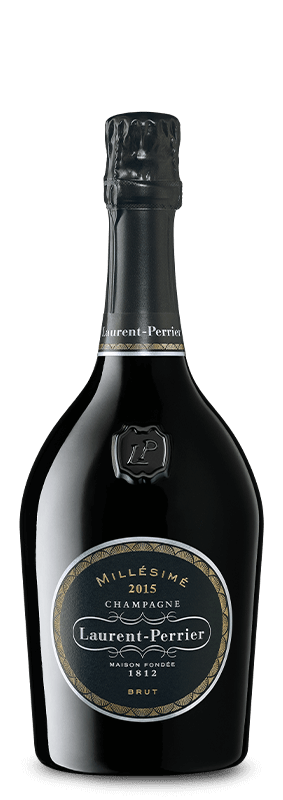
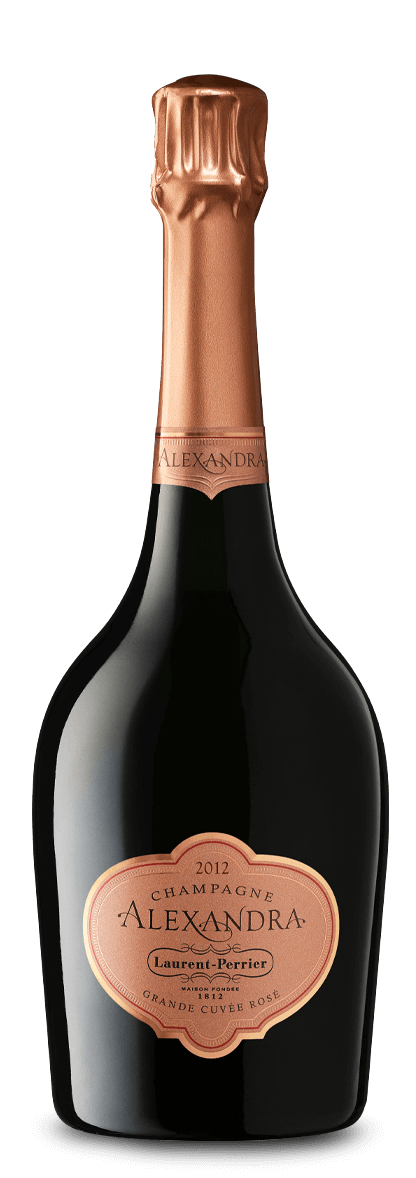
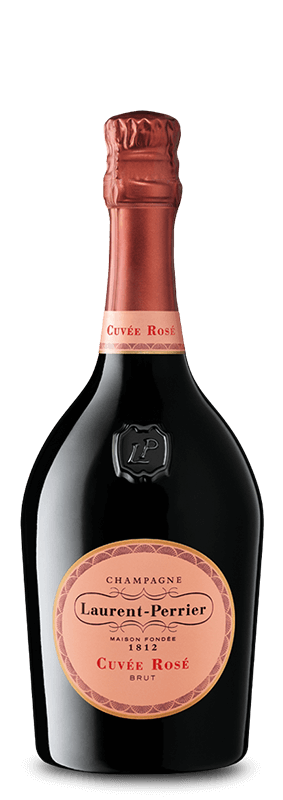
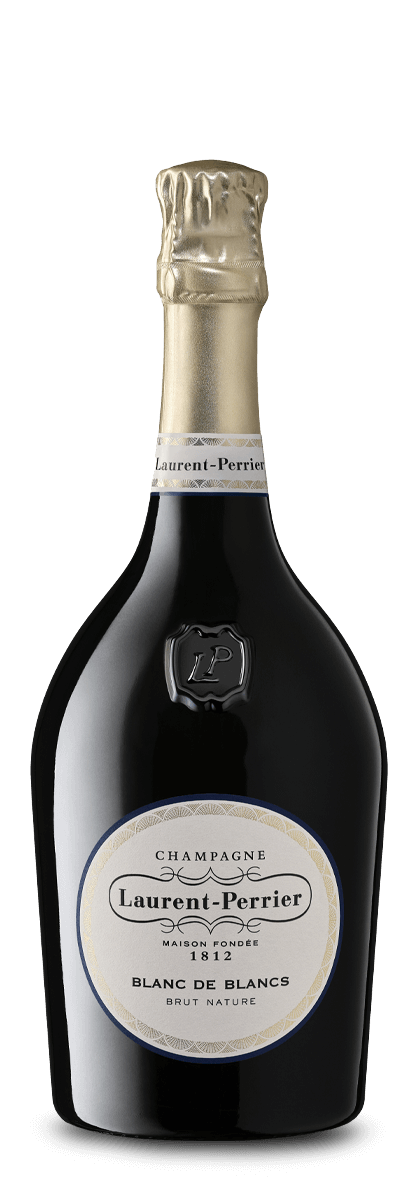
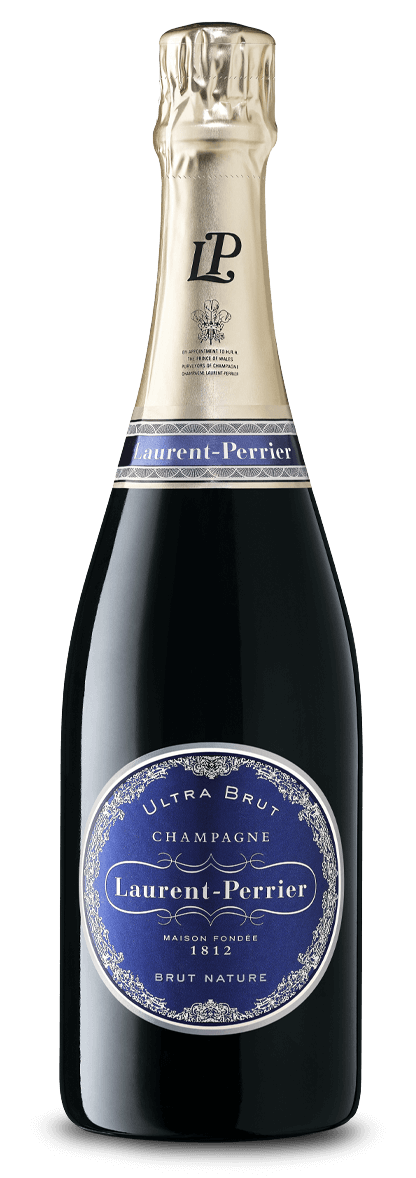
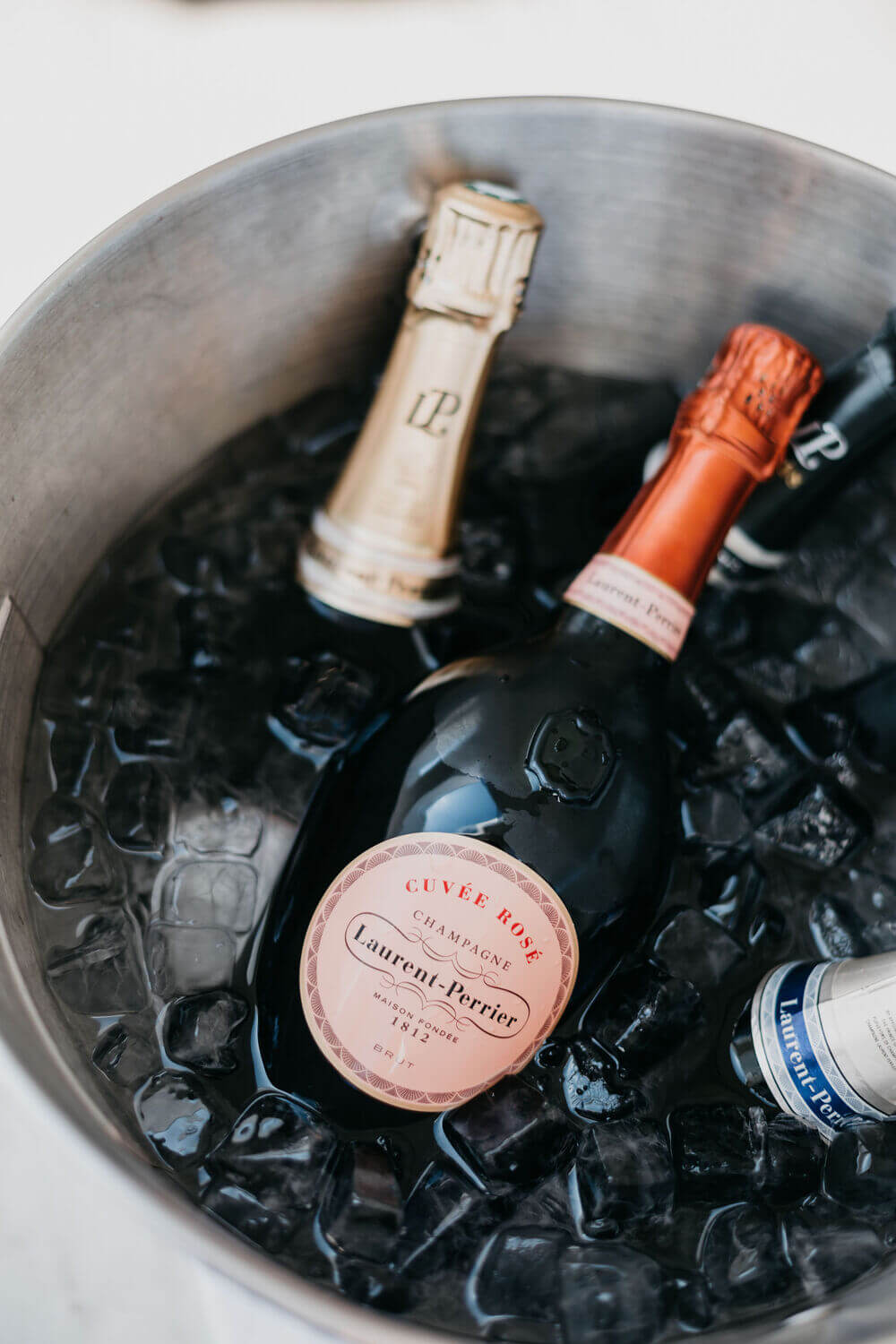
Laurent-Perrier offers a full collection of cuvées, each pursuing purity and precision. From Rosé Champagne to Grand Siècle Itération, each expression reflects craftsmanship, offering alternatives comparable to the world’s most iconic bottles and sparkling wines.
In Conclusion: The Finest Brut Champagne Is the One of the Heart
The best Brut Champagne is the one that unites craftsmanship, terroir nobility, and the right moment. It is a Blanc Champagne from a great house, shared with the right people.
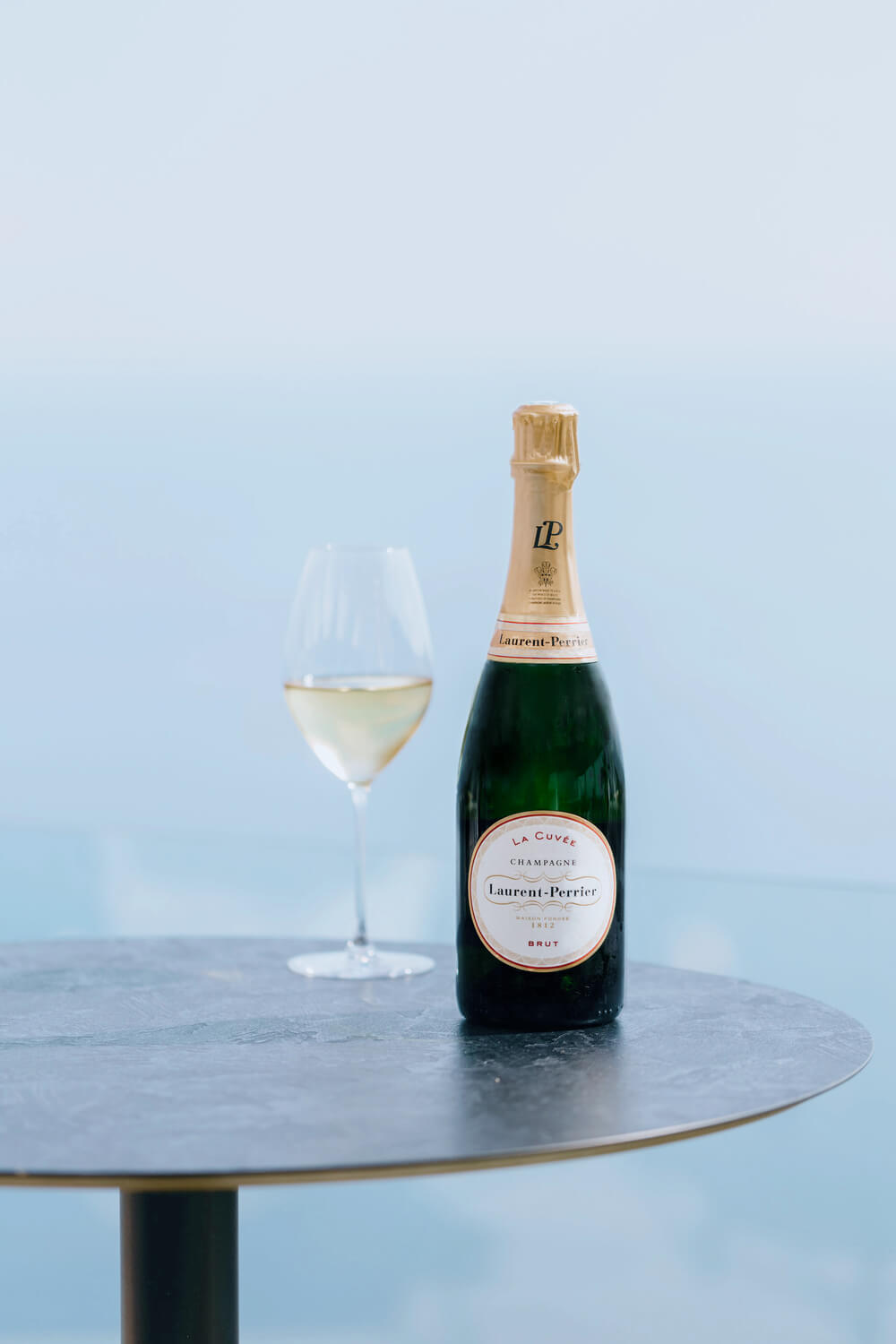
Opening Laurent-Perrier La Cuvée means enjoying a Champagne where purity, balance, and finesse reveal the full art of the Cellar Master — perhaps making it, on that day, the best Brut Champagne for you.