Table of contents
- Champagne: a wine designed for ageing, but meant to be enjoyed
- Recommended storage duration by Champagne type
- Grape Varieties and Ageing Potential
- Bottle Formats: Standard vs Magnum
- Storing Your Champagne Properly
- Opening and Enjoying Champagne
- Aromatic Evolution Over Time
- Ageing of Laurent‑Perrier cuvées
- Conclusion
Champagne is unique among wines for its effervescence, finesse, and ageing potential. Many wonder: how long does champagne last, and how should it be stored to preserve quality and bubbles? This guide will help you learn the best way to store and enjoy your Champagne, whether unopened or already poured.
Champagne: a wine designed for ageing, but meant to be enjoyed
Champagne differs from many other wines in that it is aged in the House cellars before release, often longer than the legal minimum.
- Appellation rules:
- – Non-Vintage (NV) Brut: minimum 15 months on lees before release.
- – Vintage Champagne: minimum 36 months on lees.
- – Prestige Cuvées: often matured far beyond minimums to develop aromatic depth and finesse.
Note: Ageing adds complexity, but older does not always mean better. The ideal drinking window depends on grape variety, blend, and personal taste.
Recommended storage duration by Champagne type
| Type | How Long Can It Last? | Notes |
|---|---|---|
| Non‑Vintage Brut | 3 to 4 years | Enjoy young; retains fresh fruit flavors and crisp fizz. |
| Vintage Champagnes | 5 to 10 years+ | Develops richness, brioche notes, and secondary aromas. |
| Prestige Cuvées | 10 to 20 years+ | Remarkable depth, complexity, and elegant bubbles. |
| Rosé Champagnes | 3 to 5 years | More sensitive to oxidation; best enjoyed relatively young. |
Tip: A champagne’s shelf life depends on proper storage, the blend of grapes, and the bottle format.
Grape Varieties and Ageing Potential
Certain grapes are better suited for ageing due to structure, acidity, and aromatic concentration:
- – Chardonnay: High acidity, finesse, and longevity; ideal for Blanc de Blancs and Prestige Cuvées.
- – Pinot Noir: Power and structure; allows Vintage and Rosé champagnes to mature while retaining fruitiness.
- – Meunier: Soft, fruity; best consumed young; limited ageing potential.
Knowing the grapes from different vineyards in your Champagne helps predict how long it will last unopened or once poured.
Bottle Formats: Standard vs Magnum
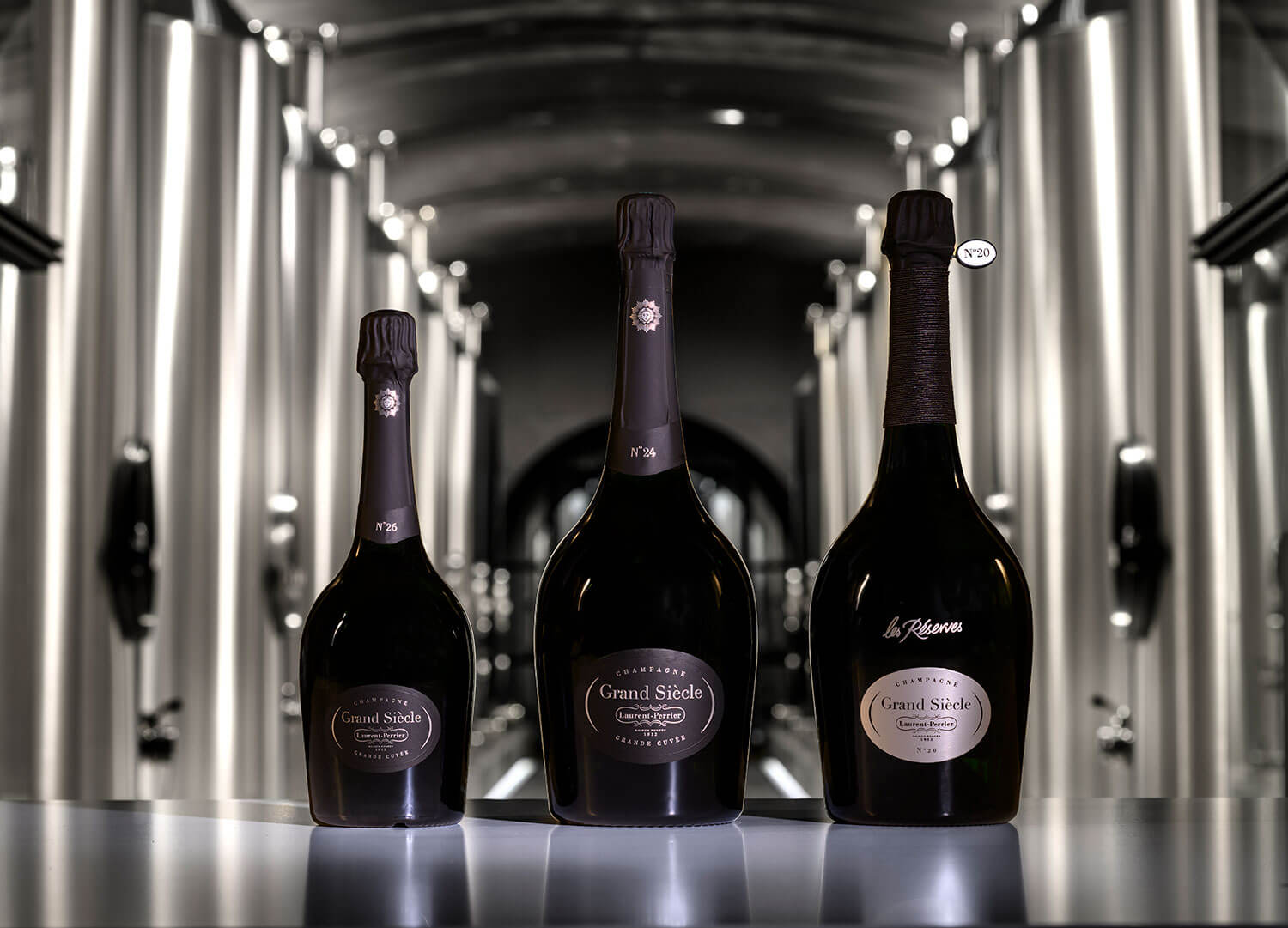
Bottle size significantly affects how long champagne can last:
- – Standard bottle (75 cl): Classic evolution, drink according to type.
- – Magnum (1.5 L): Slower ageing due to a better oxygen-to-liquid ratio.
- Longer-lasting fizz and bubbles
- Slower aromatic development
- Ideal for Vintage and Prestige Cuvées
A magnum can age 20–30% longer than a standard bottle, keeping Champagne fresh and balanced.
Storing Your Champagne Properly
- The way to store Champagne directly impacts how long it will stay good.
- 1. Keep it in a dark place away from sunlight. UV rays can prematurely age or discolor the wine.
2. Maintain a constant cool temperature (10–12°C). Avoid refrigerators for long-term storage; the cold can dry the cork.
3. Horizontal placement keeps the cork moist and seals the bottle properly.
4. Prevent temperature fluctuations — rapid changes can make Champagne go bad.
5. Check your bottles periodically: a protruding cork or sour smell may indicate a problem. - Following these tips helps ensure your Champagne will last unopened for years without losing its fizz or aromas.
Opening and Enjoying Champagne
- – Opening a bottle: Do it gently to preserve the bubbles. Hold the cork firmly and twist the bottle.
- – Unopened Champagne last: NV can last 3–4 years; Vintage, 5–10 years; Prestige, up to 20 years if stored properly.
- – Opened Champagne: Use a Champagne stopper and refrigerate. Best consumed within 1–3 days to maintain fizz.
- – Taste test: Even after years, a properly stored bottle can remain delicious; otherwise, repurpose in cooking or cocktails.
- Fun fact: Champagne can enhance sauces, risottos, and desserts, even when it has passed its ideal drinking window.
Aromatic Evolution Over Time
| Age | Aromas & Experience |
|---|---|
| 0–3 years | Fresh, fruity, lively bubbles |
| 5–10 years | Brioche, honey, nuts, richer roundness |
| 10+ years (Prestige) | Exceptional complexity, balance, elegance, subtle tertiary aromas |
- As Champagne matures, food pairings evolve too:
- – Young NV: seafood, light starters
- – Older Vintage/Prestige: richer dishes, poultry, creamy sauces, truffles
Ageing of Laurent‑Perrier cuvées
| Cuvée | Minimum cellar ageing | Evolving aromatic notes |
|---|---|---|
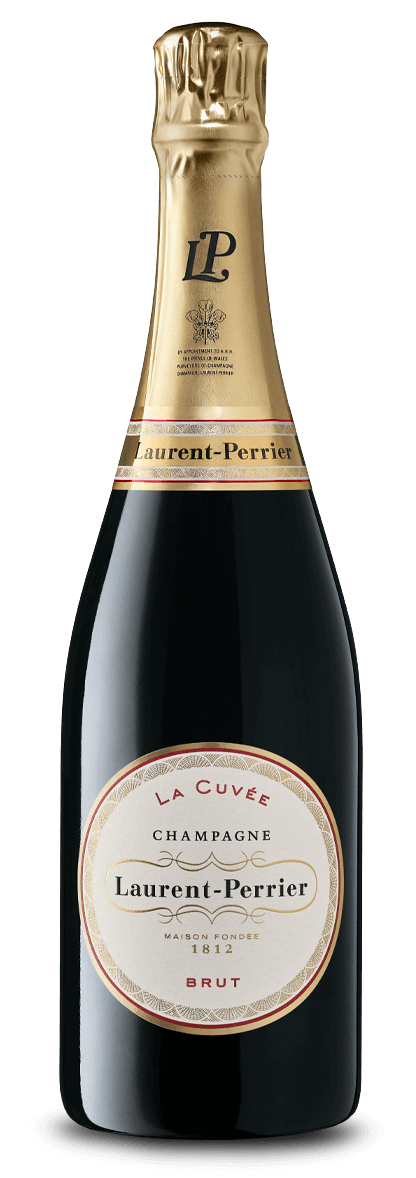
| La Cuvée | 4 years | Brioche, white flowers, finesse |
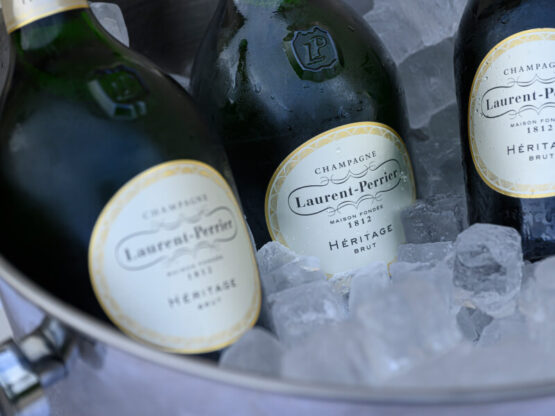
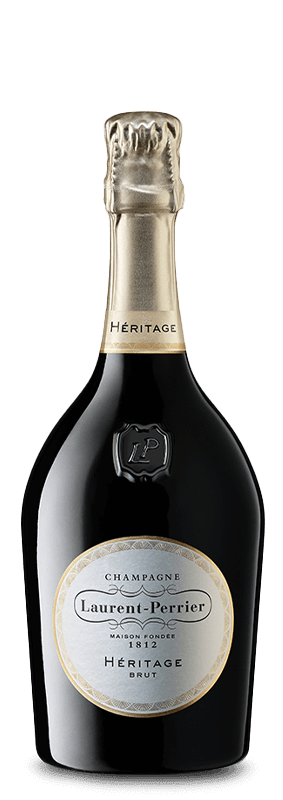
| Héritage | 4 years | Floral, mineral, balance |
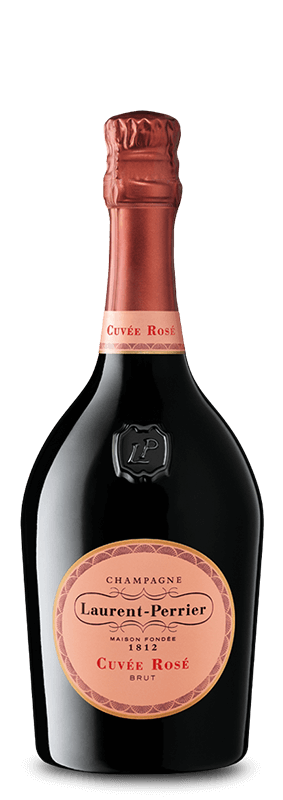
| Cuvée Rosé | 5 years | Fruity, delicate |
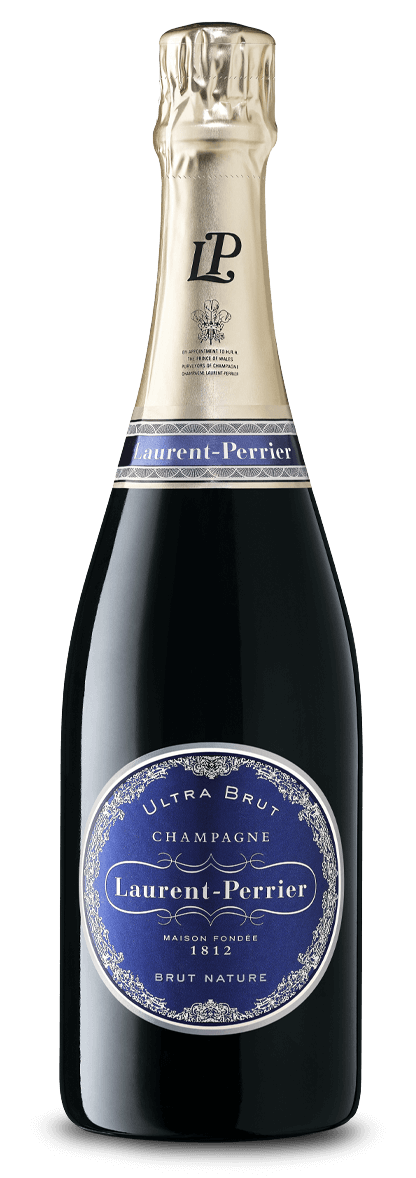
| Ultra Brut | 6 years | Freshness, subtle notes |
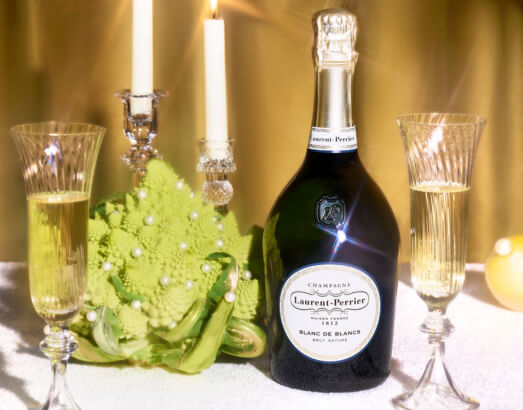
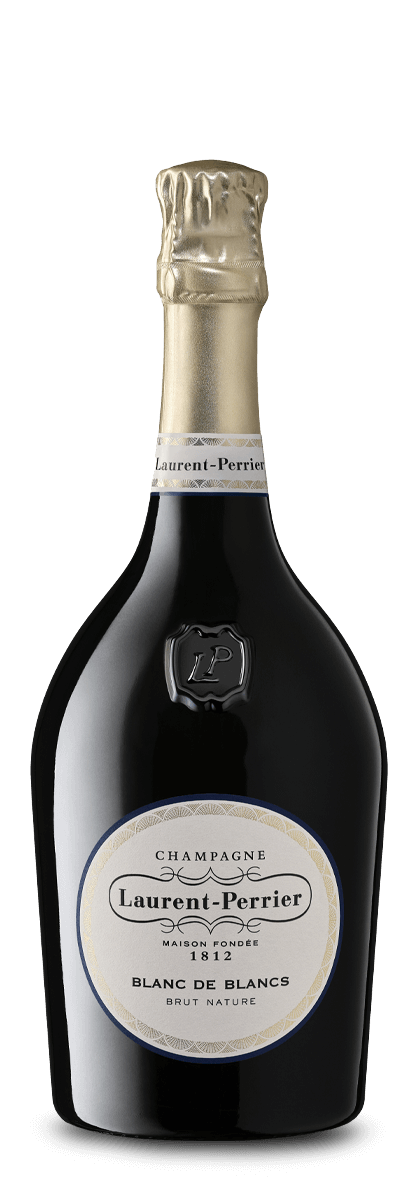
| Blanc de Blancs Brut Nature | 8 years | Floral, mineral elegance |
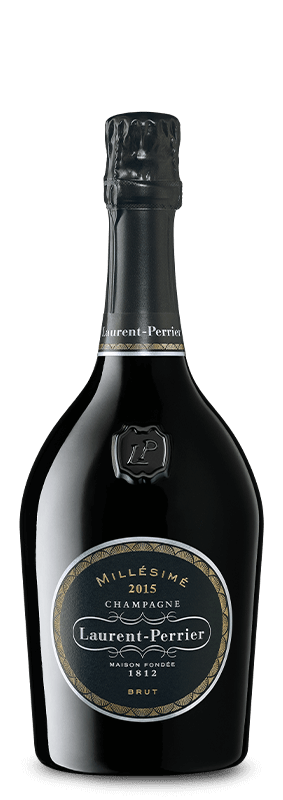
| Brut Millésimé | 10 years | Dried fruits, brioche, structure |
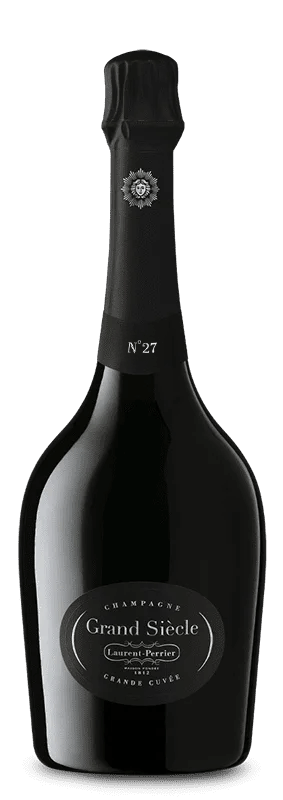
| Grand Siècle | 10 years | Maximum complexity, toasted bread, minerality |
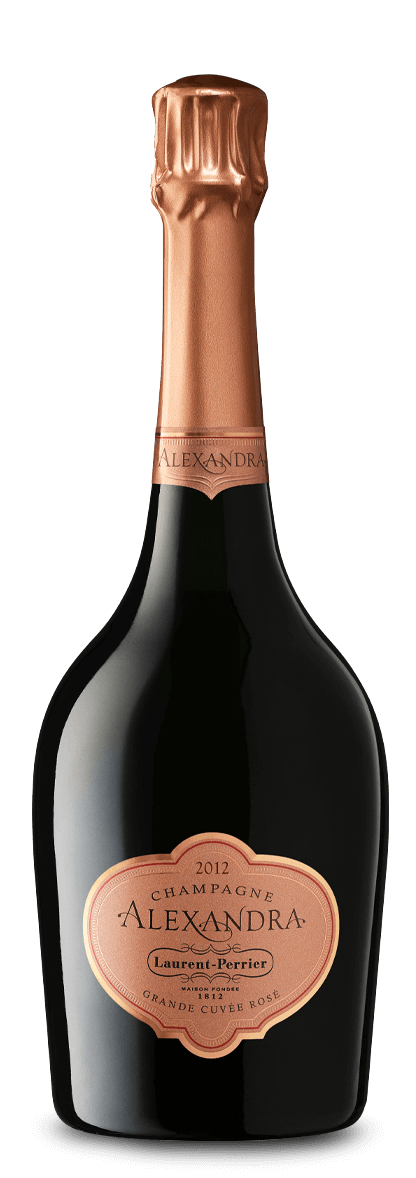
| Alexandra Rosé Millésimé | 10 years | Red fruit, bitter-orange notes |
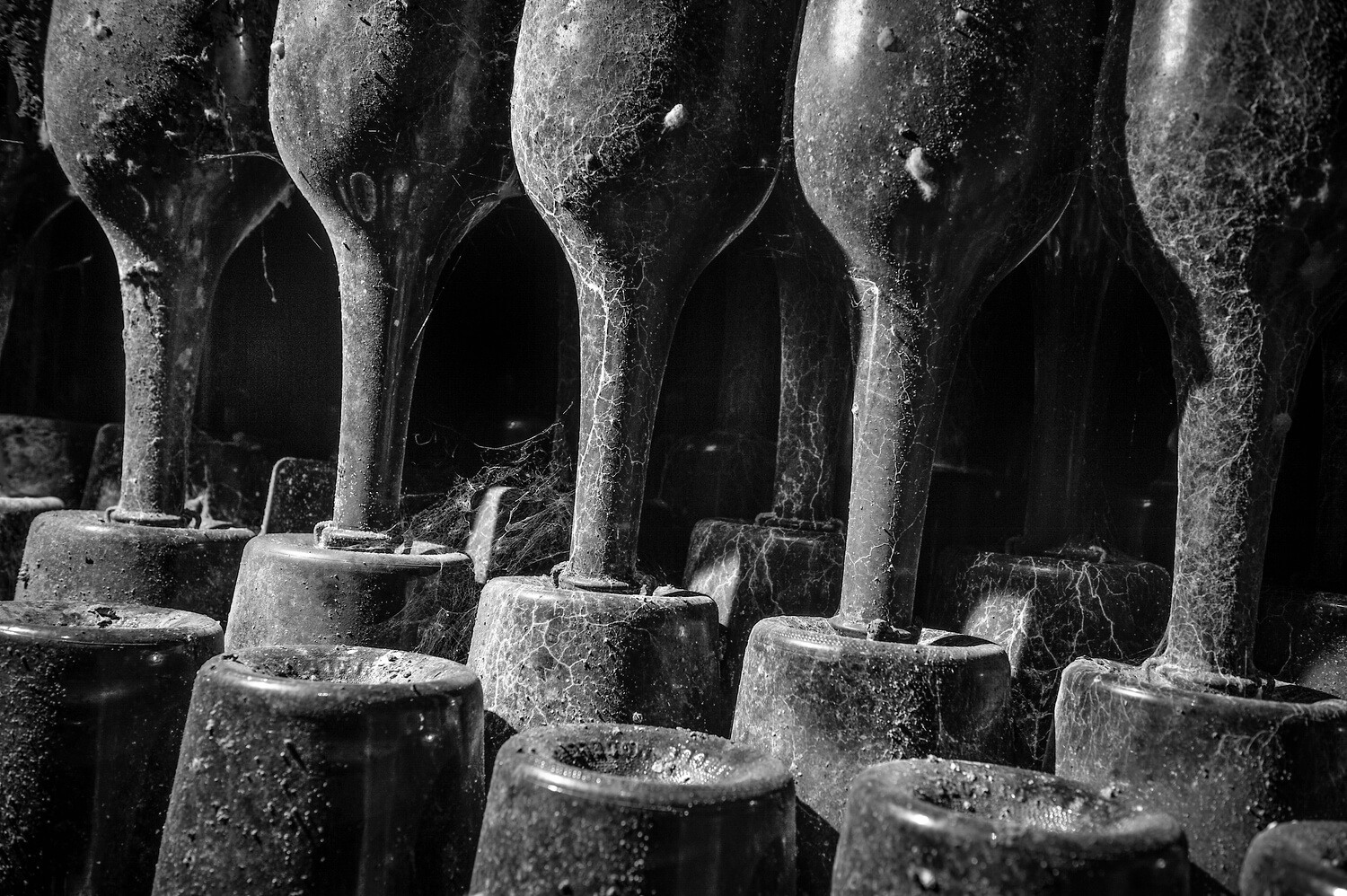
Laurent‑Perrier’s long ageing periods ensure every bottle delivers a refined tasting experience.
Conclusion
- – Champagne’s longevity depends on grape variety, blend, bottle format, and storage.
– NV Brut: best enjoyed young for fresh bubbles and fruit.
– Vintage & Prestige: can last a decade or more, developing aromatic depth and elegance.
– Proper storage, gentle opening, and pairing with food maximize your Champagne experience.
– Even older bottles can be repurposed in cooking, so no bottle ever goes to waste.
By understanding how to store, open, and serve Champagne properly, you ensure every bottle of Champagne can deliver an exceptional experience, whether enjoyed immediately or after years of careful ageing.