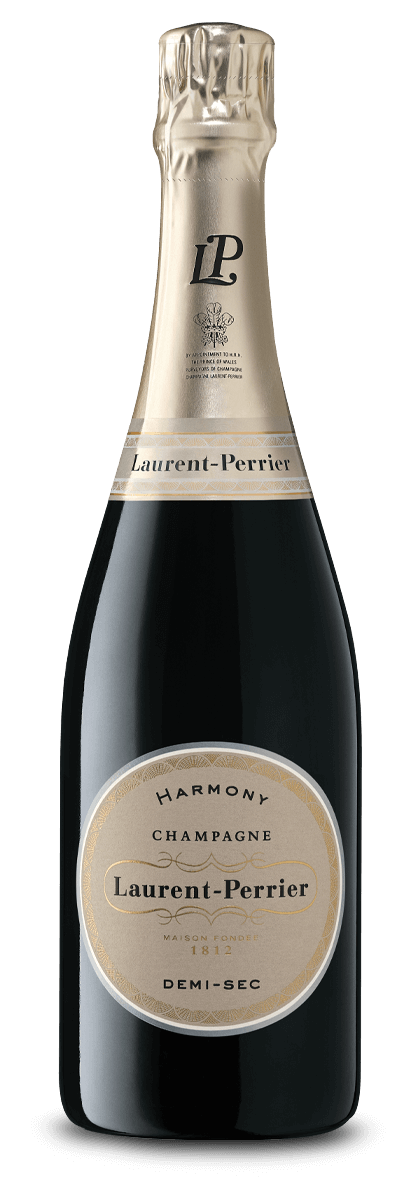
Champagne’s elegance and complexity come from its grape varieties, terroir, and careful vineyard practices. Understanding which grapes are used, how they are distributed across regions, and the rules that govern Champagne production is essential for wine enthusiasts who want to make informed choices.
The Three Main Grape Varieties
Champagne is primarily made from three main grapes, each widely planted in specific regions:
| Grape variety | Characteristics | Influence on Champagne |
|---|---|---|
| Chardonnay Grapes | White, refined and elegant | Brings finesse, freshness, floral and mineral notes; essential for Blanc de Blancs and Prestige Cuvées. |
| Pinot Noir Grapes | Red/Black, powerful and structured | Adds body, roundness, and aromas of red fruits; key for Rosés and vintage blends. |
| Meunier / Pinot Grapes | Black, fruity and supple | Provides fruitiness and suppleness, ideal for young non‑vintage champagnes. |
These three grape varieties define the style, aromatic profile, and balance of each Champagne.
The Forgotten and Rare Varieties
Some historical grapes, now rarely used, enrich parcel-based champagnes:
- – Arbane: white, high acidity, adds elegance
- – Petit Meslier: white, floral, lively acidity
- – Pinot Blanc: white, round, supple
- – Pinot Gris: white, fruity and lightly spiced
These varieties can be used in small parcels to create unique and expressive champagnes.
Champagne regions and dominant grapes
| Region | Dominant grape | Distinctive features |
|---|---|---|
| Montagne de Reims | Pinot Noir grapes | Structured and powerful; perfect for vintage blends. |
| Vallée de la Marne | Meunier | Fruity, supple; ideal for young, approachable wines |
| Côte des Blancs | Chardonnay grapes | Exceptional finesse, minerality; used for Blanc de Blancs and prestige cuvées |
| Côte des Bar | Pinot Noir and Meunier | Combines power and fruitiness for balanced blends |
These regions, thanks to their chalky soils and unique microclimates, influence the aromas, structure, and ageing potential of each bottle.
Regulations on grape varieties and harvests
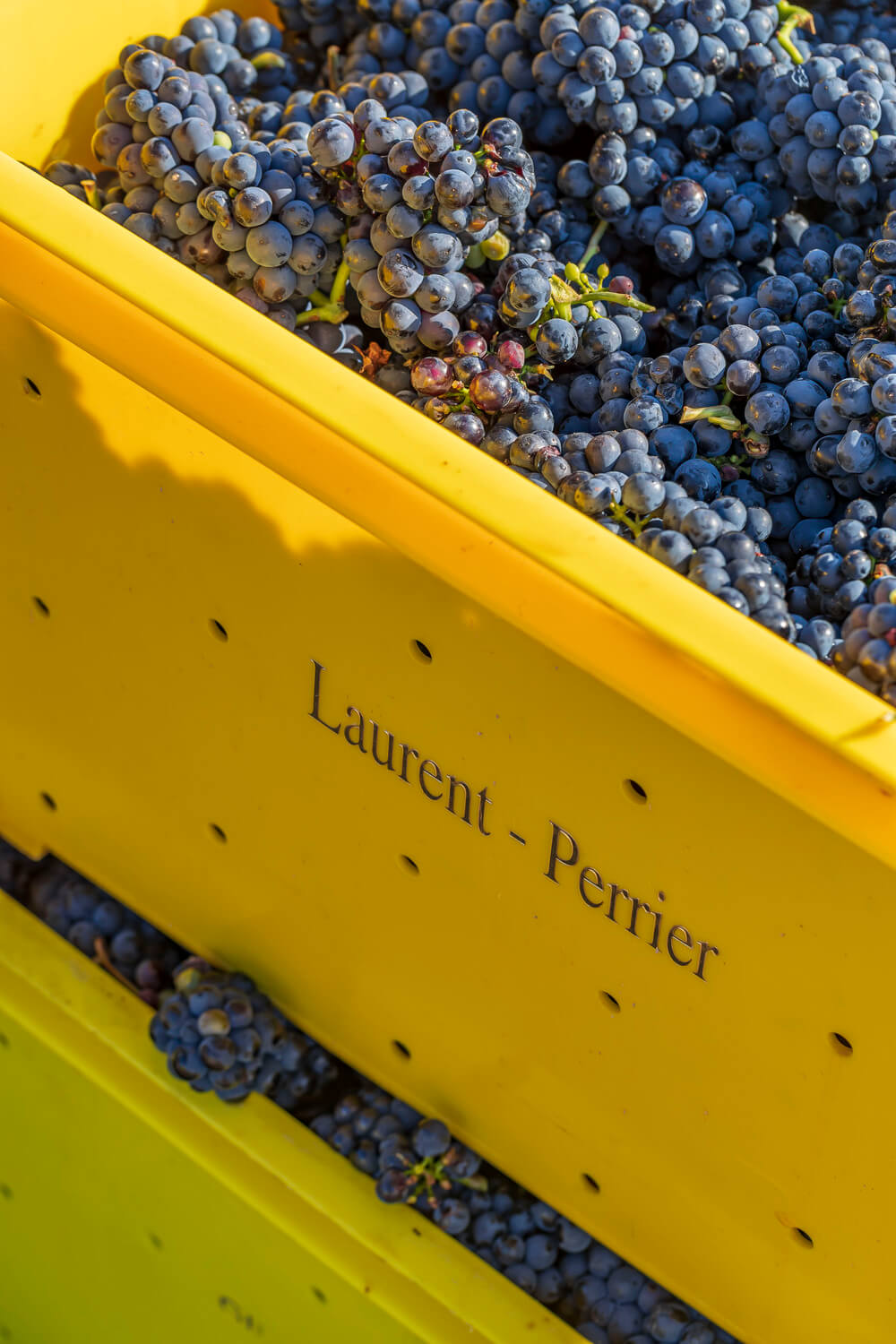
Champagne production is strictly regulated by the Comité Champagne:
- – Only authorized grape varieties may be used to produce Champagne
- – Regulated yields per hectare ensure concentration and quality
- – Manual harvest allows careful selection of grapes
- – Strict blending rules track grape varieties, crus, and vintages for consistency
These rules guarantee traceability, quality, and balance in every bottle of Champagne.
Single‑varietal and parcel‑based champagnes
- – Single-varietal champagnes: Blanc de Blancs (100% Chardonnay) or Blanc de Noirs (100% Pinot Noir / Meunier)
- – Parcel-based champagnes: reflect the specific terroir, grape, and microclimate of a plot
- – Prestige cuvées may even include forgotten varieties to enhance complexity
Food pairings by grape variety
| Grape variety | Food pairings |
|---|---|
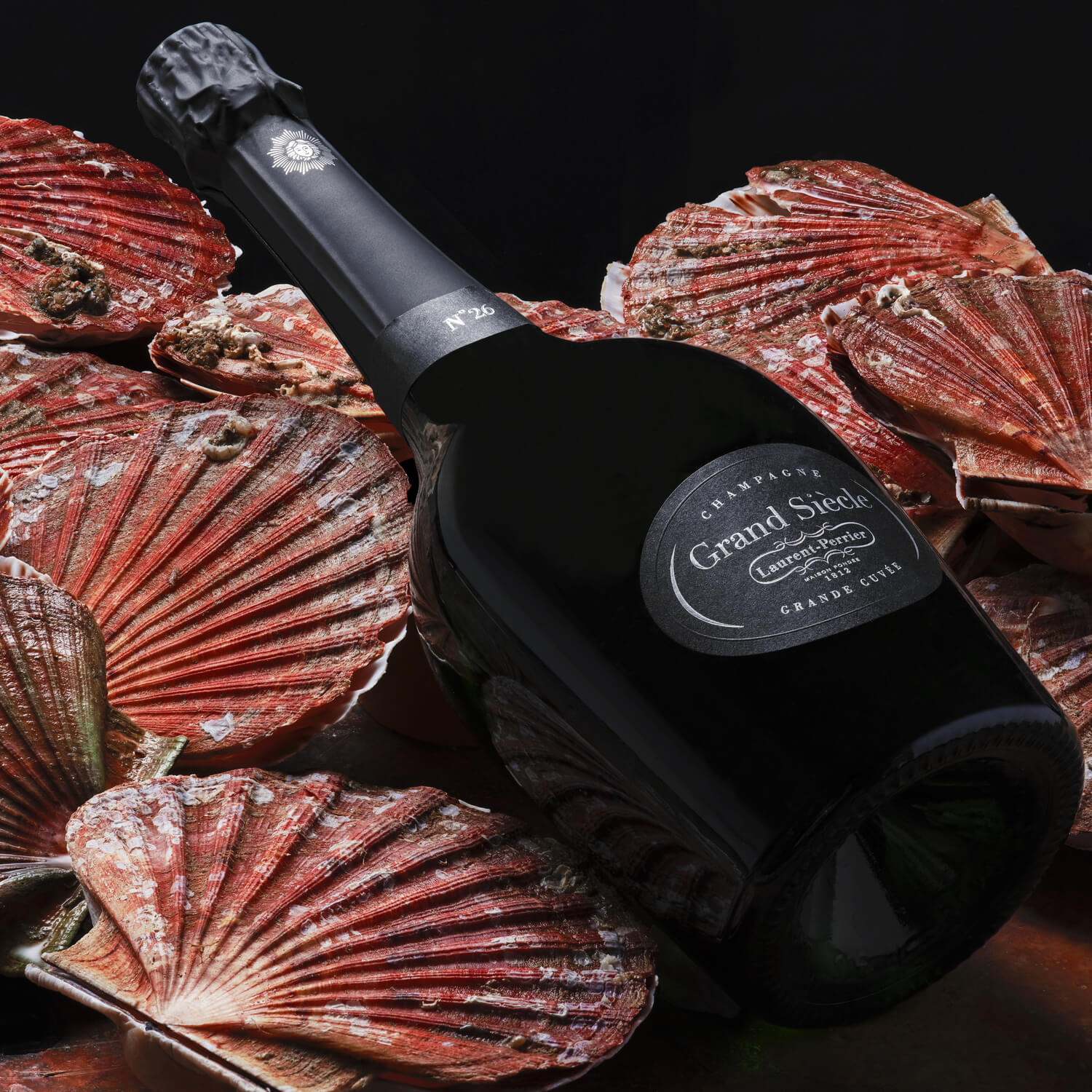
| Chardonnay | Seafood, grilled fish, roasted poultry, cream‑based dishes, hard cheeses (Comté, Beaufort). |
| Pinot Noir | Red meats, game, poultry in sauce, mushroom risotto, mature cheeses such as Époisses or Munster. |
| Meunier | Light, expressive dishes, smoked salmon, quenelles, tender poultry, lightly sweet‑and‑savory dishes. |
These pairings highlight the aromatic qualities of each grape while ensuring balance and finesse on the palate.
Chardonnay: the emblematic grape of Laurent‑Perrier
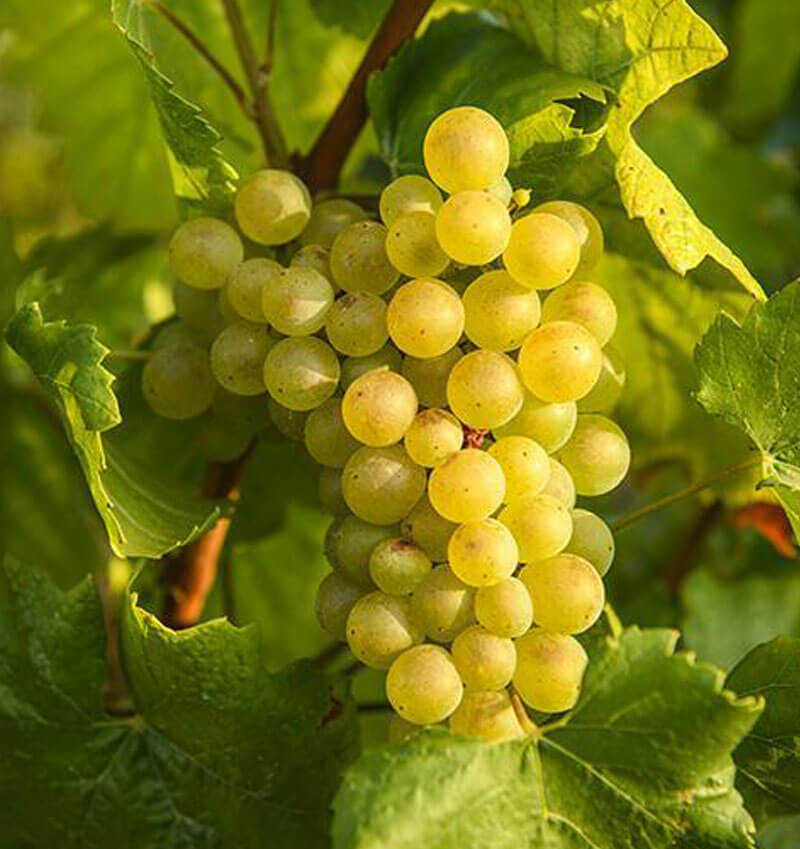
- – Present in most Laurent-Perrier blends, except for Rosés
- – Offers freshness, finesse, floral and mineral notes
- – Selected parcels in the Côte des Blancs reveal the grape’s full aromatic complexity
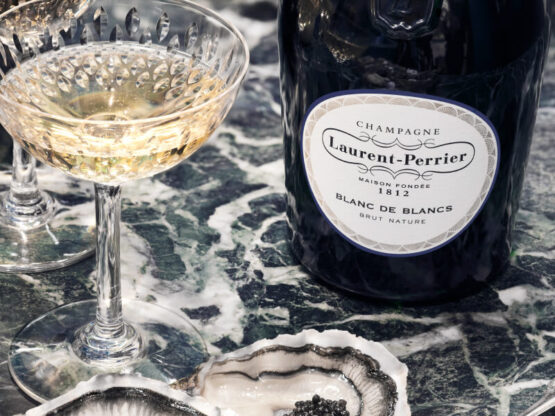
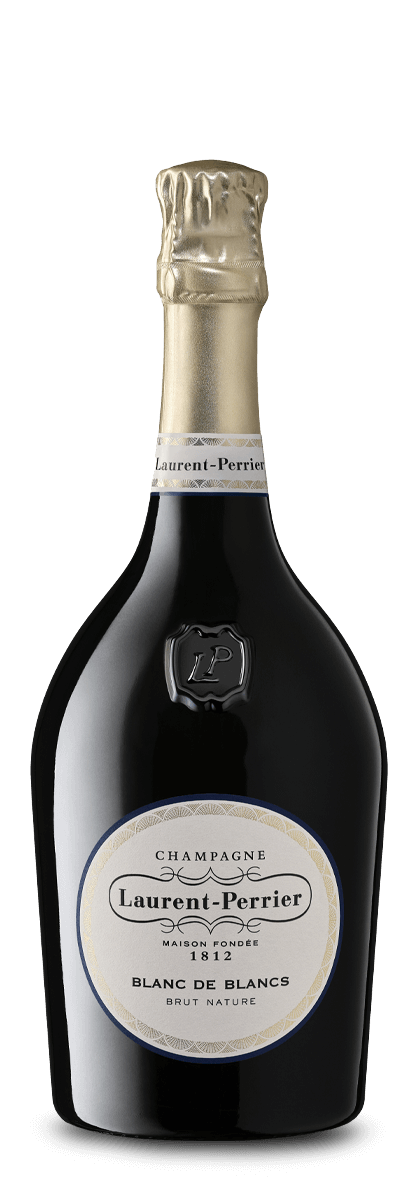
- – Blanc de Blancs Brut Nature showcases 100% Chardonnay from the finest vineyards
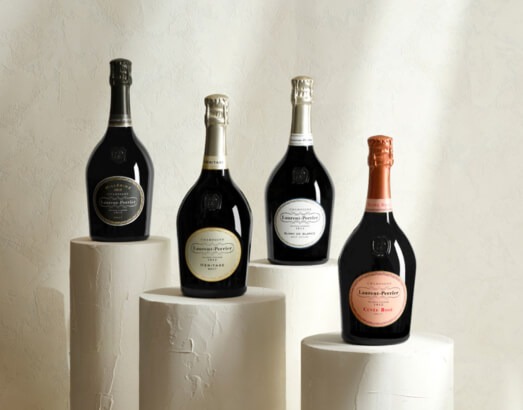
| Cuvée | Chardonnay | Pinot Noir | Meunier |
|---|---|---|---|
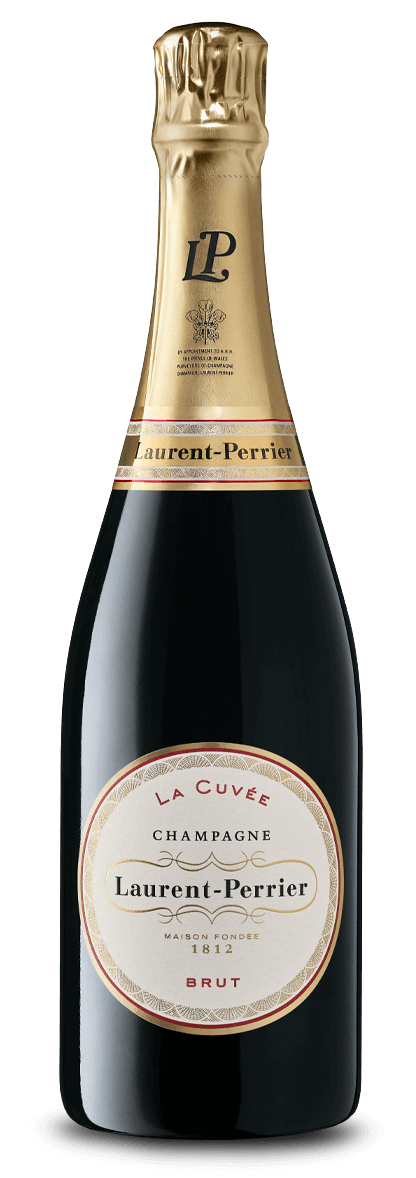
| La Cuvée | ✔ | ✔ | ✔ |
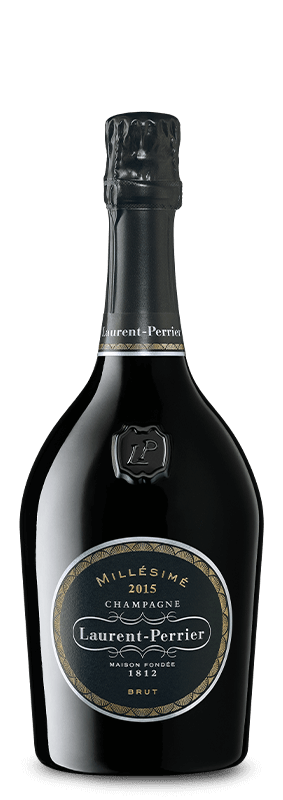
| Brut Millésimé | ✔ | ✔ | – |
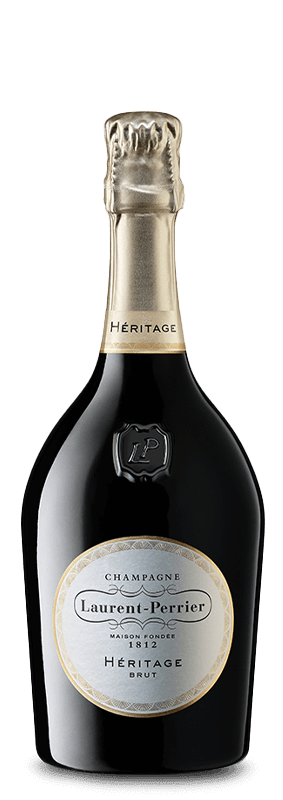
| Héritage | ✔ | ✔ | – |
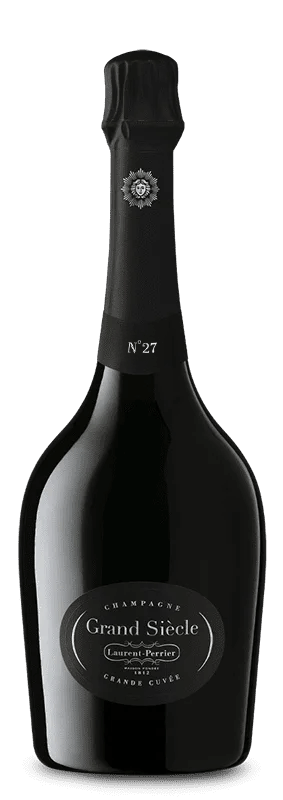
| Grand Siècle | ✔ | ✔ | – |
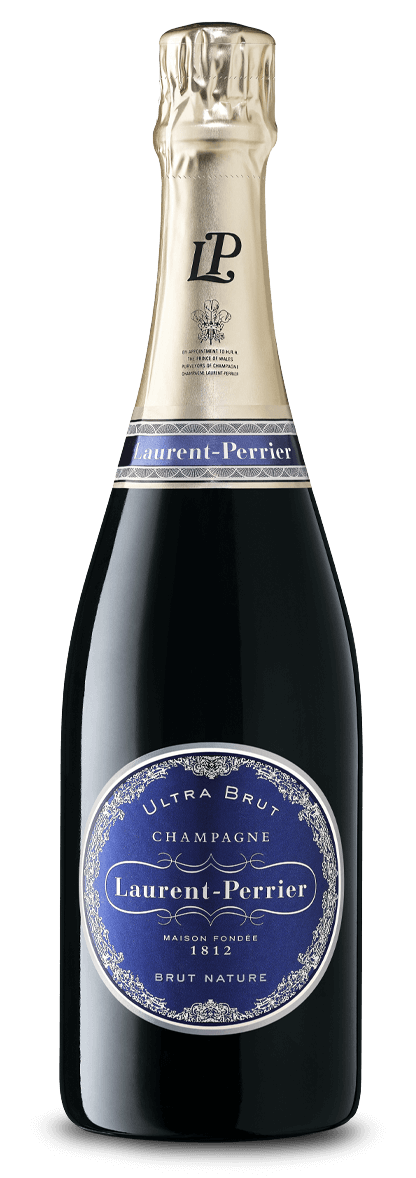
| Ultra Brut | ✔ | ✔ | – |
| Blanc de Blancs Brut Nature | ✔ | – | – |
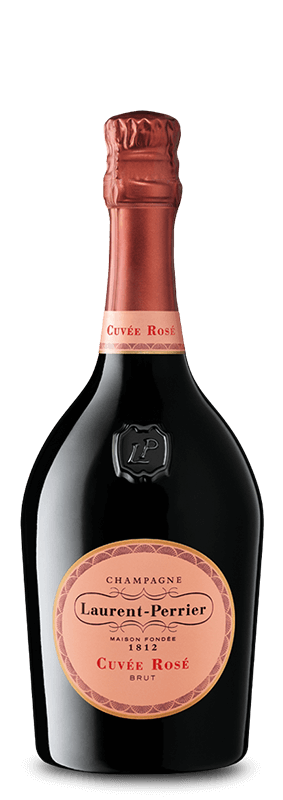
| Cuvée Rosé | – | ✔ | – |
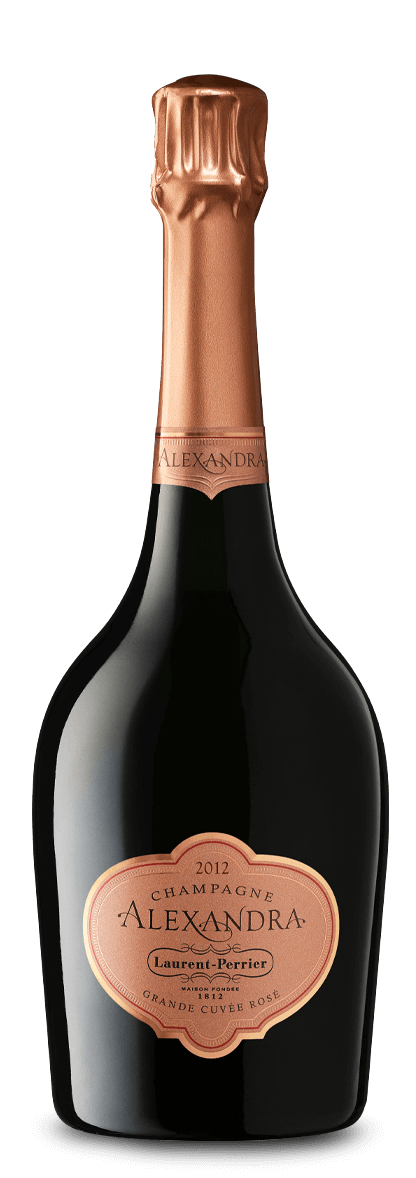
| Alexandra Rosé | ✔ | ✔ | – |
Conclusion
Champagne’s diversity is defined by its grape varieties, terroir, and careful winemaking practices. Understanding the varieties used in Champagne, from Chardonnay to Meunier, as well as rare grapes, allows enthusiasts to appreciate the style, balance, and aromatic potential of each bottle. Laurent-Perrier emphasizes Chardonnay’s finesse, while thoughtful parcel selection ensures each grape’s unique expression is captured in the final wine made.
Whether exploring a Grand Cru, a single-varietal Blanc de Blancs, or a delicate Rosé, knowledge of grape varieties elevates your tasting experience.