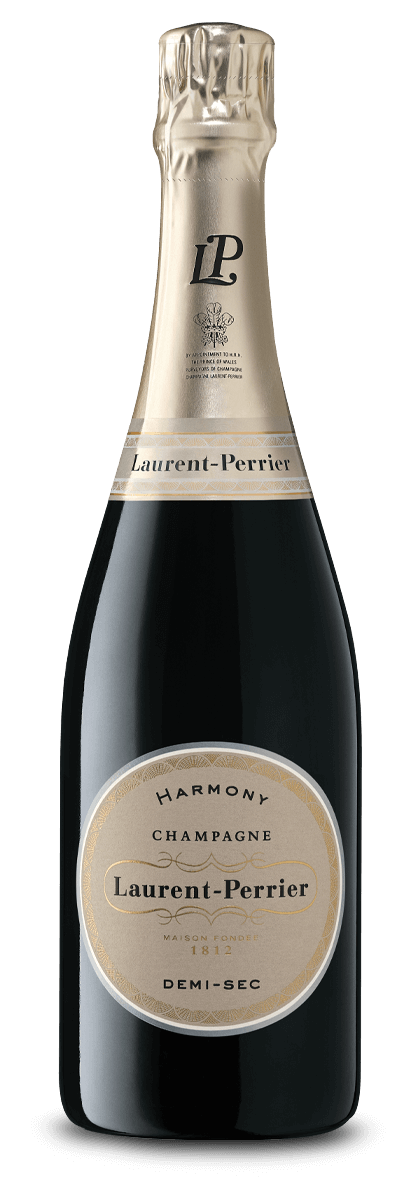
What Is a Champagne Wine?
The Champagne appellation, unique in the world, designates sparkling wines produced according to the Traditional Method (Méthode Traditionnelle) within the delimited Champagne region of mainland France: only wines from vineyards bearing the AOC Champagne designation may bear this name.
The winemaking process includes:
- – a specific pressing,
- – an initial alcoholic fermentation followed by a second fermentation in the bottle (“prise de mousse”),
- – ageing on lees in the cellar,
- – disgorgement,
- – and a final dosage with the liqueur d’expédition.
This complex process, combined with the richness of the Champagne terroirs, gives Champagne its fine bubbles, freshness, brilliance, and elegance.
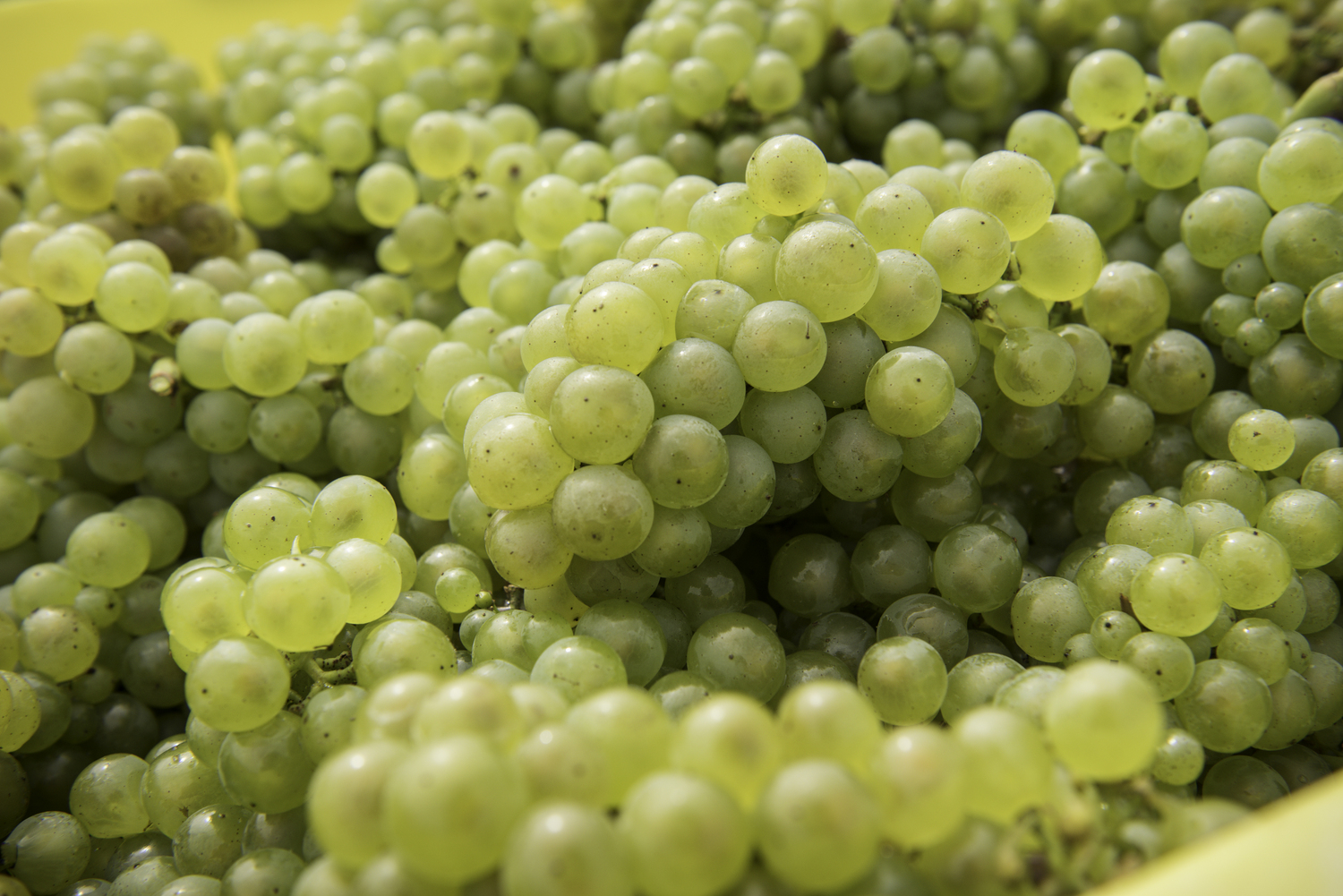
Champagne Houses may blend wines from different grape varieties — primarily Chardonnay, Pinot Noir, and Meunier — as well as from different years for non-vintage cuvées, in order to preserve their signature style and quality.
The Champagne appellation also imposes strict technical criteria: limited yields, regulated pressing, cellar ageing, and more. These rules ensure the typicity, quality, and authenticity of Champagne wines.
Thus, speaking of a “Champagne wine” means referring to an exceptional sparkling wine, born from a precise terroir and crafted with rigorous expertise — a wine that embodies freshness, minerality, and elegance, true to the Champagne style.
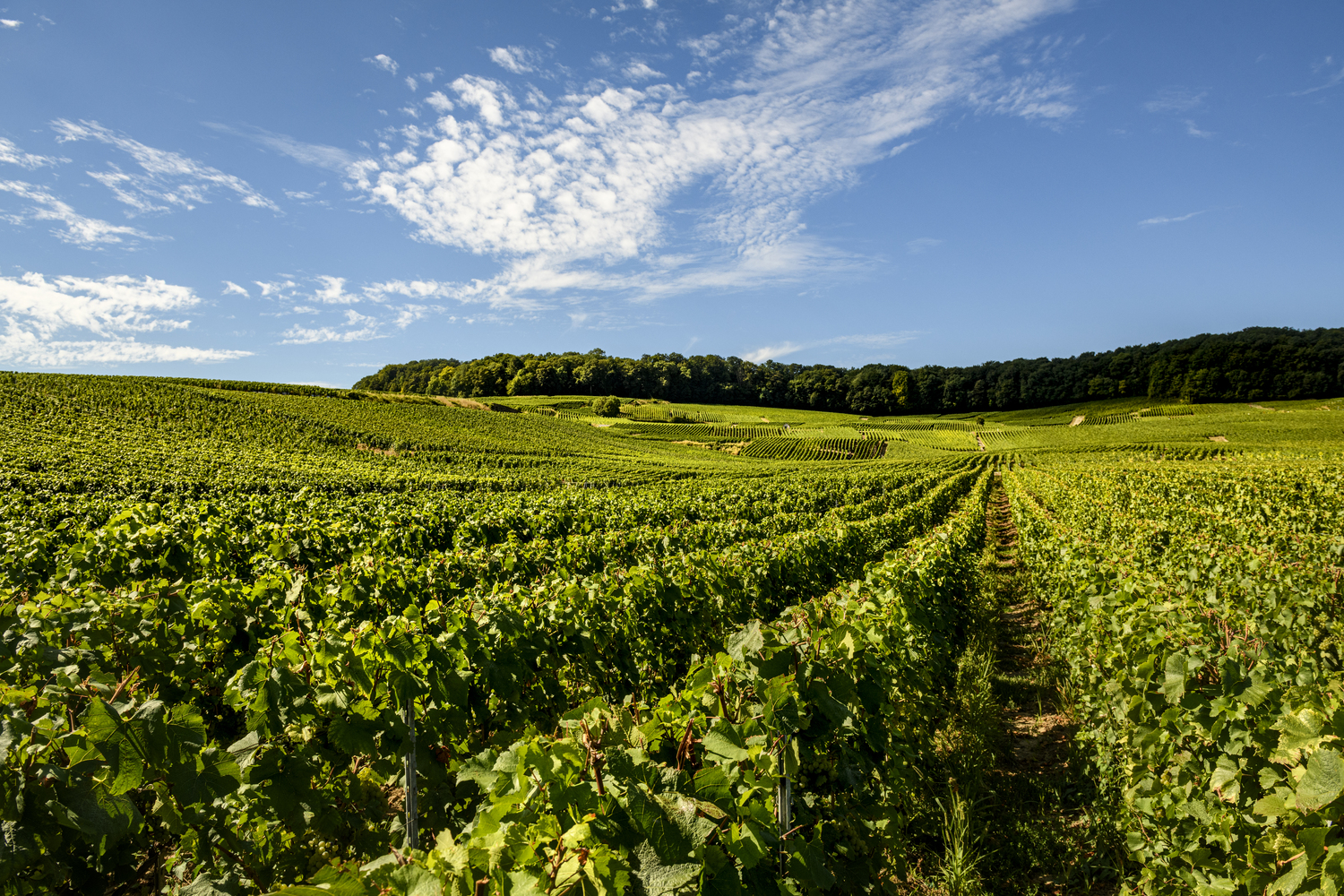
Champagne Extra Brut: Characteristics and Specificities
Definition and Context
The term Extra Brut applies to a Champagne cuvée with an extremely low sugar content after disgorgement, which gives the wine purity, tension, and a direct expression of its terroir.
- – According to professional standards, a Champagne Extra Brut contains between 0 and 6 grams of sugar per litre.
- – Cuvées with no added sugar — labelled Brut Nature or Zero Dosage — have a residual sugar level below 3 g/L.
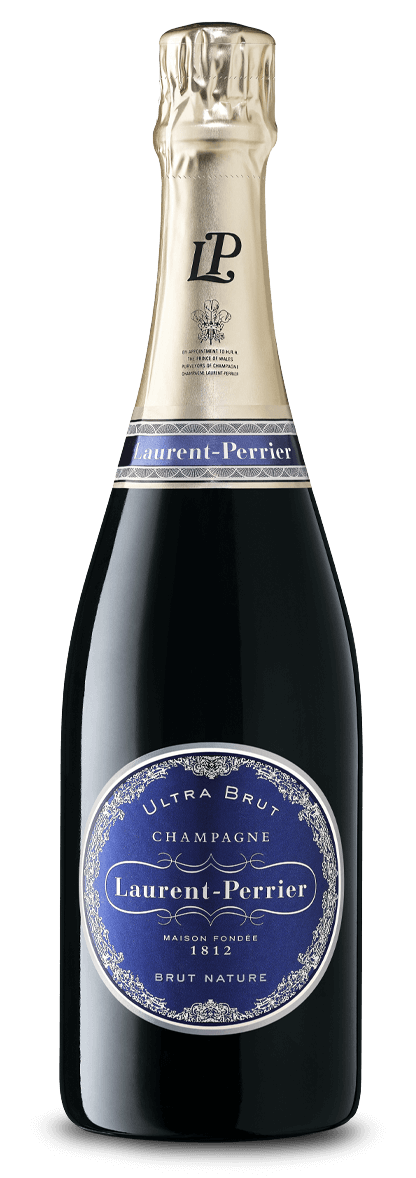
Laurent-Perrier was a pioneer in this field, launching the Laurent-Perrier Ultra Brut in 1981 — a benchmark of innovation and precision. The categories Extra Brut and Brut Nature were officially recognised in 1985 and 1996 respectively.
Differences Between Extra Brut, Brut, and Brut Nature
- – Brut Champagne is the most common category, with up to 12 g of sugar per litre.
- – Brut Nature, or “Non-Dosé”, involves no added sugar and a residual sugar level below 3 g/L.
- – Extra Brut sits between the two, offering both purity and accessibility — taut, expressive, and refined.
As the House notes: “Extra Brut: from 0 to 6 g/L… a compromise between purity and accessibility.”
Appellation Rules for a Champagne Extra Brut
- The Extra Brut designation must comply with the maximum sugar level per litre after the addition of the liqueur d’expédition, in accordance with the regulations of the Union des Maisons de Champagne:
- – The dosage must be stated on the label.
- – The wine must meet all requirements of the Champagne appellation (yields, grape varieties, prise de mousse, ageing).
- – The philosophy of low dosage aims to highlight the terroir, freshness, minerality, and purity of the wine.
Sugar Dosage by Category
| Label Mention | Sugar Content (g/L) |
|---|---|
| Brut Nature / Non-Dosé / Zero Dosage | 0 – 3 g/L |
| Extra Brut | 0 – 6 g/L |
| Brut | < 12 g/L |
| Extra Dry | 12 – 17 g/L |
| Sec | 17 – 32 g/L |
| Demi-Sec | 32 – 50 g/L |
| Doux | > 50 g/L |
This table clearly situates the Extra Brut designation and illustrates why it produces a dry, taut, and pure wine.
Food Pairings with Champagne Extra Brut
Extra Brut is defined by its finesse, tension, and freshness — qualities that guide the choice of pairings.
Recommended Pairings Table
| Occasion | Suggested Dishes | Why the Pairing Works |
|---|---|---|
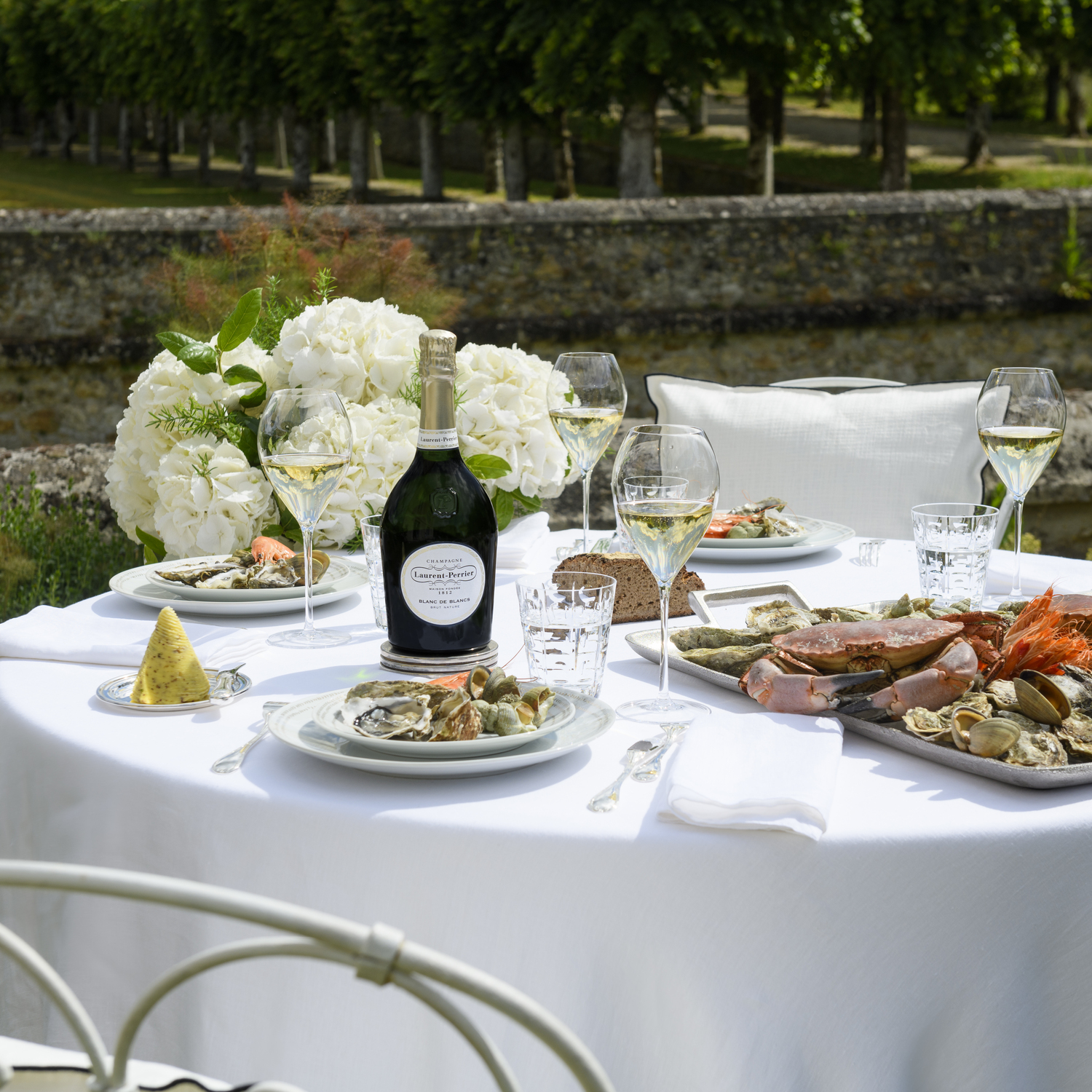
| Aperitif | Oysters, scallop tartare, sashimi, light ceviche | The low sugar level, freshness, and vibrancy make it ideal to awaken the palate. |
| Starter | Sea bass or smoked salmon carpaccio, green asparagus, crisp vegetables | The wine’s tension complements delicate flavours without overpowering them. |
| Main – Fish | Sole fillet, turbot with beurre blanc, steamed lobster | The dry, direct style enhances delicate, iodine-rich textures. |
| Main – White Meat | Roasted Bresse chicken, veal in light cream sauce | The balance between acidity and structure supports the dish without dominating it. |
| Cheese | Fresh goat cheese, young Comté (12–18 months), Parmigiano Reggiano | Highlights the wine’s saline precision and texture. |
| Dessert | Fresh citrus, light lemon tart | The wine’s lively acidity complements the dessert’s freshness. |
Tasting: How to Appreciate an Extra Brut
To fully appreciate a Champagne Extra Brut, serve it between 8 and 10 °C, in a flute or preferably a tulip-shaped glass. Observe the fineness of the bubbles, inhale the fruit aromas, and savour the wine’s tension and freshness on the palate. Each sip reveals the terroir’s character and the unique balance of the Extra Brut style — poised between purity and expressiveness.
Pairings to Avoid
- Certain foods can overwhelm or clash with the precision of an Extra Brut:
- – Strongly sweet-and-savoury dishes, rich chocolate or cream-based desserts, highly spiced or exotic cuisine.
- – In such cases, the wine’s dryness and minerality may appear overly pronounced.
Champagne Extra Brut and Sensory Diversity

The Extra Brut style embodies purity, freshness, and precision. Depending on the blend, vintage, or ageing:
- – Extra Brut dominated by Chardonnay: notes of lemon, white flowers, chalky minerality, and aerial elegance.
- – Extra Brut led by Pinot Noir or Meunier: more body and structure, with hints of ripe fruit or brioche, while maintaining vibrancy and focus.
- – Extended ageing and reserve wines contribute toasted, biscuit, or lightly saline notes, enriching the wine without compromising its linear purity.
Essential References from the Laurent-Perrier House
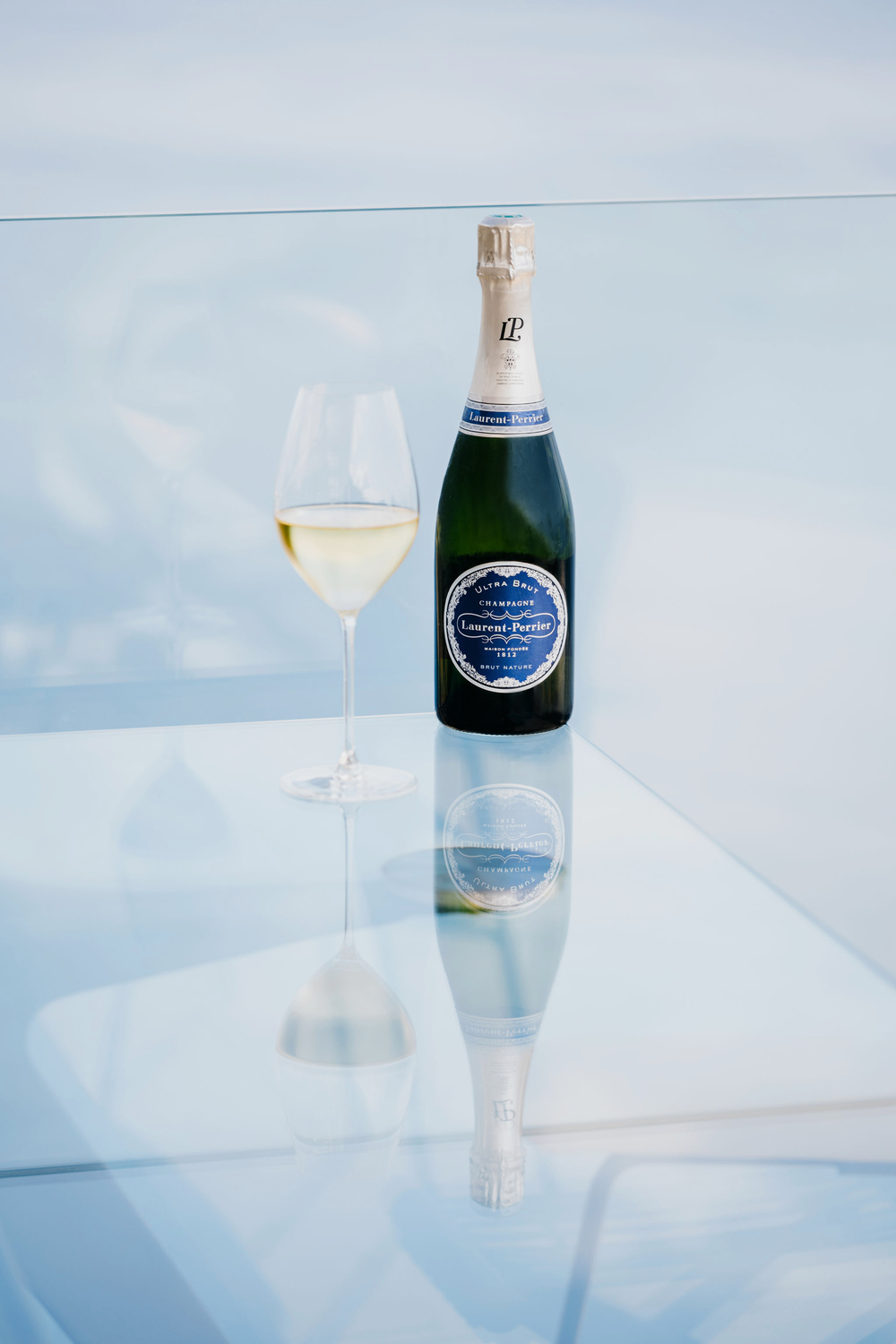
- – Laurent-Perrier Ultra Brut (1981): a pioneering cuvée with no added sugar, representing the “zero dosage” style.
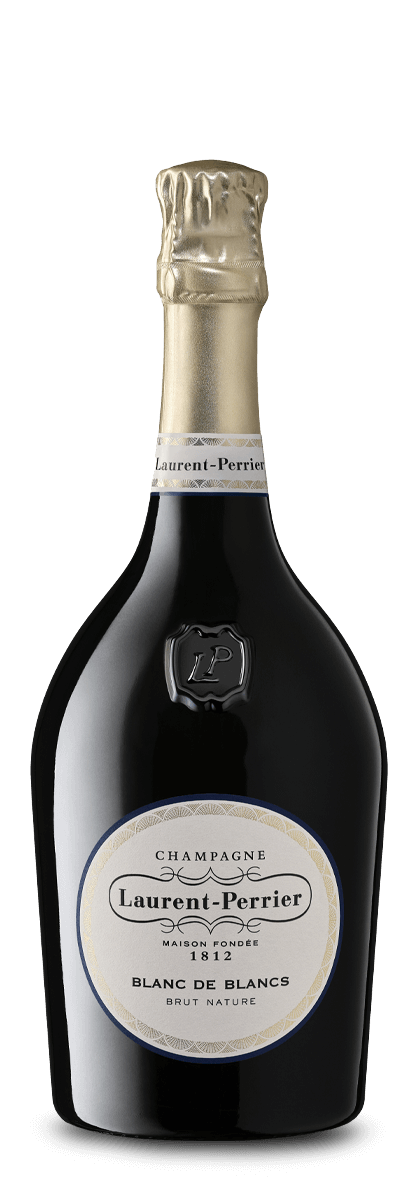
- – Laurent-Perrier Blanc de Blancs Brut Nature: 100 % Chardonnay, undosed, offering a refined and mineral expression.
Other Houses may offer comparable Brut Zéro or Extra Brut cuvées, yet Laurent-Perrier remains distinguished by its consistent style — one of finesse, freshness, and elegance.