Table of contents
- What is Champagne?
- The Classification of Terroirs: Grands Crus and Premiers Crus
- The Great Chardonnay Terroirs and How They Differ from Other Champagnes
- Winemaking Method
- Oenological Requirements for the Best Blanc de Blancs
- Recognizing a Fine Blanc de Blancs on the Palate
- Why the “Best” Depends on the Occasion
- Food Pairings
- Selection of the Best Blanc de Blancs by Laurent-Perrier
- Price and Accessibility
- Conclusion
What is Champagne?
Champagne is an exceptional sparkling wine produced exclusively in the eponymous region in northeastern France. Its unique character stems from the traditional méthode champenoise, which induces a second fermentation directly in the bottle, creating the wine’s fine, persistent effervescence. The complexity and depth of each cuvée result from a delicate balance between grape varieties, terroirs, and the expertise of the winemakers.
Traditionally, three grape varieties form the foundation of Champagne:
– Chardonnay, a white grape, is renowned for bringing elegance, freshness, and finesse;
– Pinot Noir, a black grape, contributes structure and power;
– and Meunier, also a black grape, adds roundness and fruitiness.
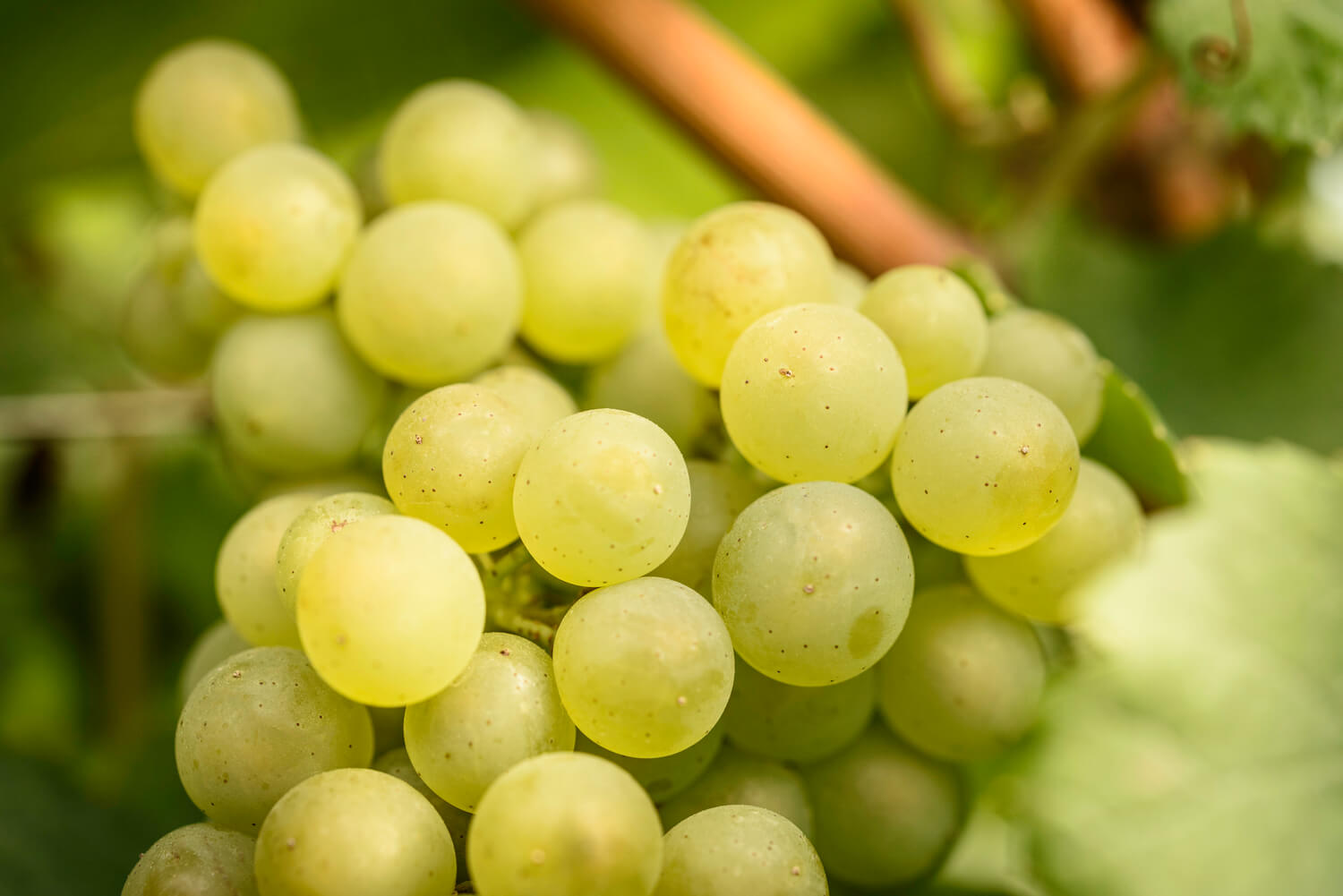
Among these, Chardonnay stands out for its ability to produce the most refined Blancs de Blancs—Champagnes made exclusively from white grapes, often considered the finest expression of purity and precision.
The Classification of Terroirs: Grands Crus and Premiers Crus
The Champagne region is a mosaic of villages classified according to their qualitative potential. Grands Crus represent the pinnacle of excellence, located on exceptional terroirs where Chardonnay reaches optimal maturity and concentration. Premiers Crus, slightly below in classification, contribute aromatic richness and complexity, approaching Grand Cru quality.
A Blanc de Blancs composed largely of grapes from Grands and Premiers Crus naturally displays remarkable depth, length, and an authentic expression of the Champagne terroir.
The Great Chardonnay Terroirs and How They Differ from Other Champagnes
Chardonnay finds its truest expression on the Côte des Blancs, in villages such as Avize, Cramant, Le Mesnil-sur-Oger, and Oger. These terroirs produce wines of striking linearity and chalky minerality, known for their exceptional longevity and incomparable finesse.
In the Montagne de Reims, notably in Trépail and Villers-Marmery, high-altitude Chardonnay develops energy, vibrancy, and floral and citrus notes. In the Aube, particularly around Montgueux, generous sunlight yields rounder, fuller-textured wines with exotic fruit aromas—more indulgent and approachable than some classic Brut Champagnes.
How Blanc de Blancs Differ from Other Champagnes:
- – Rosé: Typically fruitier and more structured, with red berry notes and a hint of tannin absent in Blancs de Blancs.
- – Blanc de Noirs (Pinot Noir / Meunier): Richer and more powerful, with red or dark fruit aromas and a fuller texture compared to the airy finesse of Chardonnay.
- – Traditional Blends: Combine multiple grape varieties for broader complexity, though they may lack the precision and ethereal lightness characteristic of Blancs de Blancs.
Winemaking Method
Crafting a high-quality Blanc de Blancs requires meticulous attention to every detail. The essential steps include:
- – Grape Selection: Only perfectly ripe and healthy white grapes are used, ensuring varietal purity.
- – Ageing on Lees: The wine matures on its lees to develop finesse, aromatic complexity, and a persistent mousse.
- – Dosage: Often Brut Nature or Extra Brut, adjusted to maintain balance between tension and roundness.
- – Blending: Combining different vintages and terroirs ensures harmony and consistency across cuvées.
- – Quality Control: Every stage is overseen by the Chef de Cave to uphold the Maison’s signature style.
Oenological Requirements for the Best Blanc de Blancs
To be considered a Best Blanc de Blancs, several key criteria must be met:
- – Purity of Variety: 100% Chardonnay from healthy, perfectly ripe grapes.
- – Balance of Acidity and Structure: Natural tension married with roundness, offering length and complexity.
- – Maturation and Ageing: Extended lees ageing to enhance finesse, aromatic depth, and persistent effervescence.
- – Selection of Terroirs: A high proportion of Grands and Premiers Crus to ensure typicity and elegance.
- – Aromatic Harmony: Notes of citrus, white flowers, and white or sometimes exotic fruits, underpinned by chalky minerality.
Recognizing a Fine Blanc de Blancs on the Palate
A high-quality Blanc de Blancs reveals itself through its fine, lasting mousse, lively and fresh attack, and subtle balance of freshness, roundness, and aromatic complexity. Citrus, white fruit, and floral notes are supported by the terroir’s minerality. The finish is long and refined, reflecting both craftsmanship and excellence.
Why the “Best” Depends on the Occasion
The notion of the best Blanc de Blancs extends beyond the cuvée itself—it also depends on the occasion and context of tasting. Celebrations such as weddings, anniversaries, Christmas, or Valentine’s Day elevate the experience, allowing the wine’s finesse and purity to be fully appreciated.
| Occasion | Expected Style | Notes & Sensations | Ideal Pairings |
|---|---|---|---|
| Wedding | Elegant, airy | White flowers and citrus, long finish | Aperitif, seafood |
| Anniversary | Festive, vibrant | Freshness, tension, fine bubbles | Refined canapés, soft cheeses |
| Christmas | Round, generous | Subtle citrus and white fruit aromas, silky texture | Poultry, foie gras, smoked salmon |
| Valentine’s Day | Refined, delicate | Floral and lemony notes, fine mousse | Oysters, scallops, fruit-based desserts |
| Dinner with Friends | Fresh, balanced, approachable | Light fruit and gentle tension | Appetizers, crisp vegetables, grilled fish |
Food Pairings
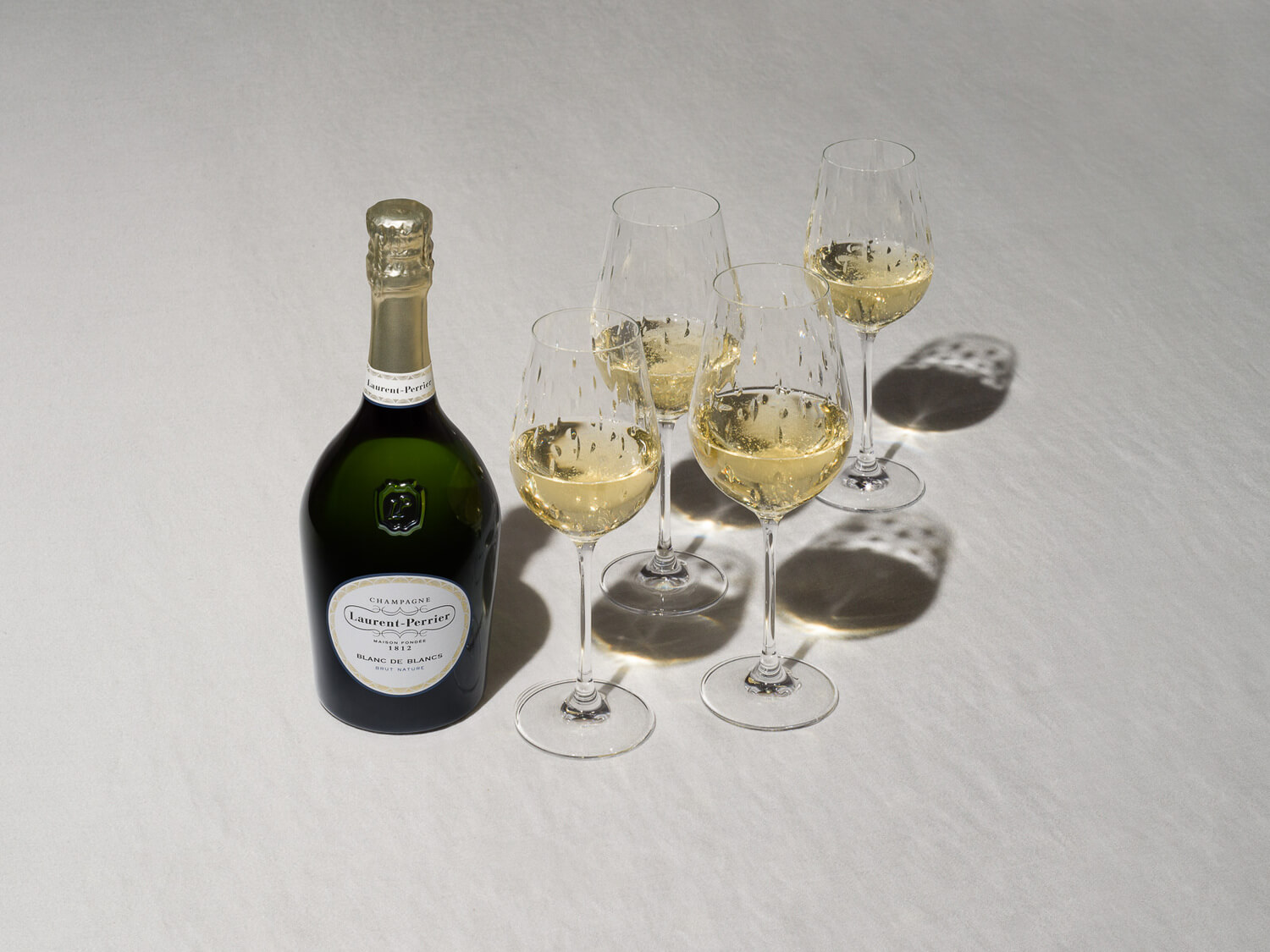
To highlight the finesse and purity of Blanc de Blancs, consider the following pairing principles:.
- – Aperitifs & Seafood: Ideal with elegant, airy cuvées revealing citrus and floral notes.
- – Refined Canapés & Soft Cheeses: Perfect with lively, festive wines.
- – Holiday Dishes (Foie Gras, Smoked Salmon, Poultry): Enhanced by round, generous Blanc de Blancs.
- – Casual Dinners: Light appetizers, fresh vegetables, or grilled fish pair beautifully with fresh, accessible cuvées.
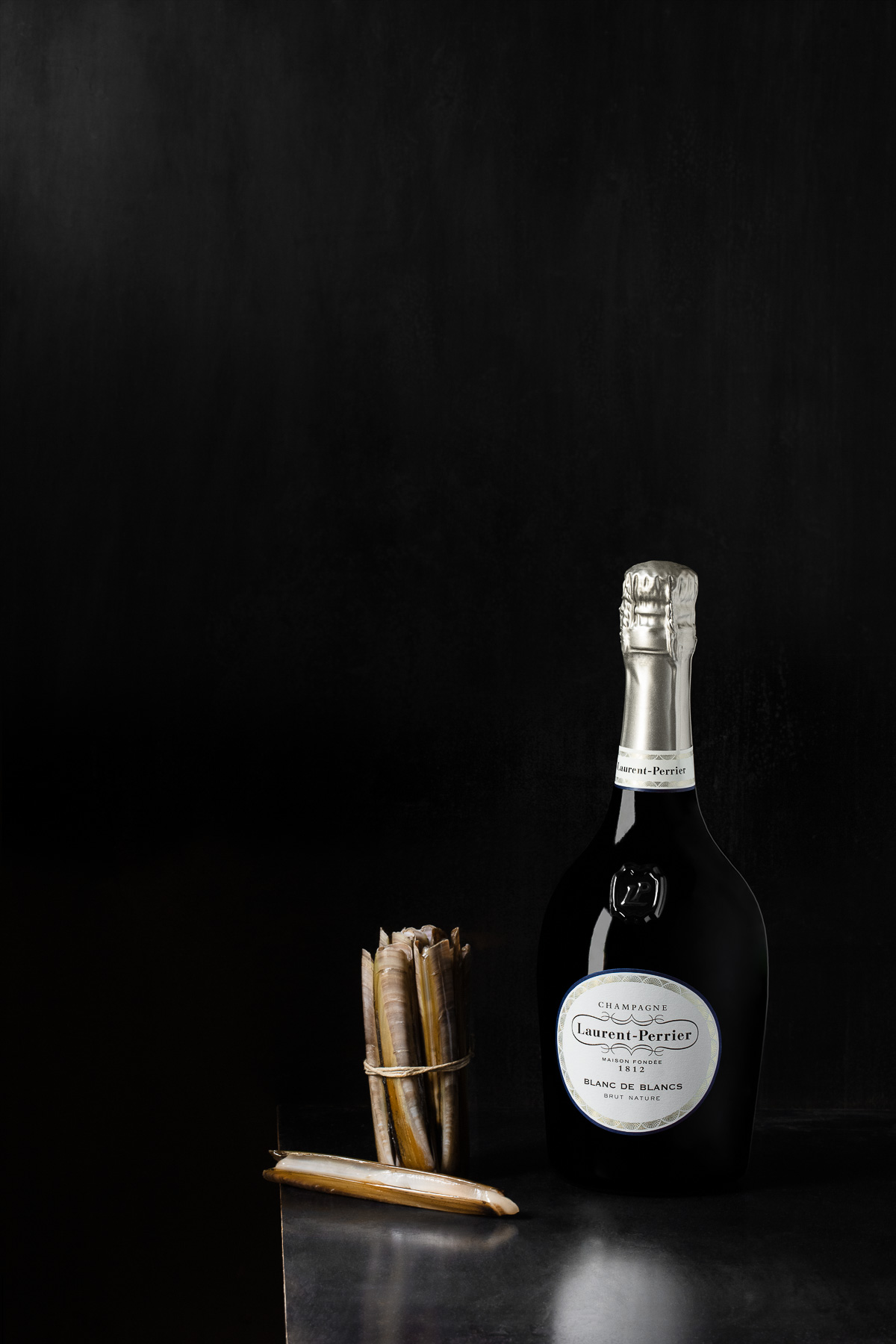
Selection of the Best Blanc de Blancs by Laurent-Perrier
The Maison Laurent-Perrier presents its emblematic cuvée:
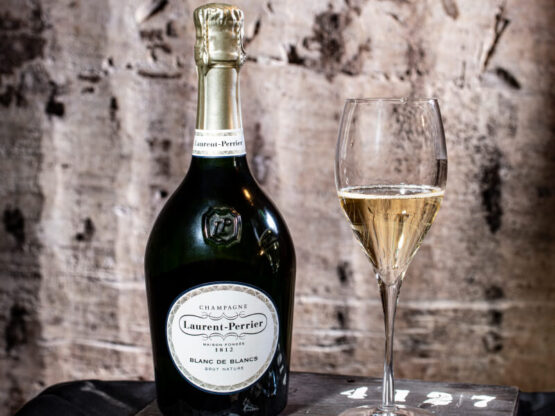
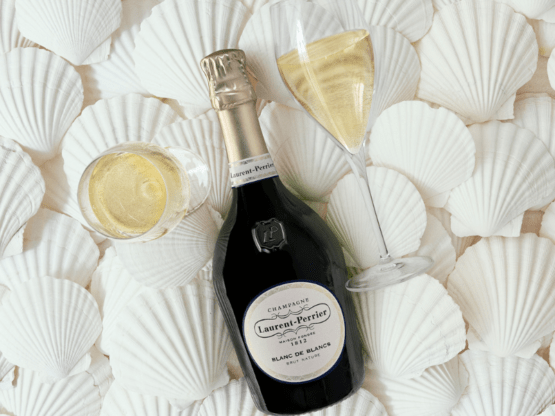
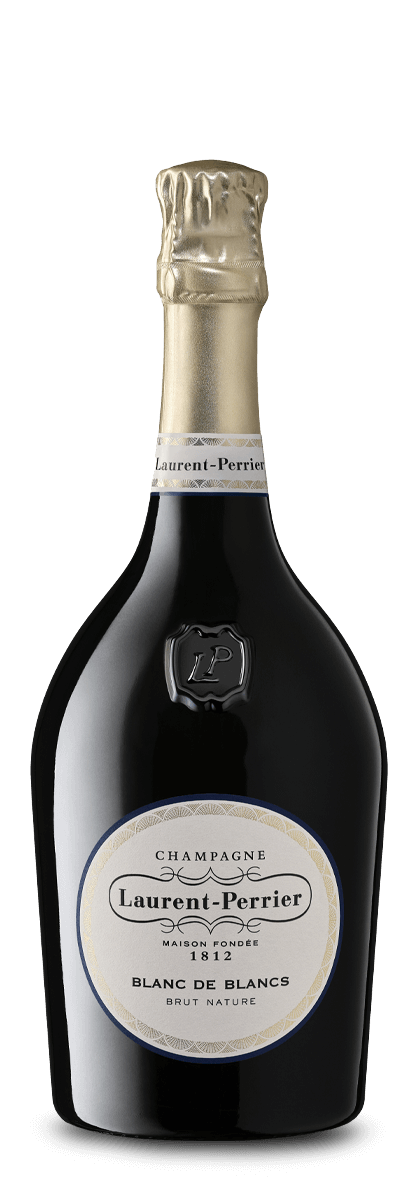
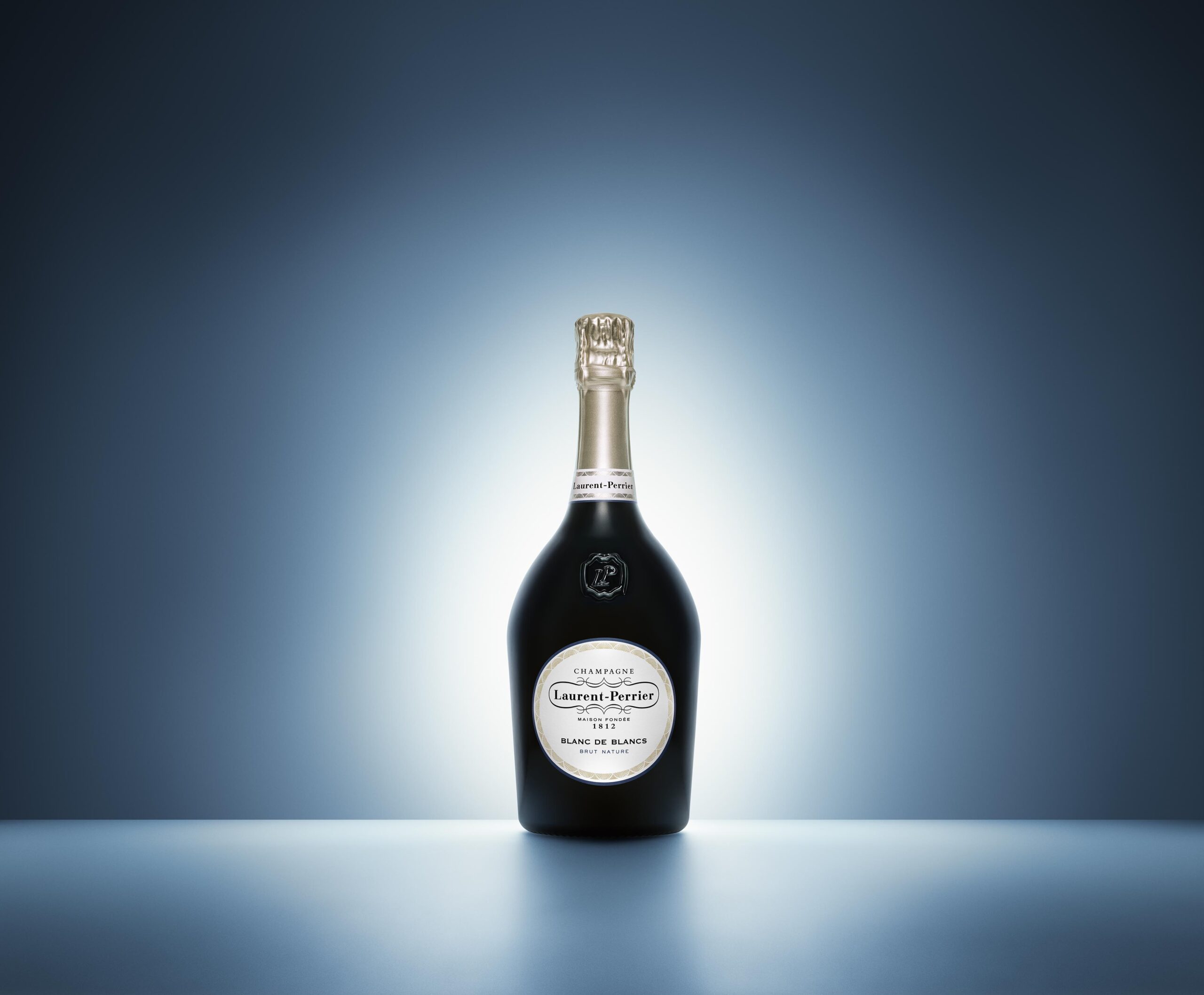
- – Blanc de Blancs Brut Nature: 100% Chardonnay from the Grands Crus of the Côte des Blancs and the Premiers Crus of the Montagne de Reims—an expression of exceptional purity and balance.
Price and Accessibility
Blanc de Blancs Champagnes generally occupy a higher price range than traditional blends, reflecting the quality of the Chardonnay grape, the terroir, and the craftsmanship. Each bottle represents an investment in finesse, elegance, and purity.
Conclusion
There is no single best Blanc de Blancs Champagne—rather, a multitude of expressions. Each cuvée reveals the finesse of Chardonnay, the influence of terroir, and the expertise of its maker. The Blancs de Blancs of Laurent-Perrier embody this pursuit of excellence, transforming every tasting into a moment of emotion and refinement.