Table of Contents
Wrapping a bottle of champagne is not merely a practical gesture. It is a subtle balance between protection, elegance, and safety.
Champagne is a singular wine: a heavy bottle made of thick glass, containing wine under pressure. Its packaging must therefore meet specific requirements, whether it is intended as a gift or for transport.
Whether you want to wrap a bottle for a friend or simply ensure its safety, here are the main methods, from the simplest to the most refined.
Classic Wrapping: Gift Paper and Creative Touches
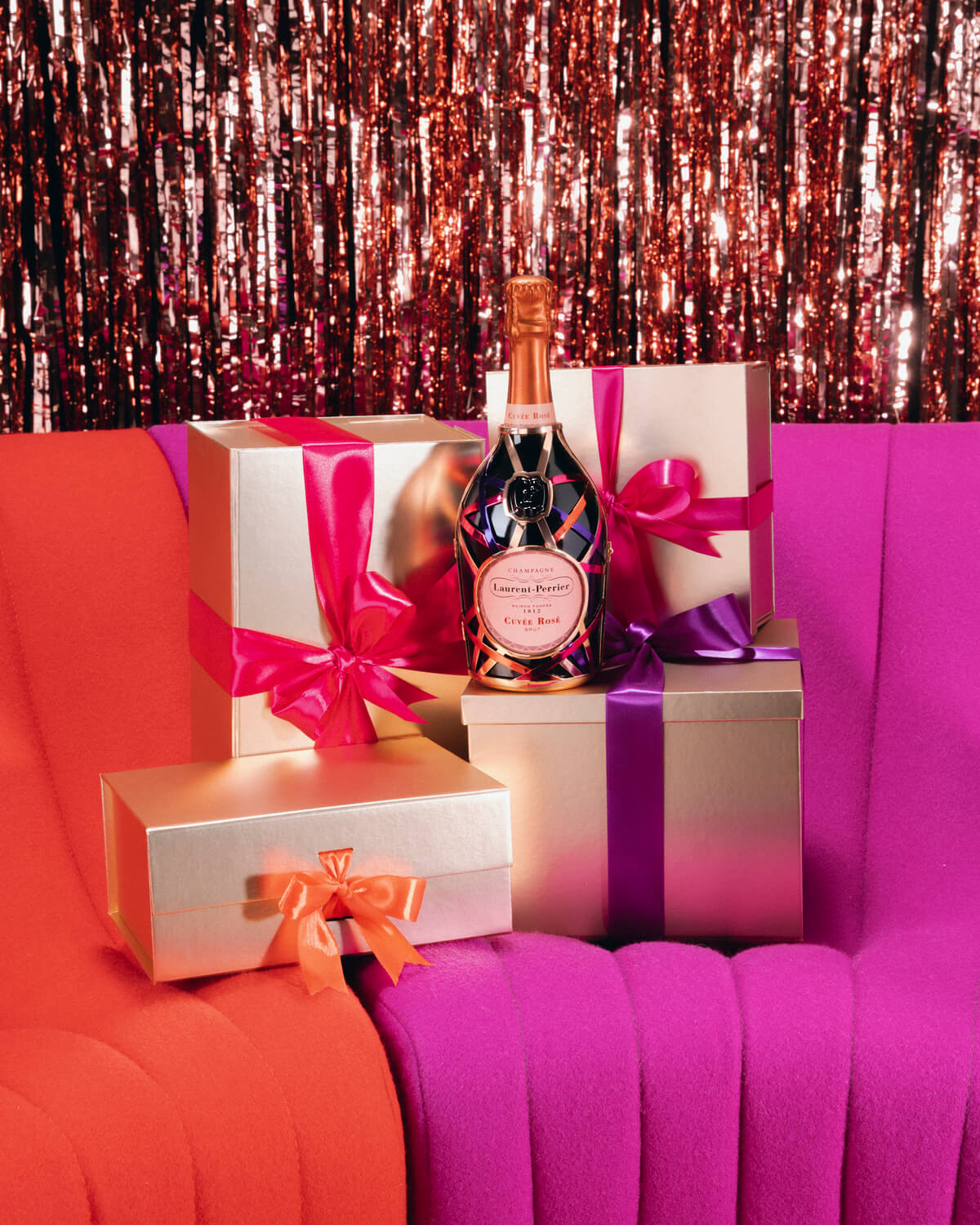
Required Materials
- – Sturdy gift paper or thick kraft paper
- – Discreet adhesive tape
- – Decorative ribbon or elegant tie
Steps to Follow
- 1. Place the bottle upright in the center of the paper.
- 2. Wrap the paper around the bottle, ensuring the base is fully covered.
- 3. Gather the excess paper at the neck to create a pleated effect.
- 4. Secure discreetly with adhesive tape.
- 5. Add a decorative ribbon or bow around the neck to finish the look.
Tip: Choose slightly textured paper to prevent it from slipping on the glass.
A beautiful presentation can truly make your day when you see the recipient’s reaction.
Bottle Gift Bags: Simplicity and Refinement
To avoid the technical challenge of trying to wrap a bottle yourself, specially designed bottle bags offer a quick and secure solution.
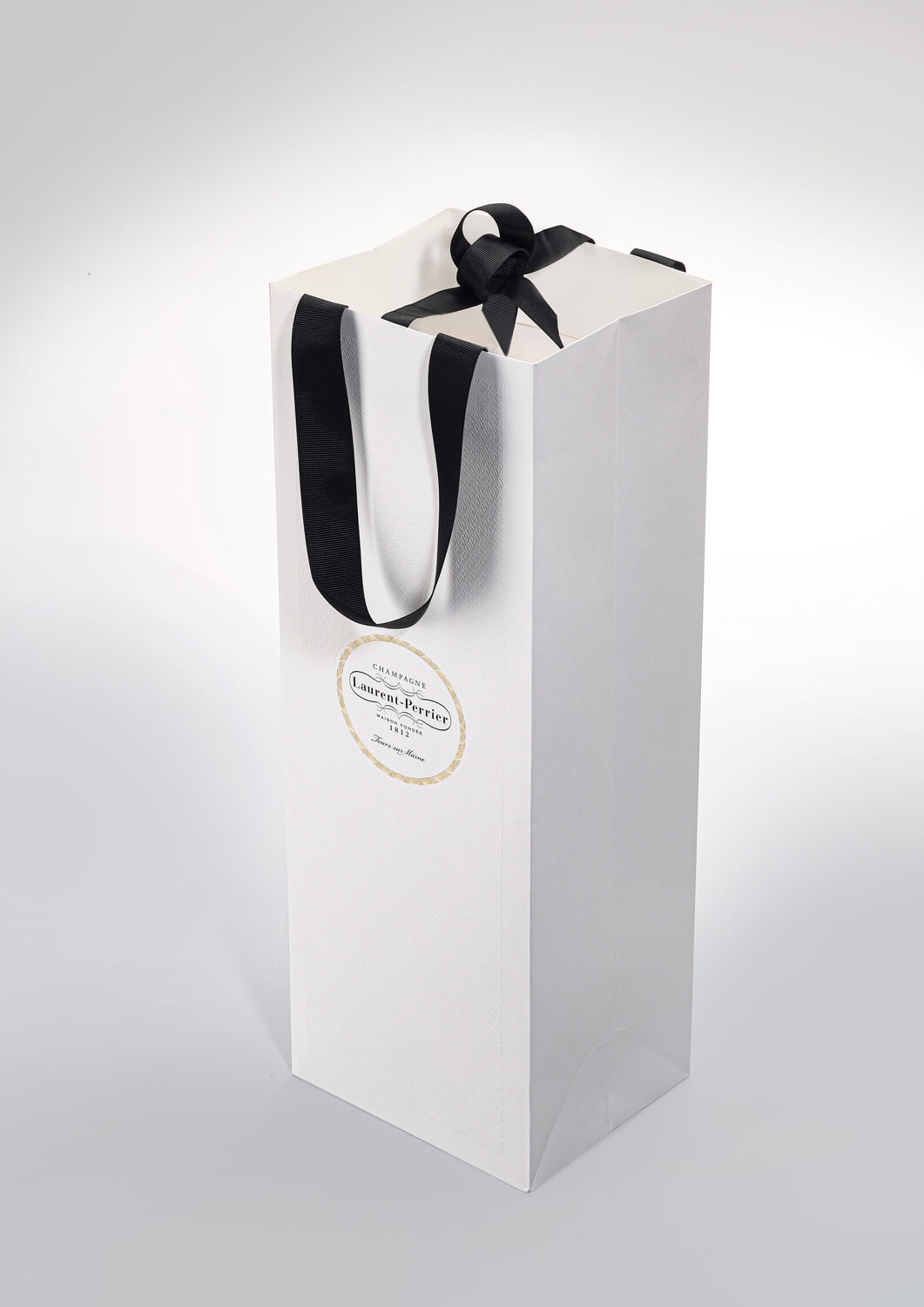
Their advantages:
- – perfect stability,
- – easy transport,
- – high-quality presentation.
Adding tissue paper inside provides an extra touch of refinement.
This type of bag, often made of thick paper, is now widely used by wine merchants and prestigious Champagne Houses.
Textile Wrapping: The Japanese Furoshiki Method
For a particularly refined gift, the traditional Japanese method known as furoshiki is an excellent option.
It involves wrapping the bottle in a knotted fabric, offering an elegant, sustainable, and eco-friendly alternative.
Materials to Prepare
- – A square piece of fabric measuring 50 to 70 cm
- – Recommended materials: cotton, linen, or silk
Steps
- 1. Place the bottle in the center of the fabric.
- 2. Tie two opposite corners around the neck.
- 3. Then tie the remaining two corners over the top to create a handle.
- The result is especially chic, and the fabric can be reused. This method is ideal for a premium gift, aligned with a responsible approach.
Wrapping a Bottle of Champagne for Transport
When aesthetics are no longer the priority and safety becomes essential, maximum protection is required for any bottle of wine.
Best practices
- – Wrap the bottle in bubble wrap.
- – Use reinforced cardboard or a polystyrene sleeve.
- – Keep the bottle upright whenever possible to maintain the integrity of the cork.
- – Avoid shocks, vibrations, and sudden changes in heat.
These precautions are essential, especially for long-distance transport or air travel.
Sleeves and Gift Boxes: The Case of Prestige Cuvées
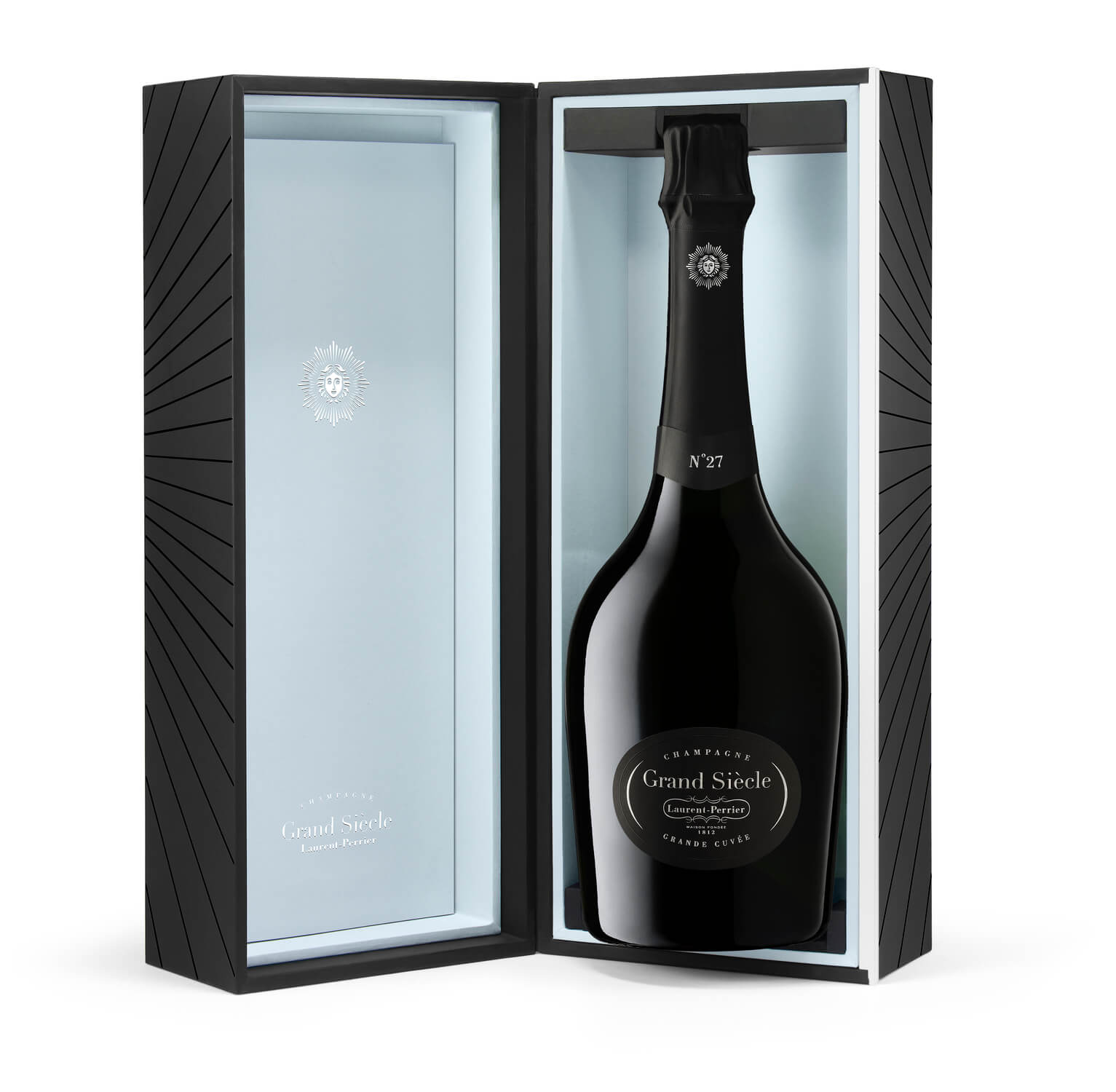
At wine merchants, some cuvées are offered in cardboard sleeves. However, for Prestige Cuvées—the most high-end Champagnes from the Great Houses—the bottle is almost always presented in a dedicated gift box.
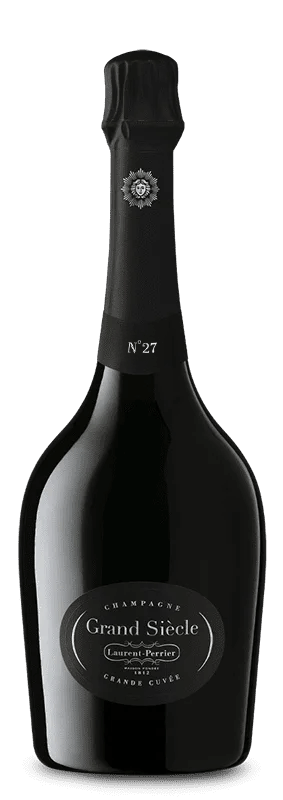
This box protects the bottle from light (avoiding “light strike”), limits shocks, and enhances the experience of giving. For iconic wines like Grand Siècle by Laurent-Perrier, Dom Pérignon, or Cristal by Louis Roederer, the gift box remains the international standard.
In Summary: How to Properly Wrap a Bottle of Champagne?
- For gifting:
- tissue paper and a bag adapted to the bottle format,
- a Use tissue paper and a bag adapted to the bottle format, or a prestige gift box for special occasions.
- For transporting or carrying a bottle:
- priority on strength and safety,
- Priority goes to strength and safety. Use bubble wrap and reinforced cardboard.
- Sustainability:
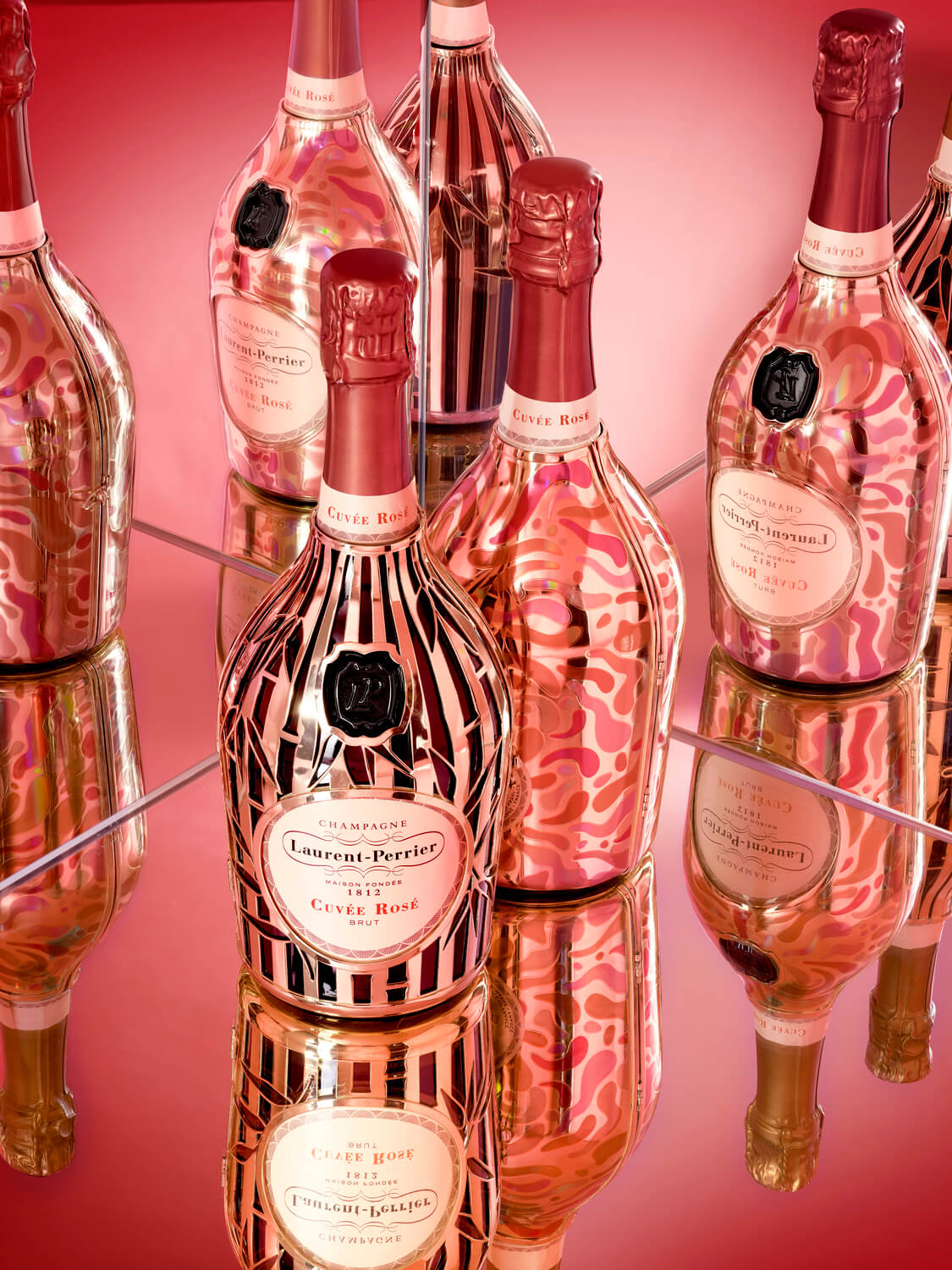
- Many houses are now moving toward “naked” bottles or eco-designed packaging to reduce their environmental footprint.
Ultimately, the way you wrap a bottle of champagne should always be adapted to its purpose: gifting, transporting, or storing, while respecting the elegance and spirit of the wine it contains.