Table of contents
- What is a Champagne wine?
- The Key Rules of the Appellation
- Champagne Grape Varieties
- The Role of Pinot Noir in Champagne Vineyards
- Pinot Noir Around the World
- Pinot Noir Terroirs in Champagne
- Pinot Noir in Blending
- Food Pairings with Pinot Noir-Based Champagnes
- Laurent-Perrier Cuvées with Prominent Pinot Noir Expression
- Conclusion: Pinot Noir, the Noble Soul of Champagne
What is a Champagne wine?
Champagne is far more than a sparkling wine: it is an Appellation d’Origine Contrôlée (AOC), protected by strict regulations that safeguard a singular savoir-faire recognized worldwide.
Produced exclusively in the Champagne wine region in northeastern France, it results from a delicate alchemy of terroir, climate, grape varieties, and vinification methods.
The Key Rules of the Appellation
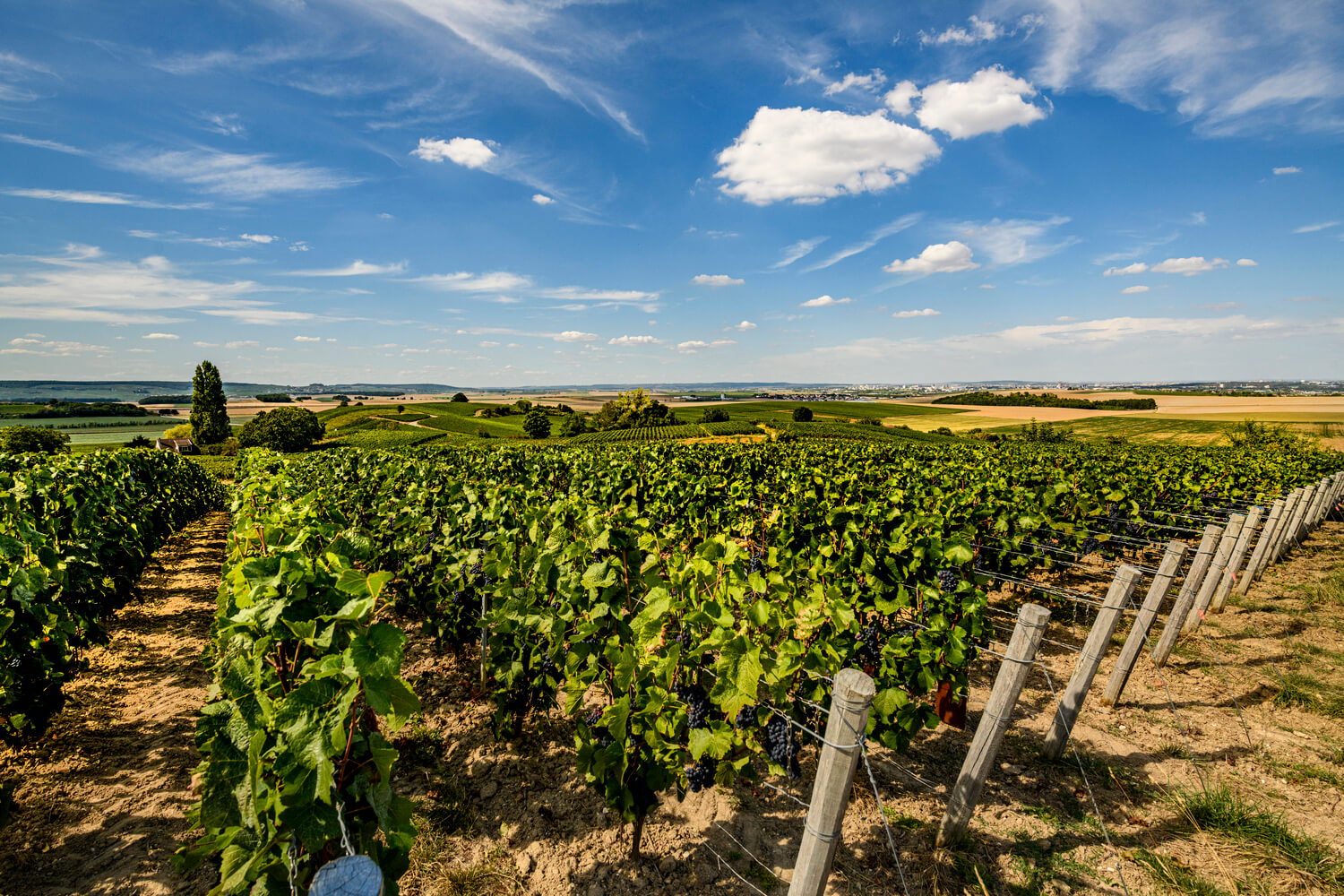
- – Defined geographical area: 34,000 hectares across 319 crus, mainly in the Montagne de Reims, Côte des Blancs, Vallée de la Marne, Côte des Bar, and Côte de Sézanne.
- – Champenoise method: the only authorized method, including secondary fermentation in the bottle.
- – Authorized grape varieties: seven varieties, including three dominant – Pinot Noir, Chardonnay, Meunier – and four rarer ones: Arbane, Petit Meslier, Pinot Blanc, and Pinot Gris.
- – Minimum aging: 15 months for non-vintage, 36 months for vintage.
- – Dosage, pressing, and yield: strictly regulated to ensure finesse and quality.
Champagne thus embodies the intersection of nature, precision, and the art of blending—a delicate and mastered balance.
Champagne Grape Varieties
Each grape contributes its personality, structure, and role to the wine’s balance.
| Grape | Color | Key Characteristics | Preferred Regions | Role in the Blend |
|---|---|---|---|---|
| Pinot Noir | Black | Structure, power, aromatic complexity (red fruits, spices) | Montagne de Reims, Côte des Bar | Provides body and depth |
| Chardonnay | White | Fineness, freshness, elegance (citrus, white flowers) | Côte des Blancs | Brings tension and longevity |
| Meunier | Black | Smoothness, roundness, fruitiness (pear, apple, mirabelle) | Vallée de la Marne | Balance and approachability |
| Arbane | White | Lively acidity, herbaceous notes | Aube | Vivacity, rare freshness |
| Petit Meslier | White | Exotic aromas, bright acidity | Aube | Aromatic complexity |
| Pinot Blanc | White | Floral finesse, suppleness | Côte des Bar | Texture and subtlety |
| Pinot Gris | Gray-pink | Roundness, structure | Aube | Volume and richness |
The Role of Pinot Noir in Champagne Vineyards
Pinot Noir is the historic and structural grape variety of Champagne.
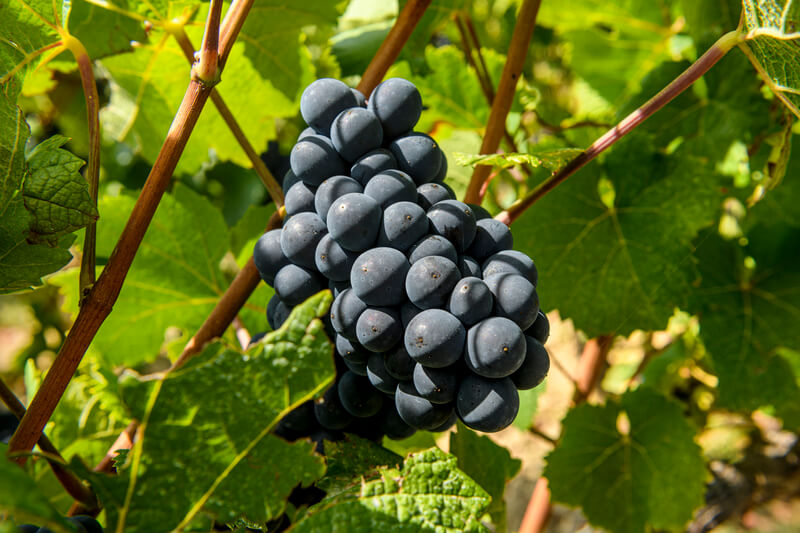
Representing roughly 38% of the total vineyard area, it thrives on the chalky slopes of Montagne de Reims and the Kimmeridgian soils of Côte des Bar.
Its Advantages
- – Structure, backbone, and aromatic intensity.
- – Notes of red fruits (raspberry, cherry, blackcurrant) and sometimes subtle spice.
- – Exceptional length on the palate and aging potential.
In Champagne, Pinot Noir is the backbone of great cuvées, the frame on which Chardonnay’s finesse rests.
Pinot Noir Around the World
Pinot Noir expresses itself differently depending on terroir and climate: elegant and floral wines in cooler regions, more concentrated and spicier in warmer latitudes.
Yet it is in Champagne that it reveals a singular personality: vinified as a white wine, it retains its tension, purity, and brilliance, giving cuvées a rare balance between power and elegance.
Pinot Noir Terroirs in Champagne
Montagne de Reims
- – Soils: chalk and compact limestone.
- – Style: powerful, structured wines with intense aromatic richness.
- – Iconic Crus: Ambonnay, Aÿ, Bouzy, Mailly, Tours-Sur-Marne, Verzenay, Verzy.
Côte des Bar (Aube)
- – Soils: more clayey Kimmeridgian marls.
- – Style: softer, fruitier wines with a southern roundness.
Montagne de Reims Pinot Noir offers power and longevity, while Côte des Bar Pinot Noir seduces with suppleness and approachability.
Pinot Noir in Blending
Pinot Noir structures the cuvée, adding depth and vinosity.
In a blend, it balances Chardonnay and Meunier with its aromatic density and palate presence.
Blanc de Noirs Champagne
Made exclusively from black grapes (Pinot Noir, sometimes Meunier), Blanc de Noirs is an exceptional Champagne: rich, generous, often more vinous and full-bodied. It embodies both terroir strength and fruit elegance.
| Type of Champagne | Dominant Grape | Aromatic Profile | Iconic Examples |
|---|---|---|---|
| 100% Pinot Noir Blanc de Noirs | Pinot Noir | Powerful, vinous, red fruits, brioche | |
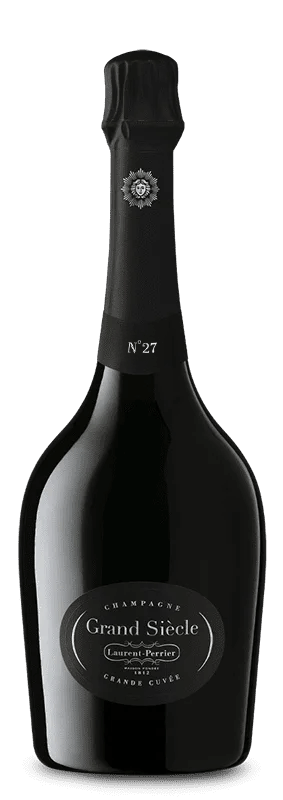
| Pinot Noir / Chardonnay Blend | Pinot Noir 40–60% | Balance between power and freshness | Laurent-Perrier Grand Siècle |
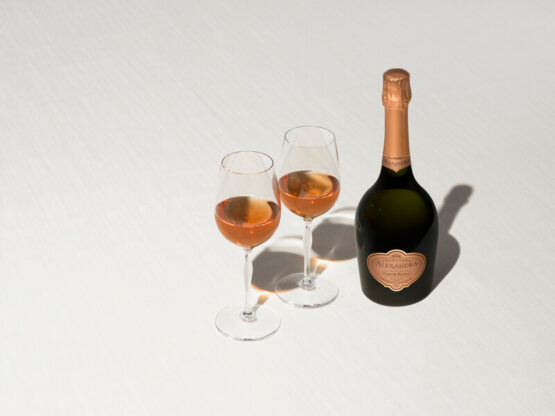
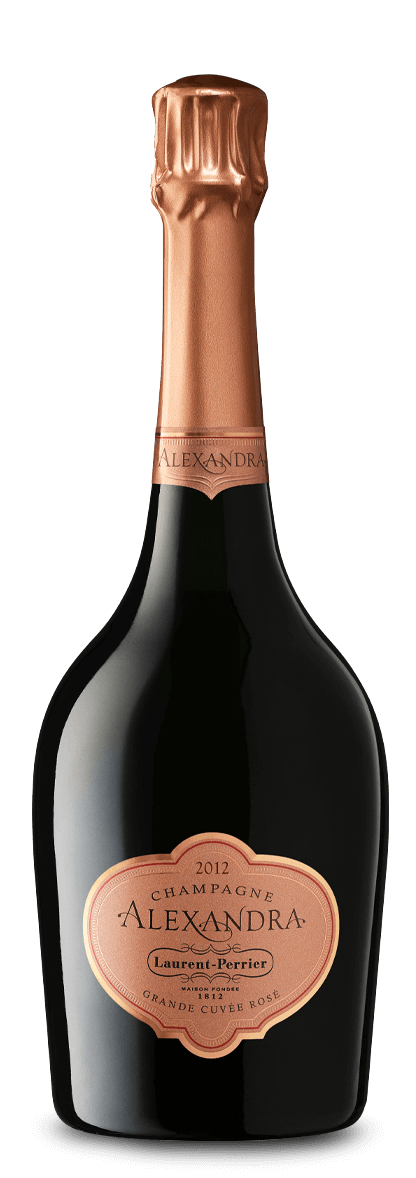
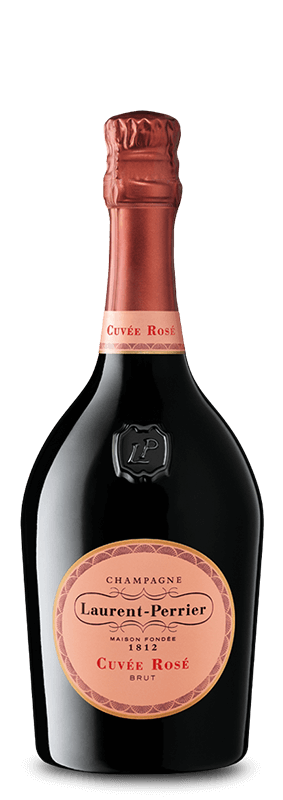
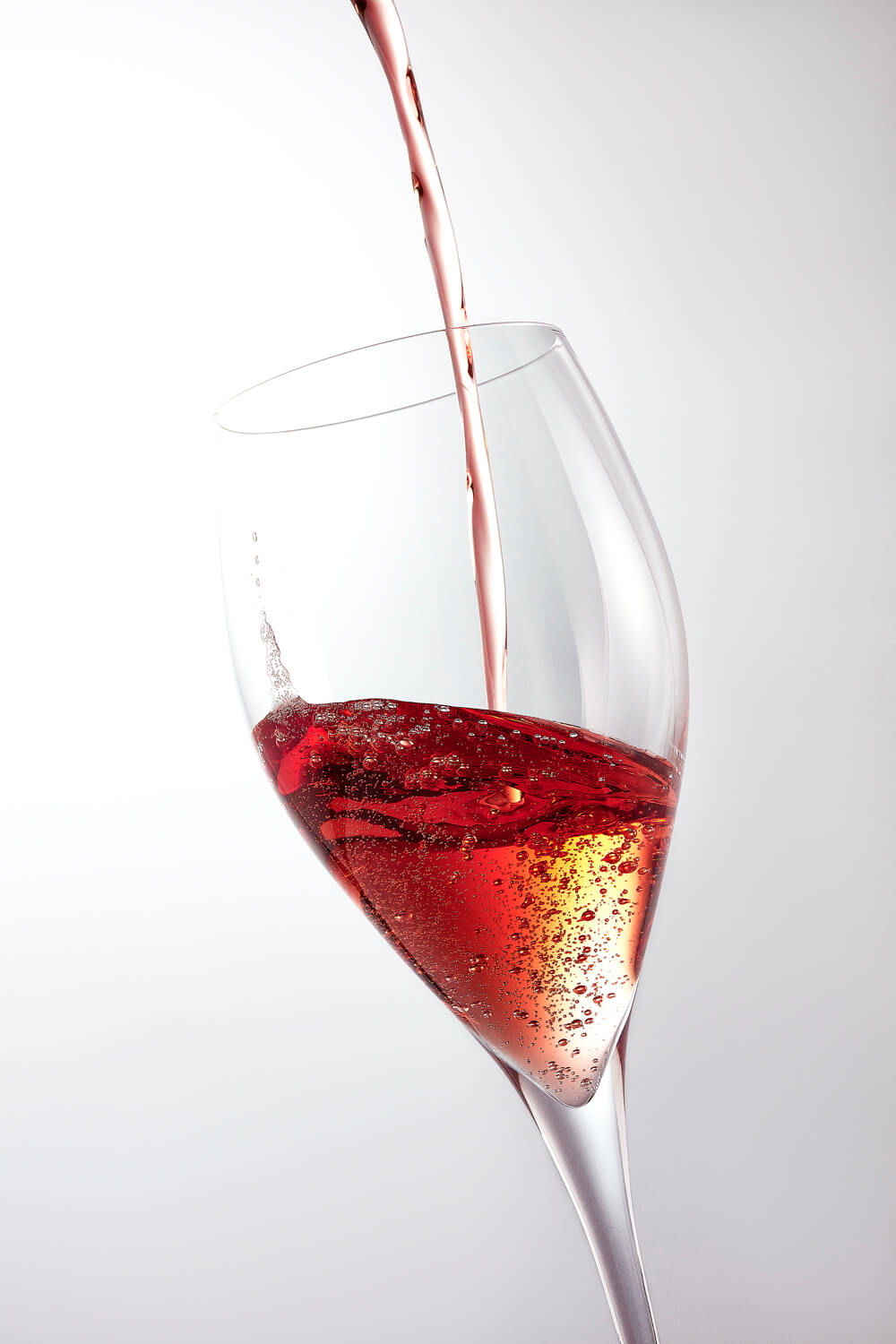
| Macération rosé et not Saignée Rosé | Pinot Noir | Luscious, intense, cherry & raspberry | Laurent-Perrier Alexandra Rosé |
Food Pairings with Pinot Noir-Based Champagnes
| Champagne Type | Profile | Recommended Pairings |
|---|---|---|
| Blanc de Noirs | Structured, full-bodied | Game, foie gras, hard cheeses |
| Pinot Noir / Chardonnay Assemblage | Balanced, elegant | Lobster, truffled poultry, sweetbreads |
| Pinot Noir-dominant Rosé | Fruity, indulgent | Duck, lamb, red fruit desserts |
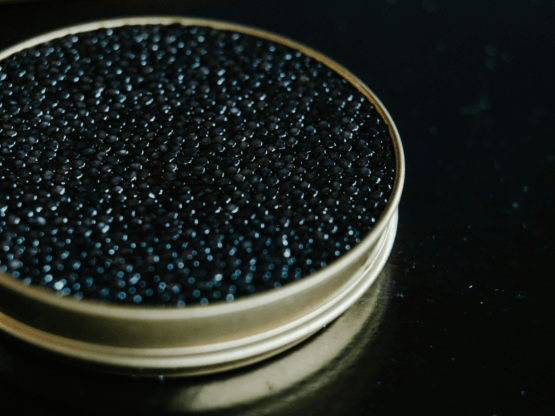
| Vintage with High Pinot Noir | Deep, long on the palate | Caviar, scallops, langoustines, fine poultry |
Laurent-Perrier Cuvées with Prominent Pinot Noir Expression
| Cuvée | % Pinot Noir | Distinction / Score | Characteristics |
|---|---|---|---|
| Laurent-Perrier Grand Siècle Itération N°26 | 42% | 100/100 James Suckling, 100/100 Bettane | Perfect balance of tension and depth |
| Laurent-Perrier Grand Siècle Itération N°24 | 45% | 100/100 Falstaff (Germany) | Rare complexity and harmony |
| Laurent-Perrier Alexandra Rosé Vintage | 80% | 99/100 James Suckling, 97/100 Decanter | Fineness, fruitiness, and aromatic persistence |
Conclusion: Pinot Noir, the Noble Soul of Champagne
Pinot Noir is far more than a grape: it is the architecture of Champagne’s taste.
It grants cuvées breadth, depth, and longevity, while preserving the elegance and purity intrinsic to Champagne terroir.
Laurent-Perrier’s premier cuvées, particularly Grand Siècle, offer a striking demonstration:
- – Grand Siècle Iteration N°26 (42% Pinot Noir) embodies the perfect balance of strength and elegance.
- – Grand Siècle Iteration N°24 (45% Pinot Noir) illustrates the complexity and nobility of time.
These cuvées exalt the art of blending and reaffirm Laurent-Perrier’s place among the world’s most prestigious Champagne creators.