What is the Champagne Appellation?
Champagne is far more than sparkling wine: it is a protected appellation, the result of a singular terroir and a savoir-faire honed over centuries. Nestled in north-eastern France, the Champagne region enjoys a temperate, cool climate and chalk-rich soils that give the grapes remarkable freshness and minerality.
From the seventeenth century onward, the first sparkling wines from Champagne began to enchant Europe’s royal courts. By the eighteenth century, Champagne had become an international symbol of celebration and refinement.
Today, the Champagne appellation covers more than 34,000 hectares across 320 villages, including 17 Grands Crus and 44 Premiers Crus. This exceptional mosaic of vineyards produces a wide range of cuvées, each shaped by its origin and by the precision of its blend.
The Champagne Grapes and the Role of Chardonnay
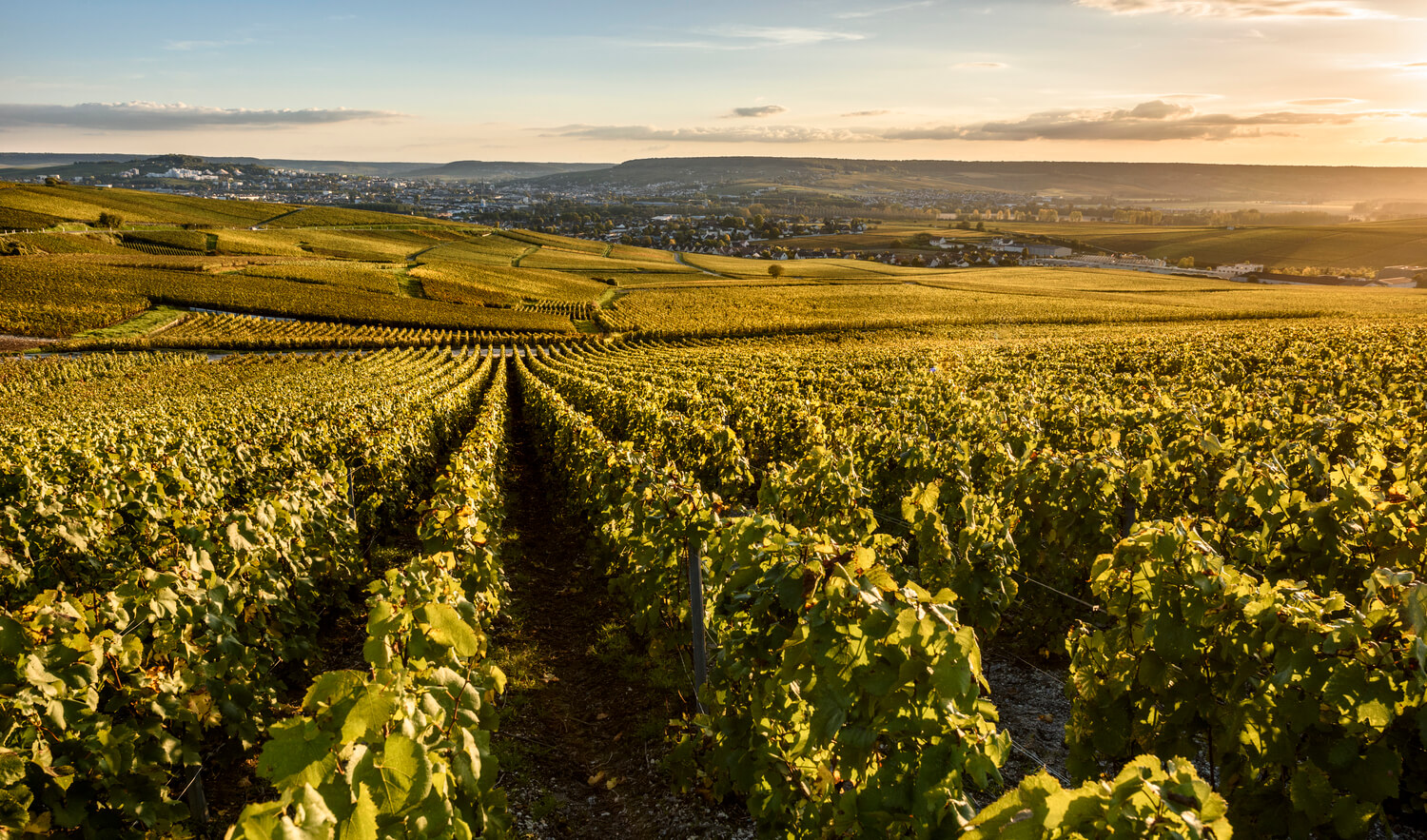
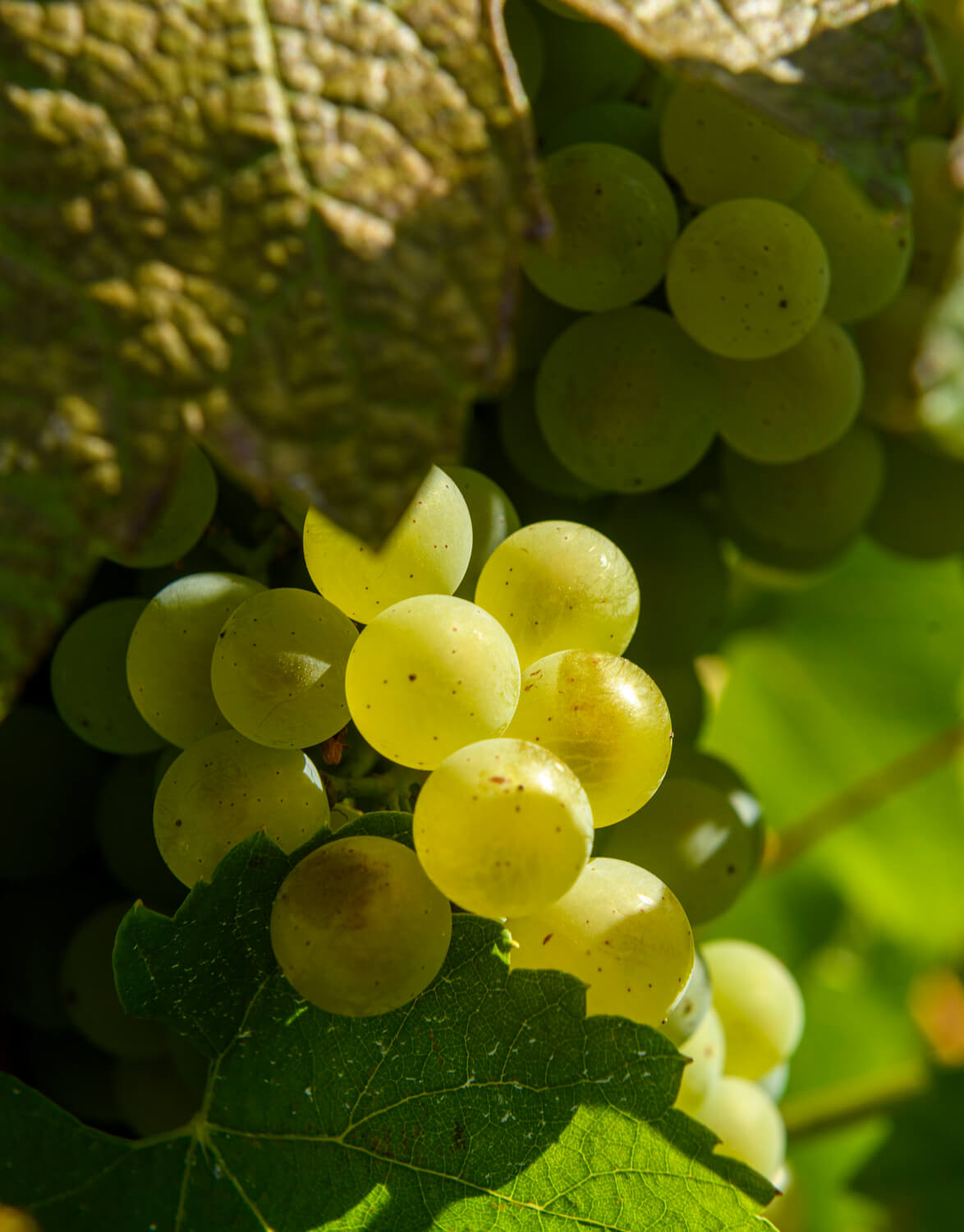
Champagne is built on three emblematic grape varieties: Pinot Noir, Meunier and Chardonnay. The latter, a noble white grape, brings brightness, purity and finesse to white champagnes.
Chardonnay is mainly grown on the Côte des Blancs, but also in selected parcels of the Montagne de Reims and the Côte des Bars. It gives wines their lively framework and mineral tension, often expressing notes of white flowers, fresh fruit and, depending on the soil, subtle buttery or chalky nuances.
This is the grape that defines the character of Blancs de Blancs and the most precise Brut Nature or Extra Brut champagnes, where delicacy and lightness reach a perfect balance.
Chardonnay Around the World
While Chardonnay plays a starring role in Champagne, it also flourishes in many other winegrowing regions, expressing very different personalities depending on climate and soil.
| Country / Region | Type of wine | Distinctive traits of Chardonnay |
|---|---|---|
| Burgundy (France) | Dry white wines (e.g., Meursault, Chablis) | Strong sense of terroir, mineral profile and complexity |
| California (USA) | Rich, oak-aged white wines | Ageing in barrel, broad texture and opulent mouthfeel |
| Australia (Yarra Valley, Margaret River) | Fresh, fruity white wines | Citrus and peach notes with subtle minerality |
| New Zealand (Marlborough) | Aromatic, zesty white wines | Pure fruit character and vibrant freshness |
| Italy (Alto Adige, Friuli) | Elegant, dry white wines | Fine structure and marked liveliness |
Depending on the climate and soil, Chardonnay’s profile varies dramatically. In Champagne, chalky soils and a cool climate impart high acidity, mineral tension, and remarkable length. In contrast, warmer regions produce rounder, more generous wines, with aromas of ripe fruit and sweet spice.
Compared with Burgundy, Champagne’s Chardonnay offers greater finesse and freshness, often accompanied by delicate minerality, while northern Burgundian Chardonnay develops richer notes of hazelnut and honey as it ages.
Champagne Terroirs and Chardonnay
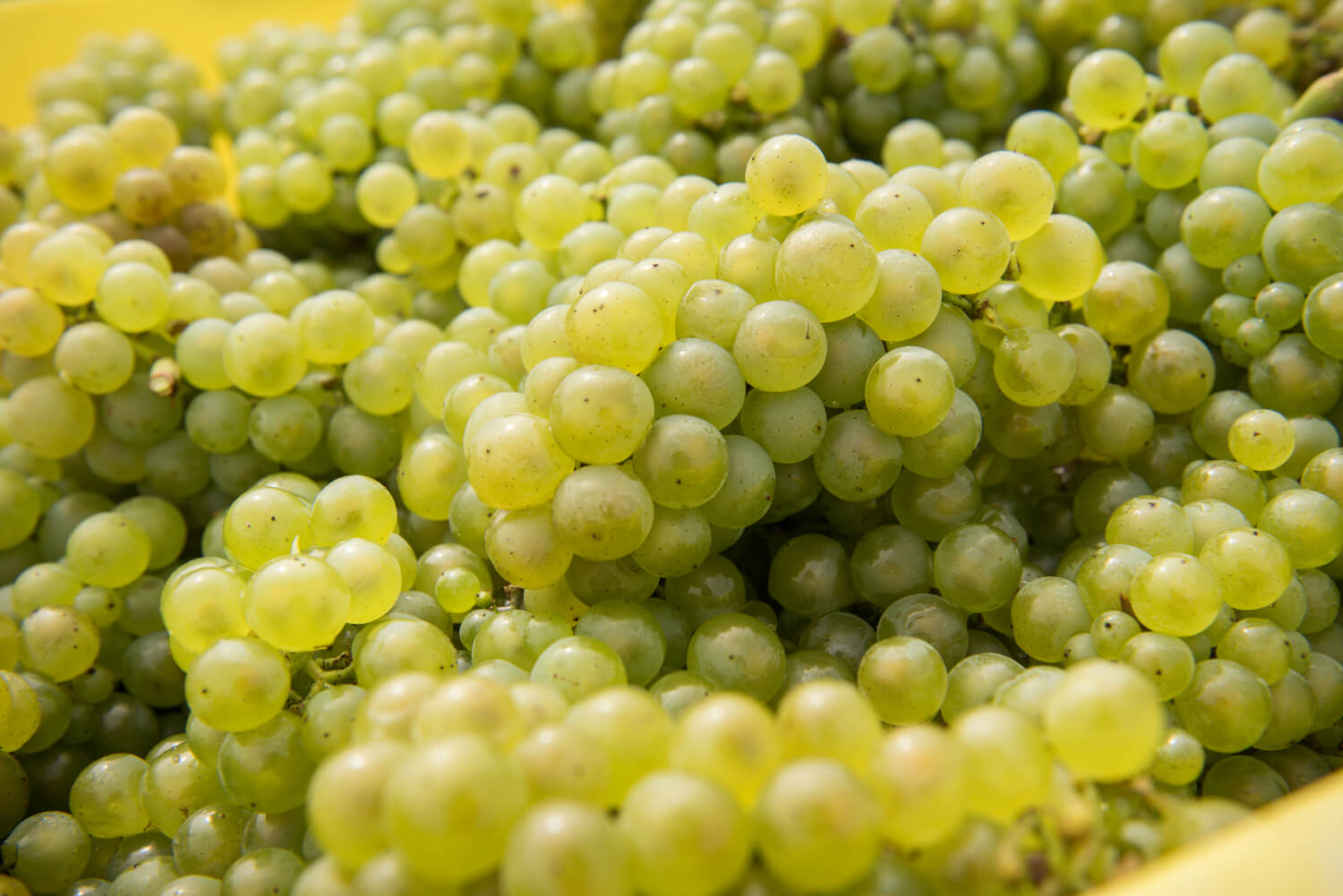
Côte des Blancs
Soil: chalk and limestone
Character: finesse, purity, freshness
Profile: white flowers, citrus, mineral notes
Maturation: stainless steel vats to preserve fruit clarity, with occasional oak ageing to add depth
Montagne de Reims
Soil: clay-limestone
Character: structure and breadth
Profile: white fruits, hazelnut, buttery nuances depending on maturation
Côte des Bars (Aube)
Soil: clay and limestone
Character: density and roundness
Profile: ripe fruit, a balance between richness and liveliness
These terroirs enable Champagne houses to craft exceptional cuvées, each cru playing its role in the final harmony.
The Role of Chardonnay in Blending
In the art of Champagne blending, Chardonnay serves as the backbone — it structures, refines, and illuminates the other grape varieties. In a Blanc de Blancs, made exclusively from Chardonnay, it reveals the full aromatic purity of the terroir, the precision of craftsmanship, and the wine’s ageing potential.
When combined with Pinot Noir or Meunier, it brings an ethereal touch and crystalline elegance that elevate the cuvée to new heights. This is what distinguishes the most admired white champagnes: balance, tension, and brilliance.
Food Pairings
| Type of Champagne | Gourmet pairings |
|---|---|
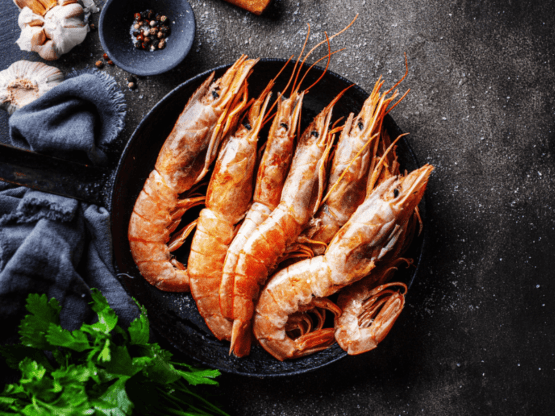
| Chardonnay-dominant Champagne | Delicate fish, seafood, shellfish, creamy poultry dishes |
| 100% Chardonnay Grand Cru Blanc de Blancs | Lobster, caviar, sashimi, mature cheeses, citrus-based desserts |
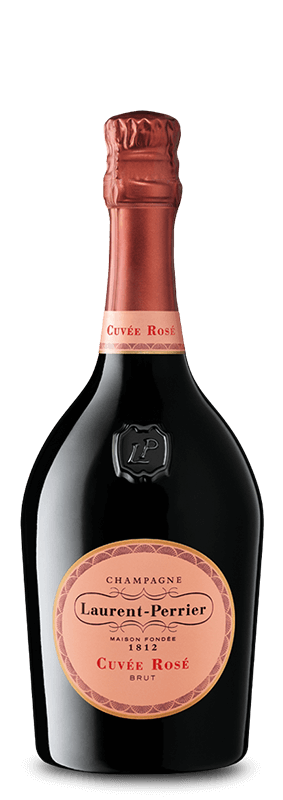
| Rosé Brut Champagne | Salmon carpaccio, fresh red berries, lightly spiced dishes |
These pairings showcase Chardonnay’s purity and freshness, as well as its impressive ability to accompany refined, delicately crafted cuisine.
The Finest Chardonnay-based Champagnes
Among the most prestigious white champagnes, some cuvées stand out thanks to their carefully composed blends and distinguished origins.
- – Brut or Extra Brut champagnes in which Chardonnay is predominant, sourced from the Grands Crus of the Côte des Blancs
- – Blancs de Blancs of great precision, sometimes vintage wines, reflecting the unique character of an outstanding harvest
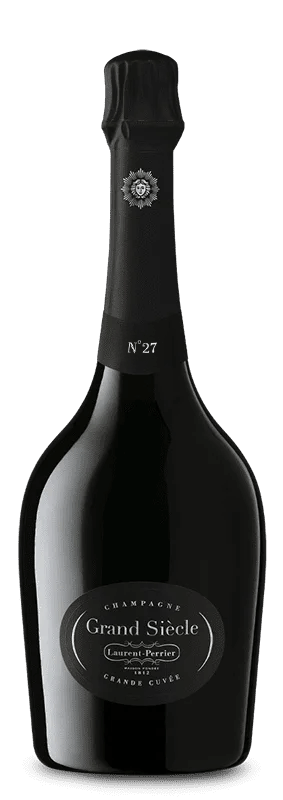
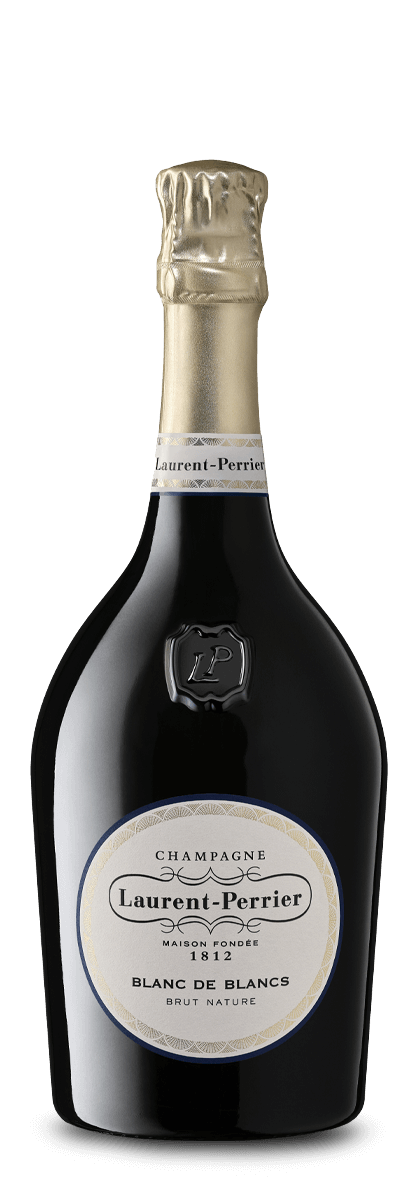
The House of Laurent-Perrier perfectly illustrates this quest for balance and purity. Its collection includes Blanc de Blancs Brut Nature, crafted from Premier Cru and Grand Cru Chardonnay grapes, and the legendary Grand Siècle, a benchmark for masterful blending of the finest vintages.
Conclusion: The Excellence of Chardonnay in Champagne
Chardonnay embodies the very essence of Champagne elegance. Through it, the region expresses the subtlety of its terroir, the dedication of its artisans, and the perpetual pursuit of perfection
At Laurent-Perrier, this spirit is captured in cuvées of remarkable precision such as Grand Siècle and Blanc de Blancs Brut Nature, true masterpieces of the blending art. These prestigious champagnes demonstrate the enduring bond between nature, time and craftsmanship, offering wine lovers around the world one of the purest expressions of Champagne.