Table of contents
- The Champagne Appellation: History and Uniqueness
- The History of Champagne Brut
- The Rules of Champagne Brut
- Types of Champagne and Their Taste Profile
- The Different Categories: Non-Vintage Brut, Vintage, and Prestige Cuvée
- Laurent-Perrier Brut Champagnes
- Food Pairings & Non-Vintage Champagne Brut
- Conclusion: Profiles of Champagne Brut
The Champagne Appellation: History and Uniqueness
Champagne is far more than a sparkling wine: it is the expression of a unique terroir, ancestral savoir-faire, and a strictly regulated Appellation d’Origine Contrôlée, in place since 1936.
Located approximately 150 kilometers northeast of Paris, the Champagne wine region covers 34,300 hectares of vineyards across 319 villages, including 17 Grands Crus and 44 Premiers Crus. It produces wines that embody French elegance and quality.
A Prestigious History
The origin of Champagne wine dates back to the Middle Ages, but it was in the 17th century that the myth of sparkling wine was born. The monks of the Abbey of Hautvillers, including Dom Pérignon, perfected blending and winemaking techniques, giving rise to this luminous wine—a symbol of celebration, excellence, and shared moments.
An Exceptional Terroir
The northern climate, influenced by both oceanic and continental factors, along with chalky soils, gives Champagne its freshness, minerality, and aromatic finesse. These conditions allow for the perfect balance between liveliness and elegance, making every bottle a signature of its terroir.
The History of Champagne Brut
Champagne Brut emerged in the 18th century, when winemakers began adding sugar to balance the natural liveliness of the wine. At that time, Champagnes were often sweeter, suited to the palates of royal courts.
The advent of Brut, a drier style, marked a gustatory revolution: the wine became purer, fresher, and more elegant, fully revealing the character of the terroir and the finesse of the blend.
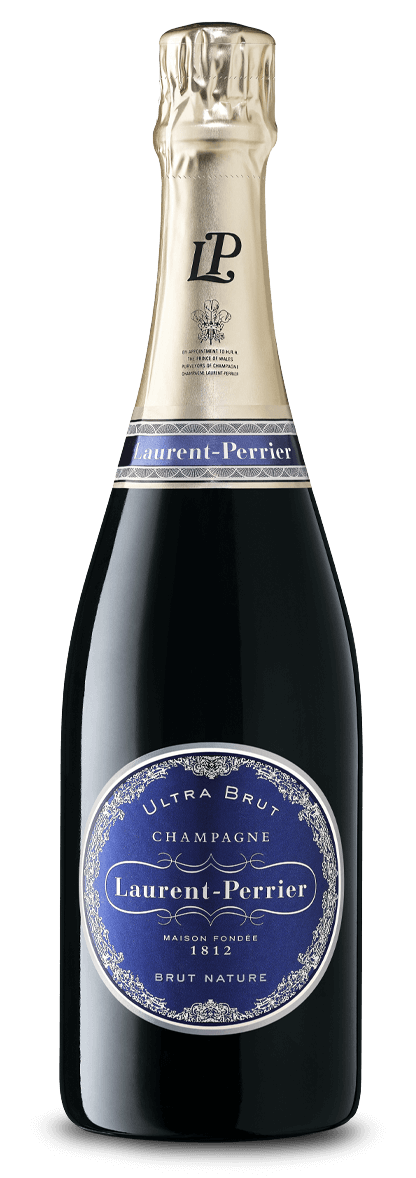
Laurent-Perrier established itself as a pioneer with its Ultra Brut cuvée, launched in 1981.
This zero-dosage Champagne showcases exceptional purity, unprecedented tension and liveliness, embodying modernity and innovation while respecting Champagne tradition.
The Rules of Champagne Brut
The term Brut denotes a Champagne with low sugar dosage, offering a perfect balance between liveliness and roundness.
| Criterion | Rule / Requirement |
|---|---|
| Permitted grapes | Chardonnay, Pinot Noir, Meunier (other minor historical varieties) |
| Alcohol content | Minimum 10% vol. |
| Aging on lees | 15 months for a non-vintage Brut |
| Vintage aging | Minimum 36 months |
| Labeling | Mandatory mention of “Champagne,” producer name, dosage if any, alcohol content |
| Cork | Natural or technical cork, regulated wire cage, “Champagne” stamp |
Types of Champagne and Their Taste Profile
| Champagne Type | Sugar (g/L) | Taste Profile |
|---|---|---|
| Brut Nature / Zero Dosage | 0–3 | Very dry, pure, mineral |
| Extra Brut | 0–6 | Dry and tense |
| Brut | 6–12 | Balanced, harmonious |
| Extra Dry / Extra Sec | 12–17 | Slightly soft |
| Sec | 17–32 | Round and mellow |
| Demi-Sec | 32–50 | Sweet and indulgent |
| Doux | >50 | Very sweet, dessert wine |
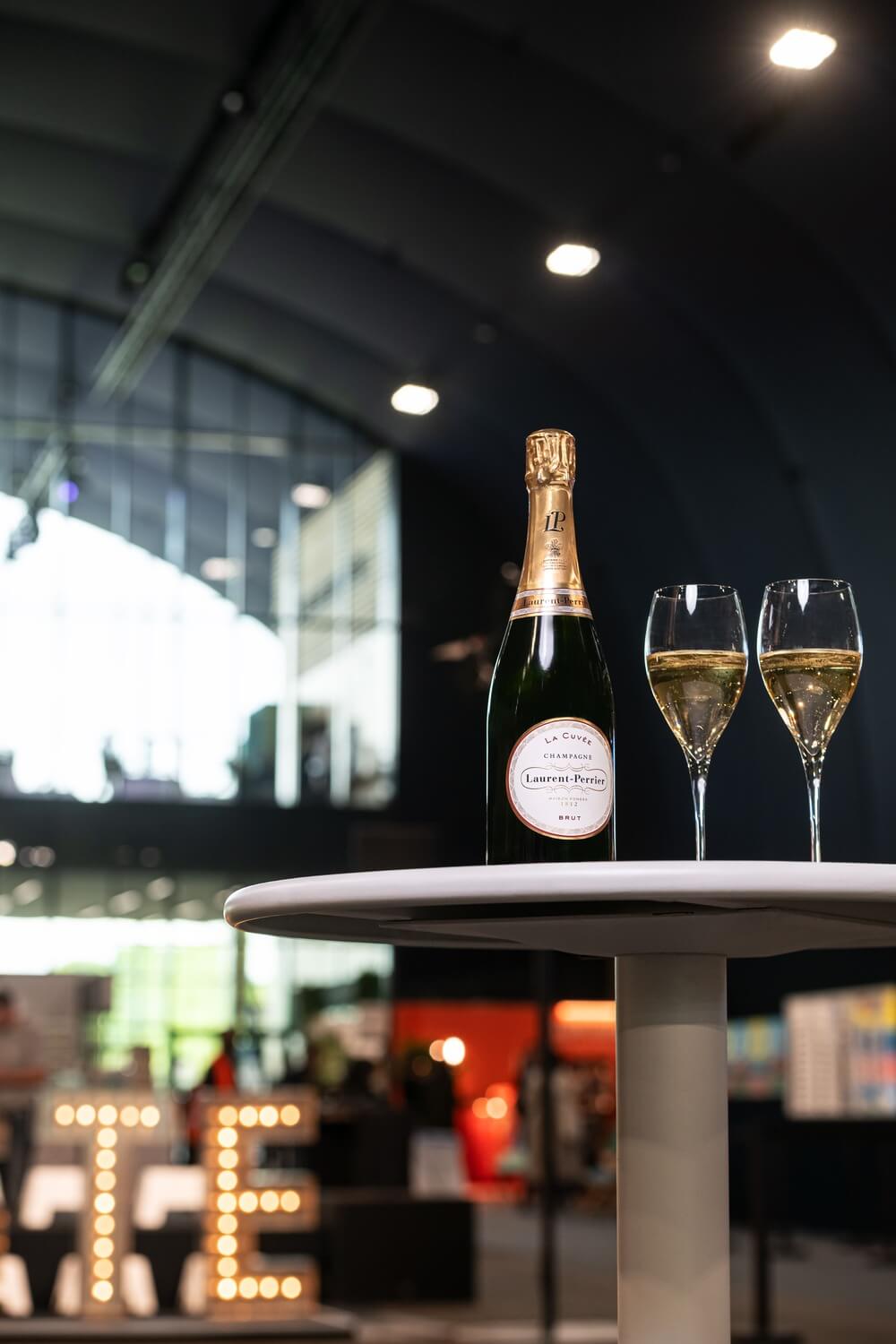
Champagne Brut, the most widely produced style, reveals the perfect balance between freshness and aromatic richness, ideal for convivial moments or refined meals.
The Different Categories: Non-Vintage Brut, Vintage, and Prestige Cuvée
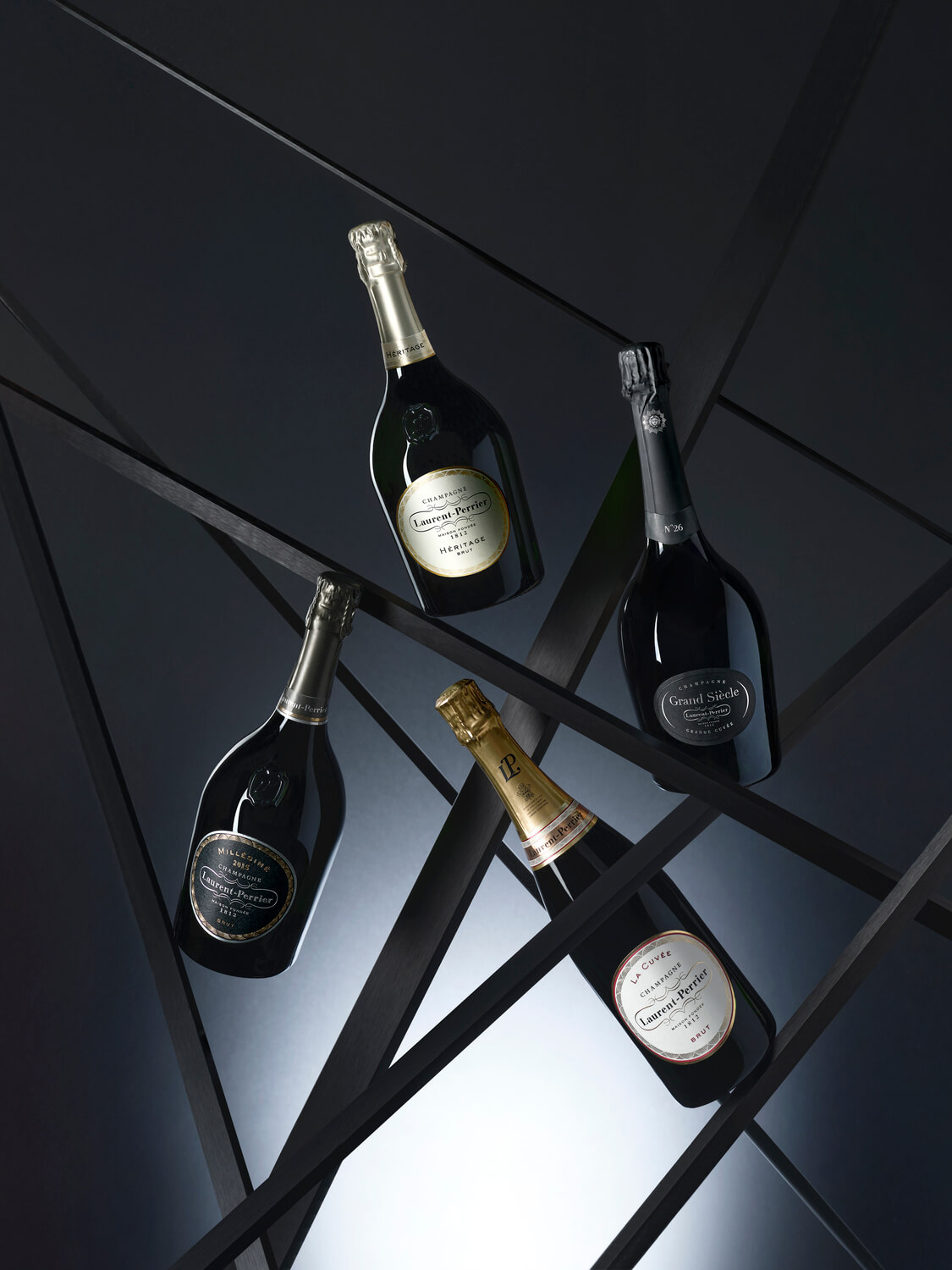
| Category | Minimum Aging | Characteristics | Laurent-Perrier Example |
|---|---|---|---|
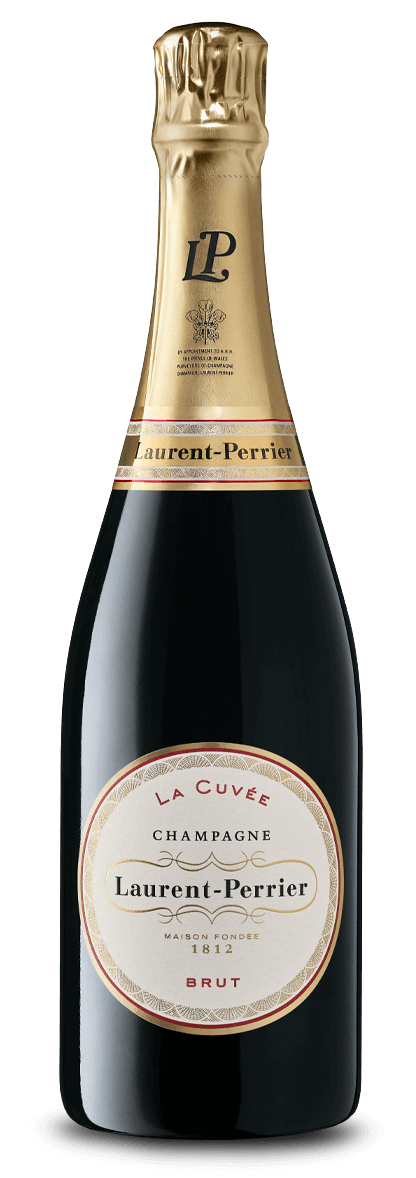
| Non-Vintage Brut | 15 months | Blend of several years to ensure the House style | “La Cuvée” |
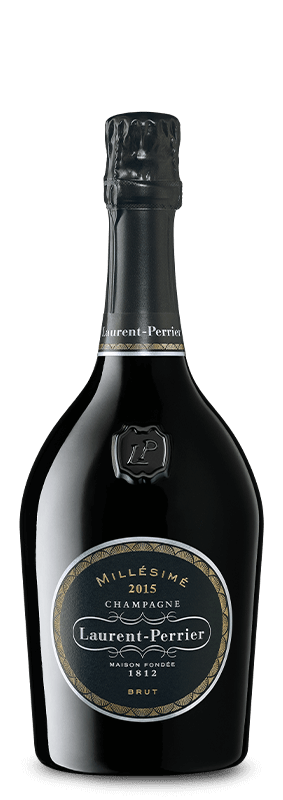
| Vintage Brut | 36 months | Made from a single exceptional year | Millésimé |
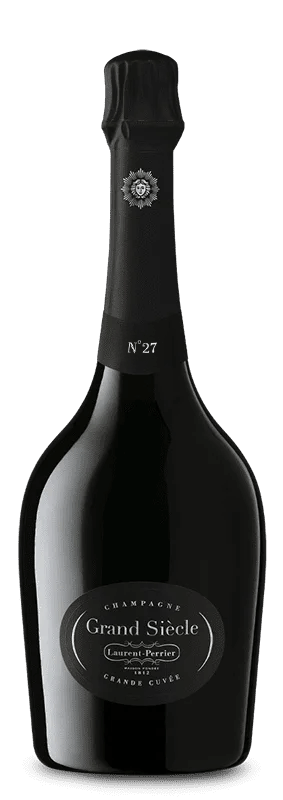
| Prestige Cuvée | >60 months | Exceptional blend, grapes from the finest crus | Grand Siècle |
Laurent-Perrier Brut Champagnes
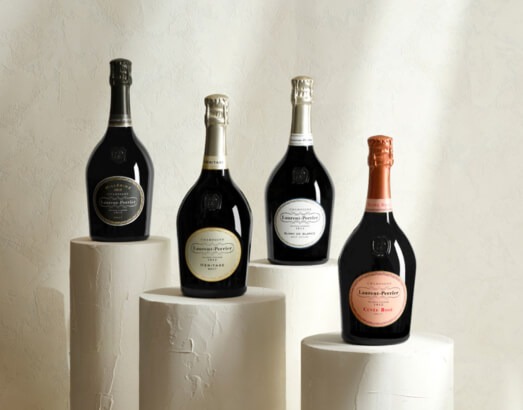
The Maison offers a full range of Brut Champagnes, each reflecting its unique signature and suitable for different occasions:
| Champagne Brut | Description | Ideal Occasions |
|---|---|---|
| La Cuvée | Balanced blend, mostly Chardonnay, finesse and elegance | Aperitif, refined meals, convivial moments |
| Ultra Brut | Zero dosage, pure expression of the terroir | Knowledgeable connoisseurs, tasting discovery |
| Brut Millésimé | Single exceptional year, complexity and depth | Celebrations, gastronomic events |
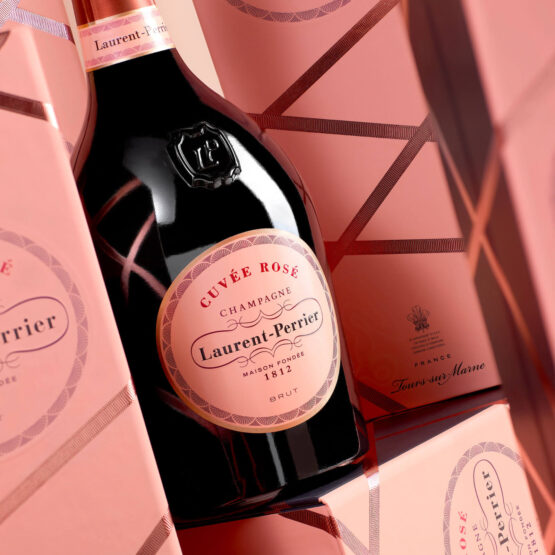
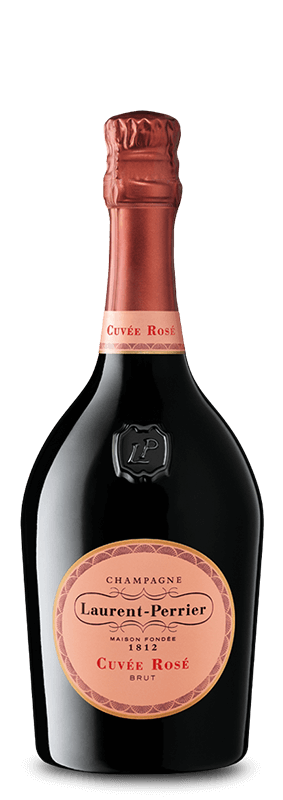
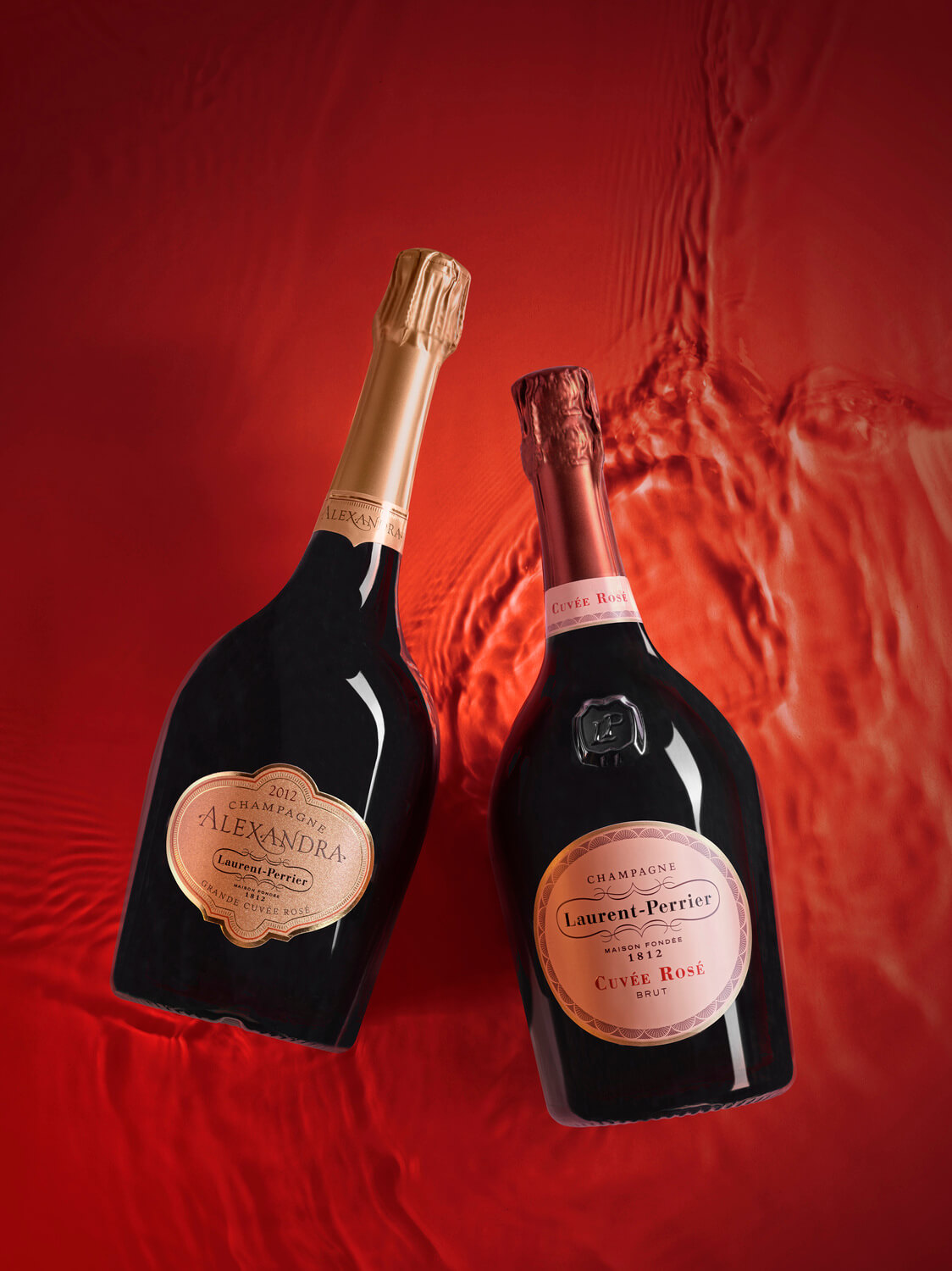
| Rosé Cuvée | Fruity, elegant, indulgent | Birthdays, festive lunches, convivial moments |
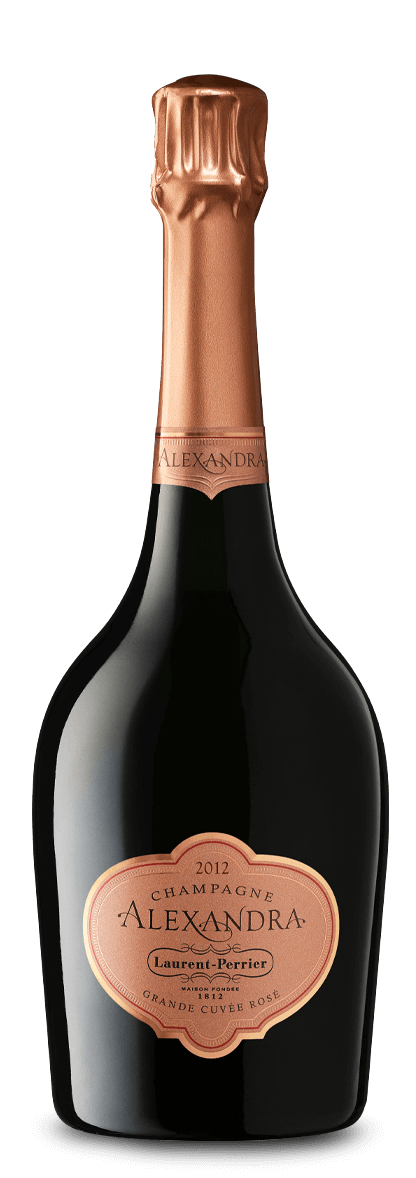
| Grand Siècle | Blend of three exceptional vintages, majestic and refined | Weddings, promotions, exceptional occasions |
Each bottle reflects meticulous attention to grape selection, blending, and aging, offering a unique tasting experience.
Food Pairings & Non-Vintage Champagne Brut
- Cold starters: Scallop carpaccio, dorade tartare → freshness and aromatic precision
- Seafood & fish: Oysters, sole meunière, sashimi → minerality and Chardonnay tension
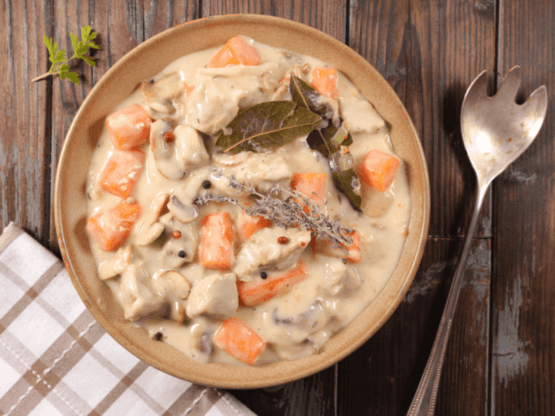
- Poultry & white meats: Chicken supreme, lemon risotto → harmony of finesse and roundness
- Cheeses: Young Comté, fresh goat → salty and creamy balance
- Fruity desserts: Lemon tart, citrus shortbread → refreshing and light
Conclusion: Profiles of Champagne Brut
All Brut Champagnes express the personality of their Champagne House through their blend.
- Champagnes dominated by Chardonnay, such as Laurent-Perrier “La Cuvée,” offer an airy, refined, and delicate style.
- Champagnes primarily from Pinot Noir reveal a fuller, more powerful vinous character.
Thus, the diversity of Champagne Brut embodies the richness of Champagne: the perfect combination of terroir, blending artistry, and timeless elegance, ready to elevate every tasting moment.